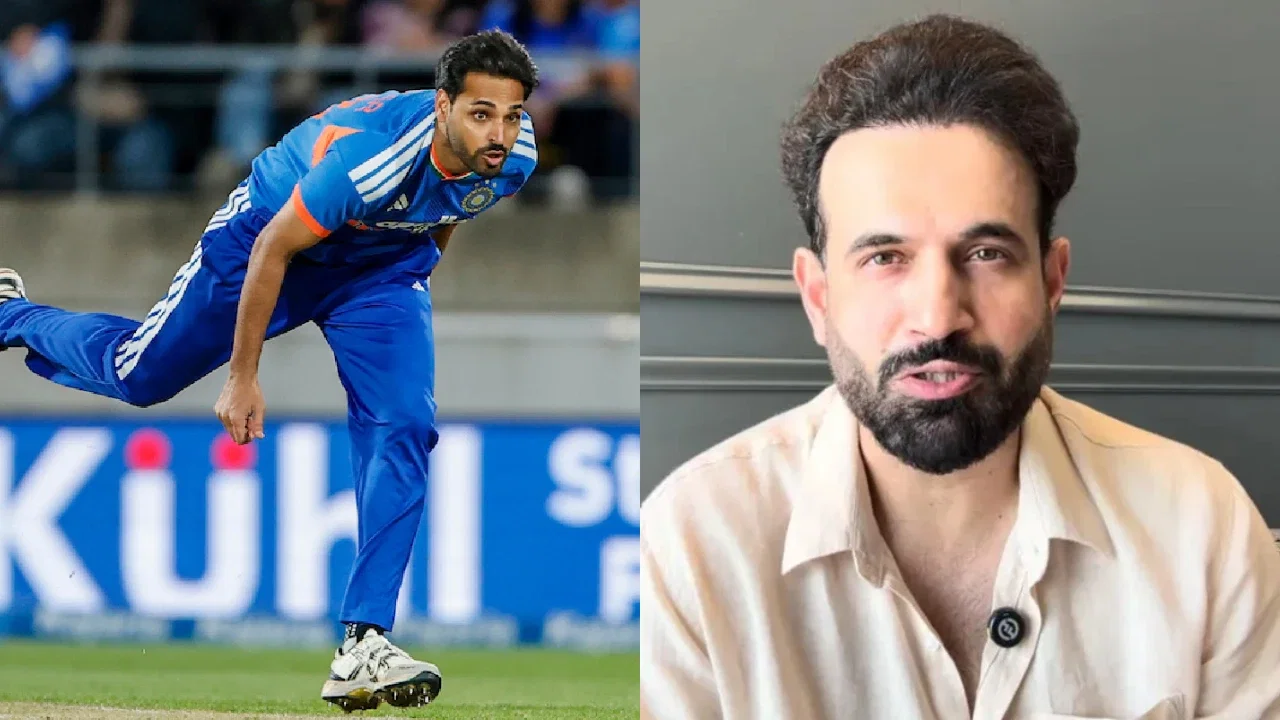
Kris Srikkanth questions India’s treatment of Vaibhav Sooryavanshi, issues warning to selectors
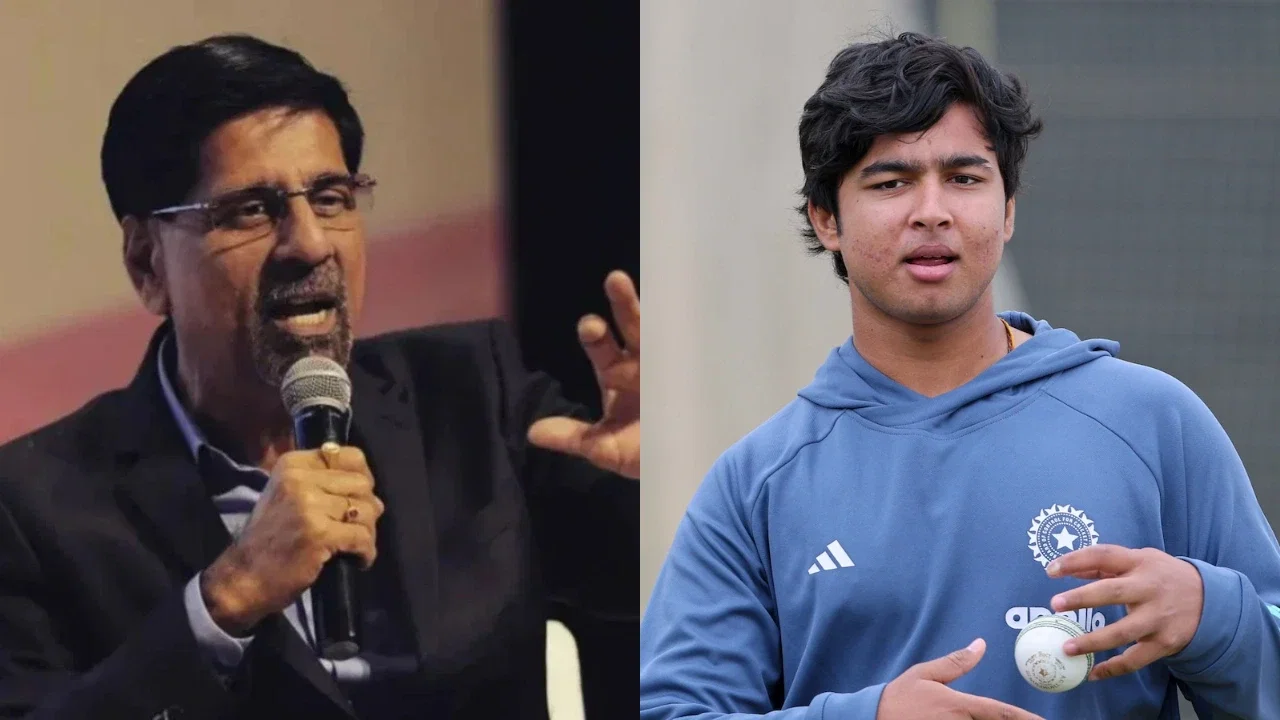
Kris Srikkanth Questions India’s Handling of Vaibhav Sooryavanshi After T20I Snub
Former India captain and chief selector Kris Srikkanth has criticised the Gautam Gambhir-led team management for leaving teenage batting prospect Vaibhav Sooryavanshi out of the fifth and final T20I against New Zealand in Hamilton. With India having already secured the series by winning the first three matches, Srikkanth believes the dead rubber offered a valuable chance to give the young opener meaningful time in the middle.
India instead retained its established batting combination and made changes primarily to the bowling attack. The decision has renewed debate about how the team plans to develop Sooryavanshi—and whether keeping a highly rated youngster in the squad without regular opportunities is the best way to prepare him for international cricket.
Srikkanth calls for a clear plan for India’s openers
Sooryavanshi featured in two matches when Ishan Kishan was unavailable through injury. Once Kishan returned, however, the teenager was moved back to the bench. Srikkanth argues that India should give the young batter a defined role and a reasonable run of games rather than treating his place in the XI as an occasional opportunity.
Speaking on his YouTube channel, the former India captain suggested that the team management should be transparent with all three opening options about how many matches they can expect to play. His proposal was to give each player a clear allocation of opportunities, allowing the coaching staff to assess performance over a meaningful sample rather than judging a young player on one or two appearances.
“Give a good run to Vaibhav Sooryavanshi. Give the three openers clarity,” Srikkanth said, arguing that India should communicate its selection plans instead of leaving players uncertain about their roles.
That approach could also help the team make more informed selection decisions. Opening batters need time to adjust to international pace, bounce and fielding standards. A planned sequence of matches would give Sooryavanshi a better chance to demonstrate how his attacking style translates across different conditions.
Missed chances against Ireland and the West Indies
Srikkanth believes India had earlier opportunities to introduce Sooryavanshi that were not used. He pointed to the two T20Is against Ireland, in which India did not give the teenager a match. Sanju Samson and Abhishek Sharma opened in both games, while the series itself proved disappointing for India.
In Srikkanth’s view, those fixtures could have provided a lower-pressure setting for Sooryavanshi to gain experience. He also questioned why India did not select him during the T20I series against the West Indies, which he described as an opportunity to test the youngster against a less threatening bowling attack.
“Where should Vaibhav have played? Ideally, those two matches against Ireland,” Srikkanth said. He added that India had another chance against the West Indies but again chose not to include the teenager.
His criticism is not simply about one team sheet. It reflects a wider question facing India’s selectors: how can a side balance the need to win with the responsibility of preparing emerging players? In a series already decided, a carefully chosen debut or additional appearance can offer useful experience without carrying the same stakes as a must-win match.
Concern over confidence and player development
Srikkanth’s strongest concern is that repeated selection without consistent playing time could affect Sooryavanshi’s confidence. A young player may find it difficult to understand what is expected of him if he is included in a squad but rarely given the chance to bat. Srikkanth urged India to groom the teenager through opportunities, rather than risk making him feel that his place is uncertain.
For a developing batter, regular selection can provide more than match practice. It allows coaches to identify technical adjustments, helps the player learn how to respond after a poor innings and offers a clearer basis for measuring progress. Without that continuity, even a talented prospect may struggle to build rhythm or establish a defined role within the team.
At the same time, selection involves more than potential alone. India’s management must weigh current form, the demands of each opponent and the need to maintain combinations. The challenge is to make those considerations clear while ensuring that promising players are not left waiting indefinitely for a suitable opening.
Could Sooryavanshi be considered for India’s ODI team?
Srikkanth has also backed Sooryavanshi for consideration in India’s ODI setup, saying the teenager has scored runs at multiple levels and shown enough ability to merit serious attention. His comments point to a broader prediction about the batter’s future: if his performances continue and he adapts to the demands of senior cricket, he could become part of India’s plans across formats.
However, a move into ODI cricket would require careful assessment. The 50-over game places different demands on an opener, who must balance early aggression with the ability to build an innings. India’s selectors would need to consider Sooryavanshi’s consistency, technique against varied bowling attacks and readiness for longer spells at the crease before making a decision.
Rather than fast-tracking him solely on reputation, India could use a structured pathway: regular domestic cricket, targeted opportunities in age-group or development teams, and a clear plan for exposure to senior international conditions. That would allow the selectors to judge both his immediate impact and his capacity to adapt.
What India’s next selection decisions may reveal
The debate over Sooryavanshi’s place is likely to continue as India manages its pool of opening batters. The key issue is not necessarily whether the teenager should play every match, but whether the team has a consistent explanation for when and why he will be selected. A transparent plan can help protect confidence while giving the coaching staff room to make changes based on performance and conditions.
Srikkanth’s remarks have put the spotlight on that balance. India has a chance to turn attention toward Sooryavanshi’s development by offering him purposeful opportunities and communicating his role clearly. Whether he earns a regular place in T20Is—or eventually enters the ODI conversation—will depend on his performances and the team’s assessment. For now, the central question remains: is India giving one of its most talked-about young batting prospects enough chances to show what he can do?
Latest News
Rishabh Pant gets another chance to prove fitness ahead of New Zealand Tests
Gautam Gambhir praises T20I team’s effort but warns players against complacency before IND vs NZ ODIs
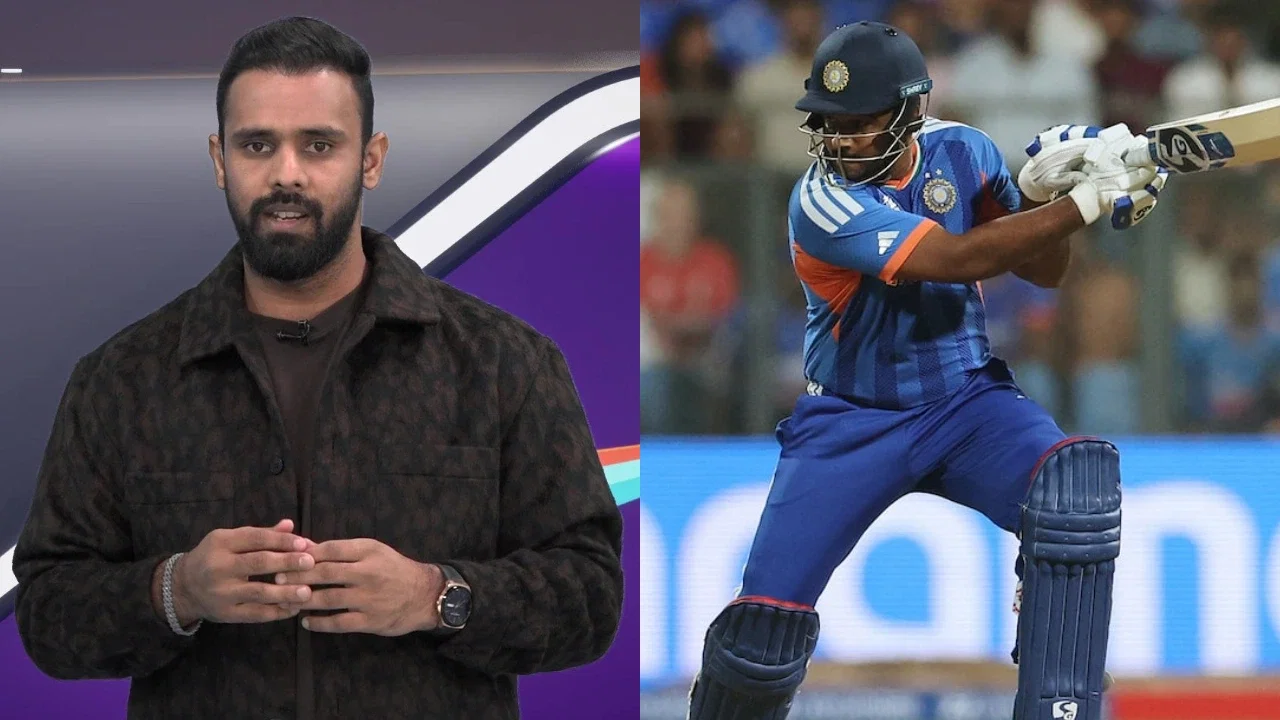
Hanuma Vihari reveals Sanju Samson’s technical flaw after India’s crushing defeat in Hamilton
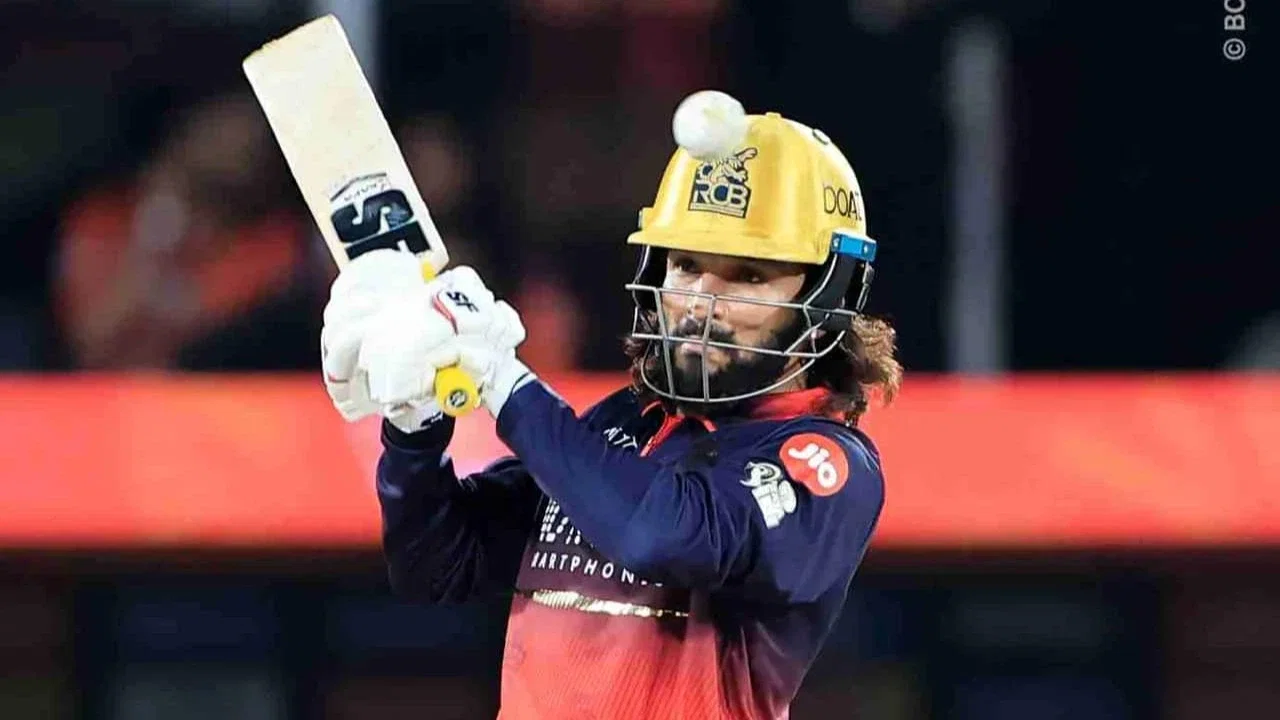
India A squad for Rising Stars Asia Cup: Rajat Patidar gets leadership, Rinku Singh returns
Kris Srikkanth questions India’s treatment of Vaibhav Sooryavanshi, issues warning to selectors
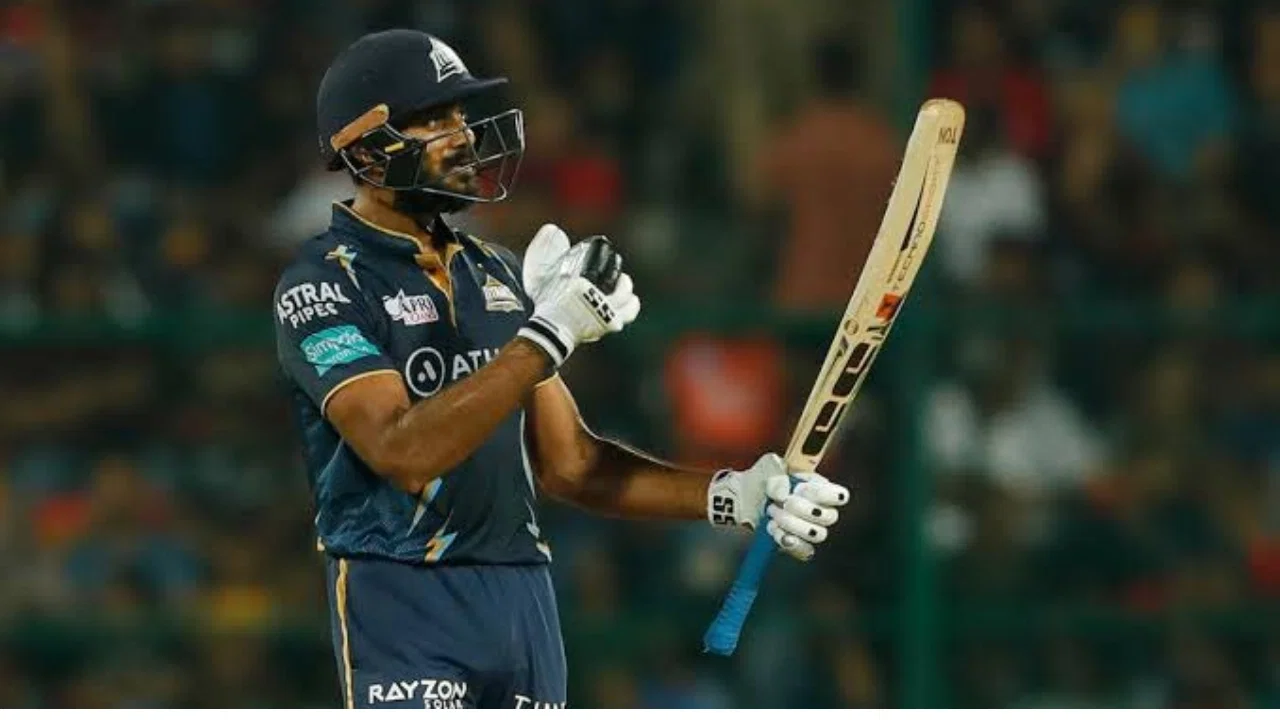
Vijay Shankar, KS Bharat and Ashwin register for Afghanistan Premier League draft
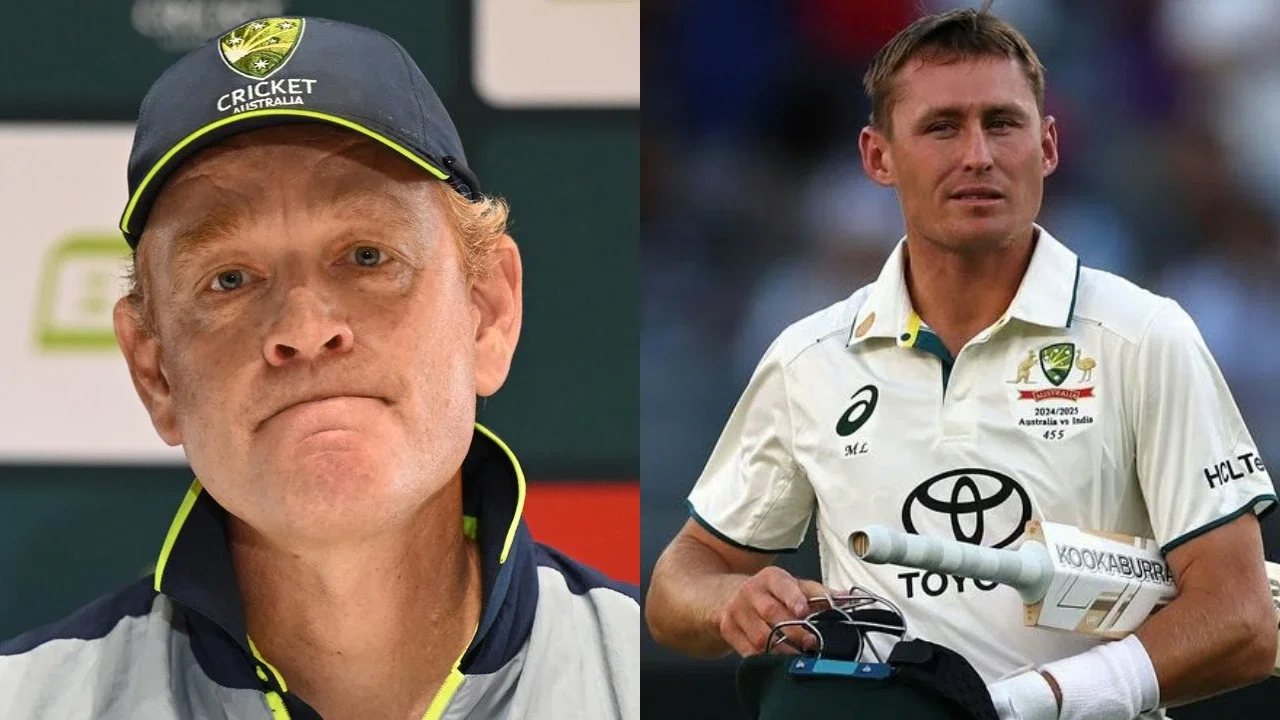
Marnus Labuschagne’s Test future in danger as Andrew McDonald confirms selection review
Mohammad Amir enters Afghanistan Premier League draft using British citizenship
Adam Gilchrist breaks silence on Australia’s selection blunders after South Africa Test series defeat
Tony de Zorzi returns as South Africa announce squad for Bangladesh Tests
Afghanistan reach career-best sixth place in ICC ODI rankings after overtaking Sri Lanka
Cricket Australia name squads for England series; Pat Cummins, Mitchell Starc and Josh Hazlewood rested
IPL 2027: Prashant Veer, Kartik Sharma’s CSK futures in doubt despite ₹14.2 crore price tag
Watch: Rashid Khan and Ryan Burl involved in lengthy and heated altercation in AFG vs ZIM 3rd T20I