

Selectors made a mistake: Irfan Pathan questions Bhuvneshwar Kumar’s return
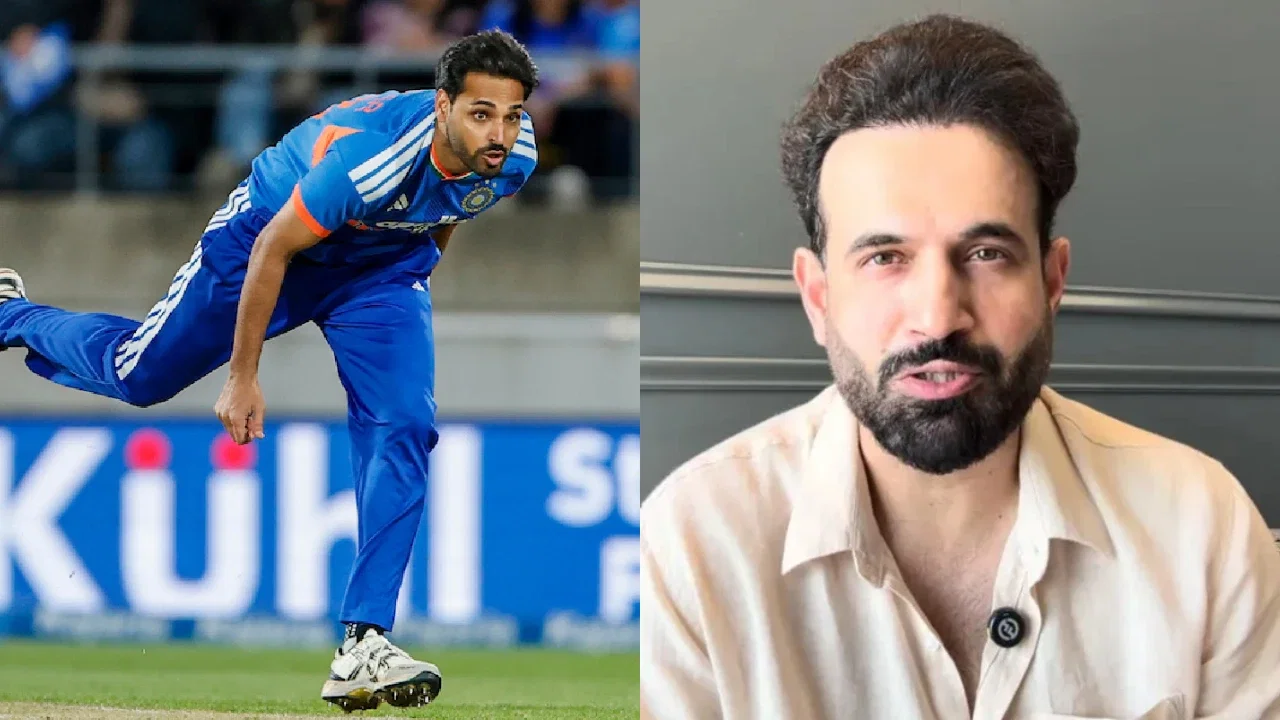
Irfan Pathan Questions Bhuvneshwar Kumar’s Return to India’s T20I Squad
Former India all-rounder Irfan Pathan has questioned the timing of Bhuvneshwar Kumar’s return to the national T20I side, arguing that the selection may have cost younger fast bowlers a valuable chance to gain international experience. Bhuvneshwar was recalled after an absence of around four years for India’s T20I series against New Zealand, but his comeback produced modest returns: he took one wicket and conceded 180 runs across four matches.
Pathan stressed that his criticism was not a judgment on Bhuvneshwar’s ability. Instead, he focused on the wider selection strategy: what was India hoping to learn from the veteran’s return, and how did it fit into the team’s plans for future tournaments? In Pathan’s view, a clear purpose should guide every comeback, particularly when emerging players are competing for limited opportunities.
India’s series win ended on a difficult note
India began the five-match T20I series strongly, winning the first three games. New Zealand responded by taking the final two matches, however, leaving the visitors with a 3-2 series result and a disappointing finish after their promising start.
The late defeats added to the discussion around India’s team balance and preparation. With international cricket offering only a limited number of fixtures before major competitions, each series can serve two purposes: pursuing immediate results and assessing players who may become important in the years ahead. Pathan believes India should have used this series more deliberately to evaluate its younger pace options.
Speaking on his YouTube channel, Pathan said Bhuvneshwar remained a skilled and experienced bowler, but questioned why India had brought him into the T20I setup at that point. He suggested the decision would have been easier to understand if the team were preparing the seamer for a nearer 50-over assignment, rather than a T20 World Cup that was not imminent.
Pathan says selectors missed a chance to test young pacers
Pathan’s main concern was the opportunity cost of Bhuvneshwar’s selection. He named Mayank Yadav and Prince Yadav as young fast bowlers who could have benefited from playing against New Zealand. Mayank, in particular, might have been given a run across the five-match series, allowing the selectors to assess how he handled different conditions and match situations.
For a developing fast bowler, an overseas tour can offer lessons that are difficult to reproduce at home. New Zealand conditions can test a quick’s control, adaptability and decision-making, while international batters are often quick to punish loose deliveries. Pathan argued that exposure on such pitches could help young bowlers learn how to manage pressure and refine their plans when the margin for error is small.
Giving a prospect several matches, rather than a single appearance, can also provide selectors with a more reliable picture of his readiness. One outing may be shaped by the toss, the conditions or a particular matchup. A longer opportunity allows a player to respond to setbacks, adjust his approach and demonstrate whether he can contribute consistently.
Pathan separates performance from the selection debate
Pathan was careful to distinguish his argument about selection from Bhuvneshwar’s figures in the series. He said the bowler’s expensive returns were not, by themselves, the reason he questioned the recall. In Pathan’s assessment, Bhuvneshwar bowled well during parts of his opening spells and was unlucky at times, while later overs proved more costly. Such fluctuations, he noted, can happen to any bowler in T20 cricket.
That distinction is important in a format where a few deliveries can significantly affect a player’s economy rate. A bowler may execute a plan effectively for several overs before one difficult passage changes the numbers. Pathan’s broader point was therefore about strategic timing: even a capable senior player’s inclusion should be weighed against the development needs of the squad.
Bhuvneshwar’s experience and reputation remain valuable assets. He has long been recognised for his control, swing and ability to contribute in different phases of an innings. But Pathan’s comments raise a practical question for India’s selectors: should experience be prioritised in a particular series, or should the team use that window to build depth for future campaigns?
Why timing matters in India’s fast-bowling plans
India’s pace-bowling pipeline is a constant focus for supporters and analysts, especially as the team balances established internationals with emerging talent. Fast bowlers need more than domestic success to become dependable options at the highest level. They also require chances to adapt to international conditions, learn from experienced teammates and build confidence through repeated selection.
A measured approach does not necessarily mean excluding senior players. Rather, it means identifying the role each selection is intended to serve. If a veteran is being considered for a specific tournament or format, the selectors can explain how the series fits into that plan. If the priority is long-term depth, then opportunities for younger bowlers may deserve greater weight.
Pathan’s comments also underline the difference between short-term results and long-term preparation. India’s early wins suggested the team had found a strong rhythm, but the two defeats at the end of the series showed how quickly momentum can shift. A robust squad needs players who have already experienced difficult conditions and high-pressure situations before they are required in a major tournament.
Selection debate extends beyond one comeback
The discussion surrounding Bhuvneshwar’s return is ultimately part of a larger debate about India’s selection policy. A comeback can be justified by form, fitness, experience or a defined role. But without a clear explanation, it can also invite questions about whether the team is using its fixtures efficiently.
Pathan’s prediction is not simply that young bowlers will succeed if selected; international cricket offers no guarantees. His argument is that they need opportunities before selectors can make informed decisions about their potential. Testing players against strong opposition, particularly in unfamiliar conditions, can reveal both strengths and areas that require development.
For India, the challenge is to combine immediate competitiveness with careful succession planning. Bhuvneshwar’s return may have offered the team a look at an experienced option, but Pathan believes the series could have delivered greater long-term value by giving Mayank Yadav, Prince Yadav or another young quick a sustained chance. The debate now turns on what the selectors want the next set of fixtures to achieve—and whether India’s fast-bowling prospects will receive the exposure needed to make that progress.
Latest News
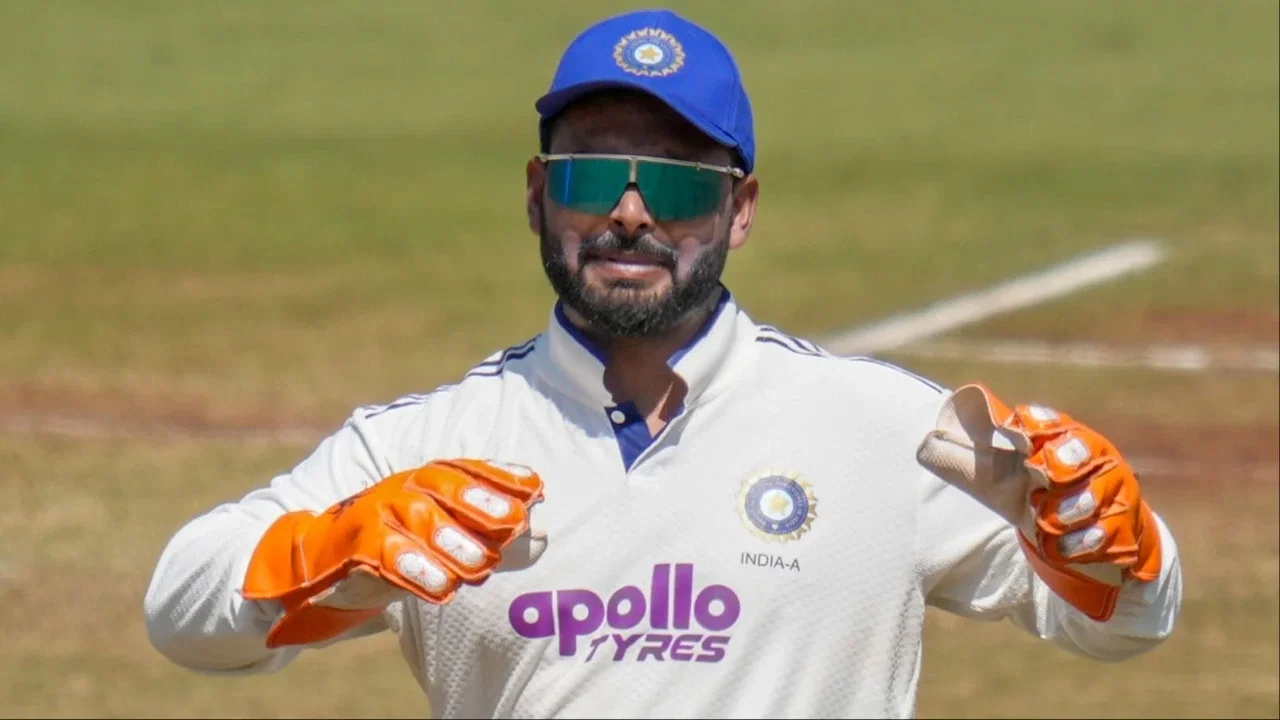
Rishabh Pant gets another chance to prove fitness ahead of New Zealand Tests
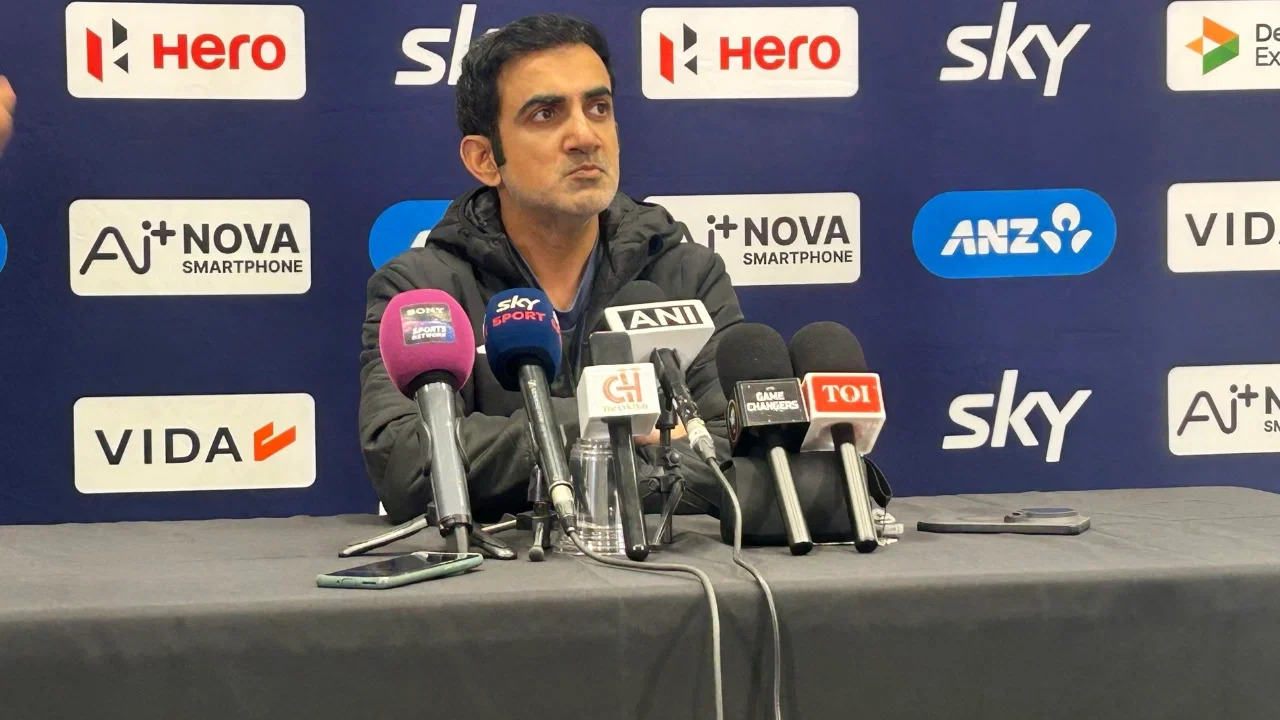
Gautam Gambhir praises T20I team’s effort but warns players against complacency before IND vs NZ ODIs
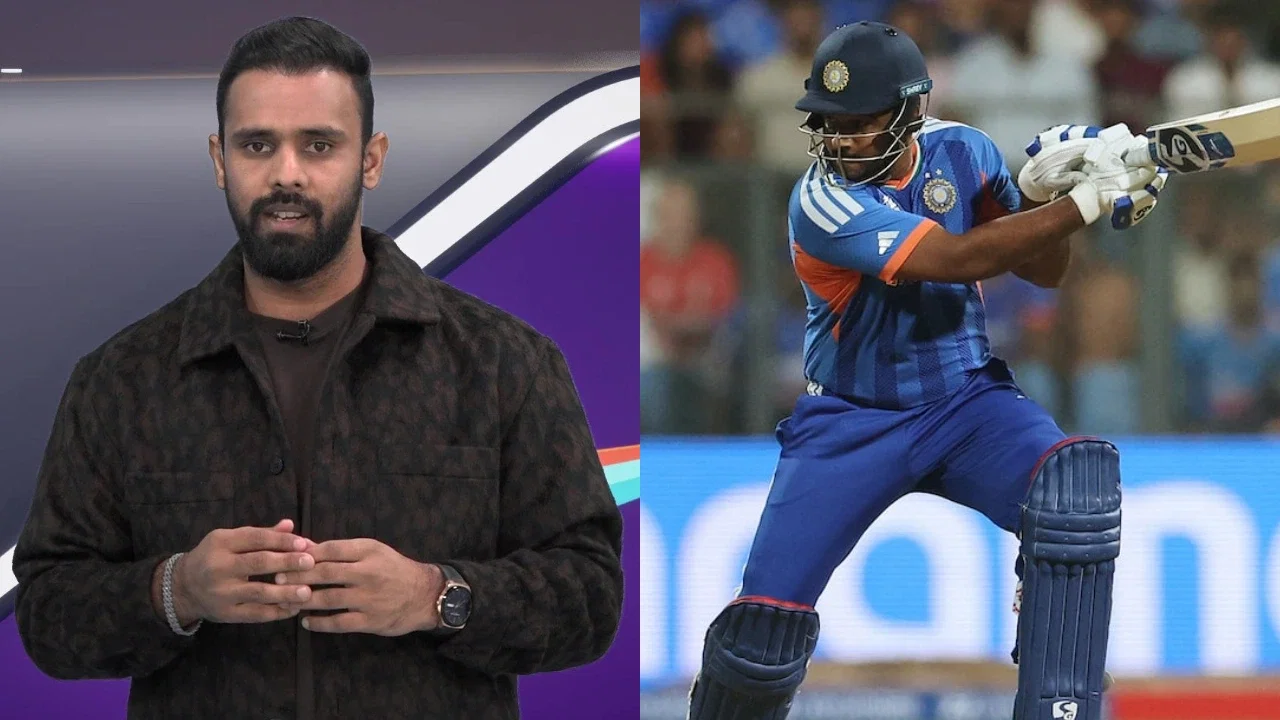
Hanuma Vihari reveals Sanju Samson’s technical flaw after India’s crushing defeat in Hamilton
India A squad for Rising Stars Asia Cup: Rajat Patidar gets leadership, Rinku Singh returns
Kris Srikkanth questions India’s treatment of Vaibhav Sooryavanshi, issues warning to selectors
Vijay Shankar, KS Bharat and Ashwin register for Afghanistan Premier League draft
Marnus Labuschagne’s Test future in danger as Andrew McDonald confirms selection review
Mohammad Amir enters Afghanistan Premier League draft using British citizenship
Adam Gilchrist breaks silence on Australia’s selection blunders after South Africa Test series defeat
Tony de Zorzi returns as South Africa announce squad for Bangladesh Tests
Afghanistan reach career-best sixth place in ICC ODI rankings after overtaking Sri Lanka
Cricket Australia name squads for England series; Pat Cummins, Mitchell Starc and Josh Hazlewood rested
IPL 2027: Prashant Veer, Kartik Sharma’s CSK futures in doubt despite ₹14.2 crore price tag
Watch: Rashid Khan and Ryan Burl involved in lengthy and heated altercation in AFG vs ZIM 3rd T20I

