Afghanistan Premier League in trouble? ICC approval and ECB concerns put English players in doubt
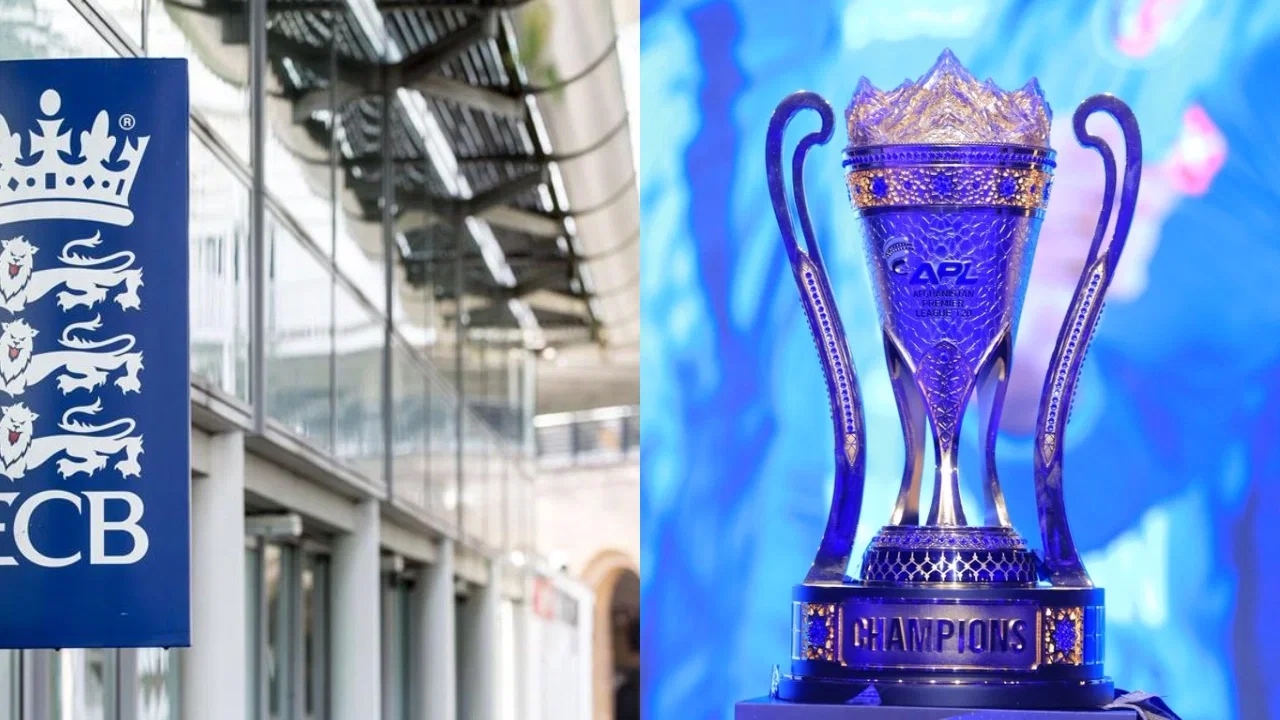
England Players’ Afghanistan Premier League Participation in Doubt as ICC Approval Remains Pending
The proposed inaugural Afghanistan Premier League (APL) has attracted attention with a draft featuring several well-known international cricketers. England players Moeen Ali and Alex Hales are among eight English names reportedly selected, but their participation is far from confirmed. The league has yet to receive approval from the International Cricket Council (ICC), while questions over franchise ownership, player welfare and the political situation in Afghanistan have added to the uncertainty.
The developments place the players, the England and Wales Cricket Board (ECB) and tournament organisers in a difficult position. Even if players receive permission from their national board, they cannot take part in an event that lacks the necessary ICC sanction. For supporters, the central prediction is that the league’s future—and the availability of its overseas recruits—will depend on whether organisers can resolve regulatory and ethical concerns in time.
Eight English Cricketers Reportedly Selected in the APL Draft
According to reports, eight England players were picked during the APL player draft held earlier this week. Alongside Moeen Ali and Alex Hales, the group includes Joe Clarke, Tymal Mills, Olly Stone, Luke Wood, Tom Moores and Chris Wood.
The selections would give the new competition a strong English presence, with players bringing experience across international, domestic and franchise cricket. Moeen and Hales, in particular, are familiar names on the global T20 circuit. Their involvement could help the APL attract viewers and build credibility, provided the tournament receives formal approval.
None of the eight players currently holds a central contract with the ECB. That distinction may affect the board’s contractual relationship with them, but it does not settle whether they can participate. A No-Objection Certificate (NOC), where required, would be only one part of the process; ICC approval for the competition remains a separate and essential requirement.
ICC Review Focuses on Governance and Safeguards
The ICC has not yet sanctioned the APL. Its review is understood to include key operational safeguards, such as anti-corruption and anti-doping arrangements. These systems are particularly important for a new franchise competition seeking to recruit players from established international leagues.
Questions have also been raised about the ownership of all five proposed franchises. Reports indicate that only three teams have been sold so far, while Team Paktia and Team Balkh were assigned temporary names during the draft. Under ICC rules, the relevant national cricket board—in this case, the Afghanistan Cricket Board (ACB)—must provide complete information about franchise owners as part of the approval process.
Until those details are clarified and the ICC completes its checks, the league’s status remains uncertain. An announcement of player selections should therefore not be treated as confirmation that the tournament will proceed with its proposed line-up. Organisers may need to demonstrate that ownership arrangements are transparent and that the competition can meet the standards expected of an internationally recognised event.
ECB NOCs and the Debate Over Players’ Participation
The ECB’s position is complicated by both professional and ethical considerations. The board has expressed concern about the Taliban government’s restrictions on women and girls in Afghanistan and has declined to play bilateral cricket against the country under the current circumstances.
At the same time, the ECB may face questions about limiting the professional opportunities of players who are not centrally contracted. Reports suggest it could be reluctant to refuse NOCs if doing so created legal concerns. Any decision, however, would not override the ICC’s authority: players’ participation would still depend on the league receiving official sanction and meeting the relevant requirements.
This distinction is important for fans following the APL. A player may be selected in a draft, and may even receive permission from a domestic board, without being cleared to compete. The prediction for now is that the NOC question will remain secondary until the ICC’s review produces a clear outcome.
Political and Ethical Concerns Put Players Under Pressure
The debate has extended beyond cricket administration. England players who join the tournament could face criticism because of Afghanistan’s political environment and the restrictions placed on women and girls. United Nations experts have described the situation as gender apartheid, intensifying calls for sporting organisations and individual athletes to consider the wider consequences of participation.
ECB managing director Rob Key has previously urged players to think carefully about taking part in the APL and said he would not personally participate because of the treatment of women in Afghanistan. The ECB has also maintained its refusal to play bilateral matches against Afghanistan while the restrictions remain in place.
Several players reportedly withdrew their names before the draft following criticism of their potential involvement. Ollie Pope, Will Smeed and David Willey were among those who stepped back, illustrating how public scrutiny can shape decisions even before a tournament is formally approved.
Labour MP Tonia Antoniazzi, who previously called for England to boycott a Champions Trophy match against Afghanistan, has also urged players to consider the implications of joining the league. Cricket Scotland is expected to take an approach similar to the ECB’s, although its position and any guidance to players will depend on the circumstances and the tournament’s status.
What Happens Next for the Afghanistan Premier League?
The APL’s immediate challenge is to secure ICC approval by satisfying governance and integrity requirements, including providing complete information about franchise ownership. The organisers must also address concerns that could affect the confidence of players, boards, sponsors and supporters.
For the English players named in the draft, the next steps are likely to involve waiting for the ICC’s decision and clarifying the position on NOCs. Their eventual participation may depend not only on formal clearance but also on how they weigh professional opportunities against the ethical criticism surrounding the event.
The APL has generated significant interest by attracting prominent names, but a high-profile draft alone cannot guarantee a successful launch. Until the ICC completes its review and the outstanding questions are resolved, the league’s schedule and final player list remain uncertain. The key prediction is that the tournament’s credibility will rest on transparent governance, robust safeguards and a clear response to the concerns raised by cricket authorities and the public.
Latest News
IPL likely to continue Impact Player rule for 2027 after franchises raise concerns
Greg Chappell reveals what Marnus Labuschagne must do to regain form
Afghanistan Premier League in trouble? ICC approval and ECB concerns put English players in doubt
‘Hardik Pandya was cornered at MI’: Ambati Rayudu’s bold claim
Oman secure direct qualification for 2027 World Cup Qualifier; joins USA, Scotland and Netherlands
Rashid Khan’s Test comeback update arrives
Virat Kohli reveals his favourite innings on 38th Birthday
Mumbai Indians retained players list 2027: Predicted retentions ahead of IPL auction
Pakistan players’ participation in Abu Dhabi T10 in doubt as PCB demands $10,000 per player for NOCs
Chennai Super Kings retained players list 2027: Predicted retentions ahead of IPL auction
Gurnoor Brar opens up on war of words with Blair Tickner during IND vs NZ 1st ODI
Royal Challengers Bengaluru retained players list 2027: Predicted retentions ahead of IPL auction
Suryakumar Yadav emerges as Mumbai’s captaincy choice for Syed Mushtaq Ali Trophy 2026-27
AFG vs ZIM Playing 11 Today, Live Streaming, Pitch & Weather: Afghanistan vs Zimbabwe 1st Test 2026