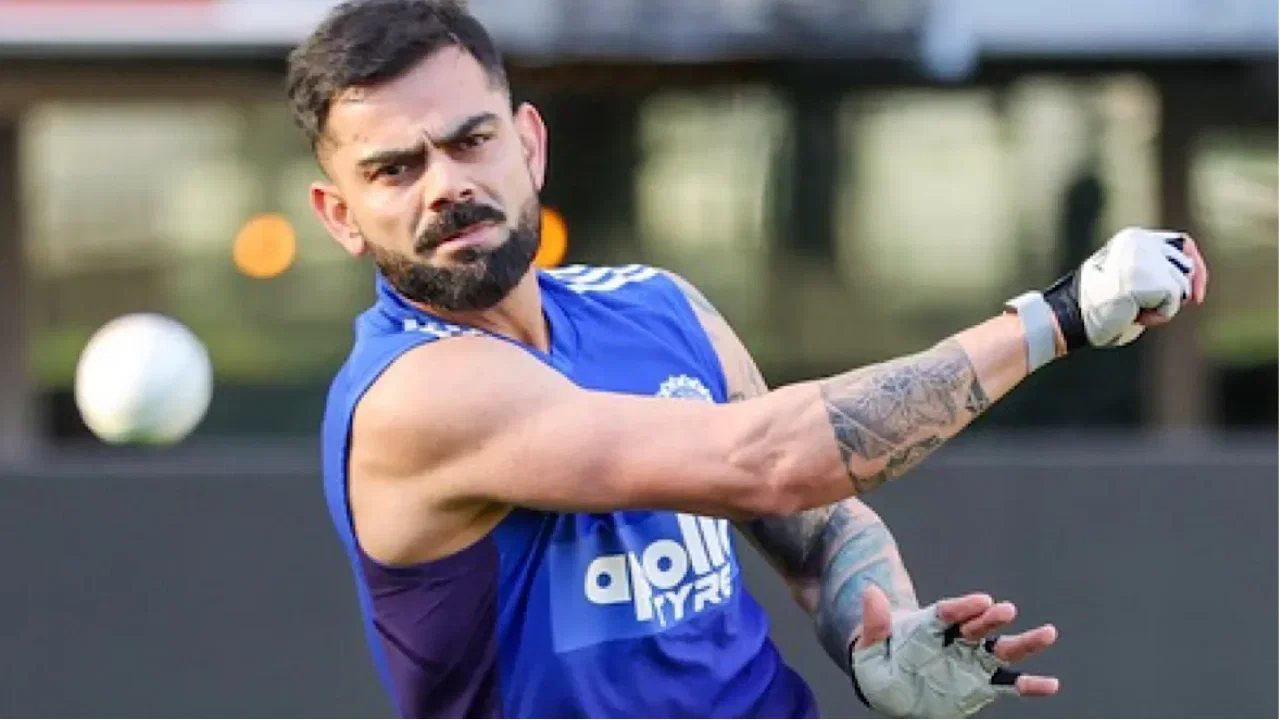
Pakistan players’ participation in Abu Dhabi T10 in doubt as PCB demands $10,000 per player for NOCs
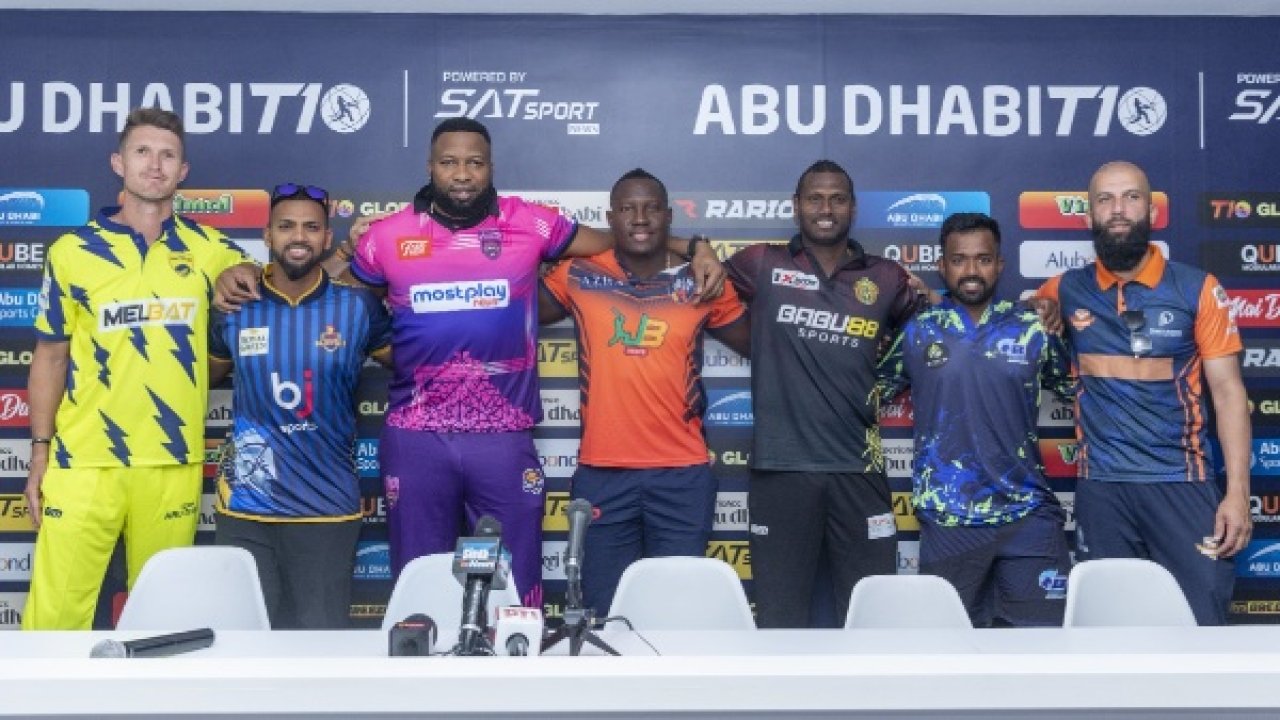
PCB’s $10,000 NOC Demand Puts Pakistani Players’ Abu Dhabi T10 Participation at Risk
The Pakistan Cricket Board’s reported demand for a payment of $10,000 for each player has thrown the participation of Pakistani cricketers in the upcoming Abu Dhabi T10 League into doubt. With the tournament scheduled to begin on November 7, franchises now face a difficult choice: meet the unexpected cost or find replacement players at short notice.
The issue has emerged just weeks after the league’s player draft, where 16 Pakistan players were selected by five of the six franchises. Organisers reportedly sought No-Objection Certificates (NOCs) from the PCB soon after the draft. However, the board is said to have communicated its financial demand only at the start of this week, leaving teams with limited time to respond.
Late NOC demand creates pressure for franchises
An NOC is the formal clearance a player needs from their national cricket board to take part in an overseas league. Such approvals help boards manage player availability, workload and national commitments. But when conditions are introduced close to a tournament’s start, they can also create significant logistical and financial uncertainty for players and team owners.
In this case, the reported $10,000 charge per player could add up quickly. If all 16 selected Pakistanis require clearance, the potential total would reach $160,000. That is a substantial extra expense for franchises, particularly when player budgets and squad plans were likely settled during the draft.
Teams are reportedly exploring their options, including whether to pay the additional amount or bring in replacements. The timing makes the latter option especially challenging: replacement players must be available, meet league requirements and fit into a team’s strategy with only days remaining before the competition begins.
Some players may contribute to the fee
Reports suggest that some Pakistani players are willing to pay the NOC charge from their own salaries if their franchises decline to cover it. That possibility highlights how important the opportunity may be to players seeking experience, income and exposure in a fast-paced international competition.
However, a player-funded solution could raise further questions about how overseas participation costs are handled. It may also create different outcomes for players depending on their contracts and financial circumstances. Discussions have reportedly taken place, but the uncertainty has already prompted some teams to consider alternative signings.
A recurring issue for Pakistani players in overseas leagues
The Abu Dhabi T10 dispute is not the first recent case in which the PCB has reportedly attached a fee to NOC approval. Last month, the board was said to have sought $25,000 per player for participation in the Nepal Premier League. While Hussain Talat and Jahandad Khan continued playing, most Pakistani players returned without taking part in the tournament.
These episodes reflect a broader challenge facing cricket boards and franchise leagues: balancing players’ opportunities in global competitions with national scheduling, workload management and the commercial interests of domestic tournaments. For players, overseas leagues can provide valuable match practice and earnings. For boards, however, frequent participation can complicate preparation for international fixtures and increase the risk of fatigue or injury.
The PCB has also previously raised concerns about whether overseas leagues provide sufficient opportunities for players from Pakistan’s own competitions, including the Pakistan Super League (PSL). That debate has contributed to changing approaches to NOC approvals over the years, leaving players and franchises seeking clearer, more predictable rules.
How the PCB’s revised NOC categories may affect players
The board’s reported NOC framework under its newer central-contract structure divides players into categories based on their formats and roles. Under the described system, Track C players, identified as T20 specialists, may be eligible for multiple T20 and T10 leagues, provided they remain available for national duty.
Track AB players, who play red-ball and one-day cricket, are reportedly permitted to take part in one overseas league. Track BC players, described as white-ball specialists, may be allowed to play in two leagues each year. By contrast, Track A red-ball specialists are reportedly restricted from participating in overseas T20 or T10 competitions.
These categories appear to represent a shift from the earlier “PSL plus two” approach, under which centrally contracted players could participate in the PSL and two additional overseas leagues. Yet the practical effect of the revised policy remains difficult to assess because the PCB has not publicly announced the latest central-contract details, including the precise placement of individual players.
That lack of clarity may be contributing to the current uncertainty. A transparent policy published well in advance could help players understand their eligibility, allow leagues to plan their squads and reduce the chance of disputes emerging just before a tournament.
Which Pakistan players were selected for Abu Dhabi T10?
The 16 Pakistani players selected in the draft were distributed across five franchises:
- Arabian Aces: Salman Irshad
- Emirates Eagles: Akif Javed, Hasan Nawaz and Ali Raza
- Royal Desert Champions: Naseem Shah
- UAE Bulls: Shadab Khan, Mohammad Amir, Khawaja Nafay, Khushdil Shah, Azam Khan and Mohammad Wasim Jr.
- United Tigers: Fakhar Zaman, Iftikhar Ahmed, Faheem Ashraf, Sufyan Moqeem and Abbas Afridi
The list includes established international names as well as players looking to strengthen their profiles in a short-format competition. Their eventual availability will depend on the NOC situation and any agreement reached between the PCB, tournament organisers and franchises.
What happens next?
With the Abu Dhabi T10 start date approaching, the immediate priority is finding a solution that gives teams certainty without undermining the PCB’s authority over player availability. The outcome could affect not only this tournament but also how overseas leagues approach future signings of Pakistani cricketers.
For now, the prediction is that franchises will continue to weigh the cost of the requested payments against the disruption of replacing players. If a resolution is not reached quickly, some Pakistan stars could miss the competition despite being selected in the draft. The episode once again underlines the need for early, consistent NOC decisions—especially in a crowded cricket calendar where players, boards and leagues all depend on clear timelines.
Latest News

Kolkata Knight Riders retained players list 2027: Predicted retentions ahead of IPL auction
“Your mom will die”: Azam Khan reveals horrific abuse from Babar Azam fan

Faf du Plessis picks Hardik Pandya as KKR captain, names Rohit Sharma or Jasprit Bumrah for MI

Sachin Tendulkar backs Joe Root to break his all-time Test record, suggests changes for ODIs

CSK and SRH complete blockbuster four-player trade ahead of IPL 2027
Shaun Tait returns to PSL as Lahore Qalandars’ head coach
Irfan Pathan backs Anshul Kamboj for World Cup after standout spell against New Zealand
ICC announces October Player of the Month nominees featuring Marco Jansen and Shai Hope
IPL likely to continue Impact Player rule for 2027 after franchises raise concerns

Greg Chappell reveals what Marnus Labuschagne must do to regain form
Afghanistan Premier League in trouble? ICC approval and ECB concerns put English players in doubt
‘Hardik Pandya was cornered at MI’: Ambati Rayudu’s bold claim
Oman secure direct qualification for 2027 World Cup Qualifier; joins USA, Scotland and Netherlands
Rashid Khan’s Test comeback update arrives