IPL likely to continue Impact Player rule for 2027 after franchises raise concerns
IPL Impact Player Rule Likely to Stay for 2027 as Franchises Shape Auction Plans
The Indian Premier League is expected to retain its Impact Player rule for the 2027 season, despite ongoing criticism from some of India’s leading cricketers. With teams already preparing for the upcoming mini-auction and considering player trades, a late change could disrupt carefully developed squad plans.
According to a report by Hindustan Times, several franchises have told the IPL that removing the rule at this stage would affect their recruitment strategies. The 2027 edition is also set to be the final season before the next mega-auction cycle, adding further importance to roster decisions. For teams planning their next phase, certainty over the playing conditions is a practical priority.
Why franchises want the rule retained
The mini-auction is scheduled for December 16 in Goa, while franchises must submit their final retention and release lists by November 17. Teams can also trade players before the deadline. Their preparations are reportedly based on the expectation that the Impact Player provision will remain in place.
An IPL official told Hindustan Times that changing the regulation so close to the season would come too late for teams to adjust. At least four franchises are understood to have raised concerns with the league, arguing that withdrawing the rule would significantly hamper their plans.
That feedback matters because the Impact Player option influences more than match-day substitutions. It can shape the balance of a squad, the type of players a team targets at auction and the way a captain approaches different stages of a game. A side might select an extra specialist batter or bowler knowing it can bring that player into the contest when conditions suit.
The 2027 season is likely to be a particularly strategic one. As the last campaign before a mega-auction, it gives franchises an opportunity to assess their current combinations before deciding which players to build around. Retaining the rule would allow teams to make those evaluations under familiar conditions.
How the Impact Player rule works
The Board of Control for Cricket in India first trialled the concept in the Syed Mushtaq Ali Trophy during the 2022–23 season before introducing it in the IPL in 2023. Under the rule, a team names its starting XI and five substitutes. One of those substitutes can enter the match as an Impact Player at specified moments, including the start of an innings, the end of an over, after a wicket falls or when a batter retires hurt.
The IPL Governing Council confirmed in September 2024 that the provision would remain in place for the 2025–27 cycle. That decision gave teams a defined period in which to plan around the format. The latest expectation is that the rule will continue through 2027, although the debate over its long-term future is unlikely to disappear.
Some franchises have used the extra flexibility to reinforce their batting depth. Sunrisers Hyderabad, for example, have assembled an aggressive line-up that can benefit from having another specialist batter available. Other teams may use the option to bring on an additional bowler when defending a total or to strengthen their batting during a chase. The best choice can change with the pitch, the score and the match situation.
Why players have questioned the regulation
Criticism has focused largely on the effect the rule may have on genuine all-rounders. Former India captain Rohit Sharma has said he is “not a big fan” of the provision, while Virat Kohli, Hardik Pandya, Axar Patel and Shubman Gill have also expressed concerns about its impact on the game.
When a team can add a specialist batter or bowler after the toss, captains may have less incentive to rely on a developing all-rounder to contribute in both disciplines. Players such as Shivam Dube, Naman Dhir and Suryansh Shedge need regular opportunities to bowl as well as bat if they are to grow into dependable all-round options. Yet, in high-pressure games, teams may favour a proven specialist over giving a player a chance to develop a second skill.
Conditions can intensify that decision. On flat pitches, at grounds with short boundaries or in matches where the result could affect a team’s playoff prospects, captains are often reluctant to experiment. The rule may therefore improve tactical flexibility while narrowing the space for certain players to take on broader responsibilities.
Critics also argue that the provision can influence the balance between bat and ball. If teams can add batting power without making an equivalent compromise elsewhere, bowlers may face greater pressure, particularly in contests already shaped by small boundaries and favourable batting conditions.
Injured players and the entertainment factor
The rule’s supporters point to its practical benefits, including the ability to keep an injured player involved in a limited role. During IPL 2026, Rohit Sharma missed five matches with a hamstring injury before returning as an Impact Player and contributing as a batter. The option can give teams a way to use a player’s available skills without requiring them to complete every aspect of the game.
Speculation around MS Dhoni’s possible return for Chennai Super Kings as an Impact Player also attracted attention during the 2026 season. Such storylines highlight the rule’s appeal to supporters: it can create late changes to a line-up and keep high-profile players in contention even when fitness concerns limit their participation.
There is also a commercial dimension. High-scoring games, big hitting and dramatic chases are central to the IPL’s entertainment appeal and can help sustain audience interest. That does not settle the sporting debate, but it helps explain why organisers and franchises may be cautious about removing a rule that has become part of the tournament’s tactical landscape.
What the scoring figures suggest
The rise in 200-plus totals offers one measure of how the IPL’s scoring environment has changed. Across the first 15 seasons, through 2022, teams recorded 133 totals of 200 or more. Since the Impact Player rule was introduced in 2023, the number has risen to 195 across four editions.
Those figures show a clear increase, but they do not prove that the substitution rule alone caused it. Batting depth, changing approaches, pitch conditions, boundary dimensions and evolving power-hitting tactics can all contribute to higher totals. Still, the Impact Player option gives teams another way to extend their batting resources, making it an important part of the discussion around the IPL’s scoring trends.
IPL 2027 prediction: continuity before a major reset
The most likely prediction for IPL 2027 is that the Impact Player rule will remain in place, giving franchises stability ahead of the next mega-auction. Team feedback, existing auction plans and the rule’s confirmed place in the 2025–27 cycle all point toward continuity for the coming season.
That decision would not end calls for reform. Players and coaches are likely to keep debating whether the rule limits all-rounders, places extra pressure on bowlers or changes the balance of T20 cricket. For now, however, franchises appear to favour a familiar framework as they prepare for the mini-auction and the final season before a major squad reset.
Latest News
IPL likely to continue Impact Player rule for 2027 after franchises raise concerns

Greg Chappell reveals what Marnus Labuschagne must do to regain form
Afghanistan Premier League in trouble? ICC approval and ECB concerns put English players in doubt
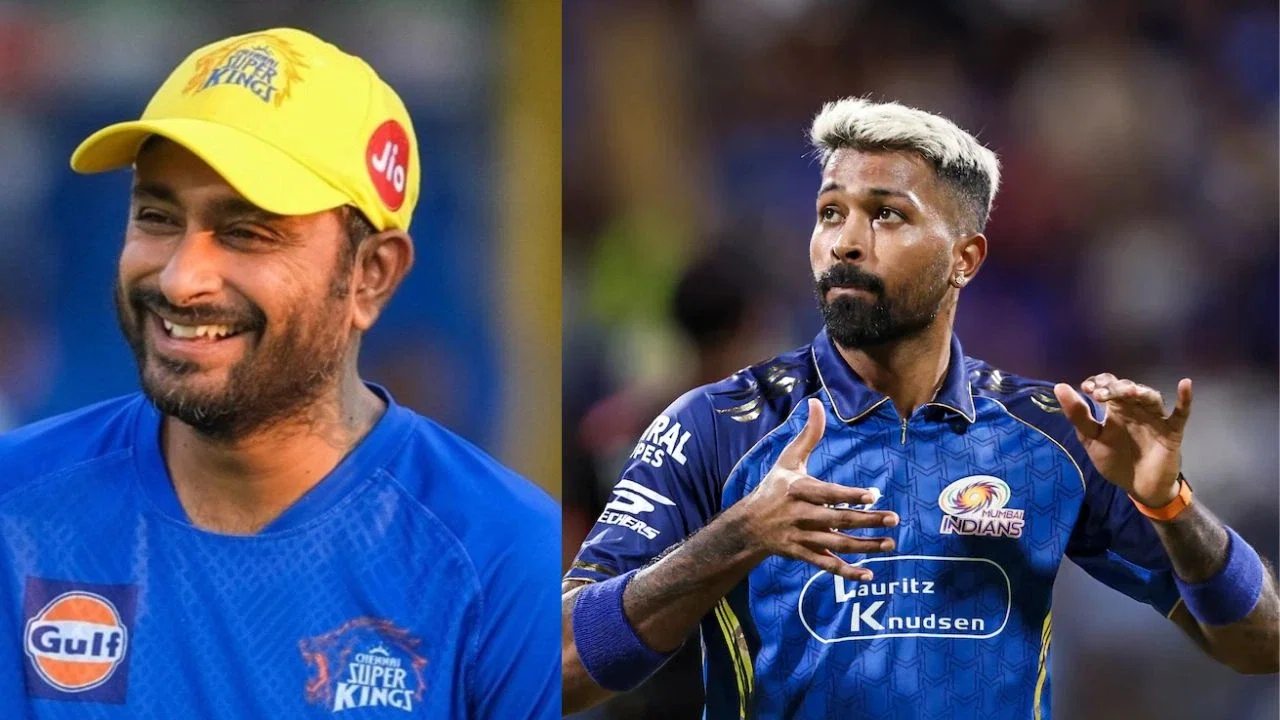
‘Hardik Pandya was cornered at MI’: Ambati Rayudu’s bold claim
Oman secure direct qualification for 2027 World Cup Qualifier; joins USA, Scotland and Netherlands
Rashid Khan’s Test comeback update arrives
Virat Kohli reveals his favourite innings on 38th Birthday
Mumbai Indians retained players list 2027: Predicted retentions ahead of IPL auction
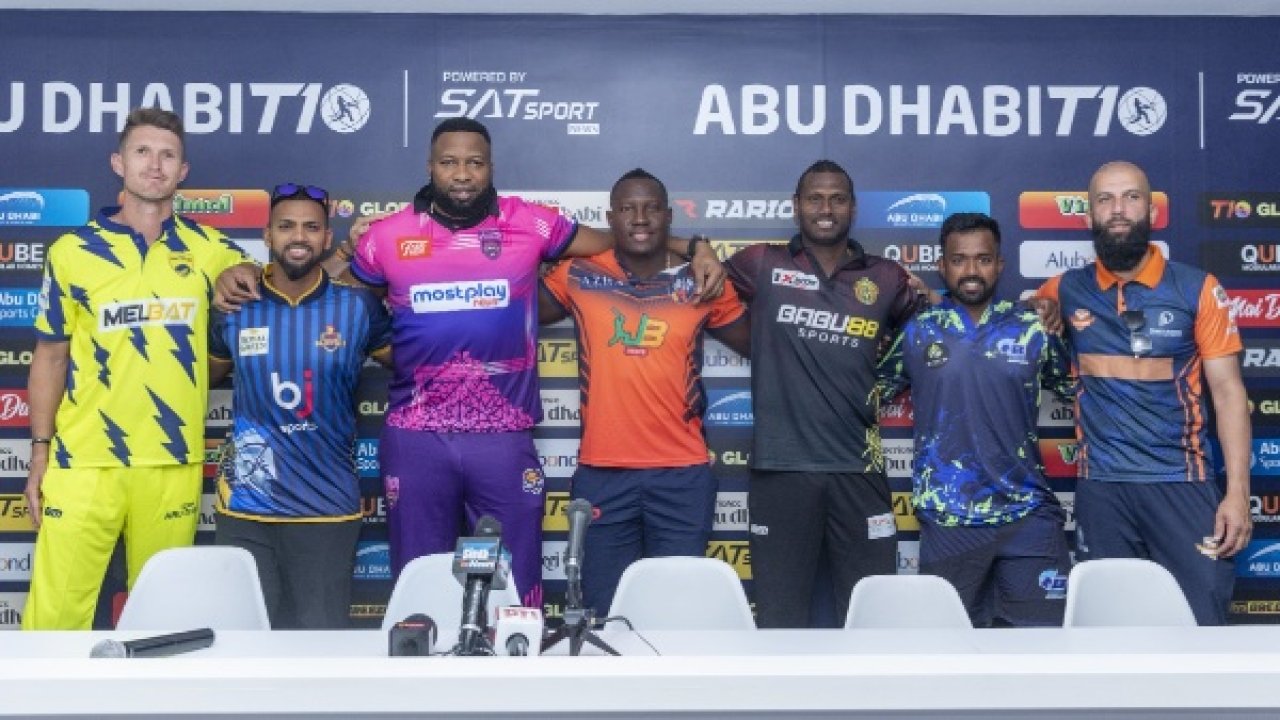
Pakistan players’ participation in Abu Dhabi T10 in doubt as PCB demands $10,000 per player for NOCs
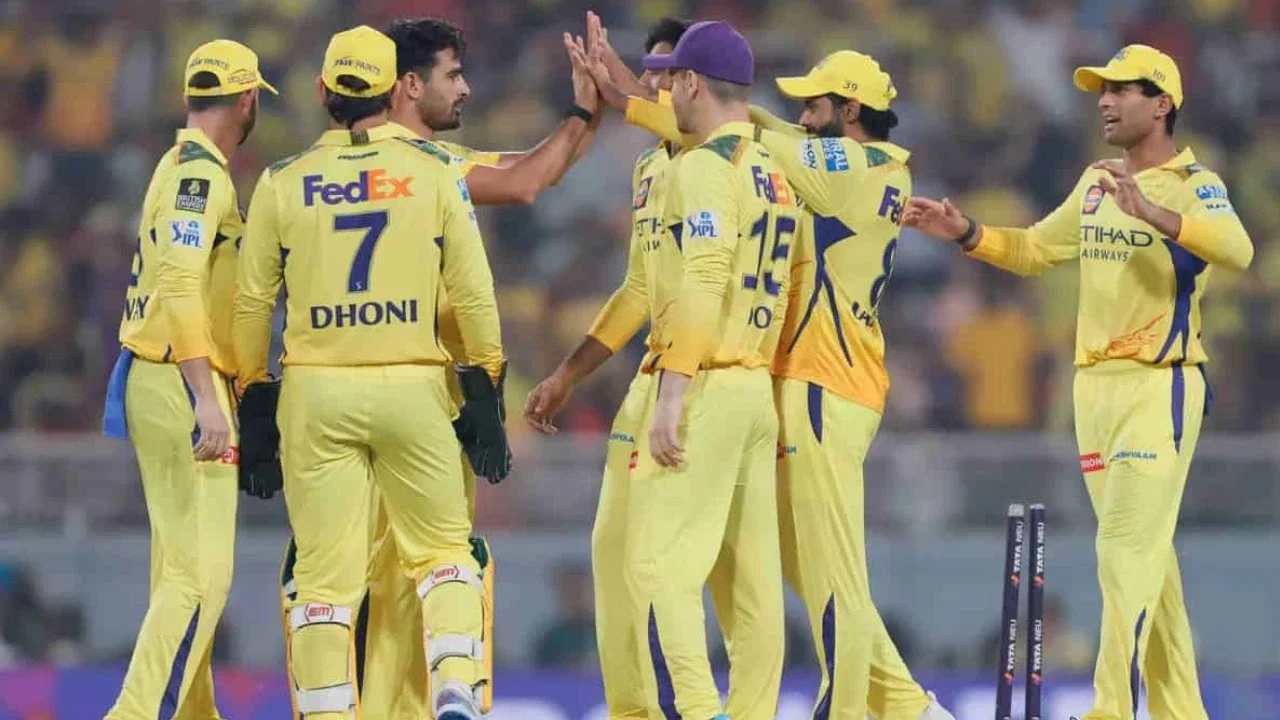
Chennai Super Kings retained players list 2027: Predicted retentions ahead of IPL auction
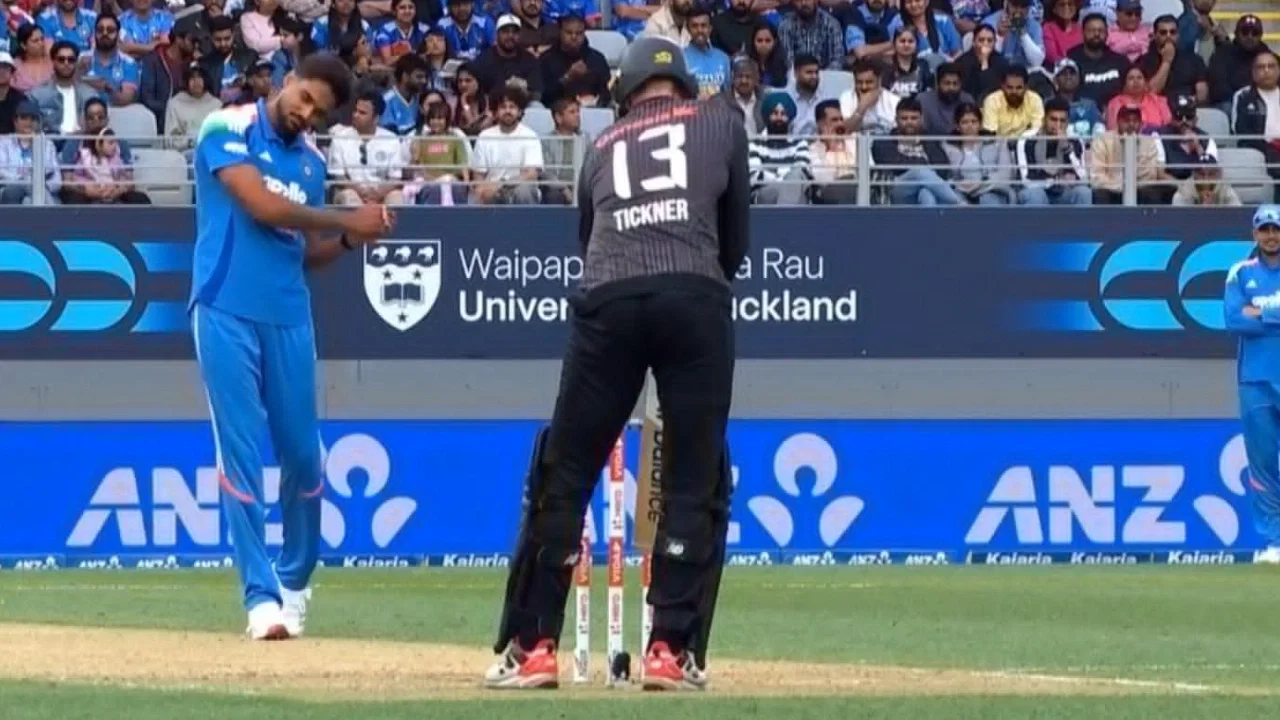
Gurnoor Brar opens up on war of words with Blair Tickner during IND vs NZ 1st ODI
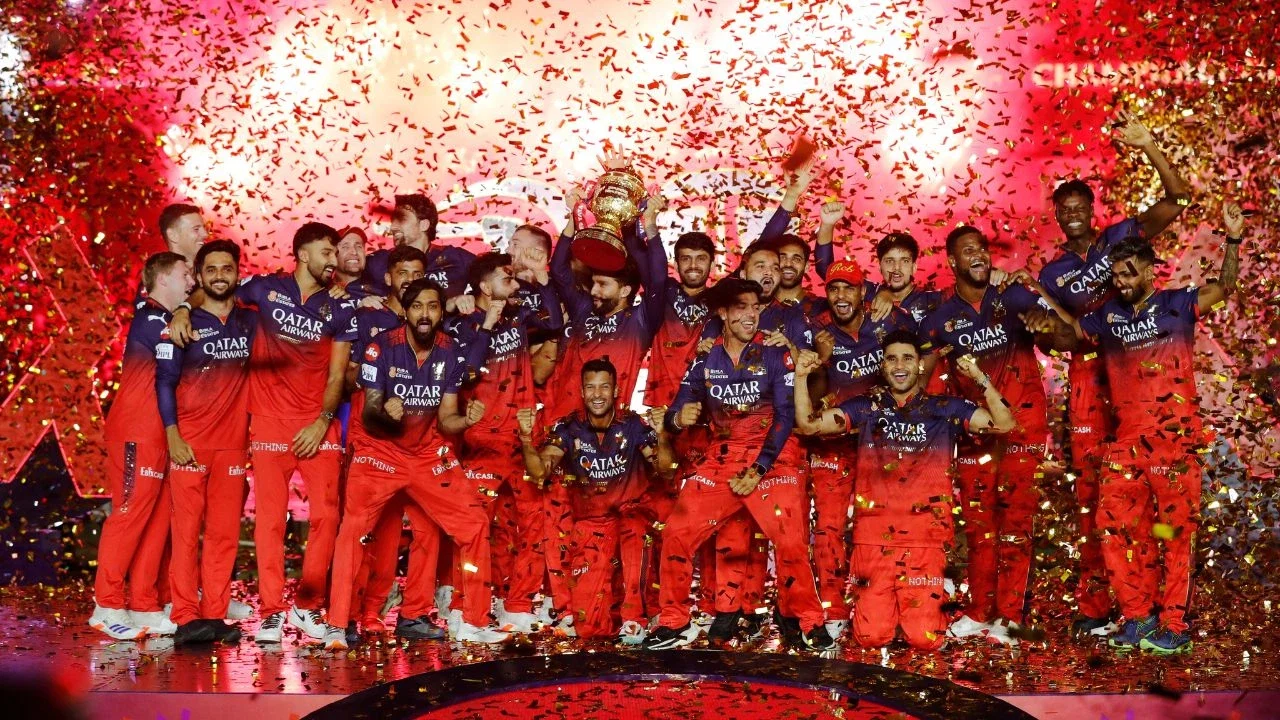
Royal Challengers Bengaluru retained players list 2027: Predicted retentions ahead of IPL auction
Suryakumar Yadav emerges as Mumbai’s captaincy choice for Syed Mushtaq Ali Trophy 2026-27
AFG vs ZIM Playing 11 Today, Live Streaming, Pitch & Weather: Afghanistan vs Zimbabwe 1st Test 2026