Oman secure direct qualification for 2027 World Cup Qualifier; joins USA, Scotland and Netherlands
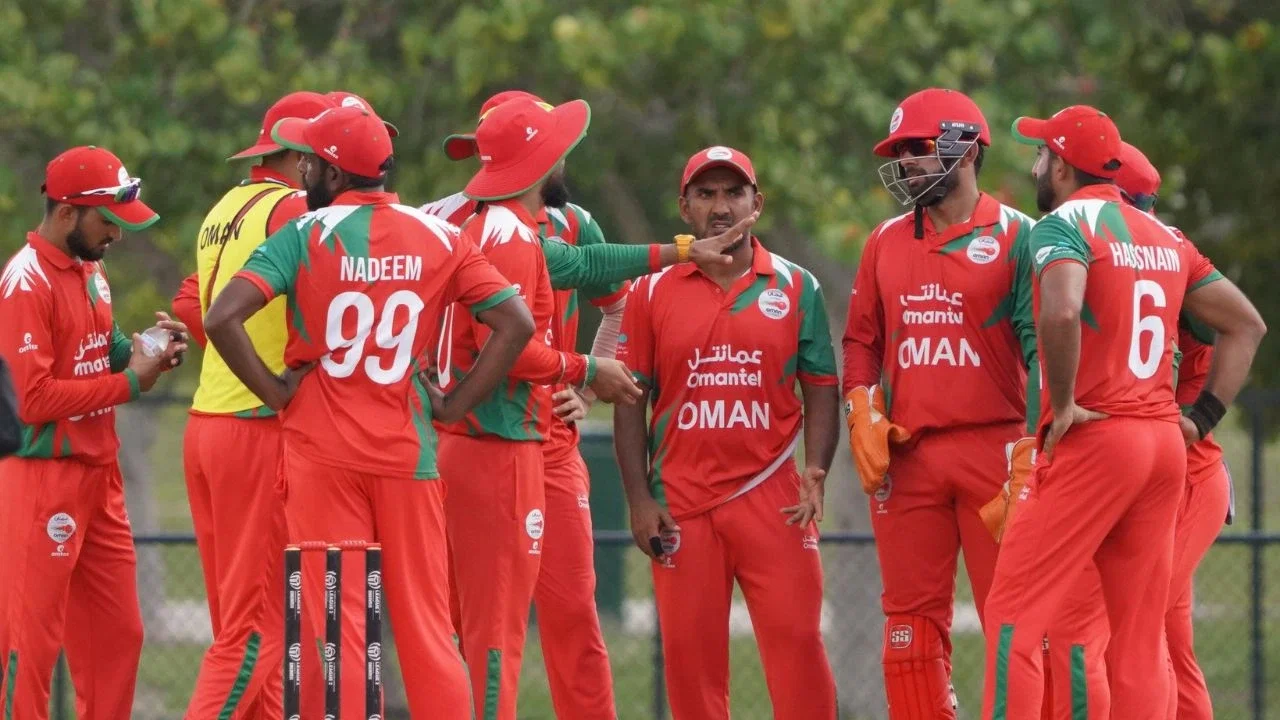
Oman Qualify for 2027 Cricket World Cup Global Qualifier Despite UAE Defeat
Oman have clinched direct qualification for the 2027 ICC Men’s Cricket World Cup Global Qualifier, even though they ended their ICC Men’s Cricket World Cup League 2 campaign with a 42-run loss to the United Arab Emirates in Dubai. Their place was settled by a narrow advantage over Namibia in net run rate, turning a difficult final match into a successful qualification outcome.
Both Oman and Namibia finished the League 2 standings with 33 points. Oman’s net run rate of -0.224 was just better than Namibia’s -0.278, earning Oman fourth place and a direct route to the next stage of the World Cup qualifying process. The result is a significant achievement for a side that had endured a six-match losing streak before its final fixture.
UAE Hold Their Nerve to Beat Oman
Batting first, the UAE made 226 for eight from their allotted overs. Captain Rahul Chopra and Adeeb Usmani each contributed 47, while Basil Hameed added a valuable 43. Their efforts helped the hosts build a competitive total, although Oman’s bowlers prevented the innings from gathering even greater momentum.
Left-arm spinner Shakeel Ahmed led Oman’s attack, taking three wickets for 42 runs. His spell helped keep the UAE within reach, leaving Oman with a target of 227—a chase that looked manageable on paper but quickly became difficult in practice.
Oman’s innings began poorly. They lost three wickets for 28 runs, putting immediate pressure on the middle order and forcing the batters to balance recovery with the need to maintain a scoring rate. Mujibur Ali produced the innings’ most determined response, scoring 65, but the UAE bowlers kept taking wickets and limited Oman’s partnerships.
Oman eventually finished on 184 for nine, falling 42 runs short. The defeat did not cost them qualification: before the match, they needed to avoid losing by more than 130 runs to retain their position ahead of Namibia. Their margin of defeat was comfortably inside that threshold, and the final standings confirmed their place in the Global Qualifier.
Net Run Rate Decides a Tight Race with Namibia
The battle for fourth place underlined how important every run and wicket can be in a long qualification campaign. Oman and Namibia ended level on points, so net run rate—the difference between a team’s scoring rate and the rate at which it concedes runs—became the deciding factor.
Namibia had made an impressive start, winning four of their first five League 2 matches. Their form then dipped sharply: they lost 16 of their next 18 one-day internationals before recovering with four wins in their final six games. That late improvement kept them in contention, but it was not enough to overcome Oman’s small NRR advantage.
For Oman, qualification represents a reward for the consistency they had built earlier in the competition. Their late losing run made the closing stage tense, but the points gathered across the wider League 2 schedule proved decisive. The result also offers a reminder that teams cannot rely only on winning their final matches: protecting net run rate throughout a campaign can be just as important.
Oman Join USA, Scotland and the Netherlands
The United States topped the League 2 table with 49 points, recording 24 wins. Scotland finished second on 45 points, with 19 victories, while the Netherlands claimed third place with 44 points and 20 wins. Oman completed the four-team group advancing directly to the Global Qualifier.
Namibia finished fifth, followed by Nepal in sixth with 30 points. Canada placed seventh on 29 points, and the UAE ended eighth with 25. Those four teams will now have to take another route if they are to remain in contention for a place at the 2027 World Cup.
Namibia, Nepal, Canada and the UAE will compete in the eight-team Qualifier Playoff. They will be joined by Jersey and Kuwait, who advanced from Challenge League A, and Italy and Uganda, who progressed from Challenge League B. The top four sides at the playoff will earn the remaining places in the 10-team Global Qualifier.
Global Qualifier Offers the Final Route to the World Cup
The Global Qualifier will bring together Oman, the USA, Scotland and the Netherlands, alongside the four playoff qualifiers and established international teams, including the West Indies and Ireland. It is scheduled to take place from February 26 to March 21, 2027, and will determine the final four teams in the 14-team World Cup field.
The tournament’s format gives teams more than one route to qualification, but the finishing positions will carry major consequences. The Global Qualifier winner will move directly into the World Cup’s 12-team group stage, avoiding the preliminary round. The teams finishing second, third and fourth will also qualify, but will enter the preliminary stage as the 12th, 13th and 14th seeds, respectively.
That structure means the Global Qualifier will be about more than simply securing a World Cup place. Teams will also be competing for the strongest possible seeding and a more favourable path through the tournament. For Oman, the immediate challenge is to build on their League 2 qualification and prepare for a sharper level of competition against sides with varied international experience.
What Oman’s Qualification Means for 2027
The 2027 Men’s ODI World Cup will be hosted by South Africa, Zimbabwe and Namibia from October 2 to November 21. The 14-team event is scheduled to feature 57 matches across 12 venues, expanding the opportunity for emerging cricket nations to reach the sport’s biggest one-day international tournament.
Oman’s qualification prediction now shifts from whether they will reach the Global Qualifier to how far they can progress once they arrive. Their League 2 campaign showed both resilience and vulnerability: a late run of defeats created pressure, but earlier results and a stronger net run rate kept their World Cup hopes alive.
The UAE, meanwhile, can take confidence from finishing their campaign with a home victory, even though they will need to continue through the playoff route. With four Global Qualifier places still available, the next stage promises a competitive contest among teams seeking to turn a second chance into a place at the 2027 World Cup.
Latest News

IPL likely to continue Impact Player rule for 2027 after franchises raise concerns

Greg Chappell reveals what Marnus Labuschagne must do to regain form
Afghanistan Premier League in trouble? ICC approval and ECB concerns put English players in doubt

‘Hardik Pandya was cornered at MI’: Ambati Rayudu’s bold claim
Oman secure direct qualification for 2027 World Cup Qualifier; joins USA, Scotland and Netherlands

Rashid Khan’s Test comeback update arrives

Virat Kohli reveals his favourite innings on 38th Birthday

Mumbai Indians retained players list 2027: Predicted retentions ahead of IPL auction

Pakistan players’ participation in Abu Dhabi T10 in doubt as PCB demands $10,000 per player for NOCs

Chennai Super Kings retained players list 2027: Predicted retentions ahead of IPL auction
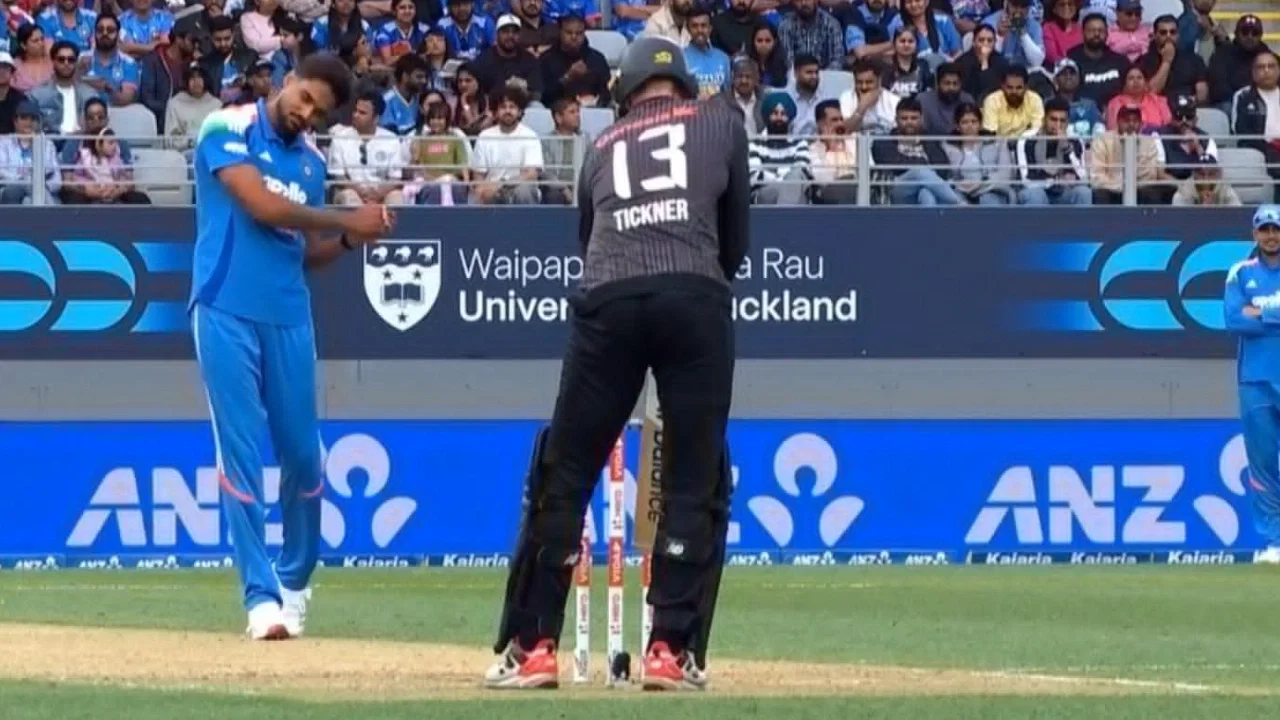
Gurnoor Brar opens up on war of words with Blair Tickner during IND vs NZ 1st ODI

Royal Challengers Bengaluru retained players list 2027: Predicted retentions ahead of IPL auction
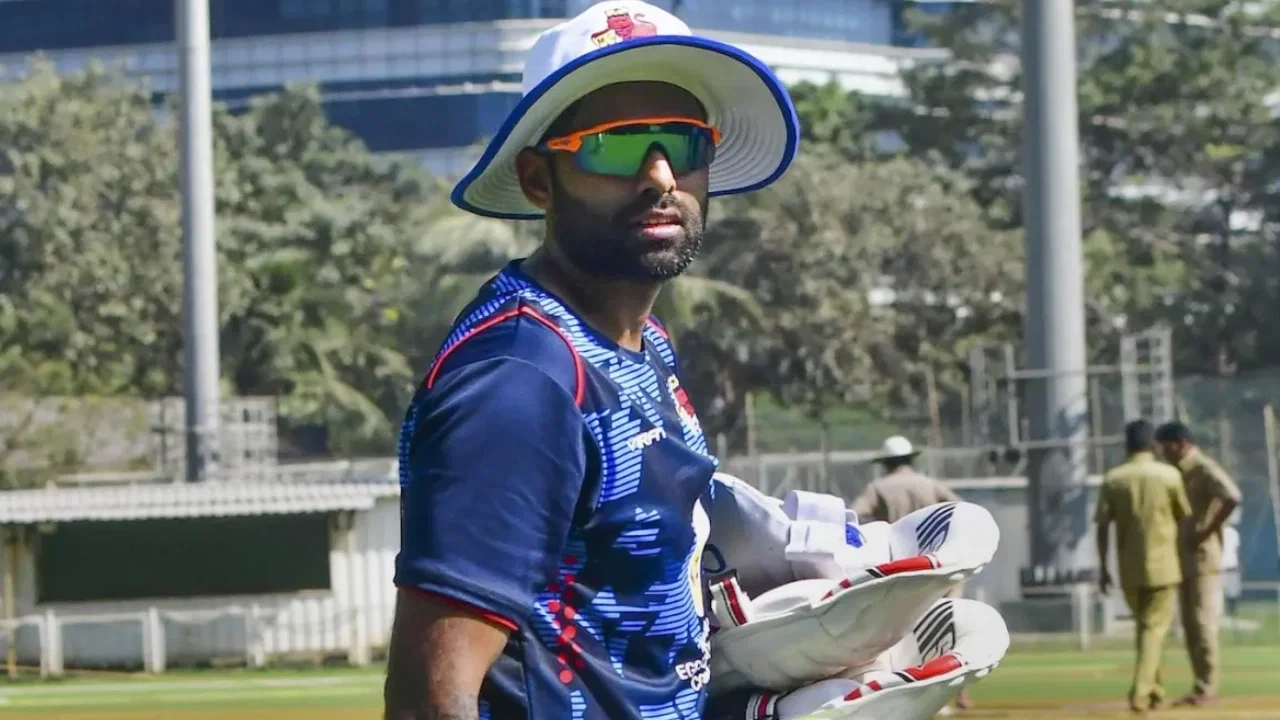
Suryakumar Yadav emerges as Mumbai’s captaincy choice for Syed Mushtaq Ali Trophy 2026-27

AFG vs ZIM Playing 11 Today, Live Streaming, Pitch & Weather: Afghanistan vs Zimbabwe 1st Test 2026