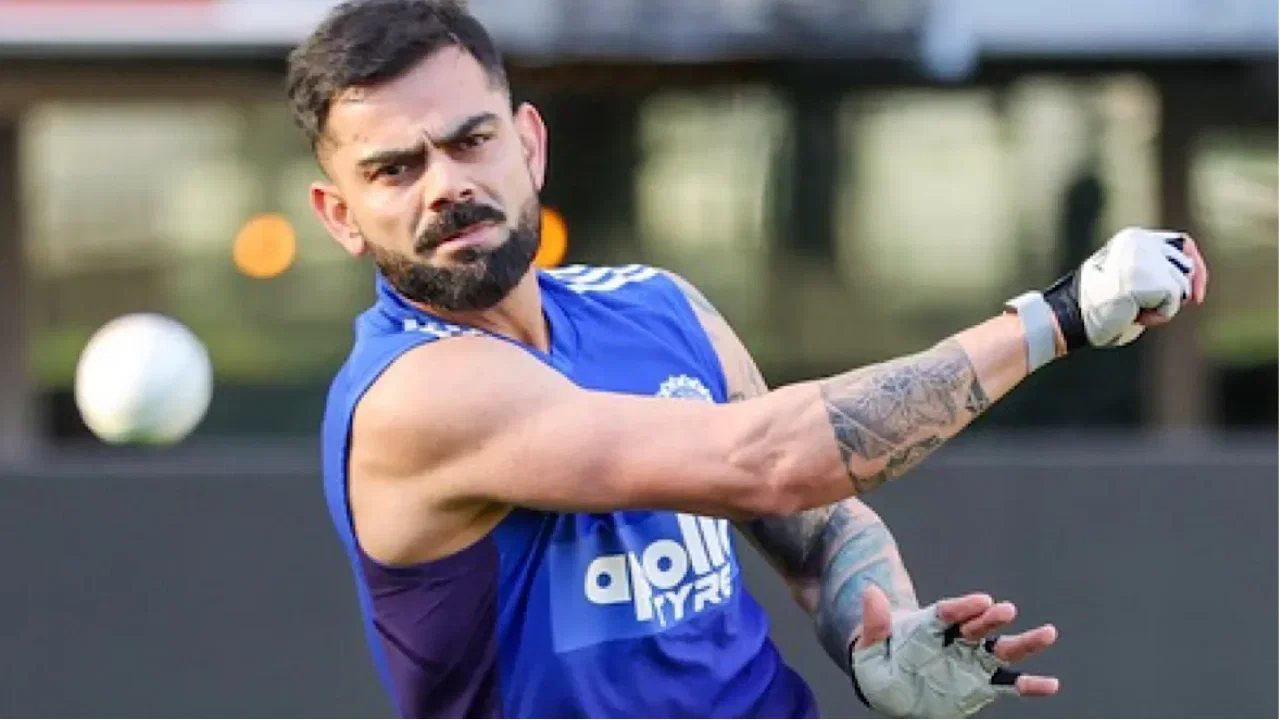
Gurnoor Brar opens up on war of words with Blair Tickner during IND vs NZ 1st ODI
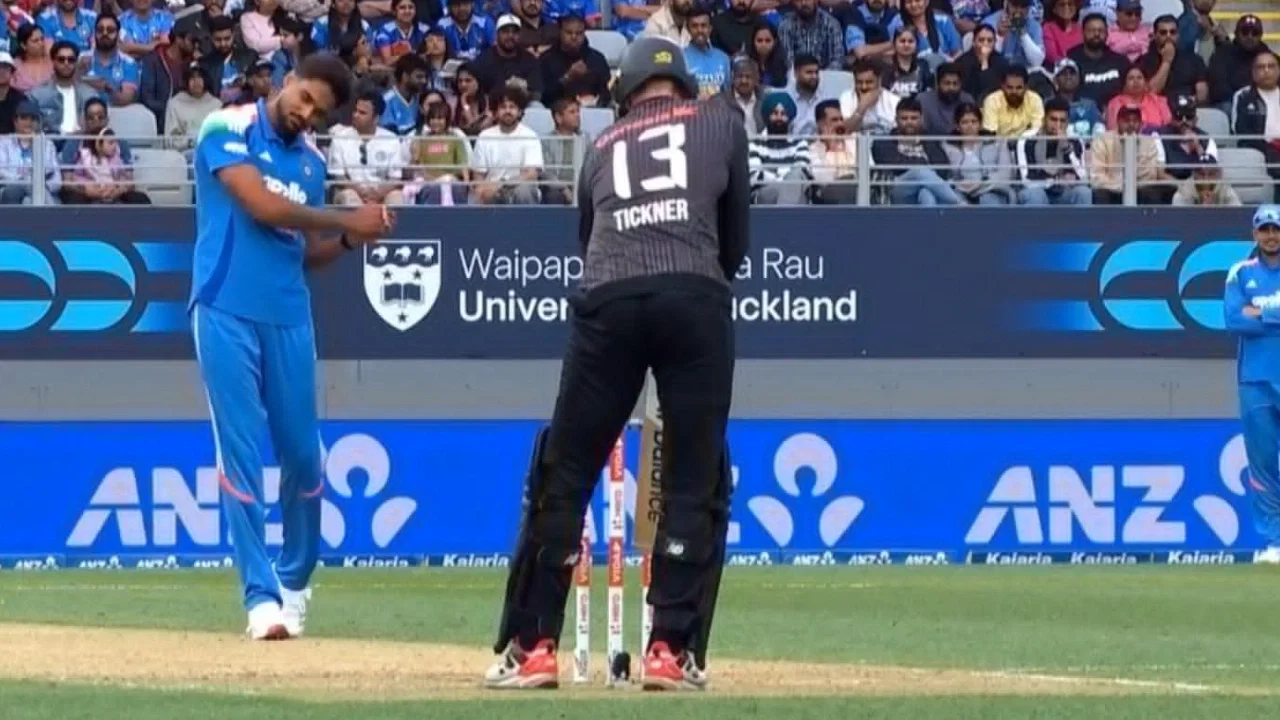
Gurnoor Brar Reveals the Banter Behind Blair Tickner’s Dramatic Dismissal
India fast bowler Gurnoor Brar has shared the story behind one of the most entertaining moments of the first ODI against New Zealand at Eden Park in Auckland. During the closing stages of the home side’s innings, Brar and No. 11 Blair Tickner traded gestures and words in a light-hearted contest that ended with the Indian pacer taking the wicket.
Tickner had already made a lively impression with the bat, launching four sixes in a brisk cameo. He appeared to encourage Brar to bowl a fuller delivery—one he could potentially drive over the boundary. Brar resisted the invitation, stayed with his short-ball plan and eventually had Tickner caught behind by wicketkeeper KL Rahul.
Speaking to former India captain Ajinkya Rahane after the match, Brar explained how the exchange unfolded. His account offered a glimpse of the tactical mind games behind the on-field humour—and how the bowler tried to avoid giving a dangerous lower-order hitter exactly the delivery he wanted.
Tickner’s No. 11 Cameo Gives New Zealand a Late Lift
New Zealand were dismissed for 185 in 40.2 overs after being asked to bat first. Their innings included a spirited contribution from Tickner, who scored 34 from just 23 deliveries. His knock featured one four and four sixes, giving him a strike rate of 147.82 and adding valuable late runs to the total.
Tickner’s position at the bottom of the batting order made the innings especially striking. No. 11 batters rarely have the time or opportunity to build a substantial score, but his clean hitting briefly shifted the momentum and gave the crowd plenty to enjoy. His four sixes also placed him in a select group of players to clear the ropes that often from the final batting position in an ODI innings.
Mohammad Amir hit four sixes against England in 2016, while Naseem Shah matched that number against New Zealand in 2025. Tickner became the third No. 11 batter to reach the mark with his performance against India in 2026.
The Auckland venue added another layer to the milestone. Before Tickner, New Zealand’s Shane Bond had struck three sixes against India at the same ground in 2003. Tickner went one better, making his late assault a notable part of the match’s story as well as an entertaining display of lower-order hitting.
What Brar Said During the On-Field Exchange
The banter began after Tickner attempted to pull a short delivery but failed to make the connection he wanted. Brar gestured towards him, apparently demonstrating how to play the shot. Tickner then pointed towards his stumps, inviting the bowler to attack them.
Brar later said Tickner repeatedly asked him to bowl at the stumps. The New Zealand batter, he believed, was hoping for a full-length delivery that would allow him to swing through the line and target the boundary. Rather than accept the challenge on Tickner’s terms, Brar kept the ball short.
“He was repeatedly telling me to hit the stumps,” Brar explained. “He obviously wanted a full-length ball so that he could hit me for a six down the ground. But I told him, ‘If you have come here to do shadow batting, go and do it in the dressing room, not here.’ Then he kept repeating to hit the stumps. I told him, ‘No, I will get you out from right here,’ and that was that.”
The exchange was playful, but it also reflected a key contest between batter and bowler. Tickner was trying to influence Brar’s length and create a scoring opportunity; Brar’s response was to recognise the plan and refuse to change his approach. The dismissal that followed gave the Indian fast bowler the final word.
Brar’s Three Wickets Help India Control the Innings
Brar finished with three wickets for 44 runs from 9.2 overs, making an important contribution to India’s effort to keep New Zealand below 200. In addition to Tickner, he removed Tim Seifert and captain Tom Latham. Latham was dismissed through a caught-and-bowled effort, underlining Brar’s impact both with the ball in the air and at the end of the innings.
Arshdeep Singh led India’s attack with four wickets, while Anshul Kamboj claimed two. Together, the bowlers limited New Zealand’s scoring options and prevented the lower order’s resistance from turning into a more imposing total. Tickner’s cameo added late energy, but Brar’s control in the final exchange helped bring the innings to a close.
Kohli Guides India to a Five-Wicket Win
India’s chase was interrupted by rain, prompting a revised target of 143 from 32 overs under the Duckworth-Lewis-Stern method. Virat Kohli top-scored with 74 from 51 balls, while Shubman Gill added 37 as India built a steady response to the adjusted target.
India reached 143 for five in 22.4 overs, winning by five wickets with 56 balls remaining. Kamboj received the Player of the Match award for his performance, and the victory gave India a 1-0 lead in the five-match ODI series.
For fans searching for a prediction of what the exchange says about the series ahead, one moment is not enough to forecast the outcome. However, the first ODI offered an early indication that India’s pace attack can combine discipline with confidence under pressure. Brar’s refusal to bowl the delivery Tickner wanted—and his eventual success—was a small but memorable example of how tactical decisions can shape a match.
Tickner’s six-hitting ensured the contest ended with a burst of drama, while Brar’s three-wicket haul helped India secure control. Their brief battle at Eden Park captured the competitive spirit of the match: a little humour between deliveries, a clear contest of plans, and a decisive result when the bowler stuck to his own.
Latest News
Kolkata Knight Riders retained players list 2027: Predicted retentions ahead of IPL auction
“Your mom will die”: Azam Khan reveals horrific abuse from Babar Azam fan
Faf du Plessis picks Hardik Pandya as KKR captain, names Rohit Sharma or Jasprit Bumrah for MI
Sachin Tendulkar backs Joe Root to break his all-time Test record, suggests changes for ODIs
CSK and SRH complete blockbuster four-player trade ahead of IPL 2027
Shaun Tait returns to PSL as Lahore Qalandars’ head coach
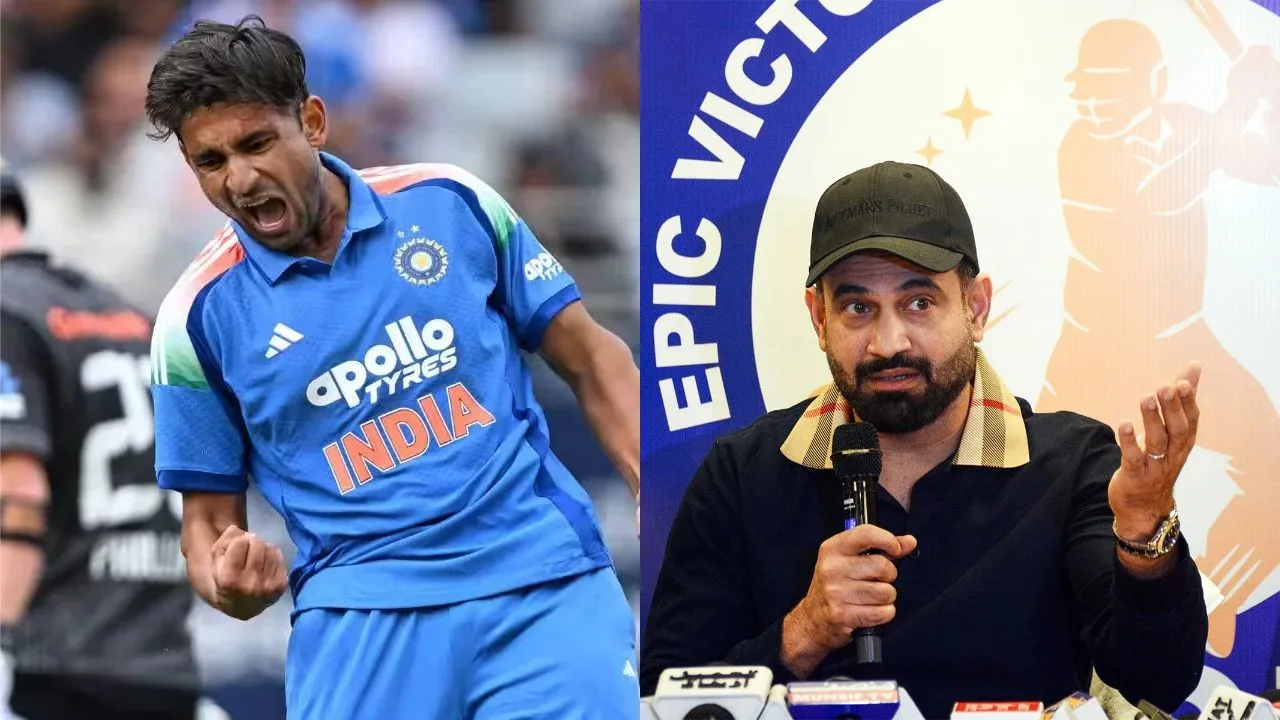
Irfan Pathan backs Anshul Kamboj for World Cup after standout spell against New Zealand
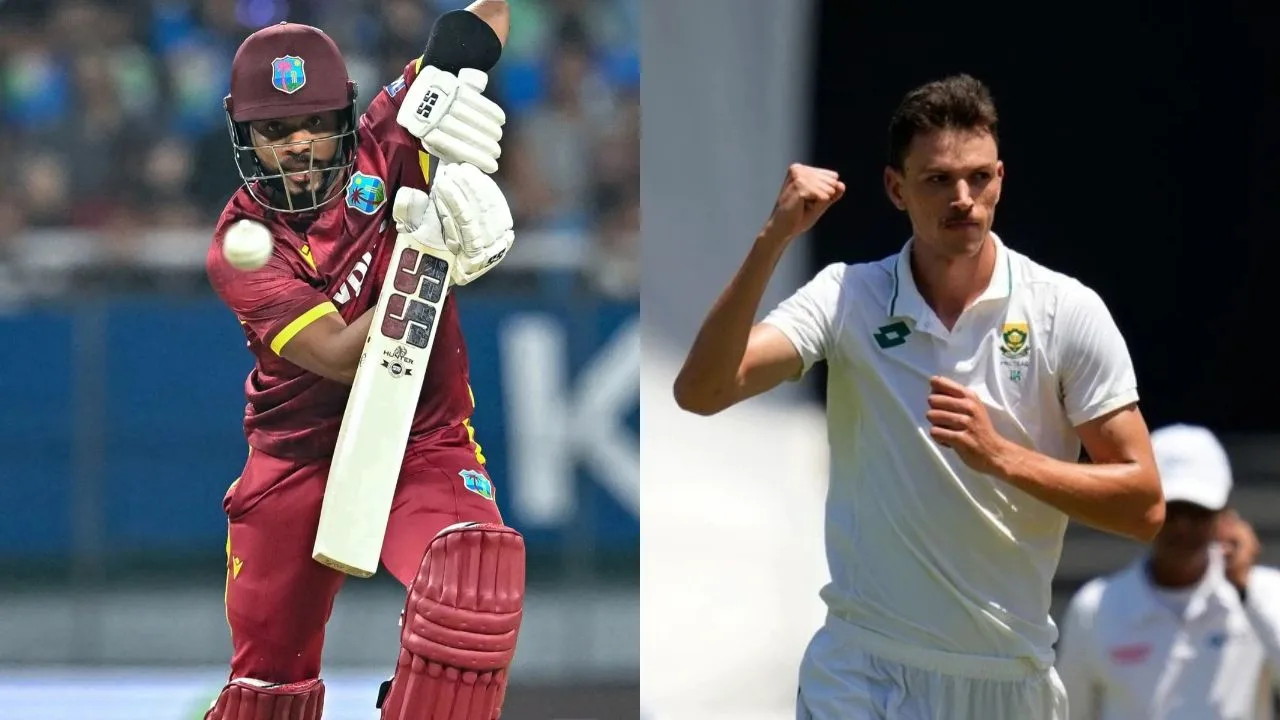
ICC announces October Player of the Month nominees featuring Marco Jansen and Shai Hope
IPL likely to continue Impact Player rule for 2027 after franchises raise concerns
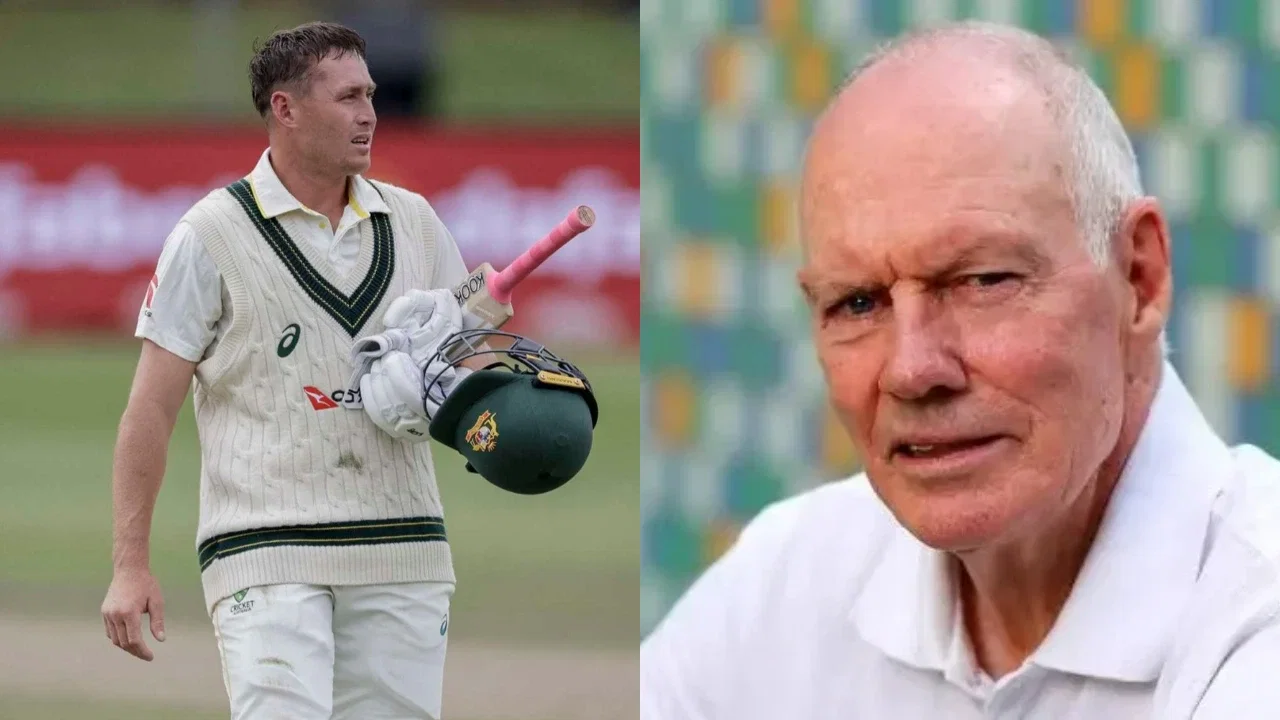
Greg Chappell reveals what Marnus Labuschagne must do to regain form
Afghanistan Premier League in trouble? ICC approval and ECB concerns put English players in doubt
‘Hardik Pandya was cornered at MI’: Ambati Rayudu’s bold claim
Oman secure direct qualification for 2027 World Cup Qualifier; joins USA, Scotland and Netherlands
Rashid Khan’s Test comeback update arrives