Afghanistan U-19 captain in controversy after allegedly bowling beyond his 10-over quota
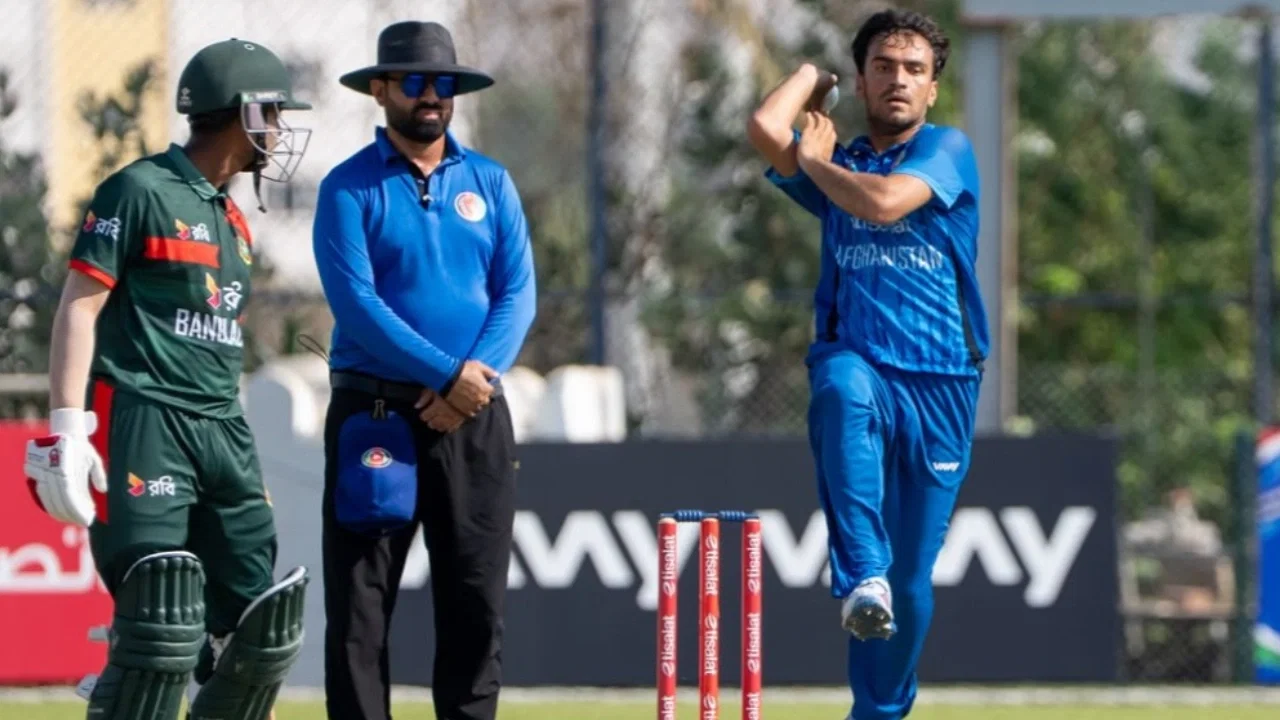
Bangladesh U-19 Raises Over-Limit Complaint After Sohail Khan’s Alleged 11th Over
A disputed over has drawn attention to a Bangladesh-Afghanistan Under-19 one-day match, after Bangladesh officials alleged that Afghanistan captain and fast bowler Sohail Khan bowled an 11th over despite the competition’s 10-over limit per bowler. The claim was referred to match officials after the over had already been completed, leaving the incident to be reviewed rather than stopped during play.
The unusual episode has sparked discussion among cricket followers about bowling limits, scorekeeping and the importance of clear communication between teams and umpires. Bangladesh’s complaint does not, by itself, establish that a rule was breached; the match referee’s review and the available records would be needed to determine exactly how the over was allocated and whether any regulations were violated.
How the alleged extra over came about
According to Bangladesh Under-19 coach Hannan Sarkar, the team believed Sohail had already used his full quota when he began bowling again. Sarkar said Bangladesh staff were monitoring the match through an online scorecard on the team manager’s phone because they did not have access to the official scorer’s information.
Bangladesh’s analyst was also keeping a separate record of the overs bowled. Sarkar said those records indicated that Sohail had completed 10 overs before starting the disputed spell. By the time the Bangladesh camp noticed the apparent discrepancy, the over was underway. The team reportedly brought the matter to the umpires’ attention once it had finished.
The timing is central to the controversy. Had the concern been identified before the first delivery, officials might have been able to clarify who was due to bowl. Instead, Bangladesh says it had to raise the issue after the over had already been completed, complicating any immediate response on the field.
Bangladesh submits a written account and video
Bangladesh officials reportedly discussed the matter with match referee Yasir Latifzai and later included their concerns in the captain’s report. Sarkar said the standard form did not provide a specific section for a detailed account of the alleged over-limit issue, so the team added a separate note.
“We have written about the umpiring decisions in the captain’s report, and added a special note, specifically mentioning the eleven overs in question,” Sarkar said, as quoted by ESPNcricinfo.
Bangladesh also reportedly provided video footage of the over to the referee. The material could help officials compare the sequence of deliveries with the match records and the teams’ own tracking. A video may show who bowled, but the official scorebook and the umpires’ records are also important when determining how the over was formally recorded.
Why the scorecard may have added to the confusion
One detail in Bangladesh’s account is that another Afghanistan bowler had initially appeared to be preparing to deliver the over. Sarkar said that bowler handed his cap to the umpire before Sohail came forward to bowl. Bangladesh further claimed that the over was credited to the first bowler on the scoreboard, rather than to Sohail.
If accurate, that discrepancy could explain why the online scorecard did not immediately reflect the sequence Bangladesh says it witnessed. It also illustrates why live digital scorecards, while useful for teams and fans, are not always a substitute for the official record maintained by match officials. Updates can be delayed, corrected or entered under the wrong player, particularly during a fast-moving match.
At the same time, the reported scorecard entry does not independently prove what happened. The referee would need to consider the official scoring information, the umpire’s account, video evidence and any other relevant documentation before reaching a conclusion.
What the allegation could mean for the match
In limited-overs cricket, bowling restrictions are designed to distribute the workload and prevent one player from dominating the innings beyond the permitted share. In a 50-over match, a 10-over cap is a familiar limit. If a bowler exceeds that allowance, officials may need to establish whether the error was a genuine miscount, a communication failure or a scoring mistake—and then decide what action, if any, is appropriate under the applicable playing conditions.
The circumstances also matter. Bangladesh’s account suggests the over was not deliberately assigned to Sohail after a formal decision, but that he entered the attack after another bowler had appeared ready. That version remains an allegation, however, and should not be treated as a confirmed explanation until the match officials complete their review.
For youth cricket, the incident is a reminder that operational details can become especially important when teams rely on several parallel sources of information: the scorer’s book, the live scoreboard, an analyst’s notes and communication from the umpires. A simple confirmation of each bowler’s remaining quota before a new spell begins can help prevent confusion, particularly in matches where a captain is also a frontline bowler.
Prediction: the review will depend on the official record
Any prediction about the outcome should be cautious while the evidence remains under review. Bangladesh has described its concerns in writing and reportedly supplied video, giving the referee material to examine. The decisive question is likely to be whether the official records and footage support the claim that Sohail delivered more than his permitted 10 overs—and how the over was recorded at the time.
Whatever the final finding, the episode highlights the value of accurate scorekeeping and prompt communication in international age-group cricket. For supporters following Bangladesh and Afghanistan’s young players, the focus will now be on the referee’s assessment and whether the alleged over-limit breach is confirmed, corrected as a scoring error, or dismissed after review.
Latest News

Mitchell Santner explains why Matt Henry and Lockie Ferguson did not bowl full quotas, provides injury updates
Murali Kartik questions team India’s decision to bat Vaibhav Sooryavanshi at No. 3 in 2nd T20I

“Bring that spirit”: Kieron Pollard outlines first priority as MI head coach, shares special message to fans

Shardul Thakur takes on a new role as he represents the Chicago Cubs at MLBx Mumbai
Afghanistan U-19 captain in controversy after allegedly bowling beyond his 10-over quota
Better than Virat Kohli? Tilak Varma emerges as new T20 chasemaster with 26 wins in 26 chases

“Those little moments hurt us”: Mitchell Santner explains New Zealand’s consecutive defeats against India
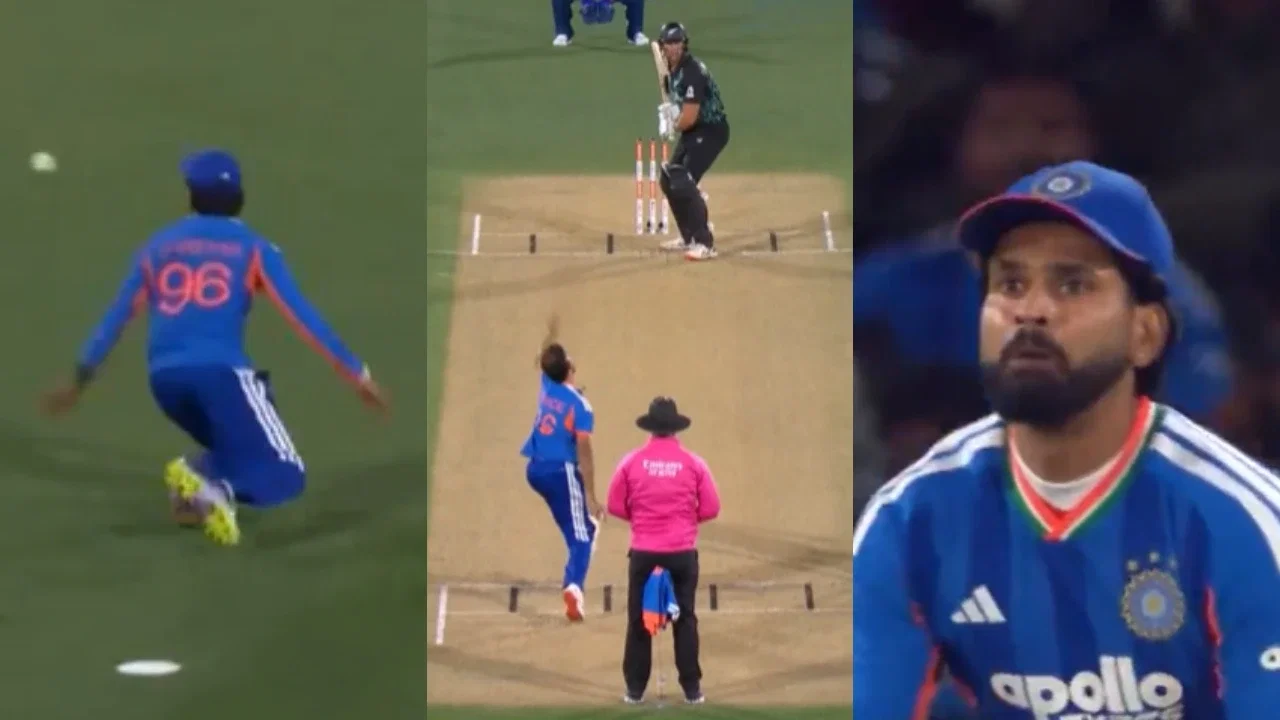
Watch: Shreyas Iyer turns Pakistan fielder, drops absolute sitter in 2nd T20I vs New Zealand
“Tilak and Reddy showed immense character”: Shreyas Iyer praises India batters after thrilling win over New Zealand
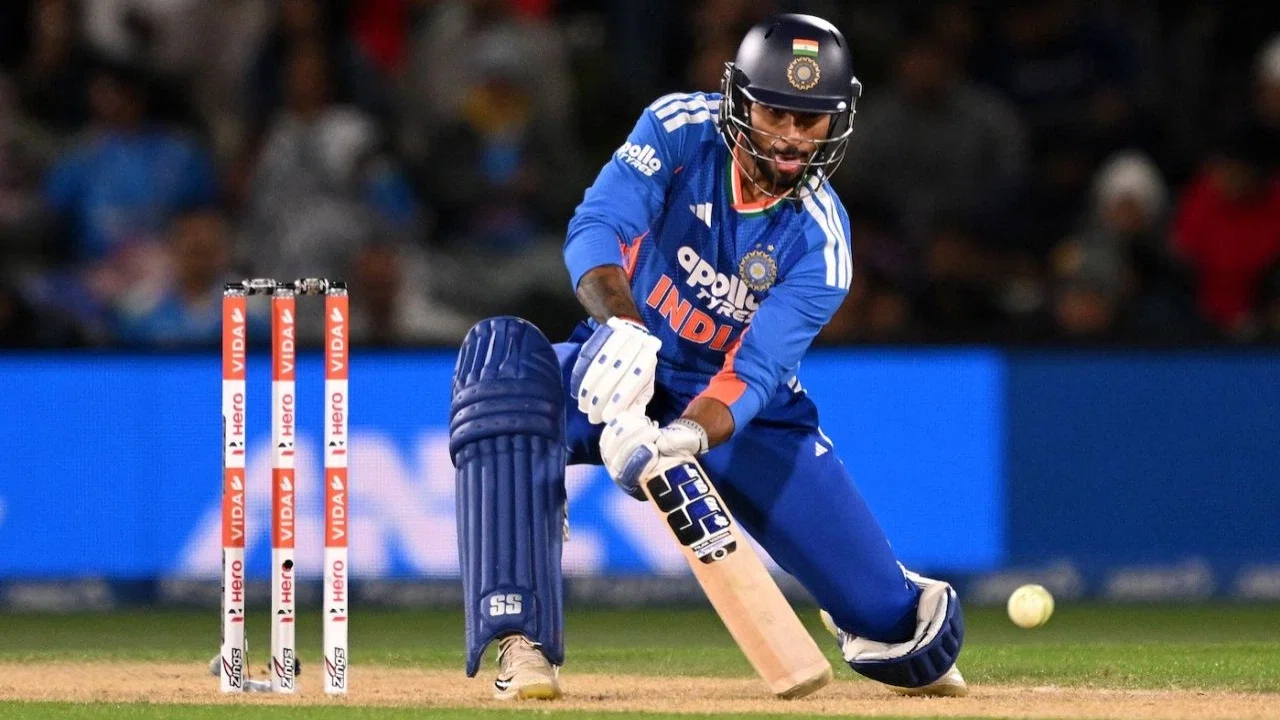
“Whole India believes in you”: Tilak Varma reveals secret to POTM performance in 2nd T20I vs New Zealand
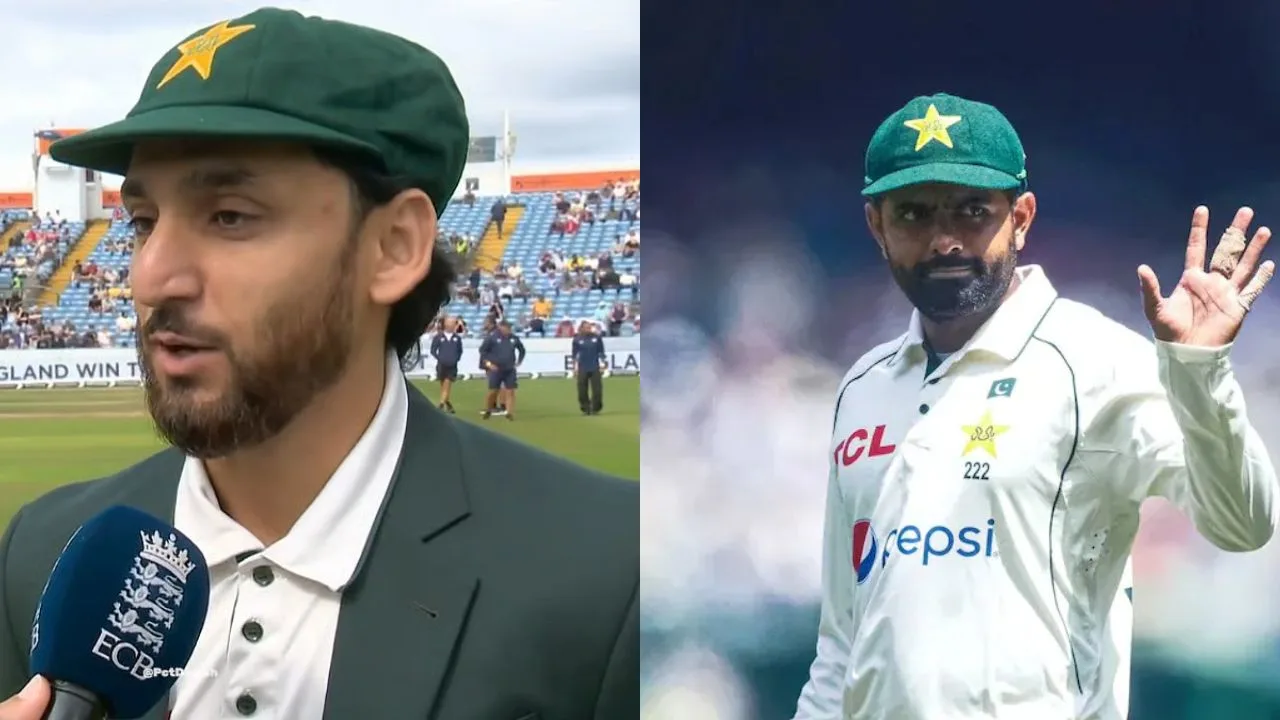
Babar Azam to lead Pakistan as Salman Ali Agha returns for Sri Lanka series
Irfan Pathan officially joins Afghanistan Premier League team
Mumbai Indians appoint Steffan Jones as bowling consultant ahead of IPL 2027
South Africa announce Test squad for 3rd Australia match, Anrich Nortje ruled out