

Ishan Kishan ruled out of 3rd T20I vs New Zealand with injury
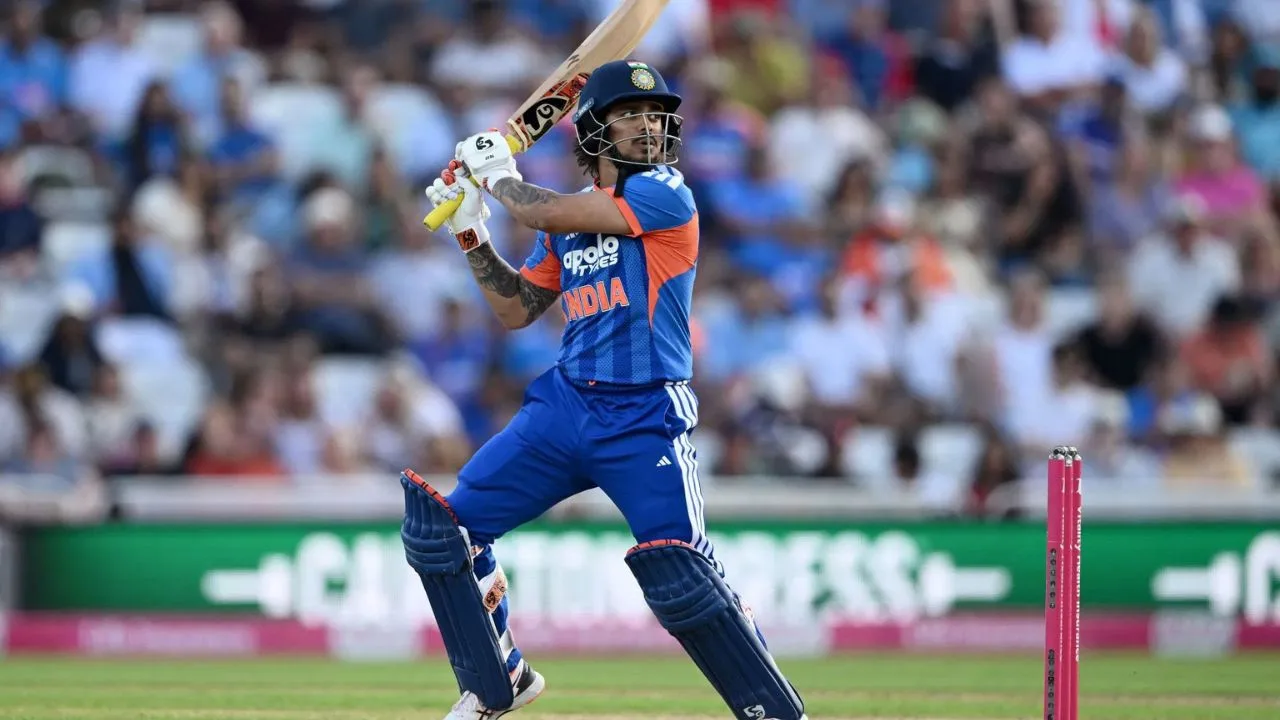
Ishan Kishan Ruled Out of Third T20I Against New Zealand With Adductor Strain
India’s New Zealand tour has already produced a historic run chase, a promising opportunity for a teenage debutant and an injury concern involving one of the team’s most in-form batters. Ishan Kishan has been ruled out of the third T20I after sustaining a low-grade strain in his right adductor, according to a report by SportsTak journalist Nitin K. Srivastav.
The injury also kept Kishan out of the second match, leaving India without a key left-handed option in the top order. The Board of Control for Cricket in India (BCCI) has named Gujarat Titans wicketkeeper-batter Kumar Kushagra as cover. Kishan’s availability for the final two games will depend on his recovery, making his fitness one of the central talking points of the series.
Vaibhav Sooryavanshi Gets a Chance in India’s T20I Line-Up
Kishan’s absence created an opening for 15-year-old Vaibhav Sooryavanshi, who featured in India’s playing XI for the second T20I. The teenager now has a valuable chance to make an impression at international level, particularly if the senior batter remains unavailable for the third game.
Sooryavanshi’s opportunity comes in challenging conditions against a New Zealand side familiar with its home pitches. The young batter will need to balance confidence with composure, especially if asked to take on the responsibility of scoring quickly in the powerplay. A strong performance could strengthen his case for further opportunities, although India’s management is likely to assess him on more than just his immediate run tally.
India also made a change to its bowling group for the second match, with Prince Yadav coming in for Mayank Yadav. The adjustment gave the team another option as it sought to maintain control after winning the toss and choosing to field.
India’s Historic Chase Sets the Tone for the Series
The opening T20I delivered a memorable result for India. Chasing 226 at Hagley Oval in Christchurch, the visitors reached the target to record their highest successful run chase in the format. The performance underlined the depth and attacking potential of India’s batting line-up, which handled a demanding target with impressive intent.
Shreyas Iyer’s side will be keen to carry that momentum through the rest of the series. A successful chase can provide confidence, but the conditions in New Zealand often demand adaptability: the ball can move early, boundaries may be large, and teams must judge when to attack and when to build an innings. India’s ability to respond to those challenges will be important as the tour progresses.
Kishan’s Form Makes His Absence Significant
Kishan’s injury is especially notable because he has been among India’s most productive batters since returning to the national side. The left-hander has established himself in the top order, occupying the No. 3 position in some matches and opening in others. His flexibility gives India several ways to structure its batting, while his aggressive approach can put pressure on opposition bowlers from the outset.
His recent numbers highlight the scale of his contribution. Kishan has scored 1,159 runs in 35 innings this year, averaging more than 35, with one century and seven half-centuries. That consistency has helped him rise to the top of the T20I batting rankings, moving ahead of teammate Abhishek Sharma.
Beyond the statistics, Kishan offers a left-handed presence that can disrupt a bowling attack’s preferred match-ups. His ability to attack pace and spin makes him a valuable option during both the powerplay and middle overs. India will therefore hope the strain is minor and that he can return before the series concludes.
Glenn Phillips Leads New Zealand’s Response in the Second T20I
In the second match, India made an early impact with the ball, taking three wickets and putting New Zealand under pressure. Bhuvneshwar Kumar also claimed a wicket as India looked to restrict the hosts before they could build a substantial total.
Glenn Phillips once again became a key figure for New Zealand. After starring in the first T20I, he continued his strong series with another half-century, showing his ability to recover an innings and accelerate when opportunities arise. Bevon Jacobs joined him at the crease, and the pair put together an 80-run partnership to steady the home side.
Jacobs scored at a more measured pace while India’s bowlers maintained disciplined lines and lengths. That contrast in tempo made the partnership important: Phillips supplied the attacking momentum, while Jacobs helped keep the innings on track. India’s challenge was to break the stand before it developed into a late-innings surge.
Third T20I Prediction: Fitness, Selection and Momentum in Focus
The prediction for the third T20I will depend partly on the condition of the pitch and the outcome of the second match, but Kishan’s absence has already added an important selection question for India. If he is not fit, Sooryavanshi could retain his place, while Kushagra provides wicketkeeping cover within the squad. India’s selectors will also weigh the value of continuity against the need to manage a young player’s workload.
For New Zealand, Phillips’ form is an encouraging sign, particularly if the middle order can provide support around him. India, meanwhile, will look to maintain the bowling discipline that produced early breakthroughs and to build on the confidence gained from its record chase in the series opener.
With the tour still in its early stages, the third T20I could prove important for both teams. India will want to protect its momentum while finding the right balance without Kishan, and New Zealand will aim to turn a strong partnership into a match-winning total. Kishan’s recovery, Sooryavanshi’s response to his opportunity and Phillips’ continued form are likely to shape the next chapter of the contest.
Latest News

Mitchell Santner explains why Matt Henry and Lockie Ferguson did not bowl full quotas, provides injury updates
Murali Kartik questions team India’s decision to bat Vaibhav Sooryavanshi at No. 3 in 2nd T20I

“Bring that spirit”: Kieron Pollard outlines first priority as MI head coach, shares special message to fans

Shardul Thakur takes on a new role as he represents the Chicago Cubs at MLBx Mumbai
Afghanistan U-19 captain in controversy after allegedly bowling beyond his 10-over quota
Better than Virat Kohli? Tilak Varma emerges as new T20 chasemaster with 26 wins in 26 chases

“Those little moments hurt us”: Mitchell Santner explains New Zealand’s consecutive defeats against India
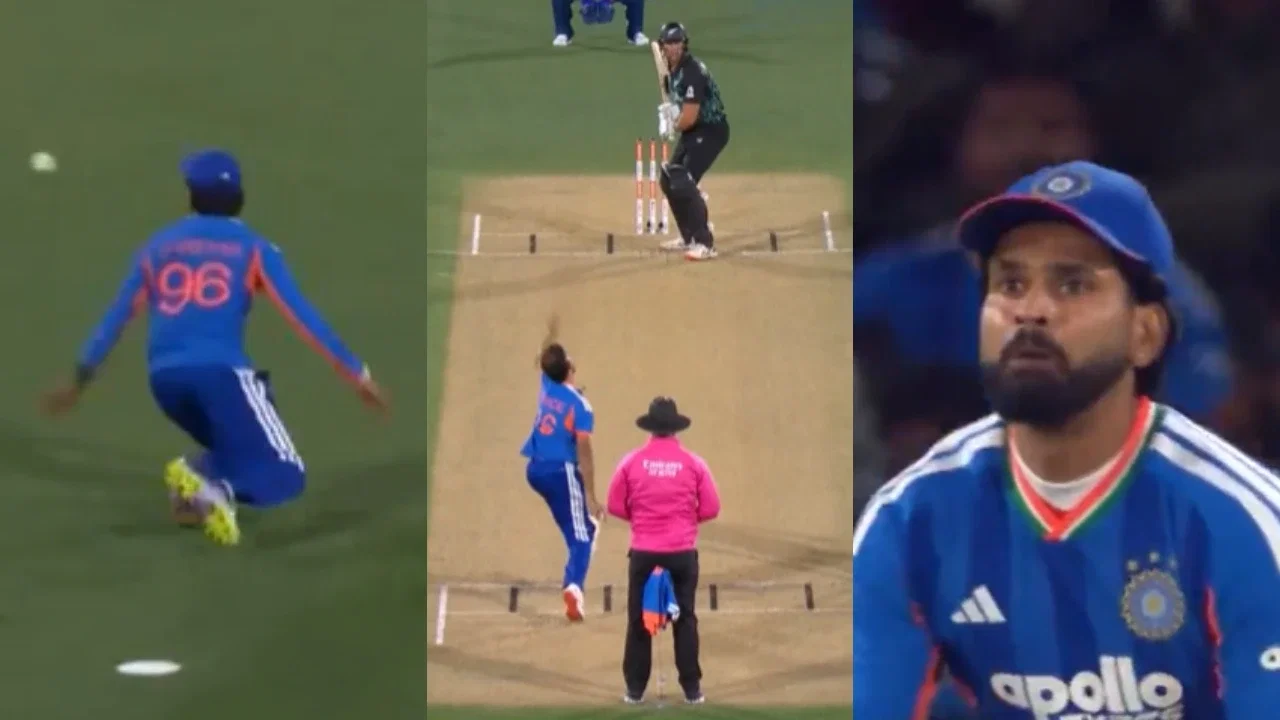
Watch: Shreyas Iyer turns Pakistan fielder, drops absolute sitter in 2nd T20I vs New Zealand
“Tilak and Reddy showed immense character”: Shreyas Iyer praises India batters after thrilling win over New Zealand
“Whole India believes in you”: Tilak Varma reveals secret to POTM performance in 2nd T20I vs New Zealand
Babar Azam to lead Pakistan as Salman Ali Agha returns for Sri Lanka series
Irfan Pathan officially joins Afghanistan Premier League team
Mumbai Indians appoint Steffan Jones as bowling consultant ahead of IPL 2027
South Africa announce Test squad for 3rd Australia match, Anrich Nortje ruled out

