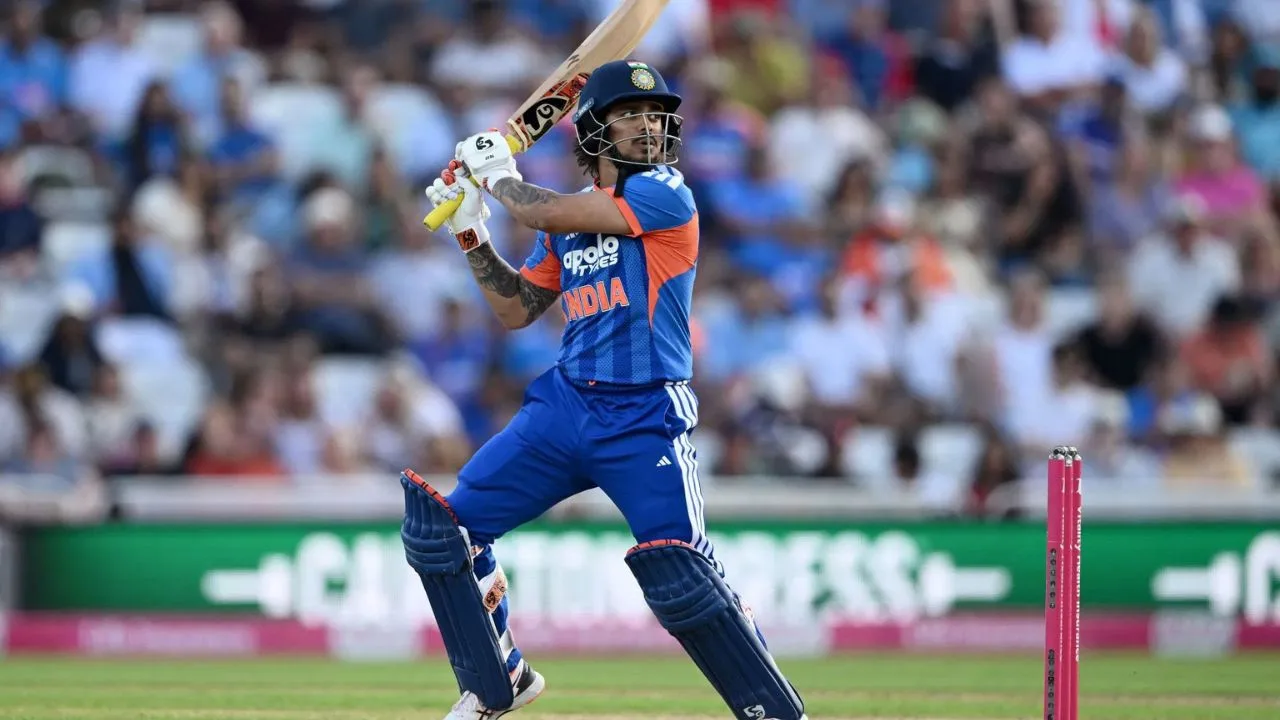
“Those little moments hurt us”: Mitchell Santner explains New Zealand’s consecutive defeats against India

India Beat New Zealand Again as Tilak Varma and Naman Dhir Rescue T20I Chase
New Zealand appeared to have seized control of the second T20I in Christchurch after taking five Indian wickets before the end of the 11th over. With India’s top order back in the pavilion and a challenging target ahead, the hosts had a genuine opportunity to level the series. Instead, a composed counterattack from Tilak Varma, Naman Dhir and Nitish Kumar Reddy carried India to another win and a 2-0 lead in the five-match contest.
The result leaves New Zealand needing to win the remaining three matches to keep the series alive. For India, the victory was another demonstration of the depth in their batting line-up: even after an early collapse, the middle and lower order found a way to take control of a difficult chase.
New Zealand Build a Competitive Total in Christchurch
Batting first, New Zealand posted 180 in their 20 overs—a total that gave their bowlers a realistic chance of putting India under pressure. Glenn Phillips led the scoring with an aggressive 70 from 43 deliveries, while Bevon Jacobs added 58 from 46 balls. Their contributions helped the hosts recover and build a total they believed could be defended, particularly if their attack made early inroads.
India’s response began to unravel quickly. New Zealand removed Sanju Samson, Abhishek Sharma, Vaibhav Sooryavanshi, Shreyas Iyer and Axar Patel inside the first 11 overs. The rapid sequence of wickets shifted the pressure firmly onto India and raised hopes among the home crowd that the hosts could secure their first win of the series.
India’s Middle Order Turns the Match Around
Tilak Varma and Naman Dhir steadied the innings when India needed a partnership most. Rather than allowing New Zealand’s bowlers to dictate the pace, the pair worked to keep the chase moving and punished loose deliveries. Their approach changed the mood of the contest, forcing the fielding side to defend rather than continue attacking with confidence.
Nitish Kumar Reddy then provided the late flourish that confirmed India’s second consecutive victory. His contribution at the finish proved decisive in a match that had looked increasingly favourable to New Zealand after the early wickets. The recovery also offered a useful reminder for teams planning a T20 chase: a strong start with the ball does not guarantee control if the opposition still has capable hitters at the crease.
For supporters searching for a prediction on the series, India’s 2-0 advantage makes them the clear favourites heading into the next match. However, New Zealand showed enough with both bat and ball to suggest that the remaining games could still be competitive—provided the hosts can turn promising passages into a complete performance.
Mitchell Santner Praises India’s Counterattack
New Zealand captain Mitchell Santner credited Varma, Dhir and Reddy with taking charge of the chase at a critical stage. He suggested that one more wicket could have ended India’s challenge, but acknowledged that the batters handled the pressure well and made the home side pay for small errors.
“You play a very good team. It’s always going to be like that,” Santner said, as quoted by Cricbuzz. He pointed to the way the Indian batters controlled the chase and noted that their response prompted New Zealand to make mistakes late in the innings. His comments reflected the narrow margin that often separates teams in T20 cricket: a single breakthrough can change a match, but so can a partnership that refuses to let the required rate become overwhelming.
Santner Sees Plenty to Like—But Costly Details Remain
Despite the defeat, Santner was not dissatisfied with New Zealand’s overall effort. He praised the bowlers for their start and felt that defending 180 was a reasonable challenge, especially if India had been allowed to score freely during the powerplay. New Zealand also managed to pull the scoring back after the early overs, with Michael Bracewell among those who bowled effectively through the middle period.
Still, Santner identified missed opportunities as a major concern. No-balls and other small lapses can be especially damaging in T20 cricket, where an extra delivery or a reprieved batter may alter the direction of a chase. He also pointed to fielding errors and untidy moments as areas New Zealand must address. In a close contest, those details can matter as much as a team’s headline performances with bat or ball.
What the Result Means for the T20I Series
New Zealand’s performances in the first two matches have included promising batting displays and periods of impressive bowling, but India have been more effective when the pressure has peaked. The visitors have now shown that their batting order can recover from a collapse rather than relying solely on their openers to set the tone.
The next match will test New Zealand’s ability to respond. Santner’s side will need to protect its discipline, take chances when they arise and avoid giving India’s lower order room to launch a comeback. India, meanwhile, will look to carry forward the confidence gained from two wins while addressing the early batting failures that nearly cost them in Christchurch.
With three matches still to play, the series is not yet settled. But the second T20I has given India a valuable advantage—and offered New Zealand a clear lesson: strong phases are not enough unless they are supported by clean execution at the crucial moments.
Latest News

Mitchell Santner explains why Matt Henry and Lockie Ferguson did not bowl full quotas, provides injury updates
Murali Kartik questions team India’s decision to bat Vaibhav Sooryavanshi at No. 3 in 2nd T20I

“Bring that spirit”: Kieron Pollard outlines first priority as MI head coach, shares special message to fans

Shardul Thakur takes on a new role as he represents the Chicago Cubs at MLBx Mumbai
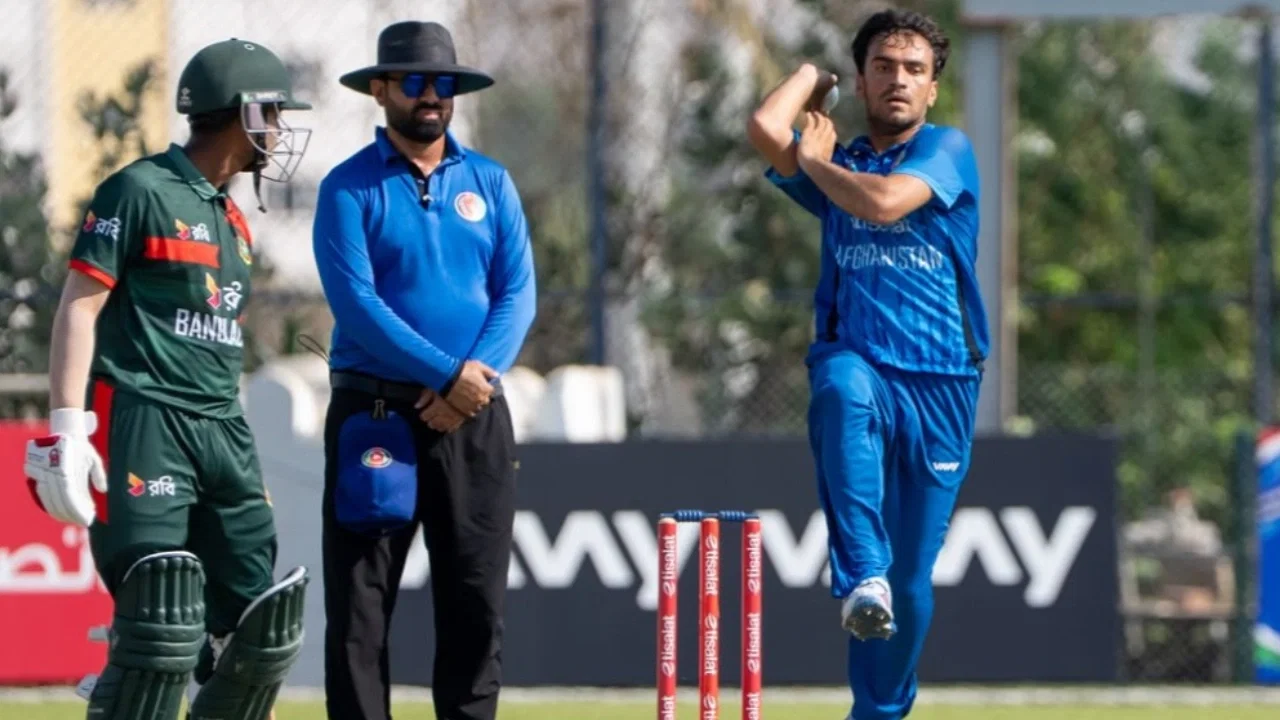
Afghanistan U-19 captain in controversy after allegedly bowling beyond his 10-over quota
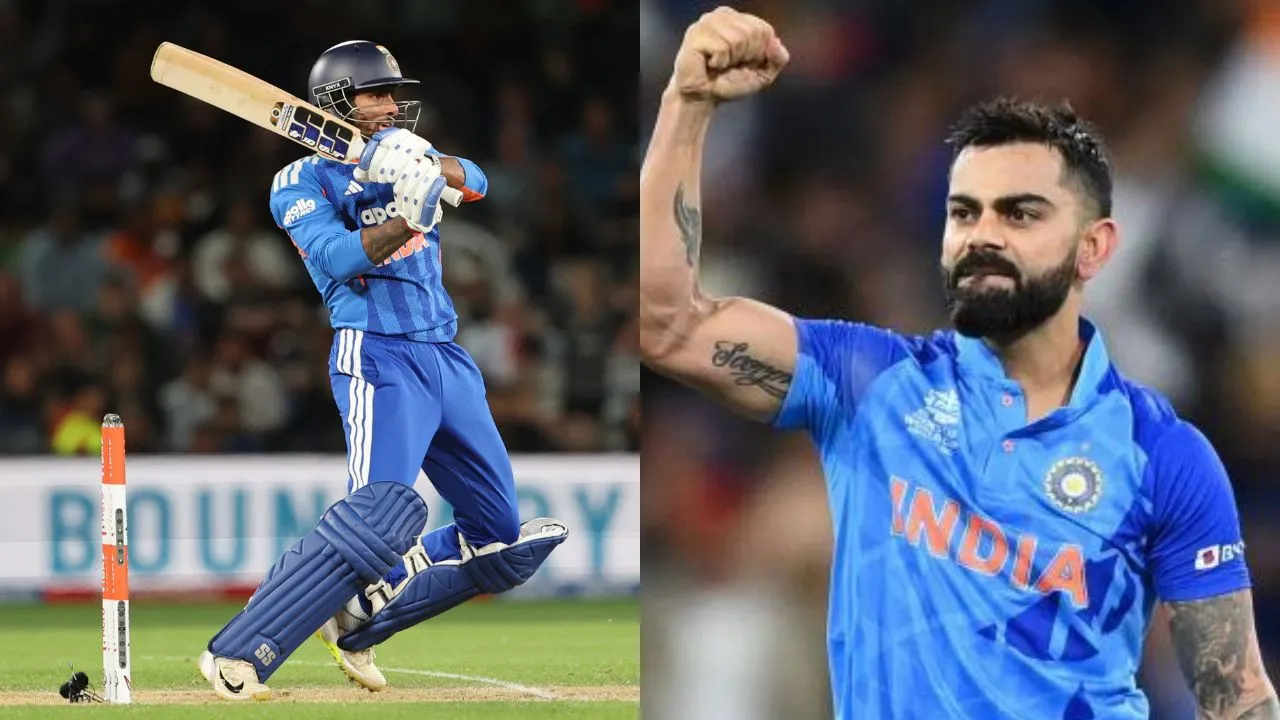
Better than Virat Kohli? Tilak Varma emerges as new T20 chasemaster with 26 wins in 26 chases
“Those little moments hurt us”: Mitchell Santner explains New Zealand’s consecutive defeats against India
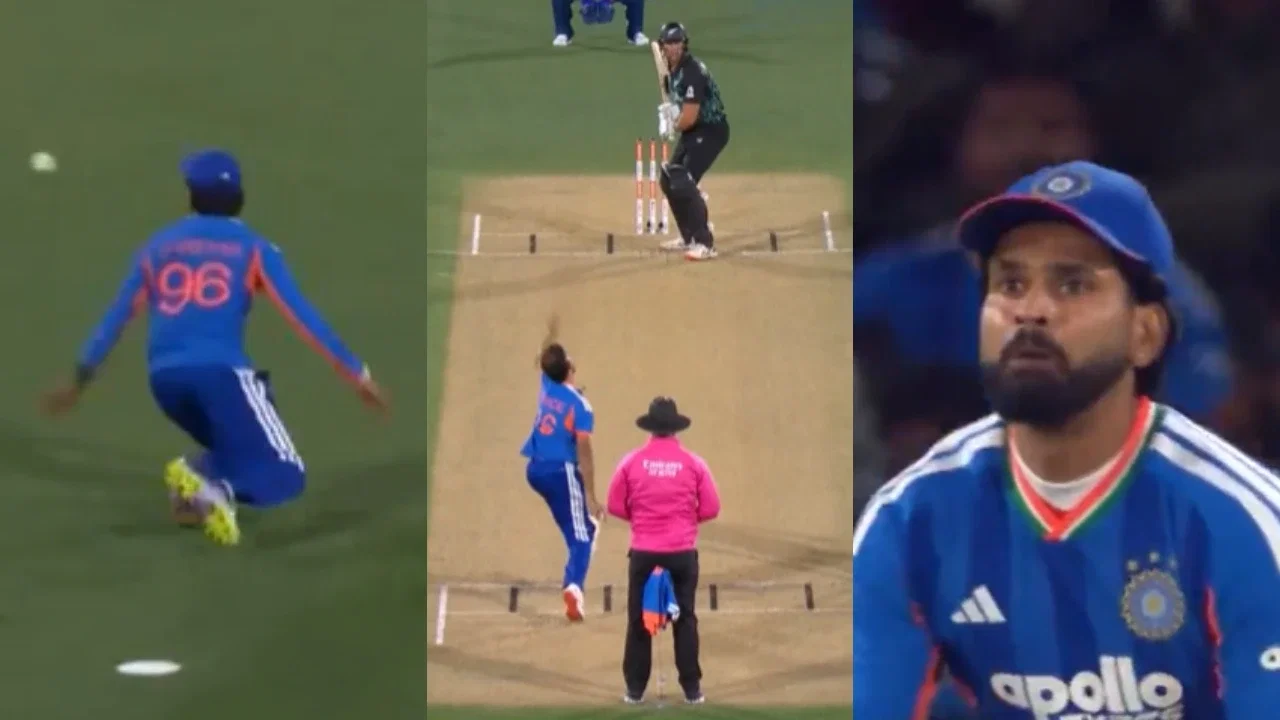
Watch: Shreyas Iyer turns Pakistan fielder, drops absolute sitter in 2nd T20I vs New Zealand
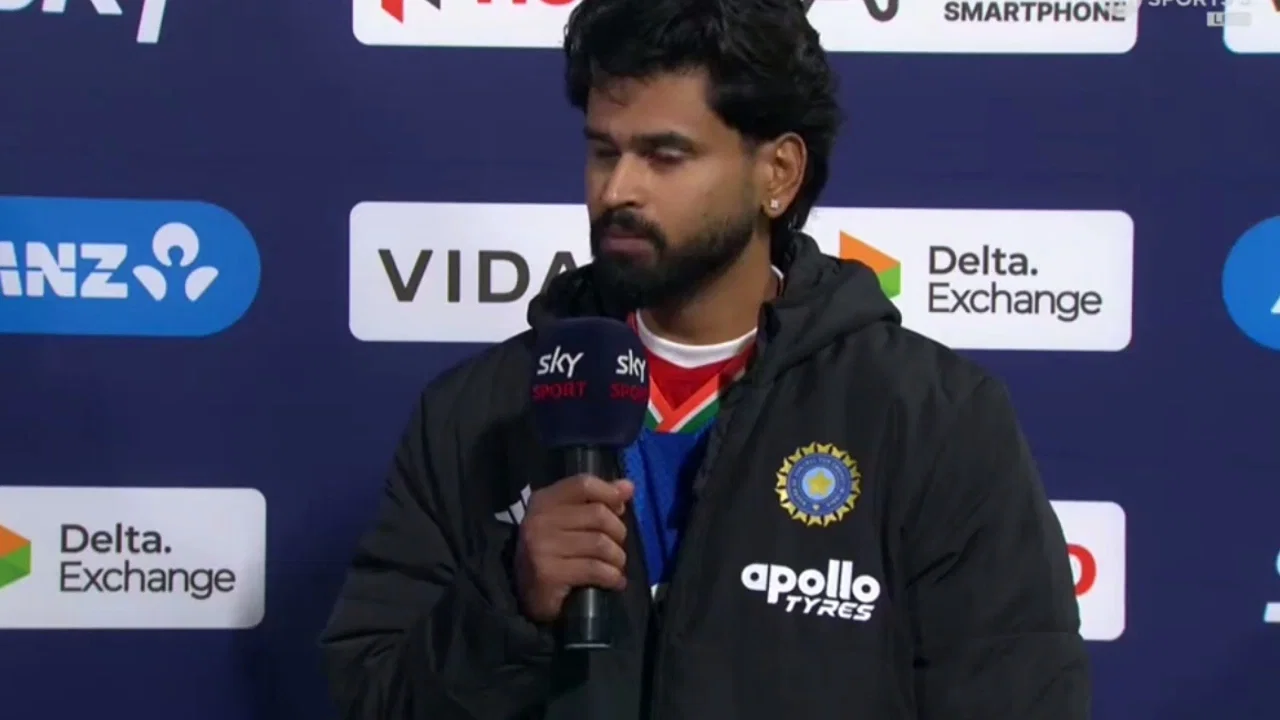
“Tilak and Reddy showed immense character”: Shreyas Iyer praises India batters after thrilling win over New Zealand
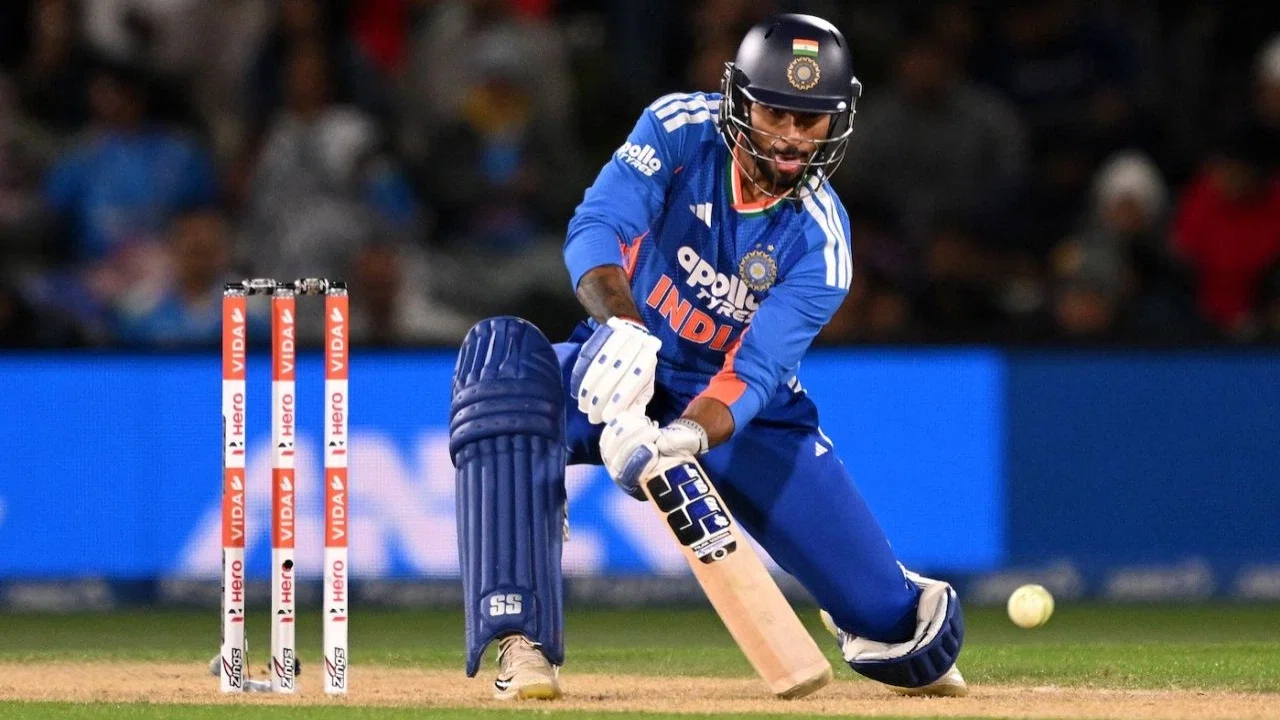
“Whole India believes in you”: Tilak Varma reveals secret to POTM performance in 2nd T20I vs New Zealand
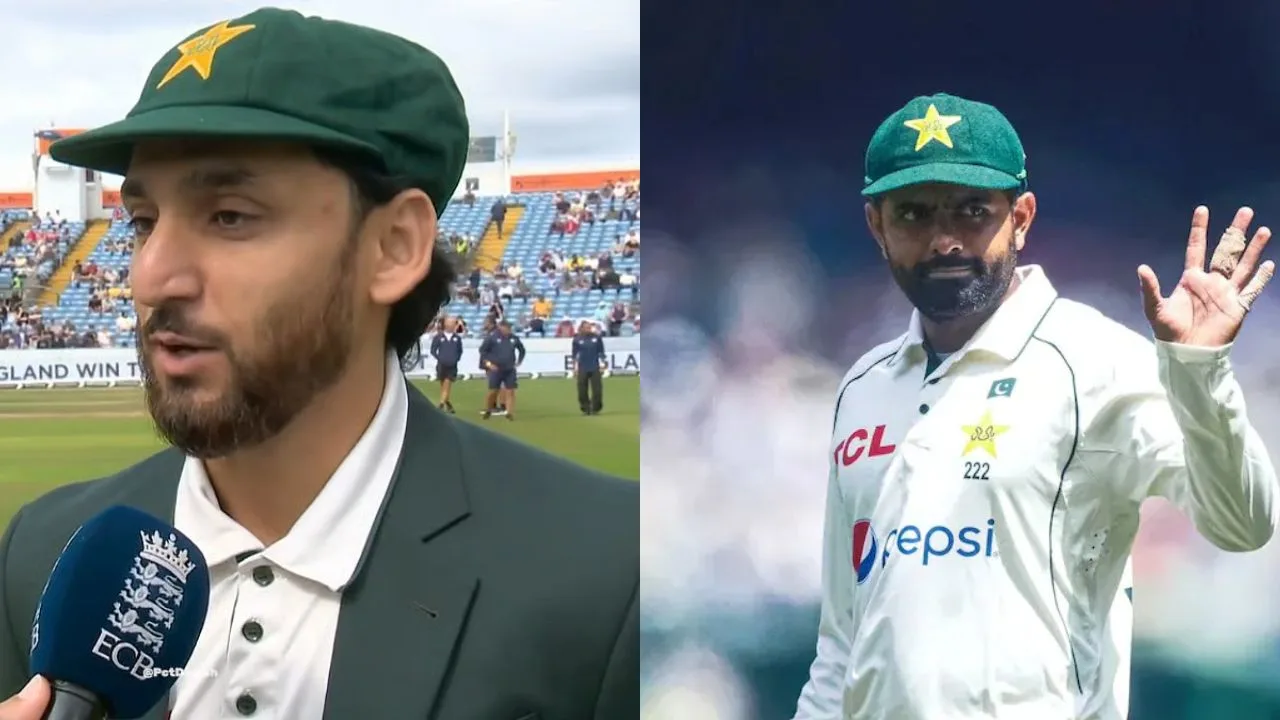
Babar Azam to lead Pakistan as Salman Ali Agha returns for Sri Lanka series
Irfan Pathan officially joins Afghanistan Premier League team

Mumbai Indians appoint Steffan Jones as bowling consultant ahead of IPL 2027
South Africa announce Test squad for 3rd Australia match, Anrich Nortje ruled out