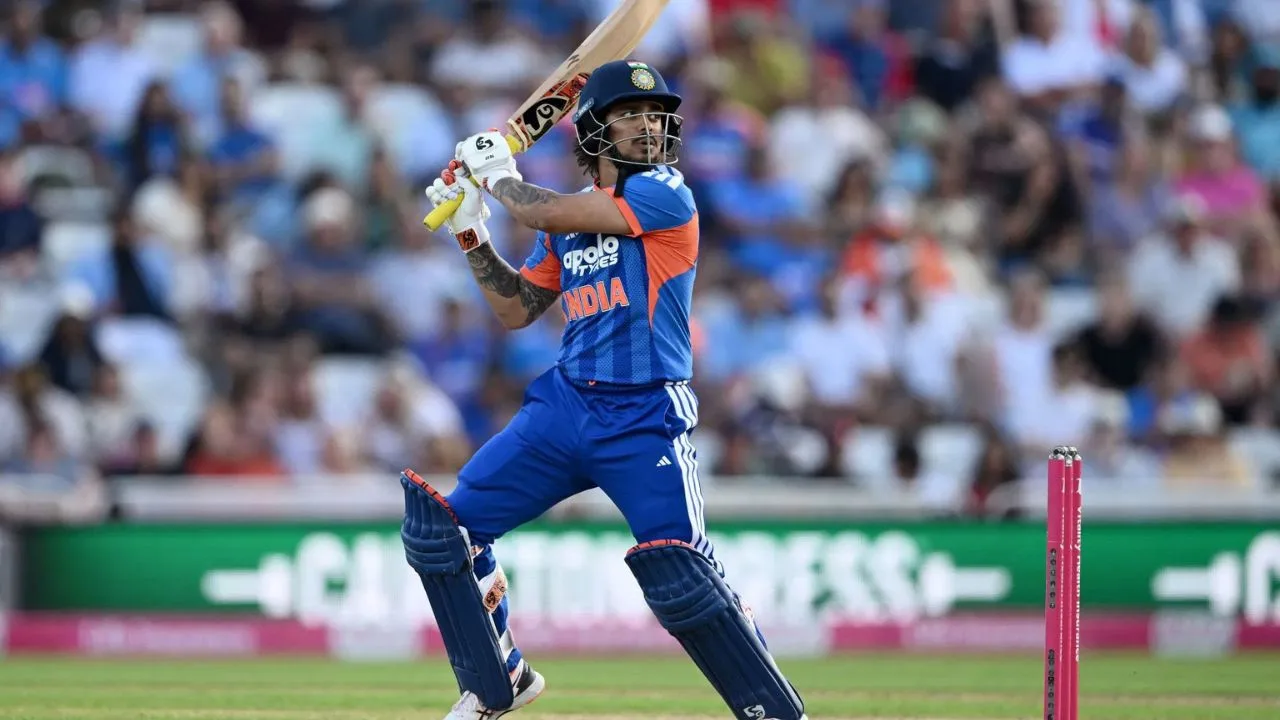
Watch: Shreyas Iyer turns Pakistan fielder, drops absolute sitter in 2nd T20I vs New Zealand
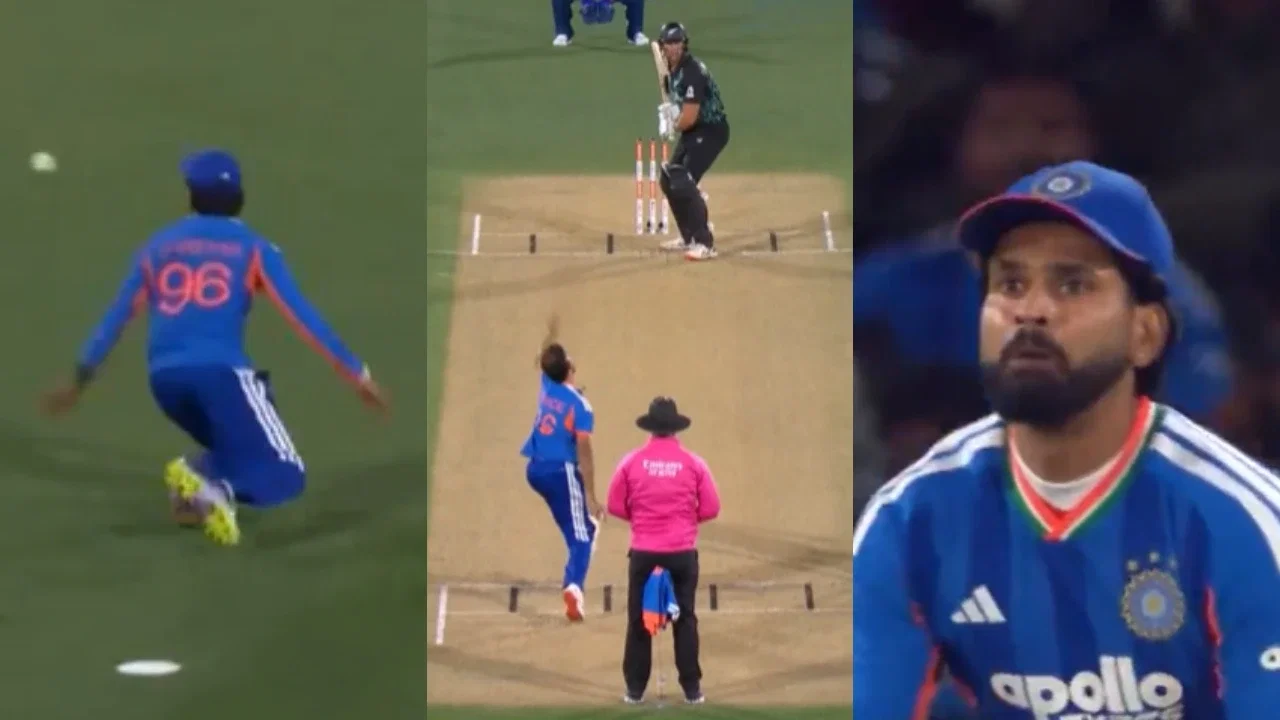
Shreyas Iyer’s dropped catch gives Bevon Jacobs a lifeline as India edge New Zealand in second T20I
India captain Shreyas Iyer endured a costly moment in the second T20I against New Zealand, spilling a straightforward chance that allowed Bevon Jacobs to continue his innings at Hagley Oval in Christchurch. The missed catch proved significant: Jacobs went on to score a half-century and combine with Glenn Phillips to revive New Zealand’s innings.
India ultimately found a way to win, with Tilak Varma delivering under pressure during the chase. But the match offered a reminder of how quickly a T20 contest can turn. One missed opportunity helped New Zealand build a formidable total, while a late batting surge from India overturned the pressure and shaped the result.
The dropped catch that changed New Zealand’s innings
The incident took place in the 11th over, when New Zealand were 71 for three. Indian bowler Prince Yadav delivered a hard-length ball around middle and off stump, prompting Jacobs to attempt a flat-batted shot down the ground. He did not make clean contact, and the ball travelled towards Iyer at mid-off.
It appeared to be a manageable, waist-high chance. Iyer got his hands to the ball but could not hold on, and his attempt to gather it on the rebound also came up short. Prince Yadav’s reaction captured the frustration of the Indian fielding unit, while Jacobs was handed a valuable second chance.
Jacobs was on 20 when the opportunity went begging. He responded by making the most of it, finishing with 58 from 46 deliveries. In a format where a single over can alter the momentum, the dropped catch gave New Zealand’s middle order the time and confidence to rebuild.
Phillips and Jacobs rescue New Zealand after early setbacks
New Zealand had been under pressure after losing three wickets for 41 runs in the sixth over. India’s bowlers had made an encouraging start, disrupting the hosts’ top order and creating the prospect of restricting them to a modest total.
Instead, Phillips and Jacobs steadied the innings before increasing the scoring rate. Phillips was particularly aggressive, striking 70 from 43 balls, while Jacobs provided a composed and timely contribution at the other end. Their fourth-wicket partnership of 116 runs transformed the innings and shifted the pressure back onto India.
The pair combined patience with calculated attacking shots, targeting scoring opportunities as the innings progressed. Their stand helped New Zealand reach 180 for five in 20 overs—a total that looked imposing after the hosts’ difficult start. For India, the partnership also underlined the cost of missed chances: had Jacobs been dismissed at 20, New Zealand might have struggled to build the same platform.
Tilak Varma answers the challenge in India’s chase
India’s pursuit was far from comfortable. New Zealand captain Mitchell Santner kept the visitors in check with an excellent spell, claiming four wickets for just 21 runs. His control and variation made scoring difficult, particularly as the pitch offered limited assistance to batters and there was little dew to ease the chase.
The pressure intensified when Santner dismissed Naman Dhir. India then needed close to 70 runs from the final five overs, with only four wickets remaining. At that stage, New Zealand appeared to have the match within reach, and India needed a batter capable of taking risks without losing control of the chase.
Tilak Varma supplied that response. He attacked in the closing overs, taking on Jacob Duffy and Nathan Smith as New Zealand’s plans began to unravel. His ability to find boundaries at a demanding stage of the innings gave India renewed momentum and prevented the required rate from becoming insurmountable.
What the result means for both teams
For New Zealand, the defeat will be difficult to accept after recovering so well from the early loss of wickets. Phillips and Jacobs produced the kind of partnership needed to set up a strong finish, and Santner’s four-wicket spell kept India under sustained pressure. Yet the hosts could not close out the game when the chase reached its most demanding stage.
India, meanwhile, will take confidence from their ability to respond in a tense finish, but the dropped catch remains a clear area for improvement. In close T20 matches, fielding errors can have an outsized impact, especially when they give an established batter the opportunity to settle in and accelerate.
The match also highlighted the contrasting demands of the shortest format. New Zealand’s recovery showed the value of rebuilding after early wickets, while India’s chase demonstrated the importance of identifying the right moment to attack. Santner’s disciplined bowling nearly decided the contest, but Varma’s late aggression ultimately shifted the balance.
Second T20I prediction and key takeaway
Any prediction about a T20 match must account for how rapidly momentum can change. Iyer’s missed chance appeared to offer New Zealand a route to a much larger total, and the Phillips-Jacobs partnership made that opportunity count. Yet India’s finish showed that even a strong score and an excellent bowling spell do not guarantee victory if a team cannot execute its plans at the death.
For the next meeting, New Zealand will look to turn promising performances into a more controlled finish, while India will want sharper fielding and another composed contribution from its middle order. The second T20I was ultimately a contest of turning points: Jacobs’ reprieve, the 116-run stand, Santner’s spell and Varma’s late hitting all shaped the outcome. It was a compelling example of why T20 cricket rarely follows a straight-line prediction.
Latest News

Mitchell Santner explains why Matt Henry and Lockie Ferguson did not bowl full quotas, provides injury updates
Murali Kartik questions team India’s decision to bat Vaibhav Sooryavanshi at No. 3 in 2nd T20I

“Bring that spirit”: Kieron Pollard outlines first priority as MI head coach, shares special message to fans

Shardul Thakur takes on a new role as he represents the Chicago Cubs at MLBx Mumbai
Afghanistan U-19 captain in controversy after allegedly bowling beyond his 10-over quota
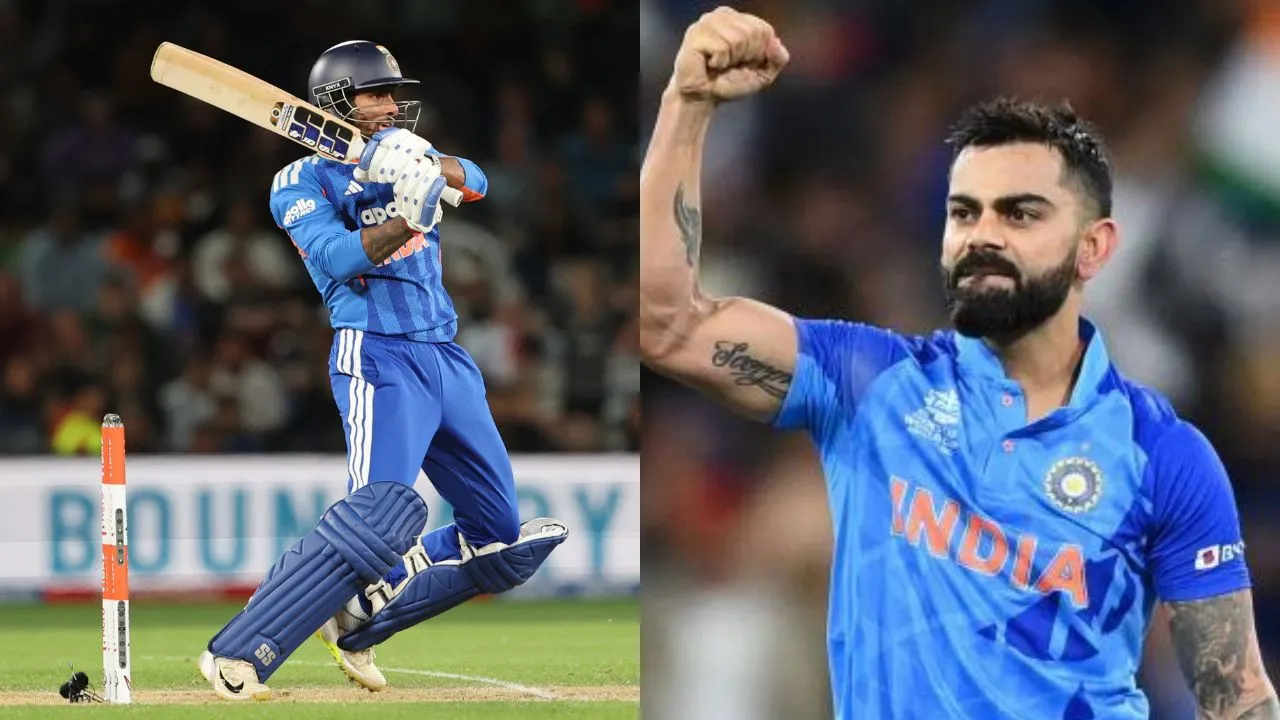
Better than Virat Kohli? Tilak Varma emerges as new T20 chasemaster with 26 wins in 26 chases

“Those little moments hurt us”: Mitchell Santner explains New Zealand’s consecutive defeats against India
Watch: Shreyas Iyer turns Pakistan fielder, drops absolute sitter in 2nd T20I vs New Zealand
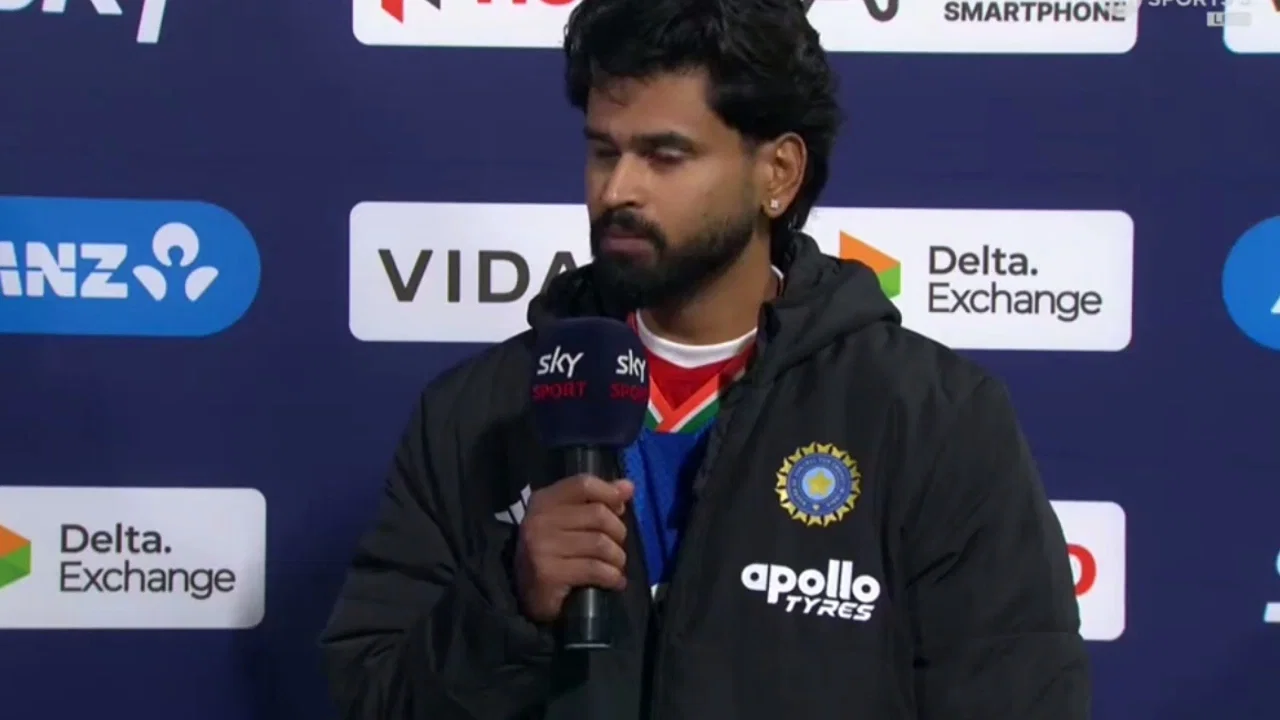
“Tilak and Reddy showed immense character”: Shreyas Iyer praises India batters after thrilling win over New Zealand
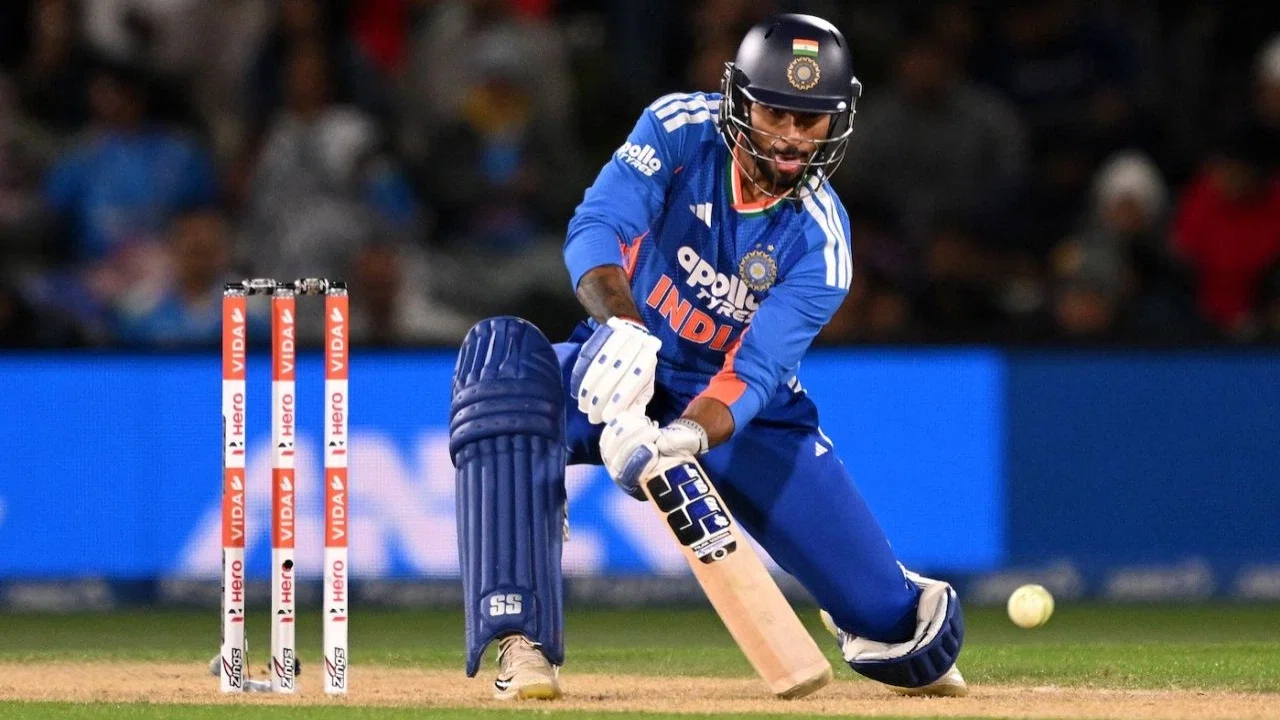
“Whole India believes in you”: Tilak Varma reveals secret to POTM performance in 2nd T20I vs New Zealand

Babar Azam to lead Pakistan as Salman Ali Agha returns for Sri Lanka series
Irfan Pathan officially joins Afghanistan Premier League team

Mumbai Indians appoint Steffan Jones as bowling consultant ahead of IPL 2027
South Africa announce Test squad for 3rd Australia match, Anrich Nortje ruled out