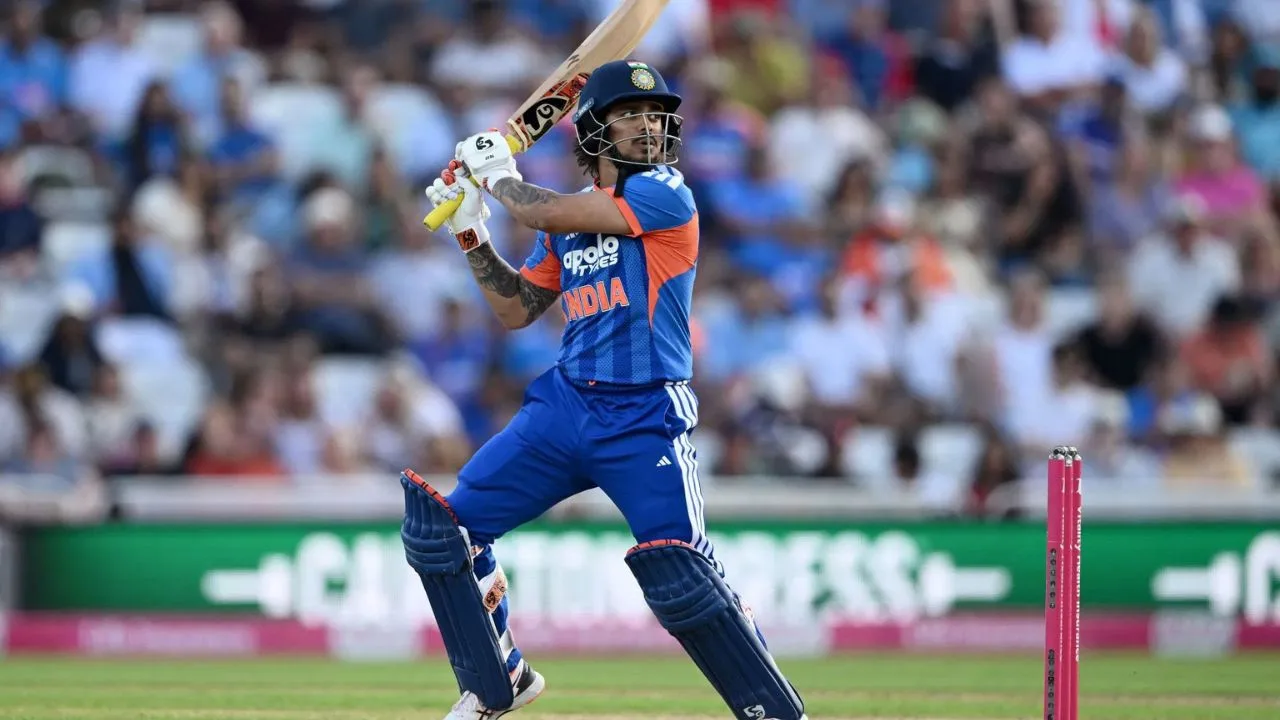
Mitchell Santner explains why Matt Henry and Lockie Ferguson did not bowl full quotas, provides injury updates

India vs New Zealand 2nd T20I: Santner Explains Why Henry and Ferguson Left the Field
New Zealand captain Mitchell Santner says precaution was the priority after fast bowlers Matt Henry and Lockie Ferguson left the field during the second T20I against India at Hagley Oval in Christchurch. Their exits came while the contest was still finely balanced, prompting questions about how the bowling changes affected the closing stages of the match.
Santner said Henry had developed a tight calf, while Ferguson’s departure was also treated as a precaution. With a packed schedule ahead—including the remaining T20Is and a subsequent ODI series—New Zealand were unwilling to risk aggravating a potential injury.
Santner: New Zealand did not want to take risks
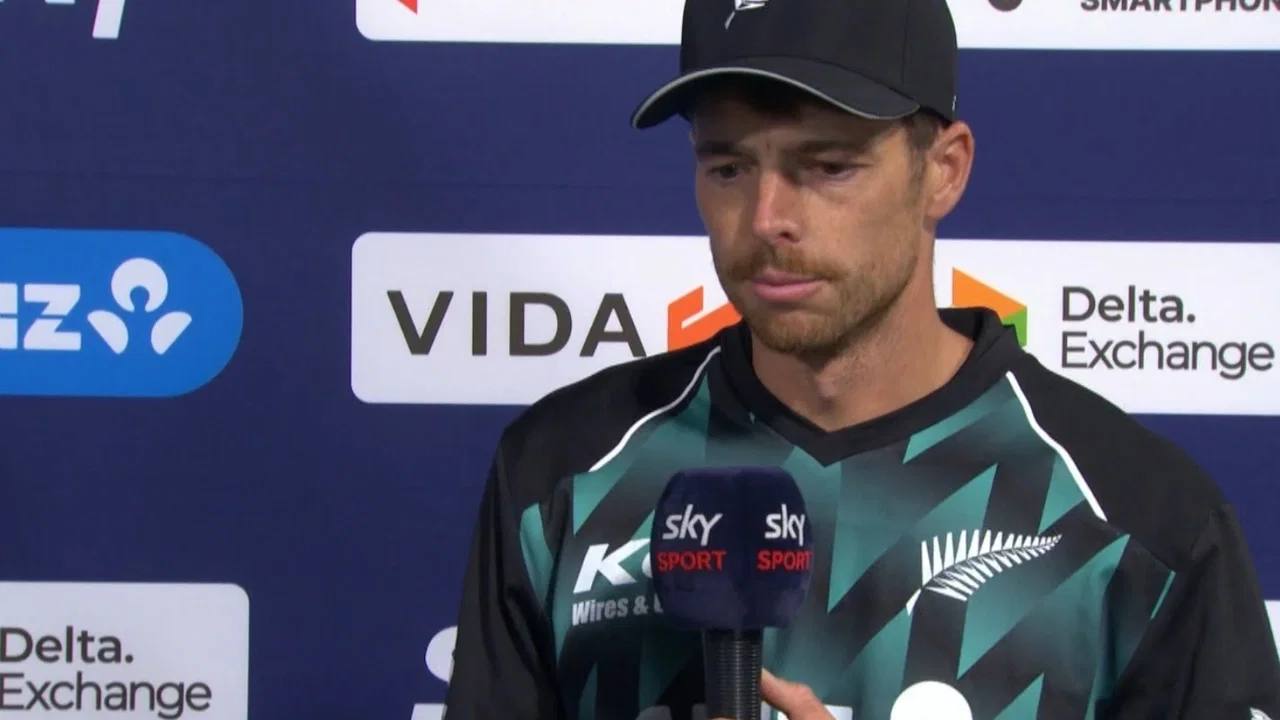
Speaking at the post-match press conference, Santner explained that the team’s decision was guided by the amount of cricket still to come. He said Henry’s calf tightened during the innings and confirmed Ferguson also went off, though he did not provide a more specific diagnosis for the second bowler.
“Matt experienced, like, a tight calf. So, we didn’t want to risk it with, you know, I guess the amount of cricket we’ve got coming up as well. And I think Lockie, you know, he went off as well. So, just a couple of precautionary injuries,” Santner said.
The New Zealand captain repeated that message after the match, adding that the team would assess the bowlers and hope they recovered well. He also suggested that the tight schedule could make changes to the playing combination necessary in the coming games.
Rotation could shape the rest of the series
New Zealand’s schedule leaves limited time for players to recover between fixtures. Santner indicated that the team may rotate members of the squad during the T20I series and the upcoming one-day matches, depending on fitness and workload.
“Hopefully those guys scrub up okay. But I think with the quick turnarounds throughout the series and in the one-days, there could be a bit of rotation. I think that’s just what it’s going to have to be,” he said.
Rotation is a familiar challenge in modern international cricket, particularly for fast bowlers, who face substantial physical demands across formats. A tight calf does not automatically mean a lengthy absence, but teams often take early warning signs seriously. Resting a player before a minor issue becomes more significant can be especially important when several matches are scheduled in quick succession.
How Henry and Ferguson bowled before leaving
Henry had completed two overs before leaving the field. He conceded 11 runs, recorded an economy rate of 5.50 and bowled a maiden over, giving New Zealand a controlled start with the ball.
Ferguson delivered three overs and conceded 37 runs, finishing with an economy rate of 12.33 without taking a wicket. His figures reflected a more expensive spell, but his departure still reduced New Zealand’s available bowling options at a crucial point in the innings.
Because both bowlers left while the match remained competitive, their absence became one of the game’s key talking points. Had they been able to complete their planned spells, New Zealand might have had greater flexibility with its remaining overs. However, it is impossible to know whether their continued participation would have changed the result; the outcome also depended on India’s batting, the performance of the other bowlers and the pressure of the closing overs.
Small moments made the difference
Santner described the game as one shaped by a handful of small moments. In a close T20 contest, the loss of two experienced pace options can affect more than the number of overs available. It may also change a captain’s plans for match-ups, field placements and the timing of the remaining bowlers’ spells.
New Zealand had to adapt after Henry and Ferguson went off, while India continued to manage the chase against the bowlers available. The episode underlined how quickly a T20 match can shift: an injury concern, a boundary or a wicket can alter the pressure on both teams within a few deliveries.
For New Zealand, the immediate priority will be establishing whether Henry and Ferguson are fit for the next fixture. Their availability could influence the team’s selection, particularly if management decides that workload control is more important than keeping the same XI together. Santner’s comments suggest that rotation remains a realistic option, although the final decision will depend on the players’ recovery and the team’s assessment.
India vs New Zealand 3rd T20I: Match prediction factors
The third T20I is scheduled to take place in Wellington on October 27. Ahead of the match, the condition of New Zealand’s fast bowlers is likely to be a major selection storyline. If Henry or Ferguson are unavailable, the hosts may need to call on other members of the squad to share the pace-bowling workload.
Any prediction for the next game should also account for the teams’ recent performances, the conditions in Wellington and the balance of each side’s bowling attack. New Zealand’s potential rotation could create an opportunity for a reserve player, while India may look to build on the momentum generated in Christchurch. As always in T20 cricket, early wickets, control in the middle overs and execution at the death could prove decisive.
For now, Santner’s message is clear: New Zealand will not gamble with player fitness during a demanding run of fixtures. The team will monitor Henry and Ferguson, consider rotation where necessary and prepare for the next match with the wider schedule in mind.
Latest News
Mitchell Santner explains why Matt Henry and Lockie Ferguson did not bowl full quotas, provides injury updates
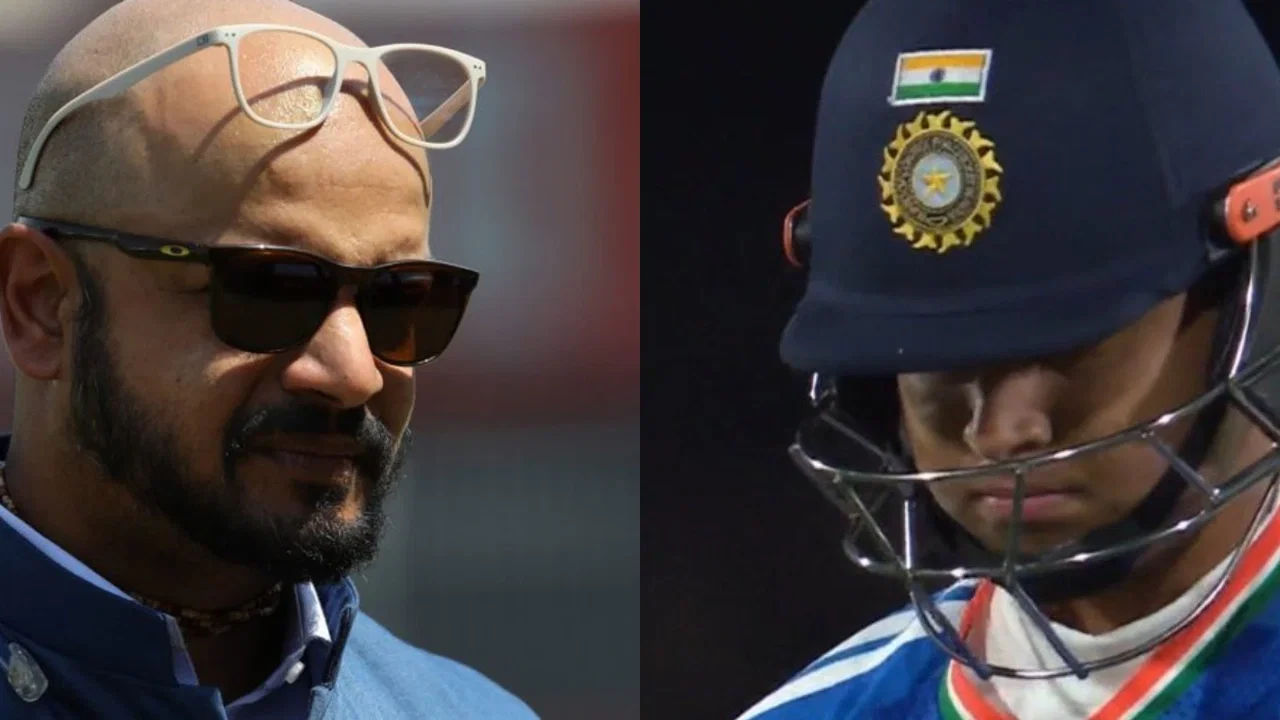
Murali Kartik questions team India’s decision to bat Vaibhav Sooryavanshi at No. 3 in 2nd T20I

“Bring that spirit”: Kieron Pollard outlines first priority as MI head coach, shares special message to fans

Shardul Thakur takes on a new role as he represents the Chicago Cubs at MLBx Mumbai
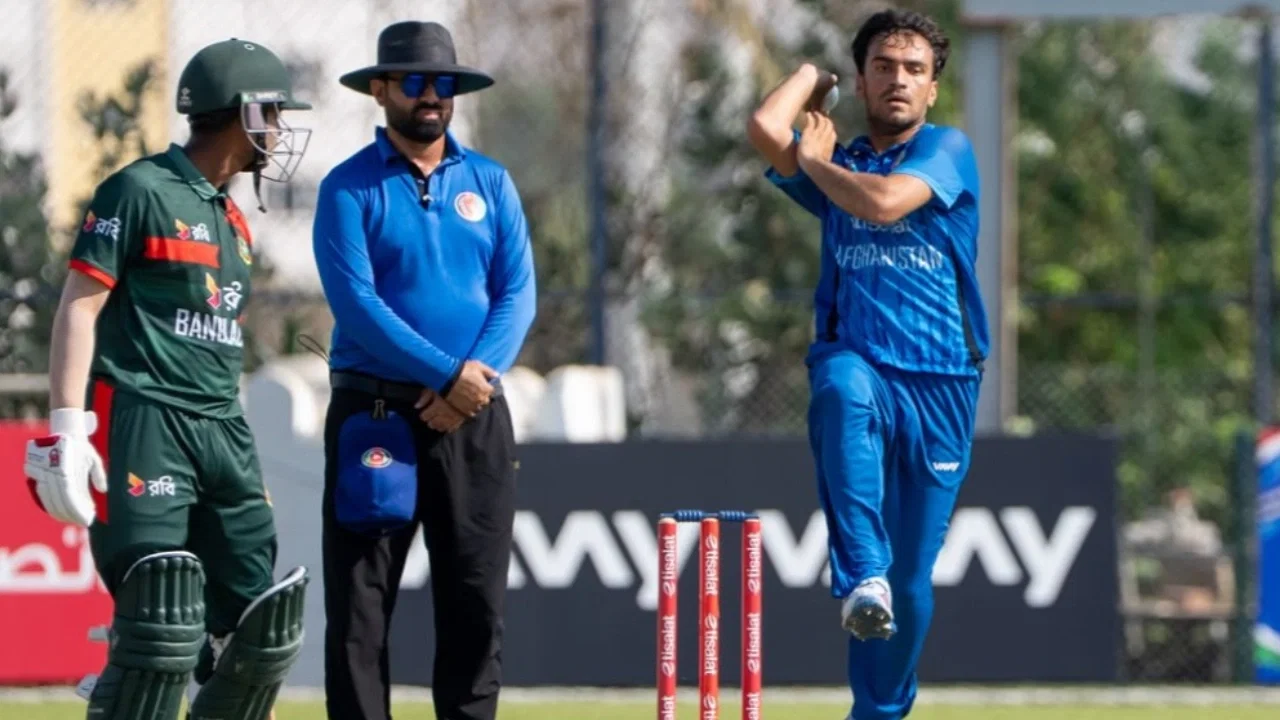
Afghanistan U-19 captain in controversy after allegedly bowling beyond his 10-over quota
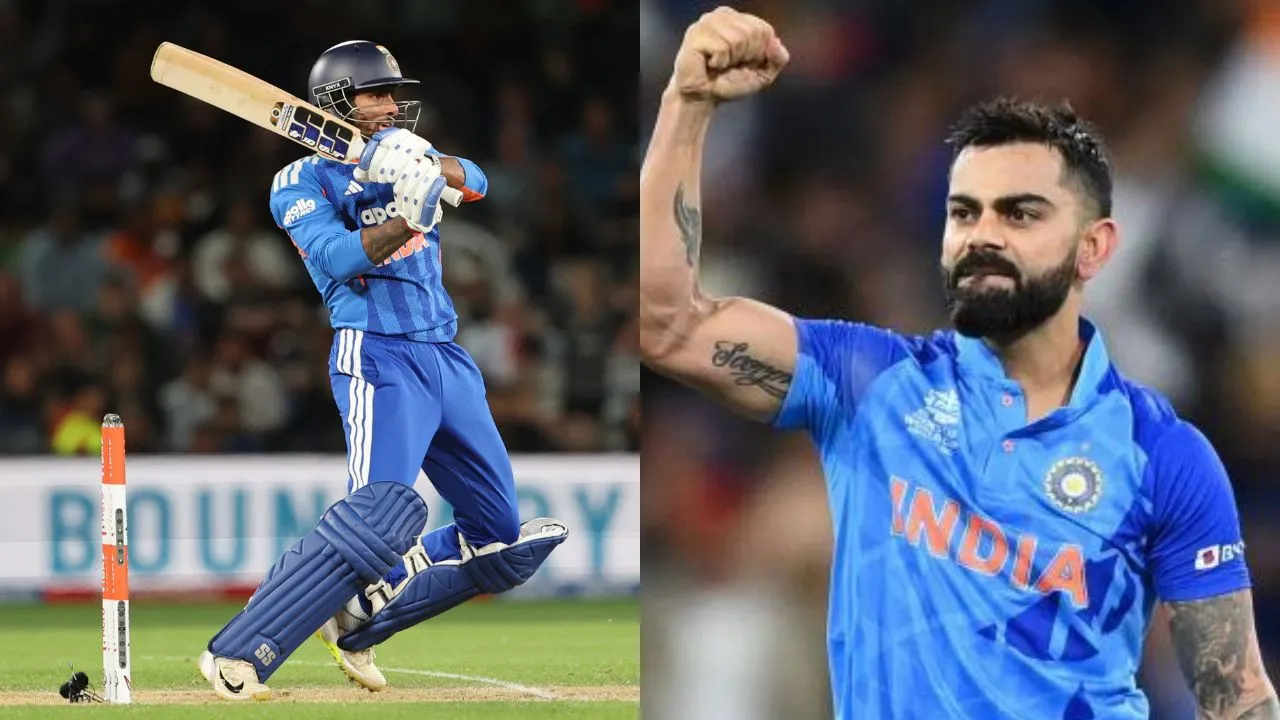
Better than Virat Kohli? Tilak Varma emerges as new T20 chasemaster with 26 wins in 26 chases
“Those little moments hurt us”: Mitchell Santner explains New Zealand’s consecutive defeats against India
Watch: Shreyas Iyer turns Pakistan fielder, drops absolute sitter in 2nd T20I vs New Zealand
“Tilak and Reddy showed immense character”: Shreyas Iyer praises India batters after thrilling win over New Zealand
“Whole India believes in you”: Tilak Varma reveals secret to POTM performance in 2nd T20I vs New Zealand
Babar Azam to lead Pakistan as Salman Ali Agha returns for Sri Lanka series
Irfan Pathan officially joins Afghanistan Premier League team
Mumbai Indians appoint Steffan Jones as bowling consultant ahead of IPL 2027
South Africa announce Test squad for 3rd Australia match, Anrich Nortje ruled out