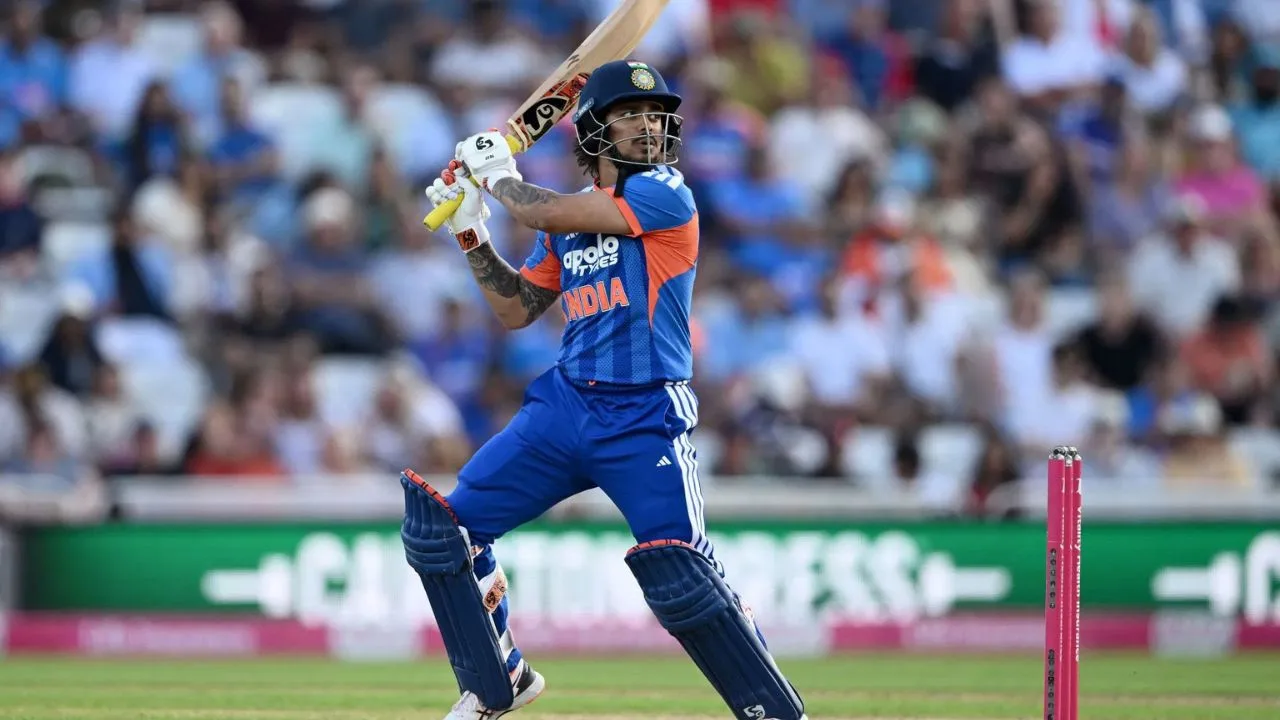
Murali Kartik questions team India’s decision to bat Vaibhav Sooryavanshi at No. 3 in 2nd T20I
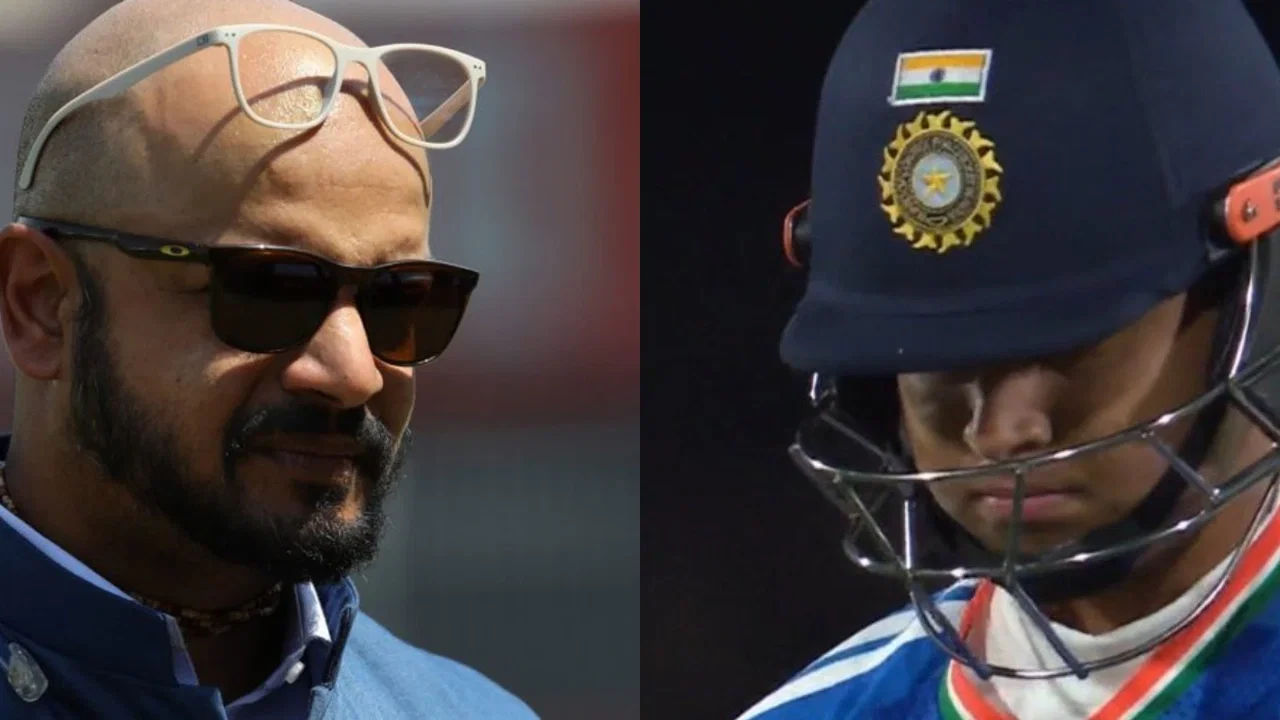
Murali Kartik Questions India’s Batting Order After Vaibhav Sooryavanshi Is Sent In at No. 3
India secured a second consecutive victory in the five-match T20I series against New Zealand, chasing down a target of 181 in the final over. Contributions from Tilak Varma, Nitish Kumar Reddy and Naman Dhir helped the visitors recover from a top-order collapse and keep their series momentum intact.
The win, however, did not end the discussion around India’s batting choices. Former India spinner and cricket analyst Murali Kartik questioned the decision to send 15-year-old Vaibhav Sooryavanshi in at No. 3 after Ishan Kishan was ruled out through injury. Kartik argued that the young left-hander should have opened, the position in which he has built his reputation.
Sooryavanshi’s unfamiliar role raises questions
Sooryavanshi is known for an attacking approach at the top of the order. The Bihar-born batter has made an impression with his willingness to take on bowlers early, whether representing India A, Rajasthan Royals or the national side. That aggressive style has become a defining part of his game.
In Christchurch, though, he was unable to settle into his innings. Batting at No. 3, Sooryavanshi faced eight deliveries and scored four runs without hitting a boundary before being dismissed. His brief stay came as India’s top order struggled, placing additional pressure on the middle order to complete the chase.
One innings cannot establish whether the change of position caused his subdued performance. Still, the situation has prompted a broader conversation about how teams should use young players: should they be asked to adapt quickly, or should they first be allowed to develop in the role that suits them best?
Kartik: Play the teenager where he is most comfortable
Speaking on Sony Sports Network, Kartik said Sooryavanshi’s established role should have guided the selection decision. In his view, the teenager had not yet had enough experience batting in the middle order to be moved away from opening duties.
“When you are playing Vaibhav Sooryavanshi, where is he good? He is good as an opener,” Kartik said, explaining that the team should make the most of the young batter’s strengths rather than introduce a new role in a high-pressure international match.
Kartik also pointed to the value of experience when teams need to rearrange their batting line-up. Players who have spent years batting in different positions are generally better equipped to adjust to unfamiliar roles. Sooryavanshi, by contrast, is still at the beginning of his senior career and has largely played as an opener.
His argument is not simply that young batters should never be moved. Rather, it is that a role change should be considered carefully, especially when the player’s best qualities are closely linked to a particular position. Opening allows an aggressive batter to face the new ball and set the tempo, while No. 3 can require a different response—sometimes entering immediately after an early wicket and needing to rebuild.
Could Sanju Samson move down the order?
With Ishan Kishan unavailable, India had to find a new combination at the top. Kartik suggested that if the team wanted to include Sooryavanshi alongside Abhishek Sharma and Sanju Samson, the more experienced Samson could be the player asked to adjust his position.
“Sanju Samson is one of your players who is a banker. He can play for you in a different place,” Kartik said. He added that senior players sometimes need to take on flexible roles so that a younger teammate can be used in the position where he is most effective.
That proposal would not automatically make Samson a permanent middle-order batter. It would, however, give India another option when injuries, match-ups or team balance force a change. Samson has experience across batting positions, making him a more natural candidate for temporary adjustment than a teenager who has primarily opened.
India’s successful chase still leaves selection questions
India’s victory offers a useful reminder that a successful result and a flawless performance are not the same thing. The team reached the target, but the early wickets exposed how quickly a T20 chase can become difficult when the top order fails to establish a platform. The middle order’s contribution proved decisive, yet relying on a late recovery every time would be a risky strategy.
For the team management, the challenge is to balance immediate results with the long-term development of a promising young player. Keeping Sooryavanshi at the top could help him play with greater clarity and confidence. On the other hand, testing him at No. 3 may broaden his skills and give India more flexibility in future matches. The key question is whether that experiment is best made during a competitive series or in a setting with less pressure.
There is also a tactical dimension. An opener may have a clear brief: attack the powerplay, assess the pitch and put the bowling side under pressure. A No. 3 batter must be ready for several scenarios, from walking in during the first over to building a partnership after a steady start. For a young player, those demands can make the role feel significantly different even when the batting order changes by only one place.
What the next match could reveal
Kartik’s comments have added another talking point ahead of India’s next fixture, with the series continuing to offer the team opportunities to assess its combinations. Whether Sooryavanshi returns to the opening position will be closely watched, particularly if the selectors and coaching staff decide to retain the same group of top-order batters.
The next selection call could provide a clearer indication of India’s plan: protect the teenager’s natural role, or continue testing his adaptability. Either approach has potential benefits, but the decision will need to account for the player’s experience, the opposition’s bowling attack and the match situation.
For now, India can take confidence from the win and the resilience shown by its middle order. At the same time, Kartik’s prediction—that Sooryavanshi is most effective when opening—has sharpened the debate over how India should arrange its batting line-up. The result went India’s way, but the question of who should face the new ball may remain central to the team’s strategy in the matches ahead.
Latest News

Mitchell Santner explains why Matt Henry and Lockie Ferguson did not bowl full quotas, provides injury updates
Murali Kartik questions team India’s decision to bat Vaibhav Sooryavanshi at No. 3 in 2nd T20I

“Bring that spirit”: Kieron Pollard outlines first priority as MI head coach, shares special message to fans

Shardul Thakur takes on a new role as he represents the Chicago Cubs at MLBx Mumbai
Afghanistan U-19 captain in controversy after allegedly bowling beyond his 10-over quota
Better than Virat Kohli? Tilak Varma emerges as new T20 chasemaster with 26 wins in 26 chases
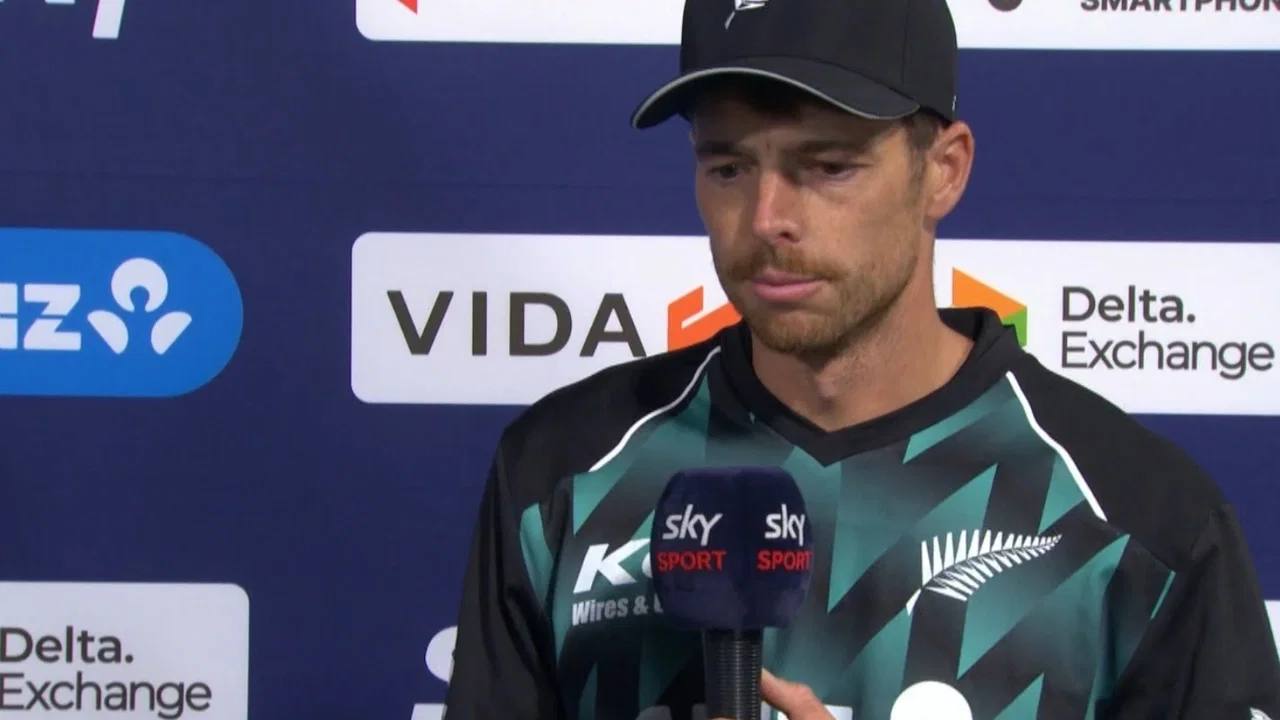
“Those little moments hurt us”: Mitchell Santner explains New Zealand’s consecutive defeats against India
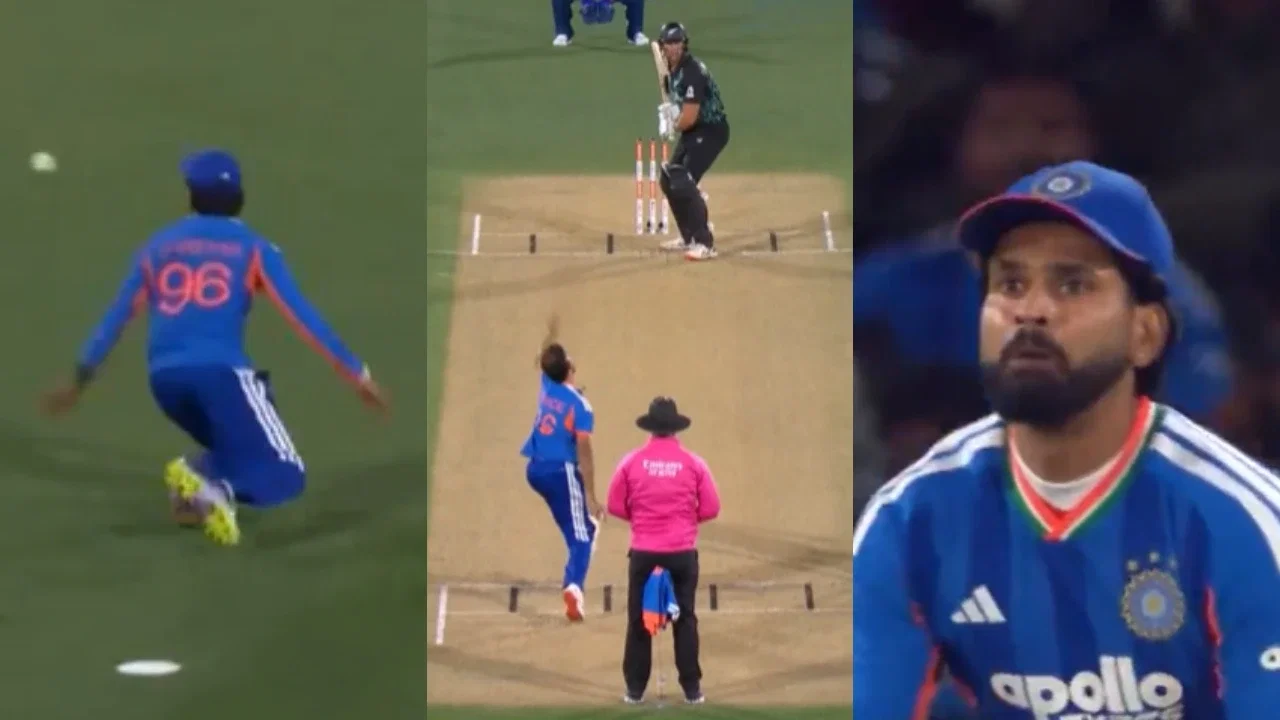
Watch: Shreyas Iyer turns Pakistan fielder, drops absolute sitter in 2nd T20I vs New Zealand
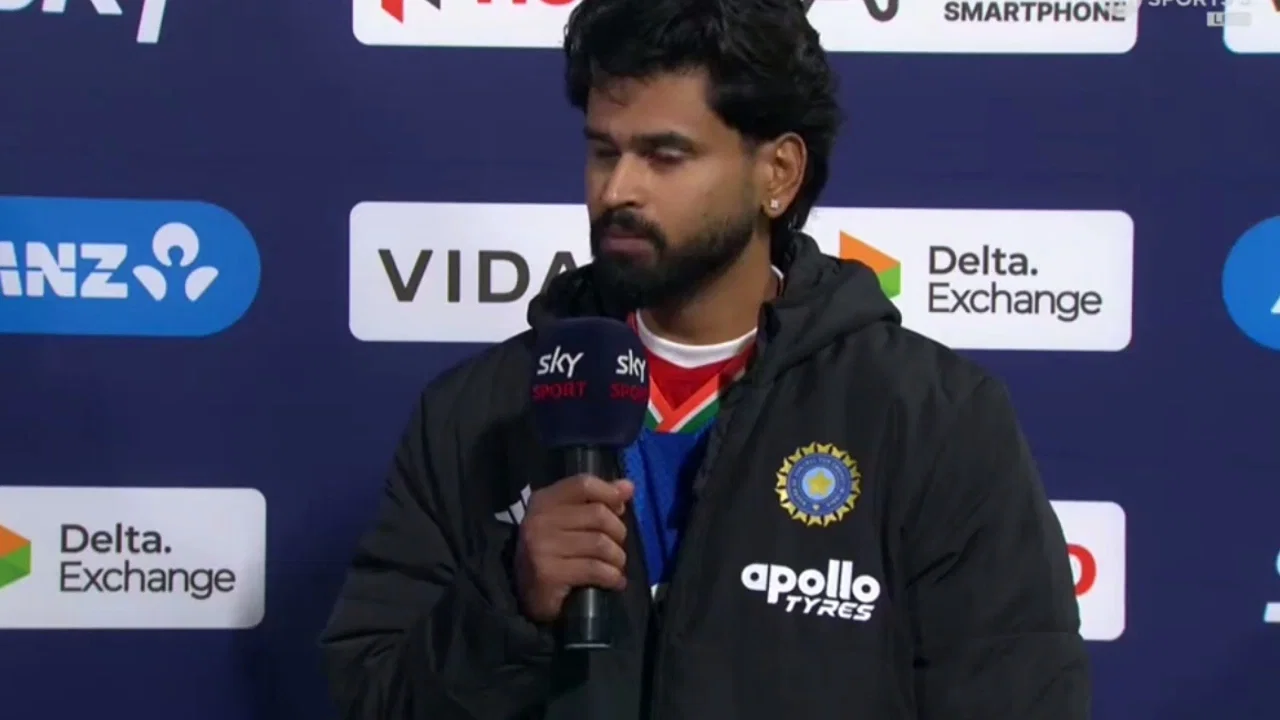
“Tilak and Reddy showed immense character”: Shreyas Iyer praises India batters after thrilling win over New Zealand
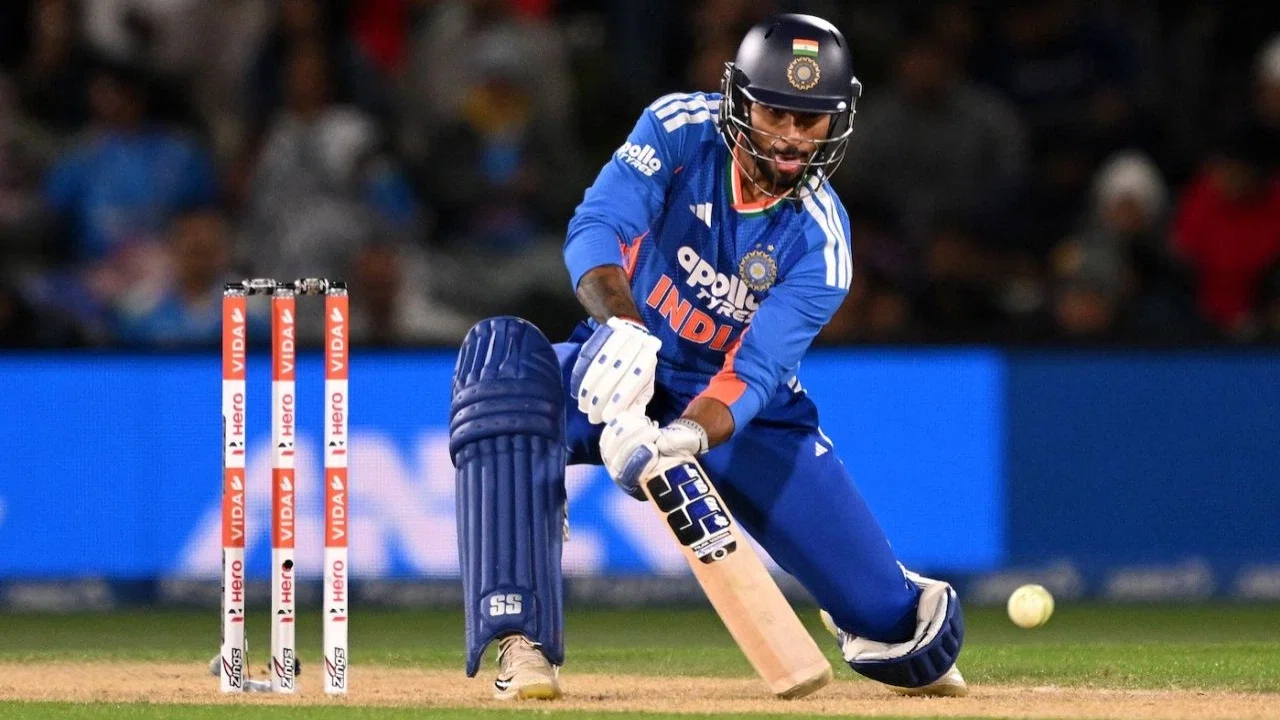
“Whole India believes in you”: Tilak Varma reveals secret to POTM performance in 2nd T20I vs New Zealand
Babar Azam to lead Pakistan as Salman Ali Agha returns for Sri Lanka series
Irfan Pathan officially joins Afghanistan Premier League team
Mumbai Indians appoint Steffan Jones as bowling consultant ahead of IPL 2027
South Africa announce Test squad for 3rd Australia match, Anrich Nortje ruled out