

“Age doesn’t define you”: Mohammad Kaif questions Ajit Agarkar-led selection panel
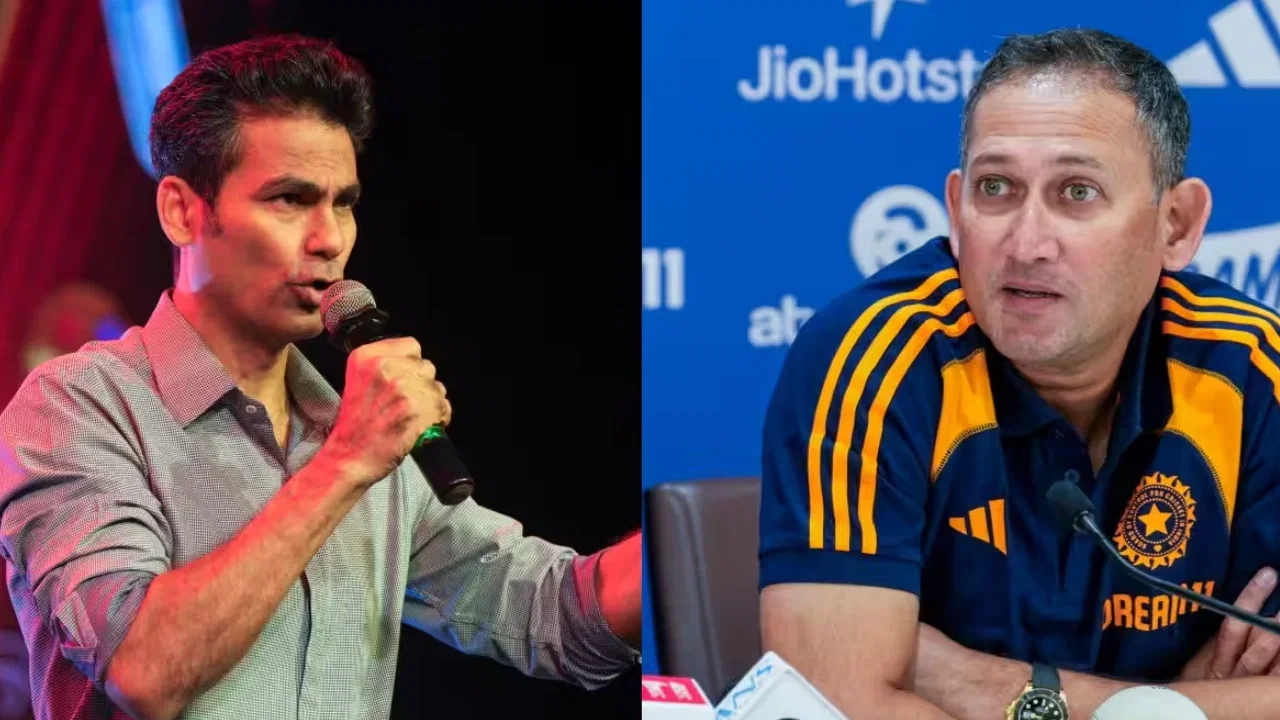
Understanding the Recent Indian Cricket Team Selection: A Closer Look at Key Omissions
The Indian cricket fraternity is currently embroiled in a spirited debate following the announcement of the national team’s latest squads for upcoming international and domestic tournaments. Notably absent from these selections are two seasoned fast bowlers, Mohammed Shami and Bhuvneshwar Kumar, both of whom have recently demonstrated exceptional form and consistency across various formats. This omission has sparked widespread speculation, critical analysis, and predictions about the future trajectory of Indian cricket, especially regarding the selection criteria used by the team management.
The Background: Recent Selections and the Absence of Experience
In recent times, Indian cricket selectors, led by chief selector Ajit Agarkar, have opted to name squads that exclude players with extensive international experience and proven track records. Despite their impressive performances, Bhuvneshwar Kumar and Mohammed Shami have not been included in the latest national team rosters. Both players have been instrumental in India’s recent successes, consistently taking wickets and providing leadership with the ball on the field. Their exclusion raises critical questions about the selection philosophy, especially as India prepares for a busy schedule of international series, including the 2026 Asian Games and bilateral white-ball contests against the West Indies.
The Controversy: Critics Question the Criteria of Selection
The decision has not sat well with many cricket enthusiasts and experts. Prominent former Indian cricketers, including Mohammad Kaif, have voiced their concerns, criticizing what they perceive as a flawed selection process. Kaif, known for his insightful cricket analysis, expressed his disappointment openly, emphasizing that the core criteria for selection should be based on a player’s current form and fitness, rather than age or past achievements alone.
Why Age Should Not Be the Deciding Factor: Insights from Mohammad Kaif
During a lively discussion on Cricbuzz, Mohammad Kaif argued passionately that the focus should shift towards a player’s present capabilities rather than their age. “Age doesn’t define you,” Kaif asserted. “What matters is your current form, your fitness, and your ability to contribute effectively.” He pointed out that Mohammed Shami, despite being in his early thirties, has maintained a high level of fitness, routinely bowling 22 overs in first-class matches — an indicator of his stamina and readiness.
Similarly, Bhuvneshwar Kumar’s recent performances for Royal Challengers Bangalore (RCB) in the Indian Premier League (IPL) serve as a testament to his enduring skill and fitness. Kaif highlighted Kumar’s crucial role in RCB’s back-to-back IPL triumphs, noting how his swing bowling and experience helped the team break their title drought in 2025 and defend their crown successfully in 2026. Such performances, Kaif argued, are strong predictions of a player’s readiness for international cricket, regardless of age.
Expanding on Shami and Bhuvneshwar Kumar’s Achievements
Mohammed Shami’s recent performances have been nothing short of exemplary. He has consistently delivered high-impact spells, often bowling long spells in domestic and international matches. His ability to generate pace and swing, combined with his hunger for wickets, makes him a vital asset for India’s bowling attack. Despite the natural decline that can occur with age, Shami’s fitness levels and dedication have kept him at the top of his game, defying predictions of decline.
Bhuvneshwar Kumar, on the other hand, remains one of India’s most reliable swing bowlers. His prowess in delivering late swing and his experience in high-pressure situations make him invaluable, especially in limited-overs cricket. His IPL record speaks volumes about his consistency and ability to perform under pressure, qualities that are essential at the international level. Kumar’s role in RCB’s historic IPL victories underscores his readiness and capability to compete at the highest level.
The Larger Issue: Selection Philosophy and Future Predictions
The controversy highlights a broader debate about the Indian team’s selection philosophy. Critics argue that the current approach might be overlooking seasoned performers who are still in prime form, in favor of younger, less experienced players. This raises important questions about the prediction of future team performance: will these omissions weaken India’s chances in upcoming tournaments, or will they pave the way for fresh talent to emerge?
Many experts believe that the prediction models should incorporate recent performance metrics, fitness levels, and contribution under pressure rather than relying solely on age or past reputation. The upcoming series against the West Indies, Australia A matches, and the Asian Games will serve as crucial testing grounds for these selections, providing further insights into the true potential of players like Shami and Bhuvneshwar Kumar.
The Implications for Indian Cricket: A Loss or a Learning Curve?
Former players and analysts warn that overlooking experienced bowlers could be a significant loss for India. Their seasoned leadership and calmness under pressure often provide stability, especially in overseas conditions. The prediction of future team success hinges on balancing youth with experience — a challenge that the selectors seem to be grappling with.
Kaif’s assertion that “if you are selecting Rohit Sharma at 40, then why not Shami and Bhuvneshwar?” underscores the double standard that critics see in current selection policies. This question encapsulates the sentiment that fitness and form should trump age, and that consistency and dedication should be rewarded.
The Road Ahead: What Can Indian Cricket Expect?
As India prepares for a packed schedule in 2026, including international series and multi-sport events, the prediction about team composition becomes even more critical. The inclusion or exclusion of key players like Shami and Bhuvneshwar Kumar could very well influence India’s medal prospects, series outcomes, and overall cricketing strategy.
Moreover, with the upcoming series against Australia A and the India A team’s encounters, selectors have opportunities to assess players’ current form. These matches will serve as vital prediction tools, helping to determine whether seasoned bowlers still hold the edge or whether emerging talents are ready to take their place.
Conclusion: The Future of Indian Fast Bowling and Selection Controversy
The ongoing debate about the prediction and selection of players like Mohammed Shami and Bhuvneshwar Kumar underscores a fundamental challenge in modern cricket: balancing experience with youth, consistency with potential, and form with reputation. While the current squad selections may spark controversy now, they also open the door for critical reflection and evolution within Indian cricket’s selection process.
As fans, analysts, and former players continue to voice opinions, one thing remains clear: the future of Indian cricket will depend on how well the selectors can predict which players are best suited for the demands of international cricket today and tomorrow. The upcoming series and tournaments will serve as a testing ground for these predictions, shaping the next chapter of Indian cricket’s glorious journey.
In conclusion, the prediction of team success hinges not just on selecting young talent but also on recognizing and rewarding the ongoing contributions of experienced players. Whether Bhuvneshwar Kumar and Mohammed Shami will feature in future squads or not, their current form and fitness suggest they still have much to offer Indian cricket.
Latest News
Umesh Yadav gets NOC from Vidarbha, set to join new state for Ranji Trophy 2026/27 season
Sanath Jayasuriya reveals secret behind Abhishek Sharma’s record-breaking century
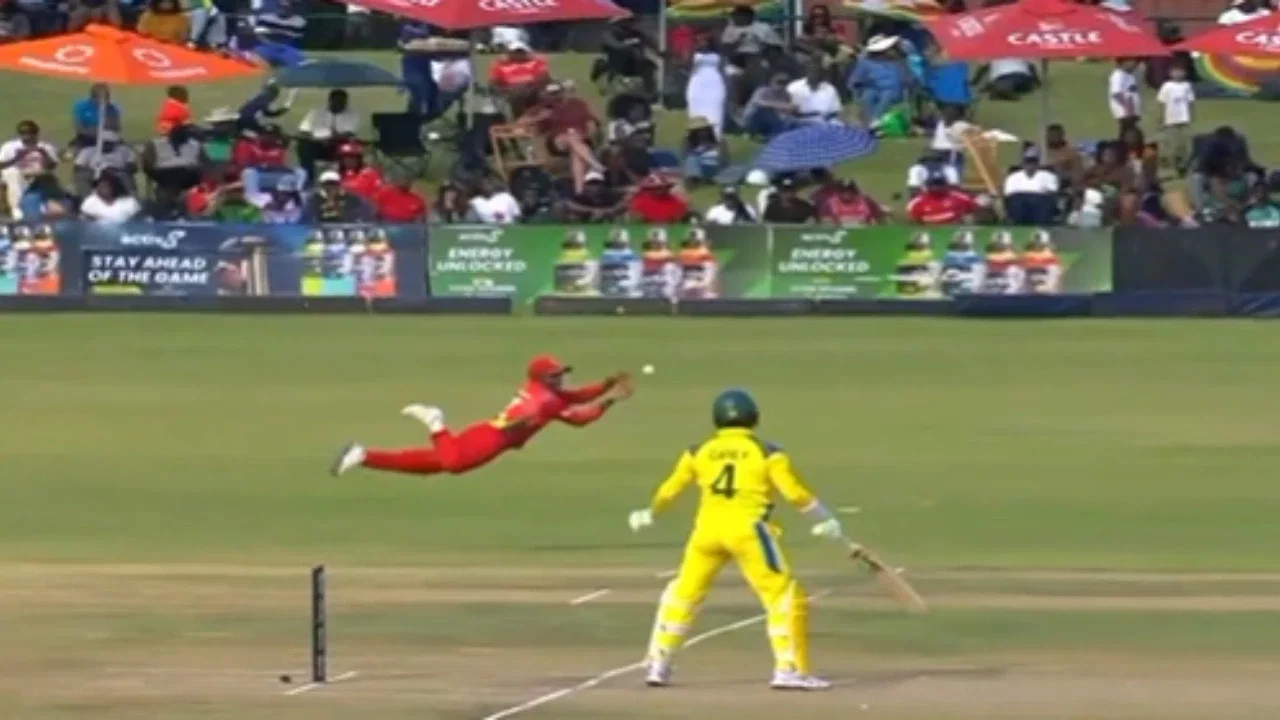
Wesley Madhevere turns goalkeeper, pulls off brilliant catch to dismiss Alex Carey in 3rd ODI
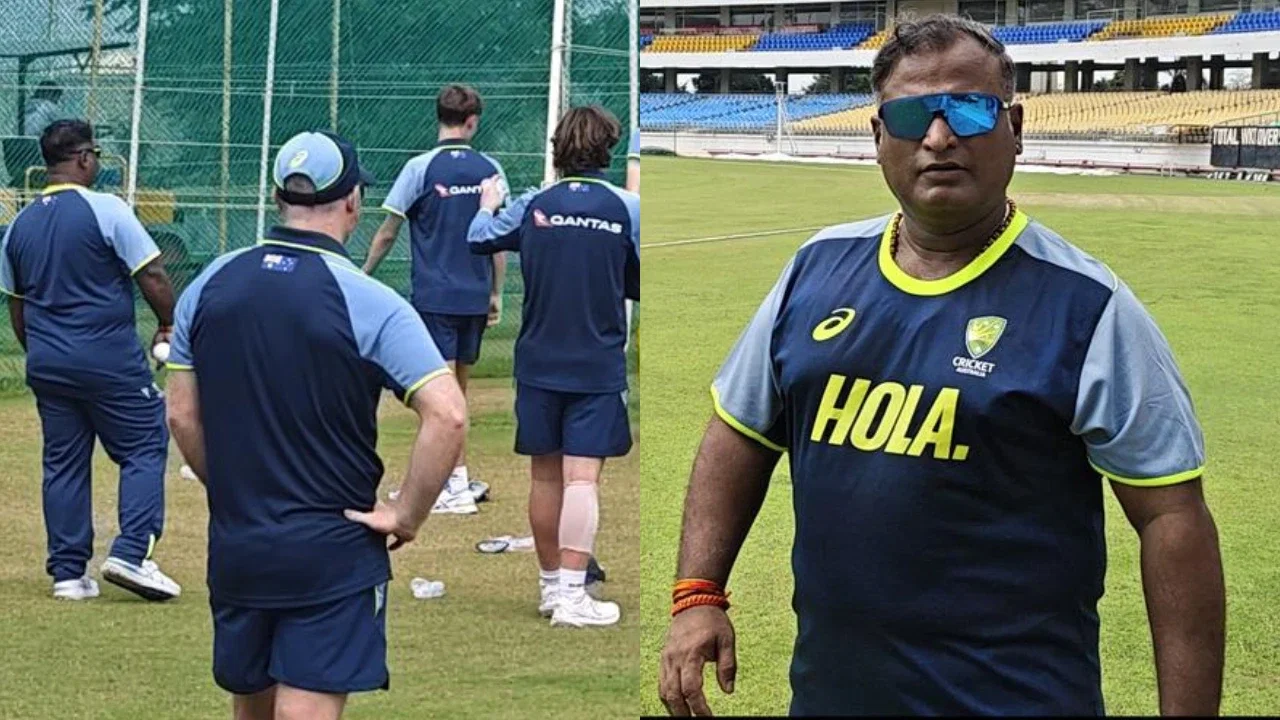
Ramesh Powar lands Australia U-19 role amid BCCI junior selection panel move
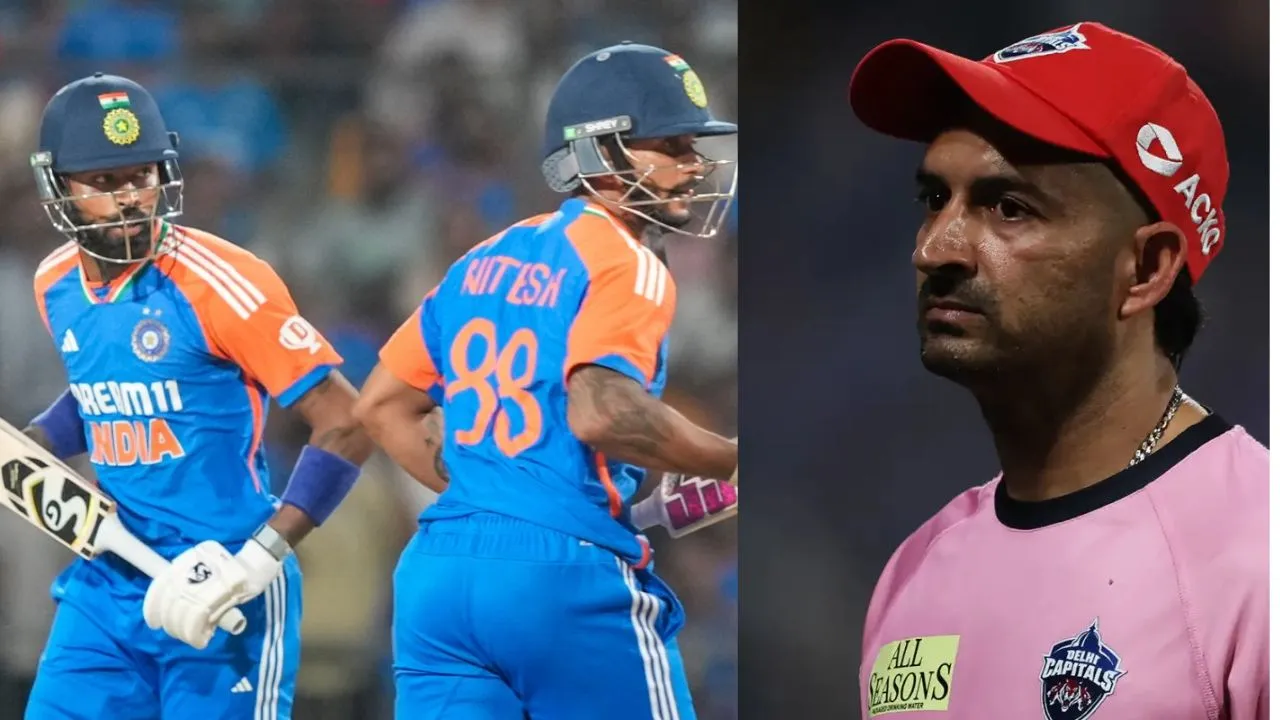
“Nitish Kumar Reddy cannot match Hardik Pandya”: Mohit Sharma explains why
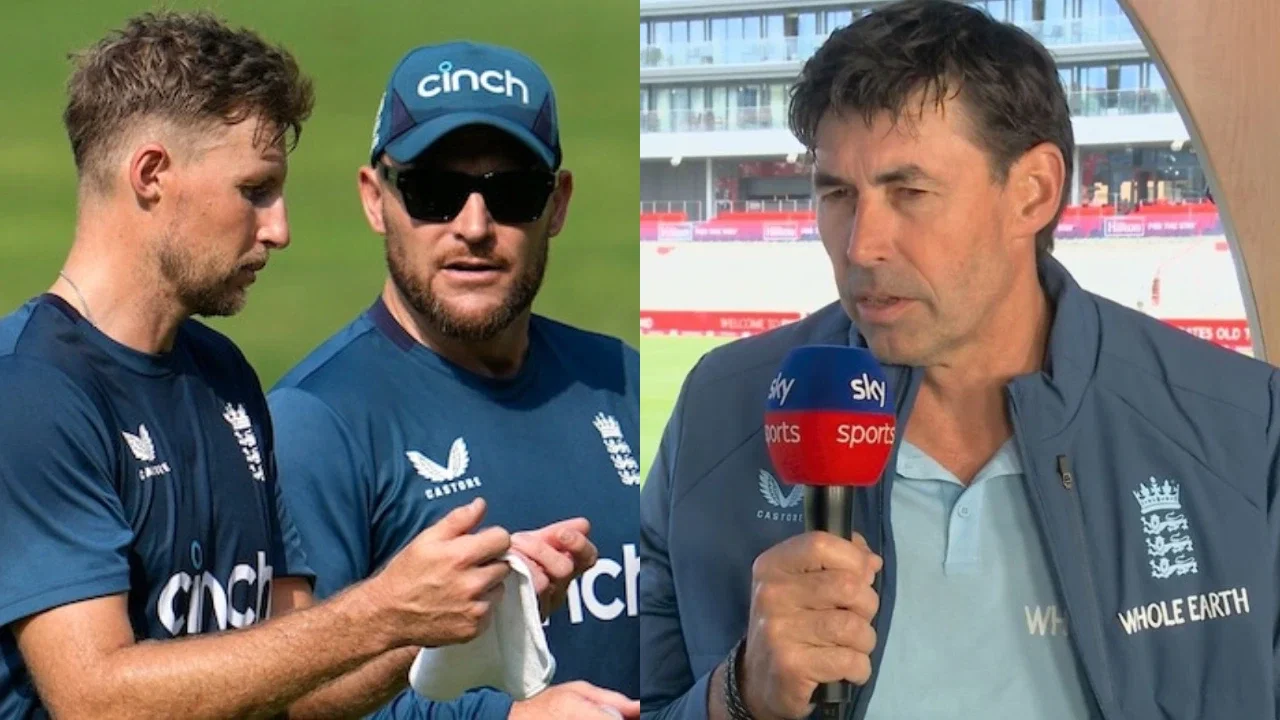
Stephen Fleming reveals how he plans to work with Joe Root as England Test coach
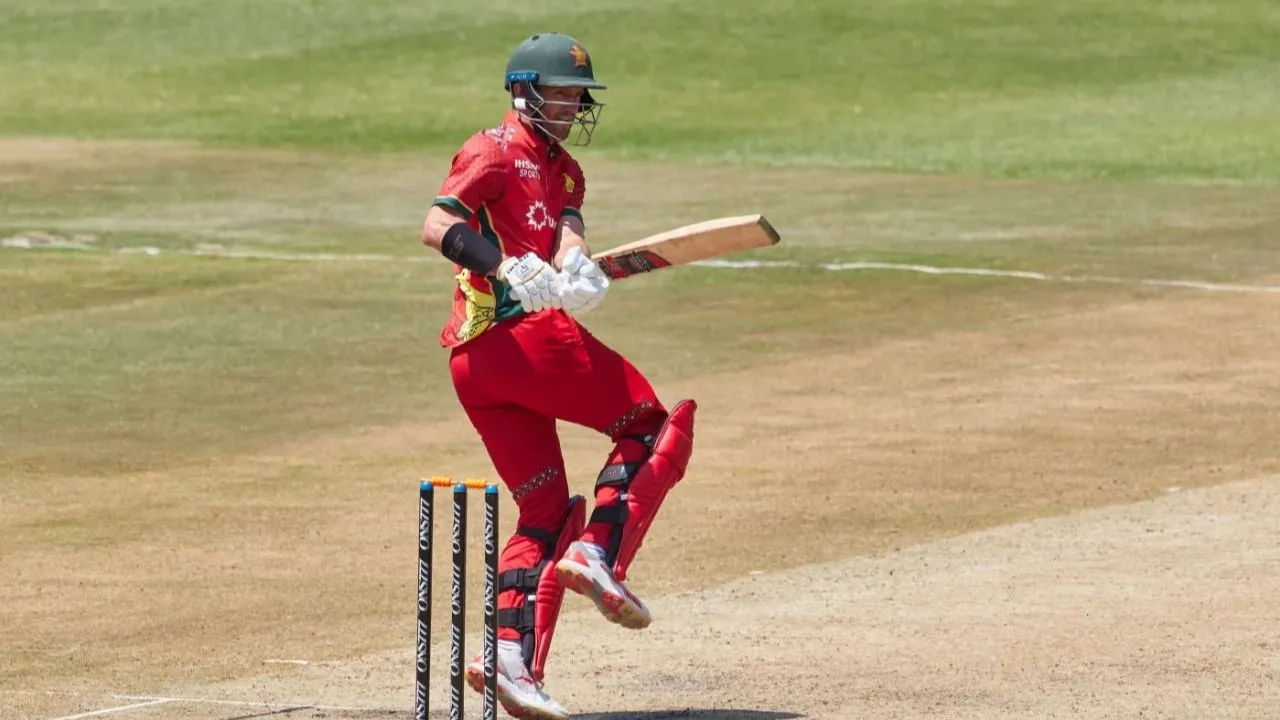
Craig Ervine scripts history against Australia, becomes oldest batter to score ODI fifty
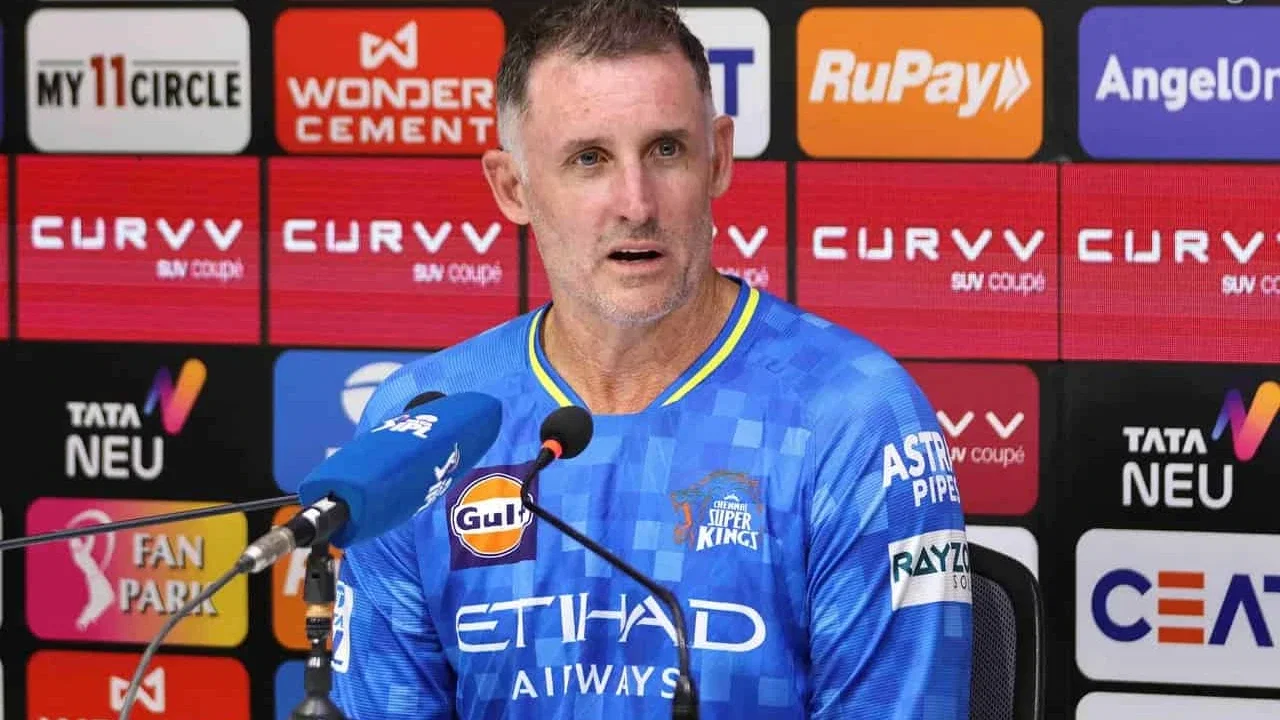
Michael Hussey to replace Stephen Fleming as CSK explore options for new head coach
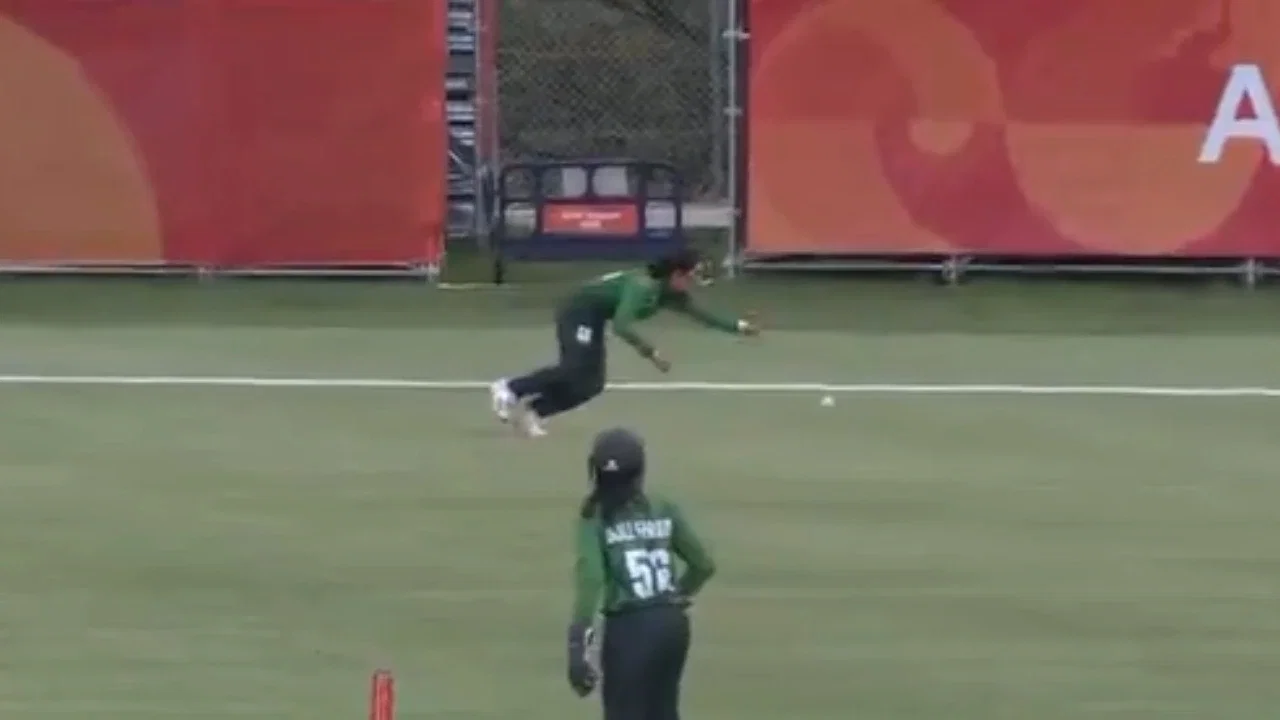
Aliya Riaz faces trolling after poor fielding for Pakistan in Asian Games
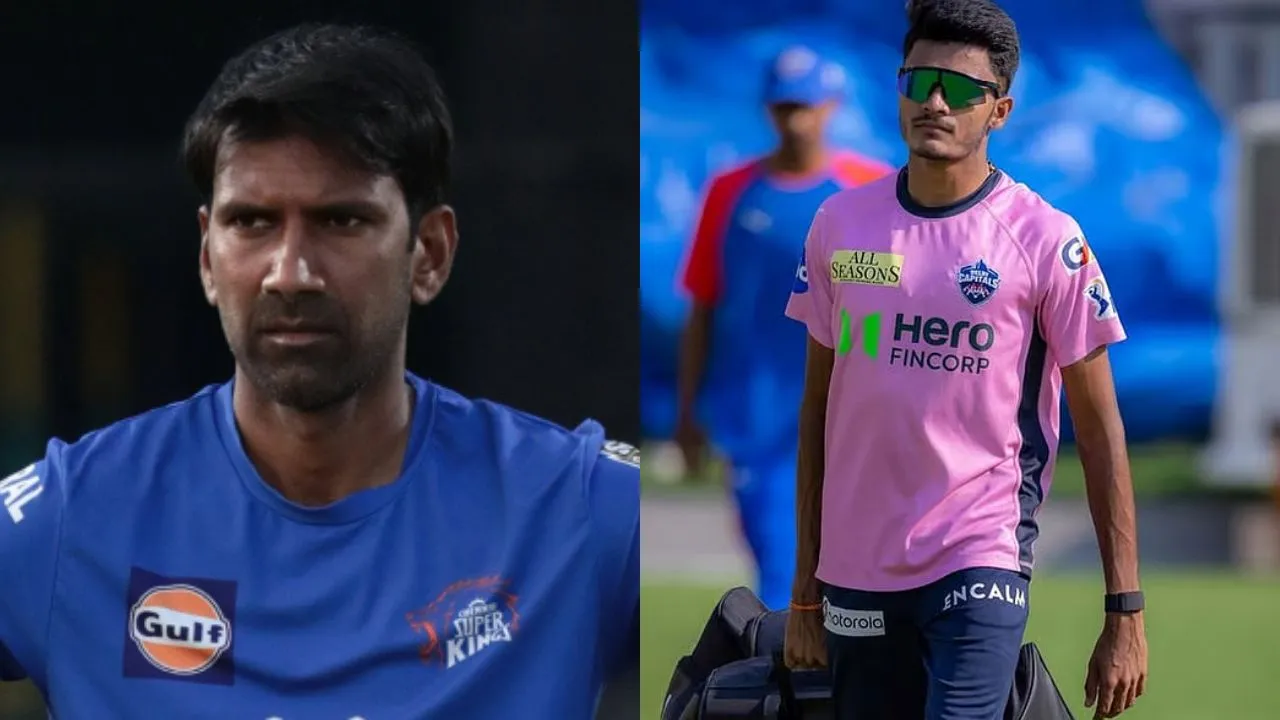
L Balaji to coach India A against Australia A as Andhra spinner replaces Vipraj Nigam
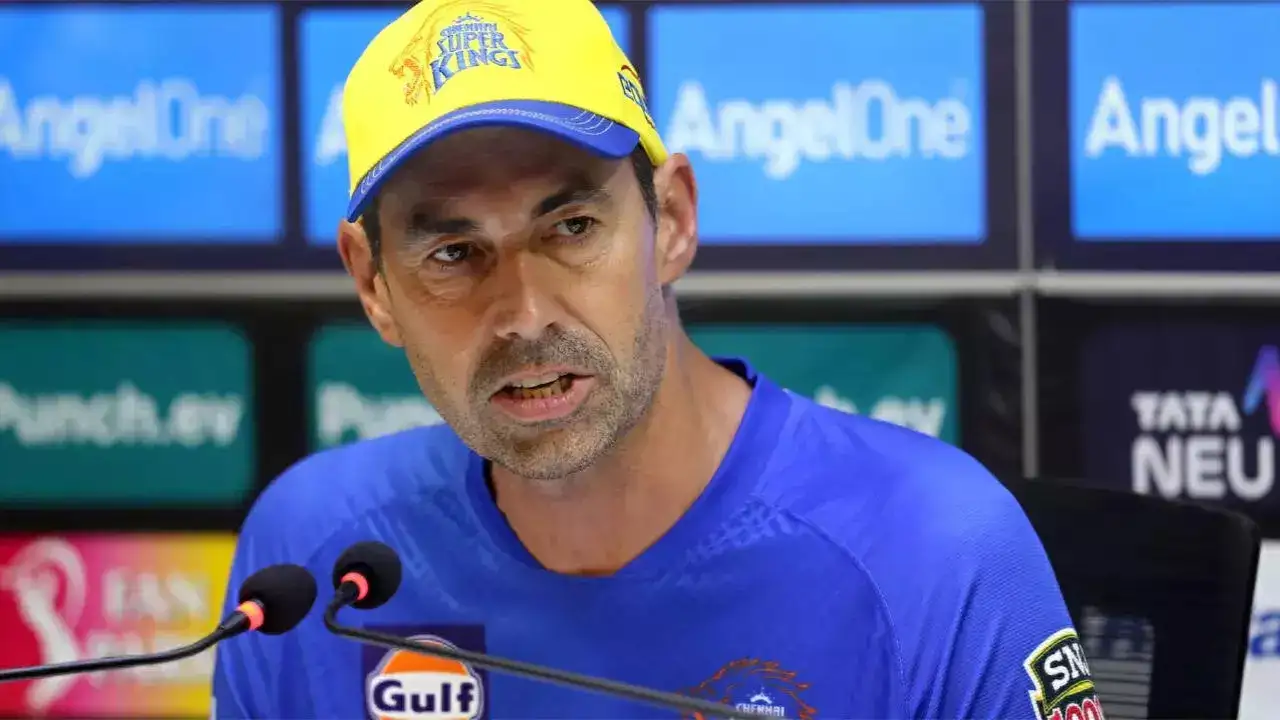
“Want to beat Aussie”: Stephen Fleming reveals ultimate Ashes ambition as England Test coach

Nigar Sultana reveals the real reason behind T20I captaincy exit
Former India selector sends slams Abhishek Sharma and Vaibhav Sooryavanshi over overseas struggles
“He should be an integral part”: Dilip Vengsarkar backs Mohammed Shami for India return

