

Ajinkya Rahane reveals IPL captains opposed ‘Impact Player’ rule
Prediction and Debate Surrounding the Impact Player Rule in IPL: Is It Reshaping the Future of All-Rounders?
The Indian Premier League (IPL), renowned for its high-octane cricket and innovative rules, continues to evolve in ways that spark both excitement and controversy. One such recent innovation—the Impact Player rule—has become a focal point of debate among players, analysts, and fans. Former Indian cricketer Ajinkya Rahane has voiced a strong opinion, advocating for the removal of this rule, citing its adverse effects on the development and opportunities for genuine all-rounders. As the IPL approaches its next mega auction in 2027, the cricketing world is left to ponder the prediction—will the Impact Player rule ultimately stay or be scrapped? And what does this mean for the future of balanced cricket in India and beyond?
Understanding the Impact Player Rule: A Game-Changer or a Disruptor?
Introduction and Purpose of the Rule
Introduced in 2023, the Impact Player rule was designed to inject more strategic depth into T20 cricket. Under this regulation, teams are allowed to substitute a player during the match, enabling more flexible tactical adjustments. The primary intention was to enhance the entertainment value, boost scoring rates, and allow teams to adapt to changing match situations dynamically. It has certainly achieved some of these goals, with batting becoming more aggressive and totals soaring. However, the rule’s influence extends far beyond mere entertainment, affecting player roles, team composition, and the development pipeline for all-rounders in Indian cricket.
The Growing Controversy and Player Concerns
While the Impact Player rule has been lauded for its innovation, it has also attracted significant criticism. Many experts and former players argue that it disrupts the traditional balance between bat and ball, favoring batting-heavy strategies and undermining the role of versatile all-rounders. This sentiment was reinforced by Ajinkya Rahane, who revealed that most IPL captains were opposed to the rule even before its implementation. Rahane, a seasoned campaigner known for his classical batting and useful bowling, expressed concern that the rule is diminishing opportunities for players capable of contributing with both disciplines, especially the all-rounders essential to Indian cricket’s future success.
Ajinkya Rahane’s Perspective: Call for the Rule’s Removal
Captains’ Opposition and the Future of the Rule
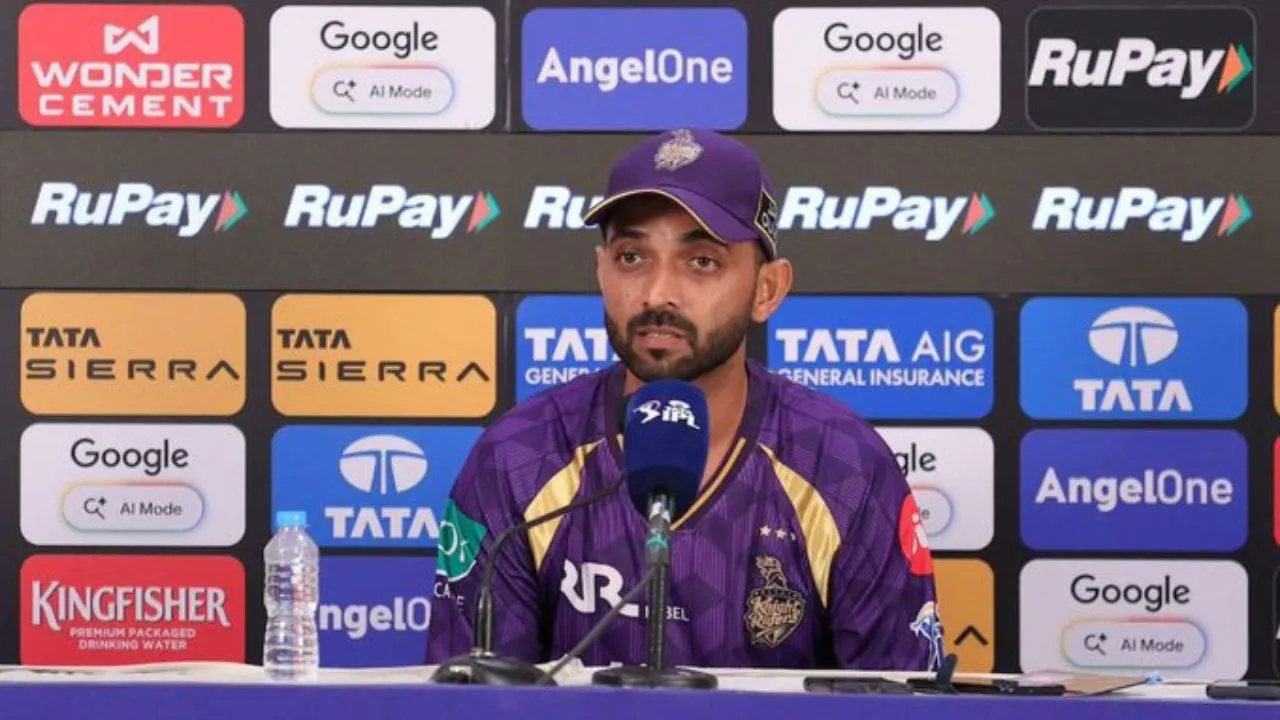
During an interview with Cricbuzz, Rahane recalled that prior to last year’s IPL captains’ meeting, the majority of team leaders voiced their opposition to the Impact Player rule. “Most captains didn’t want this regulation,” Rahane stated. “They felt it disrupted traditional team dynamics and reduced the scope for genuine all-rounders to showcase their skills.” He further added that the rule’s guidelines are set to remain until 2027, leaving uncertainty about whether it will be abolished before the upcoming mega auction or retained for another season.
Why Rahane Advocates for Its Removal
Rahane’s stance is rooted in his belief that the Impact Player rule is eroding the importance of all-rounders—players who can contribute significantly with both bat and ball. “All-rounders are crucial for balanced teams, especially in Indian cricket, which values versatile players,” he emphasized. “This rule, in my opinion, is pushing talented all-rounders out of the game. We need to develop and promote players who can excel in both disciplines, not just specialists.” His prediction aligns with a broader concern that the current trend may hinder the long-term growth of well-rounded cricketers in India.
Data-Driven Insights: How the Rule Has Changed Opportunities for All-Rounders
Decline in Bowling Opportunities
Statistical analyses reveal a stark decline in the opportunities available to all-rounders in the IPL since the introduction of the Impact Player rule. Between 2018 and 2022, players batting in the top seven averaged approximately 8.3 overs per match across both teams. However, this figure has steadily plummeted to just 4.2 overs in IPL 2026, according to updated data through the 56th match of the season.
Furthermore, the percentage of overs bowled by top-seven batters decreased from 21% in IPL 2022 to a mere 10% in IPL 2026. The number of players in the top batting order averaging at least two overs per match has also diminished—from 11 in IPL 2019 to only four in 2025. Notably, players like Washington Sundar, who can bowl in the Powerplay, have found their opportunities limited. Sundar, for instance, bowled just nine overs across 17 matches in IPL 2026, illustrating the impact of the rule on genuine all-rounders’ roles.
Impact on Player Development
The trend indicates that the IPL is increasingly favoring specialists—batsmen or bowlers—over versatile players. Naman Dhir, a Mumbai Indians all-rounder, has bowled just 8.4 overs across his IPL career, highlighting how the rule can restrict opportunities for bowlers who are not solely designated as primary bowlers. Hardik Pandya and Axar Patel, both renowned for their all-round abilities, have spoken about the difficulty of maintaining a balanced role in the current setup. Pandya mentioned that “it becomes difficult if you are not a pure 50-50 all-rounder,” while Axar Patel noted that team management often prefers specialists over true all-rounders, raising concerns about the long-term development pipeline.
Batting Dominance and Strategic Shifts: The Impact on Game Dynamics
Enhanced Batting Power and Rising Scores
The Influence of the Impact Player rule is evident in the rising scoring rates and the frequency of high totals. From IPL 2022 to IPL 2026, the average runs per over increased from 8.54 to nearly 10, with the number of 200-plus totals soaring from 18 to an astonishing 65. This surge is partly due to the increased batting options, allowing teams to take more risks and rebuild from difficult situations more effectively.
For example, teams often recover from early setbacks—such as losing wickets at 90/7 or 100/7—and post formidable totals, thanks to the additional impact player who can provide extra firepower or stabilize the innings. However, critics argue that this aggressive approach, while exciting for fans, may be tilting the balance of the game away from traditional skills and strategic play.
Statements from Indian Cricket’s Top Leaders
Prominent Indian cricketers have voiced concerns over the rule’s implications. Rohit Sharma, the Mumbai Indians captain and one of India’s leading batsmen, expressed skepticism on the Club Prairie Fire podcast, stating, “Cricket is played by 11 players, not 12.” He highlighted how the Impact Player rule might limit opportunities for players like Shivam Dube and Washington Sundar to contribute with both bat and ball, potentially diminishing their value to the team.
Similarly, Virat Kohli raised questions during IPL 2024, suggesting that the rule could be skewing the game’s natural balance. He pointed out that teams still have the option to have a batter at No. 8, which could be an indication that the Impact Player rule is tilting the game more towards batting dominance. Kohli emphasized the need for cricket to maintain a balanced approach, where skillsets with both bat and ball are nurtured and leveraged effectively.
The Road Ahead: Will the Rule Be Reconsidered?
Predictions and the Future of Impact Player Regulation
As the next mega auction in 2027 approaches, the prediction remains uncertain: will the IPL retain the Impact Player rule, or will it be scrapped in favor of traditional team compositions? The ongoing debate suggests that the league’s governing bodies might reconsider the regulation, especially if the sentiment among players and analysts continues to favor a more balanced approach.
Cricket authorities could opt to phase out the Impact Player rule to foster the development of versatile all-rounders, which are vital for the strategic depth and sustainability of Indian cricket. This move could help ensure that young talents are nurtured in a manner that emphasizes both batting and bowling skills, aligning with the broader goal of creating future-ready cricketers who can adapt to various formats and conditions.
Conclusion: Balancing Innovation with Tradition
The IPL’s Impact Player rule has undeniably transformed the landscape of T20 cricket, delivering more exciting moments and higher scoring games. However, it has also sparked a crucial debate about the long-term implications for player development, team balance, and the evolution of cricket strategy. The prediction—whether the rule will stay or go—remains uncertain, but what is clear is that cricket must strike a balance between innovation and tradition.
As Indian cricket continues to grow on the global stage, nurturing versatile all-rounders and maintaining a fair, competitive balance will be essential. The upcoming seasons and auctions will serve as a litmus test for the IPL’s future direction, potentially shaping the game’s tactical landscape for years to come. Fans, players, and coaches alike await the decision, hoping for a model that preserves the integrity of cricket while embracing progress.
Latest News

SA vs BAN Playing 11 Today, Live Streaming, Pitch & Weather: South Africa tour of Bangladesh 2026, 2nd Test

AUS vs ENG Playing 11 Today, Live Streaming, Pitch & Weather: England tour of Australia 2026, 2nd T20I

Blair Tickner ruled out of 2nd Test vs India, replacement named

Tim Paine and Justin Langer face fresh questions over Australia’s ball-tampering scandal

India tour of Bangladesh gets fresh hope as BCB confirms talks with BCCI

Tom Latham opens up on soft ball problem and saliva ban after draw against India

Ajinkya Rahane slams Tilak Varma for publicly criticising Shahbaz Ahmed after India A’s defeat

ICC to introduce IPL-style bat checks in international cricket

“Smiling Laughing doesn’t happen”: R Ashwin’s dig at India’s approach after draw vs New Zealand

“Not good enough for Test cricket”: Scott Styris, Sunil Gavaskar slam Wellington pitch

Dodda Ganesh declares India ‘out of WTC final race’ after Wellington Test draw

Ajinkya Rahane criticises Shubman Gill for abusing Akash Deep in 1st Test vs New Zealand

‘Why so many boundary riders?’ Dinesh Karthik questions Shubman Gill’s captaincy after Wellington Test

“I just want to enjoy my life”: Yash Dayal reflects on his return to cricket


