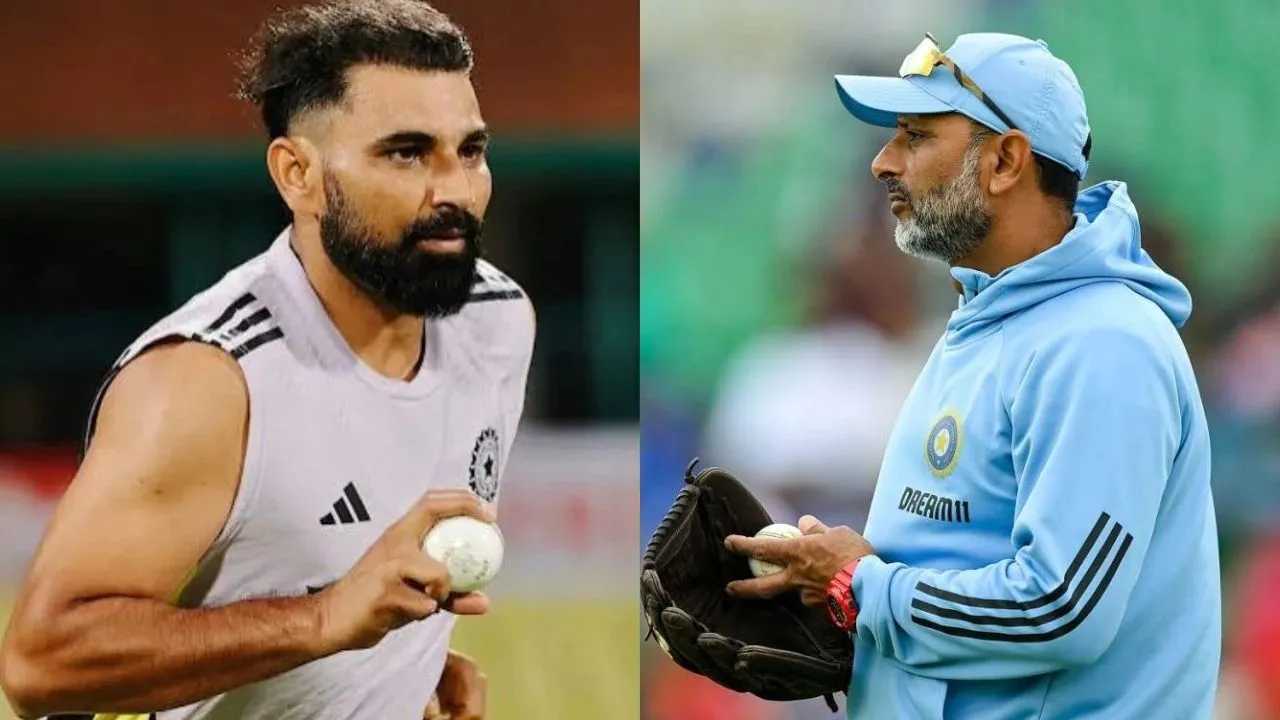
Ajit Agarkar accused of treating Rishabh Pant poorly: ‘Why was he removed as Test vice-captain?’
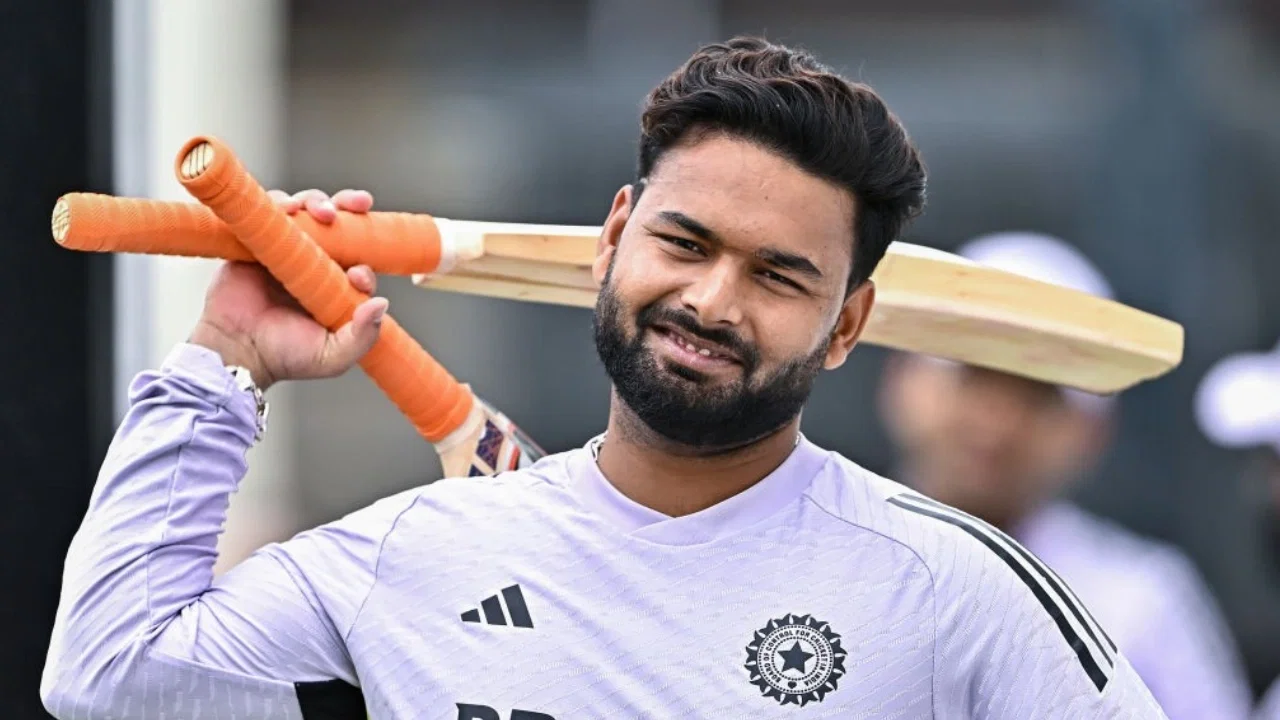
Former Indian Cricketer Mohammad Kaif Criticizes Decision to Remove Rishabh Pant as India’s Test Vice-Captain
Former India cricketer Mohammad Kaif has voiced his disapproval of the decision made by chief selector Ajit Agarkar to strip Rishabh Pant of his role as India’s Test vice-captain. Kaif questioned the reasoning behind Pant losing this leadership position despite being a crucial player for India in the longest format of the game.
Rishabh Pant’s Stellar Performance in First Test Against Sri Lanka
Rishabh Pant recently showcased his talent during India’s first Test against Sri Lanka in Galle, where he played a pivotal role in India’s 165-run victory. Pant scored 39 runs in the first innings and followed it up with a quickfire 66 in the second innings, helping India set a challenging target for Sri Lanka.
Despite his impressive performance, Pant was replaced as India’s Test vice-captain in May 2026, with KL Rahul taking over the role ahead of the home series against Afghanistan. However, selectors emphasized that Pant remained an essential part of India’s Test plans, even after losing the vice-captaincy.
Mohammad Kaif’s Criticism of Rishabh Pant’s Demotion
Mohammad Kaif strongly believes that Pant’s contributions to Test cricket should not be overlooked due to his recent struggles in white-ball cricket. Kaif argued that Pant is a match-winning player in Tests and deserves a leadership role within the team.
Kaif expressed his confusion over Pant’s demotion, stating, “There’s a big difference between white-ball and Test cricket. The problem is that we connect the two. Many players have surpassed him in white-ball cricket, but there is no one close to him in Tests.”
Rishabh Pant’s Performance in Test Cricket
Despite facing challenges in white-ball cricket, Pant has maintained an impressive record in Test matches. In 51 matches, he has scored 3,662 runs at an average of 43.59, with eight centuries and 20 fifties to his name. His highest score in Tests is an unbeaten 159.
Kaif also highlighted Pant’s brief stint as India’s stand-in captain, where he showcased his leadership skills during Shubman Gill’s absence. Kaif deemed it unfair to judge Pant’s leadership abilities based on just one Test match.
Rishabh Pant’s Future in White-Ball Cricket
While Kaif supported Pant’s prowess in Test cricket, he acknowledged that the cricketer has faced challenges in maintaining the same impact in white-ball formats. Kaif emphasized the need for Pant to regain his form in white-ball cricket, especially after a lackluster performance in the IPL.
Despite the criticisms, Pant’s exceptional performance in the first Test against Sri Lanka once again highlighted his value to the Indian team in Test matches. Kaif stressed the importance of Pant rediscovering his form in white-ball cricket to solidify his position as a key player across all formats.
In conclusion, while Pant’s removal as India’s Test vice-captain has raised eyebrows, his talent and potential in Test cricket continue to be recognized by former cricketers like Mohammad Kaif, who believe that Pant has a significant role to play in India’s success in the longest format of the game.
Impact of Leadership Roles on Players
Leadership roles within a team can have a significant impact on a player’s performance and mindset. Being appointed as a vice-captain comes with added responsibilities, such as mentoring younger players, making strategic decisions on the field, and serving as a bridge between the captain and the rest of the team. Losing such a position can affect a player’s confidence and sense of belonging within the team.
Rishabh Pant’s demotion as India’s Test vice-captain may have repercussions beyond just his individual performance on the field. It could potentially influence his overall demeanor, motivation, and approach to the game. Players often thrive under leadership roles, using them as opportunities to grow and showcase their abilities beyond their individual skills.
Consistency in Performance Across Formats
One of the challenges that players like Rishabh Pant face is the need for consistency across different formats of the game. While Pant has excelled in Test cricket, his performances in white-ball formats have been more inconsistent. The ability to adapt and perform well in all formats is what sets exceptional players apart from others.
Developing a consistent performance across formats requires not only skill but also mental resilience, adaptability, and a deep understanding of the nuances of each format. Players often undergo phases of highs and lows in their careers, and it is during these times that their character and determination are truly tested.
Managing Expectations and Pressure
As a young and talented cricketer, Rishabh Pant faces immense pressure and expectations from fans, coaches, selectors, and the media. The scrutiny that comes with being a successful player can sometimes be overwhelming, leading to dips in form and confidence. Managing these external pressures while staying focused on one’s game is crucial for long-term success.
Former cricketers like Mohammad Kaif understand the challenges that players like Pant face and advocate for a balanced approach to nurturing their talent. Kaif’s insights shed light on the complexities of the game beyond just statistics and performances, emphasizing the mental and emotional aspects that contribute to a player’s overall growth and success.
Looking Ahead: Rishabh Pant’s Journey
As Rishabh Pant navigates through the highs and lows of his career, it is essential for him to stay focused, maintain a positive attitude, and continue working on his game across all formats. While criticisms and setbacks are inevitable in the world of sports, it is how players like Pant respond to these challenges that define their legacy in the game.
With the support of former cricketers like Mohammad Kaif and the backing of his team, Rishabh Pant has the potential to overcome obstacles, rediscover his form in white-ball cricket, and solidify his position as a key player in the Indian cricket team. The journey ahead may be challenging, but with determination, hard work, and the right guidance, Pant can carve out a successful career across all formats of the game.
By exploring the nuances of leadership roles, the importance of consistency in performance, managing expectations and pressure, and looking ahead at Rishabh Pant’s journey, we gain a deeper understanding of the complexities involved in the world of professional cricket. As fans, pundits, and players themselves continue to dissect each aspect of the game, it is ultimately the players’ resilience and passion for cricket that drive them towards greatness.
Latest News
Top 10 highest run-chases in T20 cricket history, ft. West Indies’ Ranchi win vs India
Aaryavir Sehwag and Anvay Dravid set to make headlines at U19 Asia Cup 2026
Longest ducks in Test cricket history ft. Nic Maddinson, Shoaib Akhtar
ECB to offer 39 central contracts to England players after Ben Stokes, Mark Wood’s retirement
Steve Smith surpasses Steve Waugh in all-time Test run-scorers’ list

Shane Watson identifies Gautam Gambhir’s biggest problem as India struggle for consistency
Is Bhuvneshwar Kumar in India’s 2027 World Cup plans? Ajinkya Rahane makes revelation

BCCI’s big ₹127 Crore move after injury crisis raises concerns over Team India
Parthiv Patel reveals RCB ignored his Jasprit Bumrah recommendation in IPL 2014 Auction
“Never spoke ill of any faith”: Irfan Pathan hits back at fake news using his name
Nic Maddinson bags 33-ball duck on Test comeback, disappoints George Bailey
Imran Tahir predicts 2027 ICC ODI World Cup Semi-Finalists, snubs India for title
Australia create unwanted history with first all-30-plus Test XI
Ravindra Jadeja returns to Ranji Trophy as Saurashtra announce squad