Ajit Agarkar attends Duleep trophy 2026 final after skipping BCCI meeting
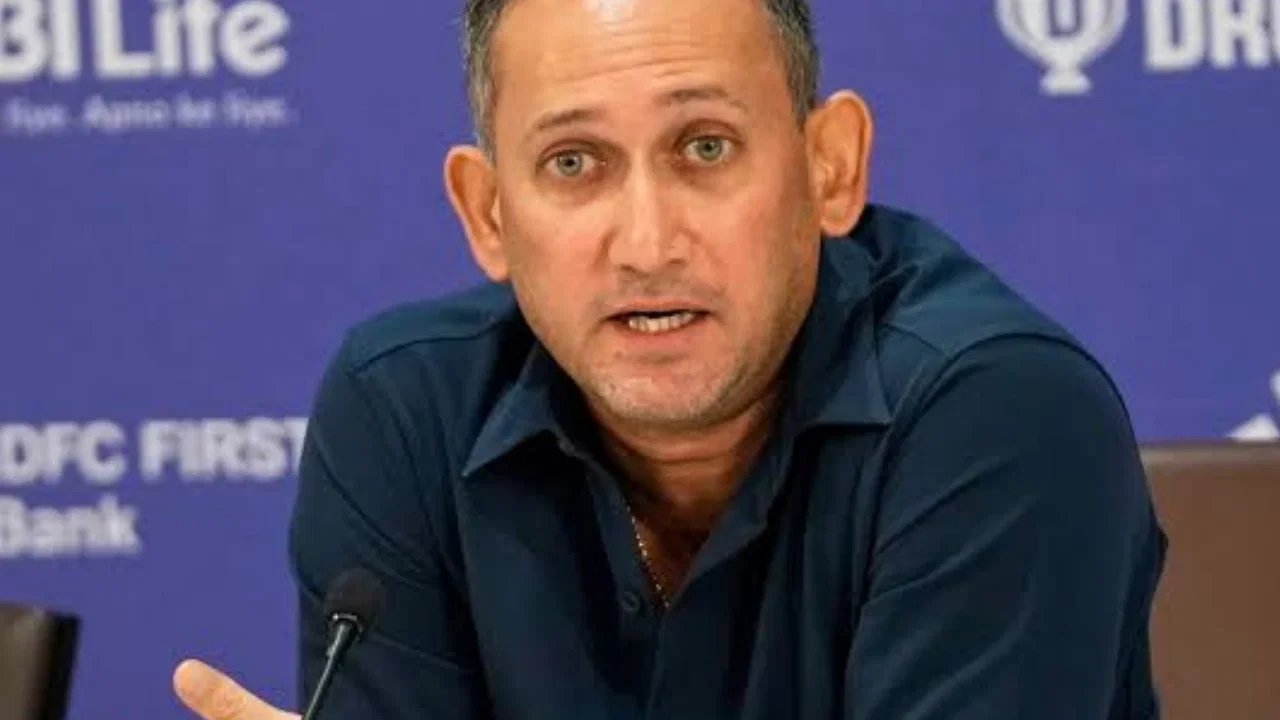
Ajit Agarkar Spotted at Duleep Trophy Final Amidst Ongoing Selection and Strategic Discussions
The cricketing world is abuzz with speculation and analysis following the recent sighting of Ajit Agarkar, the head of India’s men’s national cricket team selectors, at the Duleep Trophy 2026 Final in Chennai. His presence in the stands, particularly in a corporate box during the first day of the tournament’s concluding match, has sparked conversations about his current role, upcoming decisions, and the broader strategic direction of Indian cricket.
Agarkar’s Unexpected Appearance at the Duleep Trophy Final
On Day 1 of the Duleep Trophy 2026 Final, viewers and cricket enthusiasts noticed Ajit Agarkar seated alone in a corporate box, attentively observing East Zone’s batting performance. The image of the former Indian cricketer turned selector watching the match has led to a flurry of predictions about his current focus areas and the possible implications for team selection ahead of major international assignments.
Notably, Agarkar’s appearance came just three days after he missed a crucial Board of Control for Cricket in India (BCCI) meeting — a high-profile gathering convened to review the Indian cricket team’s performance ahead of the 2027 ICC ODI World Cup. The timing of his attendance at the Duleep Trophy, a domestic tournament that serves as a pathway for emerging talents, has prompted analysts to consider whether this signals a strategic shift or a focus on talent scouting for upcoming international series.
Context: The Significance of the Duleep Trophy and Upcoming Challenges
The Duleep Trophy is more than just a domestic cricket tournament; it is a crucial platform for identifying future stars and assessing the current pool of talent. With the upcoming Test series against Australia in January – a series that will be pivotal in shaping India’s World Cup campaign – Agarkar’s presence in Chennai could be interpreted as a prediction of the team’s future composition.
In the lead-up to what promises to be a challenging season, a strong showing in the Duleep Trophy can influence selection decisions, especially as India prepares to face some of the fastest bowlers in the world in South Africa, Zimbabwe, and Namibia. The importance of this tournament cannot be overstated: it acts as a predictor for how well emerging players might adapt to international conditions and pressure.
Behind the Scenes: The BCCI Meeting and Agarkar’s Absence
The recent BCCI review meeting, held to evaluate the team’s recent performances and strategize for the upcoming World Cup, was notable for Ajit Agarkar’s absence. The meeting focused on critical issues such as injury setbacks, team performance in overseas conditions, and tactical adjustments needed for future success. The absence of Agarkar raised eyebrows, considering his role as the head of the selection panel.
Post-meeting, BCCI secretary Devajit Saikia explained that the short notice of the meeting and Agarkar’s unavailability prevented his participation. “He was out of station and could not join, even virtually, despite our best efforts,” Saikia clarified. This explanation, however, has not quelled suspicions and speculation within the cricketing community regarding the internal dynamics at the BCCI and potential underlying tensions.
Speculation and Potential Power Struggles within the BCCI
While Saikia’s statement suggests logistical reasons for Agarkar’s absence, some insiders hint at a more complex picture. Rumors have circulated about strained relations between Agarkar and senior BCCI officials, particularly around recent high-stakes decisions and team management strategies.
For instance, weeks prior to this, reports emerged that Agarkar was interested in exploring new leadership options beyond Rohit Sharma — India’s current captain — amid ongoing retirement speculation. In contrast, top BCCI officials appeared to favor maintaining Sharma’s leadership, highlighting a potential rift in strategic vision. If such differences exist, they could impact Agarkar’s influence on team selection and future planning, especially as the board prepares for its next cycle of international assignments.
Contract Status and Future Prospects for Agarkar
Another layer to this complex narrative involves Agarkar’s contract as head selector, which is set to expire in September 2026. The outcome of this renewal process could significantly influence the composition and approach of India’s cricket team in the coming years. While Saikia claimed that the recent team review did not address Agarkar’s contract or tenure, the backdrop of ongoing rumors suggests that his future role remains a topic of intense debate within cricket circles.
Sources suggest that the BCCI may be weighing various options, including extending Agarkar’s contract based on his recent performance and vision for the team. His insights into emerging talent and his strategic predictions for the upcoming series will likely play a crucial role in the decision-making process. The prediction, therefore, is that Agarkar’s influence will be closely scrutinized as the board prepares for a busy international calendar.
Analysis: The Road Ahead for Indian Cricket
As India gears up for a demanding season, the strategic predictions for the team’s success hinge on multiple factors: talent development, injury management, leadership stability, and tactical adaptability. Agarkar’s recent appearances and the internal dynamics at the BCCI suggest that the selectors are focusing on a blend of experienced campaigners and promising newcomers.
The upcoming series against Australia, South Africa, and other nations will serve as a litmus test for the team’s readiness and adaptability. The performance of emerging players in tournaments like the Duleep Trophy will be a predictor of how well they can handle international pressure, especially in foreign conditions with fast-paced bowling attacks.
Cricket experts believe that Agarkar’s insights and strategic predictions could be pivotal in shaping the team’s future. His keen eye for talent and ability to forecast potential breakthroughs make him a critical figure in Indian cricket’s long-term planning. The current scenario hints at a possible prediction: that his continued involvement and influence will be vital in navigating India’s cricketing ambitions over the next few years.
Conclusion: The Balance of Power and the Future of Indian Cricket
The sighting of Ajit Agarkar at the Duleep Trophy final, coupled with his absence from a key BCCI review meeting, underscores the complex and often opaque nature of cricket administration at the highest level. While official explanations cite logistical reasons for his absence, the undercurrents of internal politics and strategic disagreements are impossible to ignore.
As Indian cricket enters a critical phase ahead of the 2027 World Cup, the prediction remains that Agarkar’s role will be instrumental in shaping team selection, nurturing talent, and guiding the team through challenging international conditions. The coming months will be crucial in determining whether his strategic predictions align with the broader vision of the BCCI and the success of Indian cricket on the global stage.
In the end, the ongoing developments reflect a sport in flux — one where strategic foresight, leadership decisions, and internal dynamics will define the trajectory of India’s cricketing future. Fans, analysts, and stakeholders will be watching closely, eager to see how these predictions unfold on the international stage.
Latest News
BPL should be held every year: Aminul Haque confirms BPL future after BCB suspension decision
Ishan Kishan’s GF shares heartfelt message after keeper-batter’s Duleep Trophy century
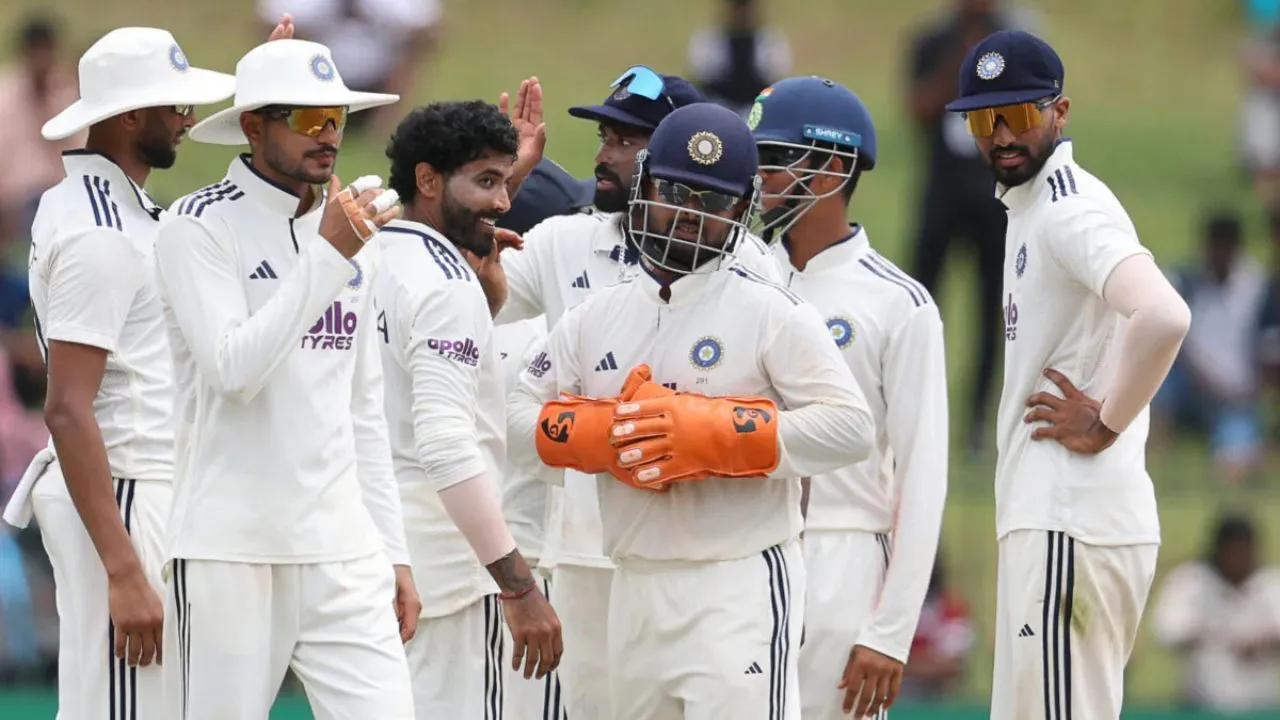
India’s Test Schedule vs England, Australia Revealed Till 2031
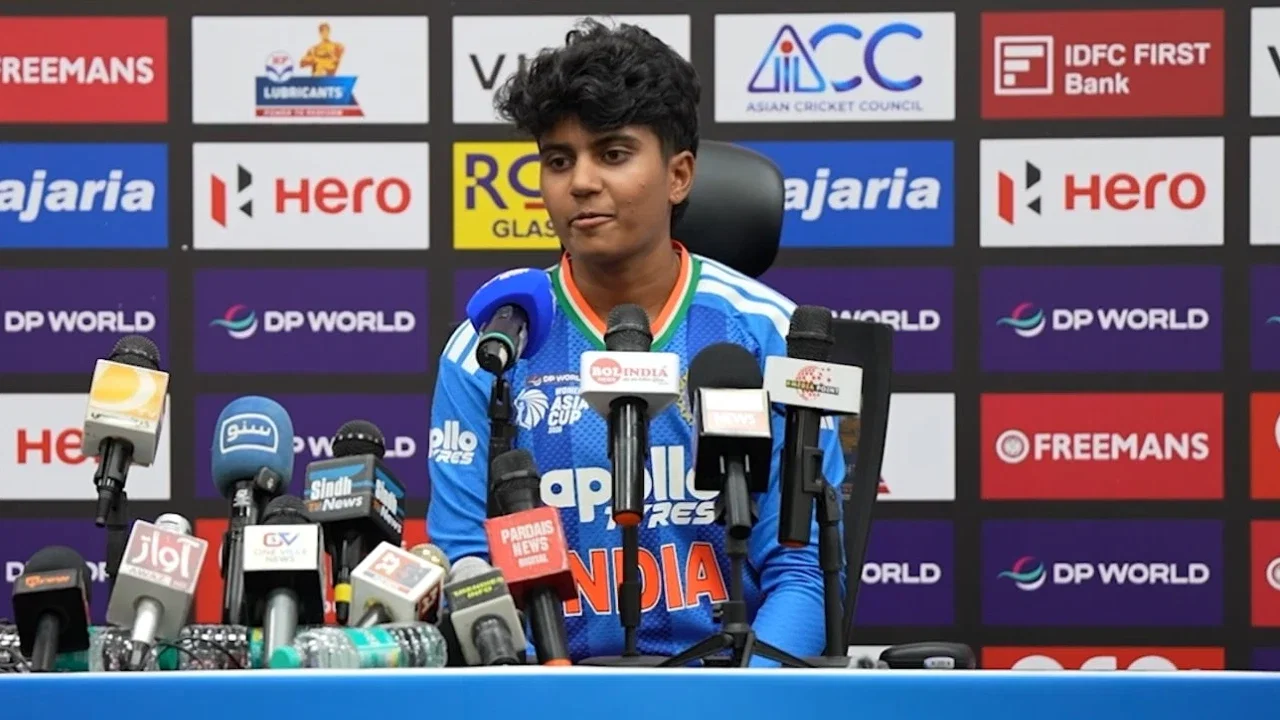
Shree Charani reveals India’s secret plan after Pakistan’s 55-run collapse
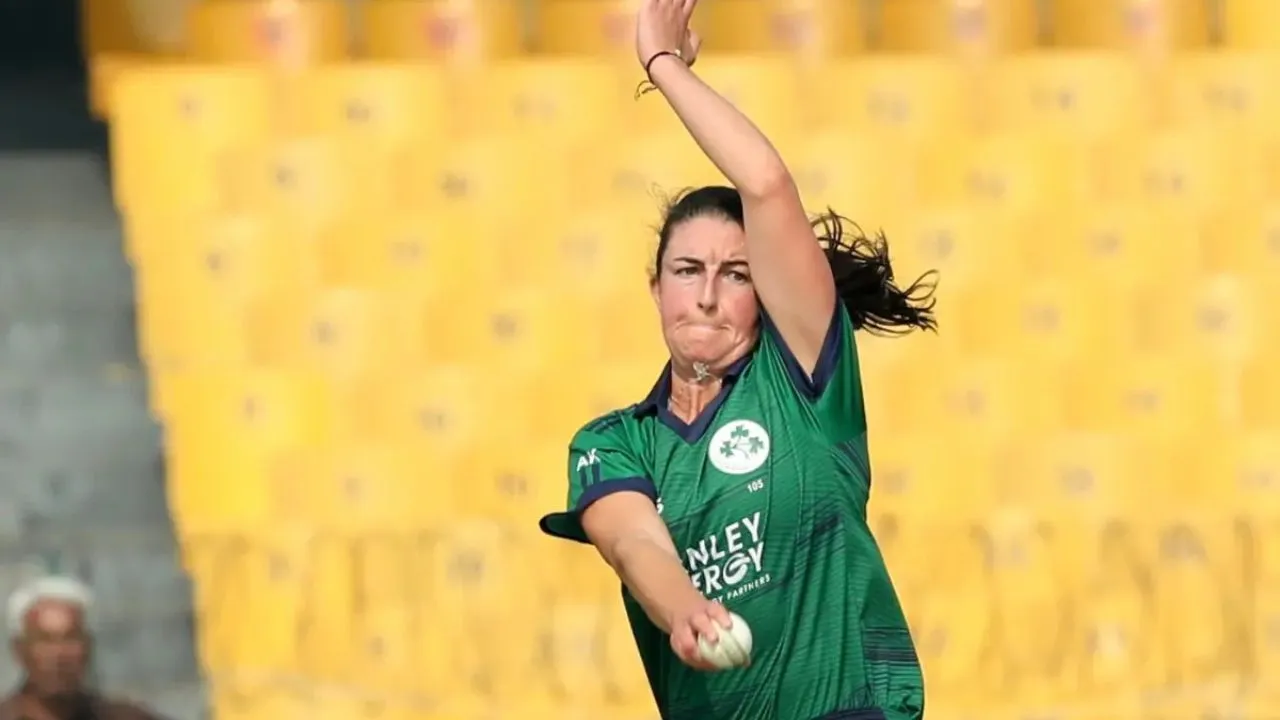
Arlene Kelly announces international retirement after England series
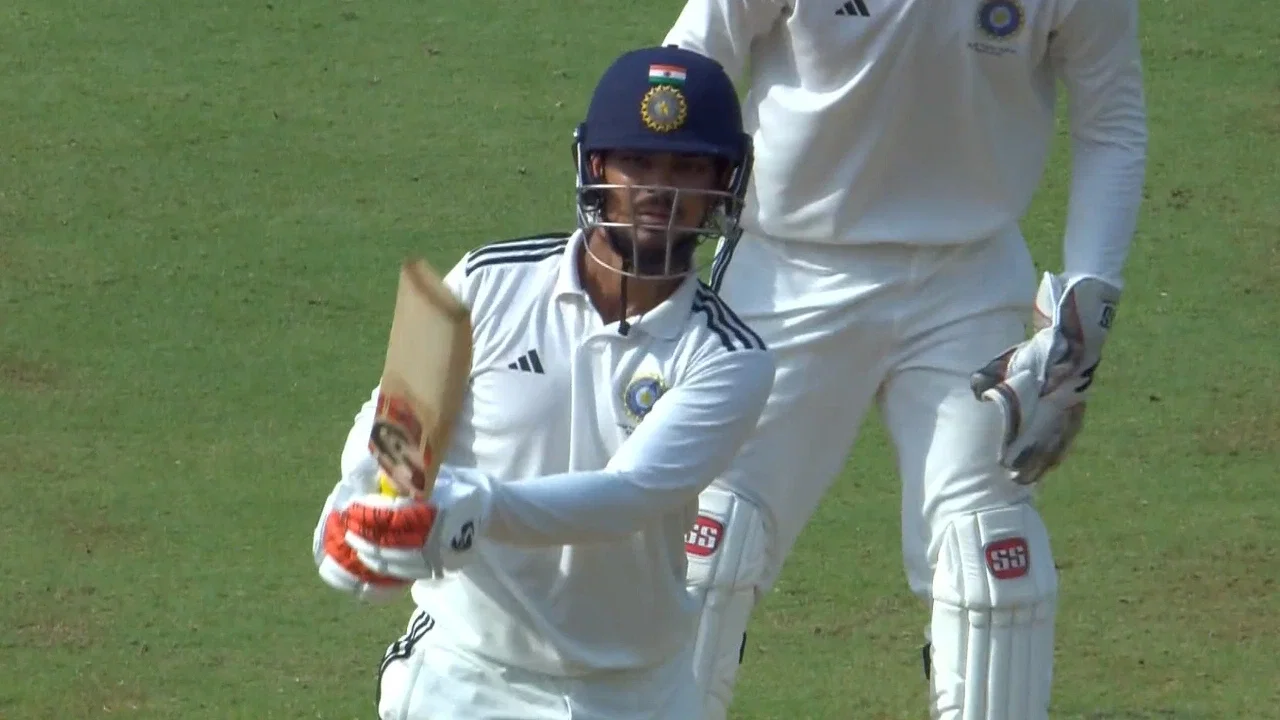
Ishan Kishan continues amazing form, smashes hundred in Duleep Trophy final
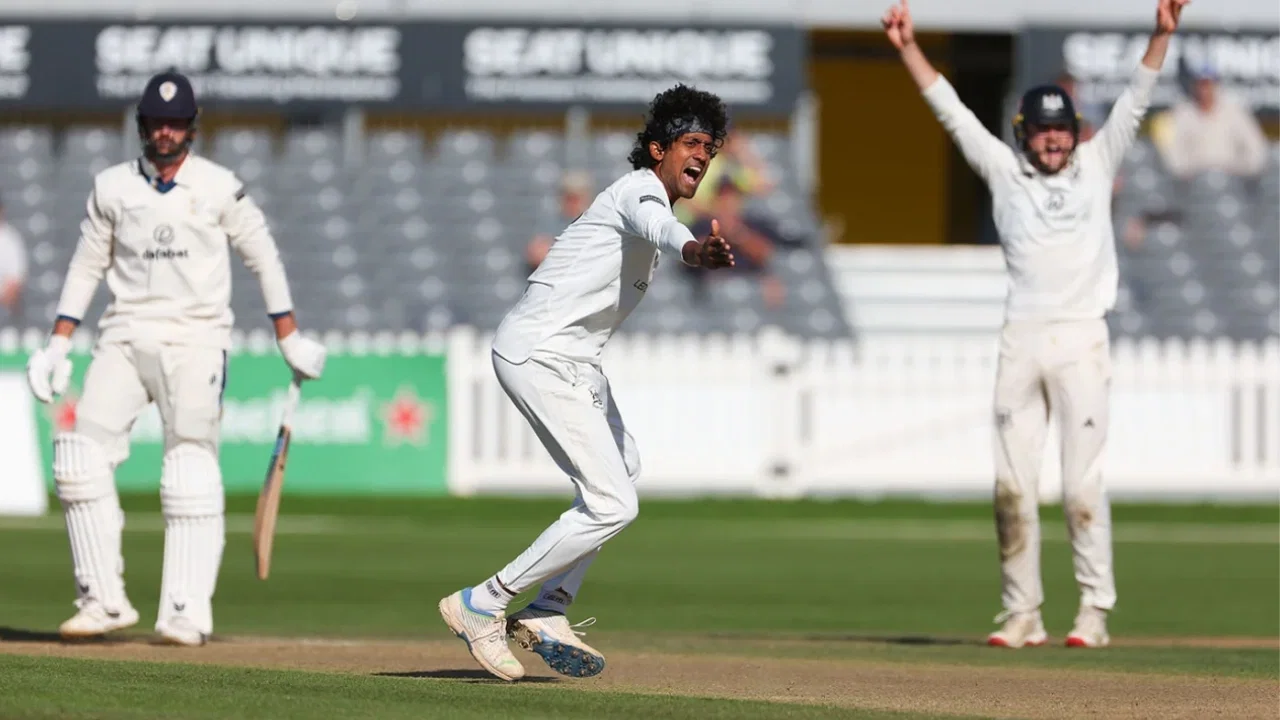
Sai Kishore picks 5-wickets for just 6 runs as Gloucestershire crush Derbyshire
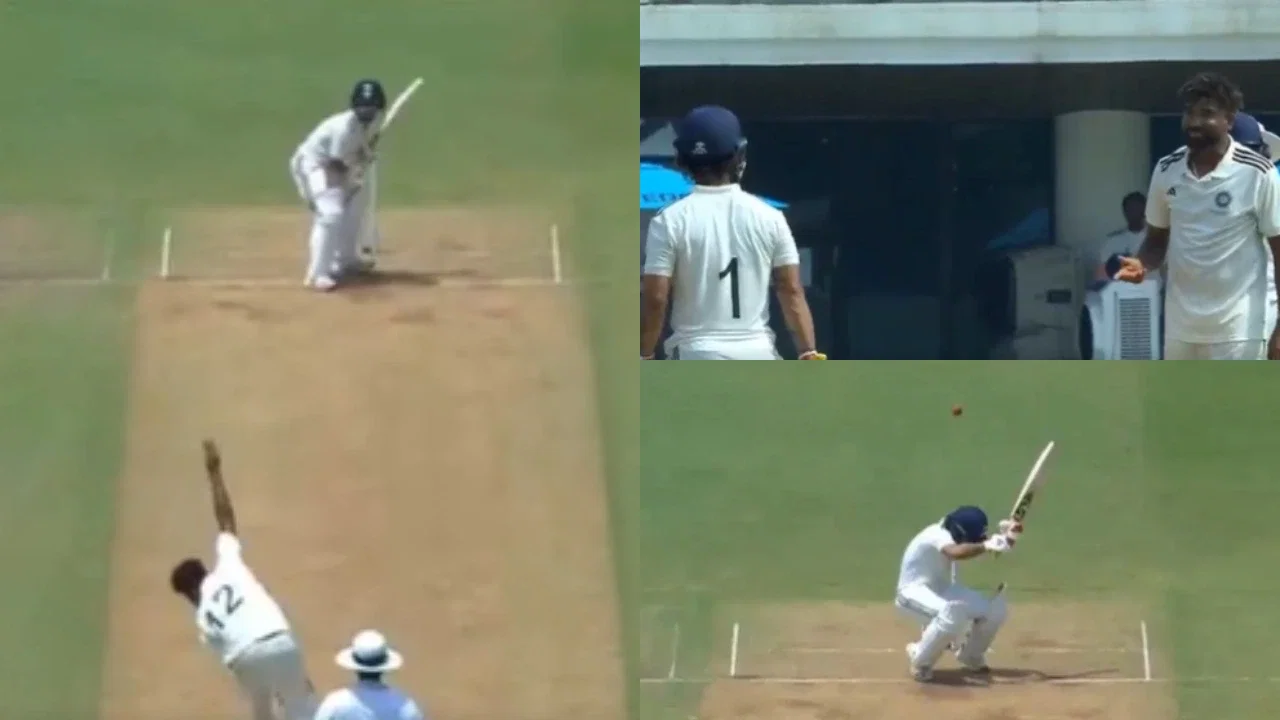
Watch: Mohammed Siraj sledges Ishan Kishan, targets him with bouncers in Duleep Trophy
Ajit Agarkar attends Duleep trophy 2026 final after skipping BCCI meeting
EX-RCB opener names better options than Sanju Samson for India’s ODI World Cup squad
Rajat Patidar reveals how Virat Kohli helped him become RCB captain
Mohammad Yousuf backs PCB’s mass-sacking policy amid Pakistan cricket crisis
India vs Pakistan Head-to-Head: Complete Record Across World Cups, Asia Cup & More
Imam-ul-Haq ‘Fake Injury’ Row: Basit Ali demands legal action; Saeed Ajmal criticizes PCB