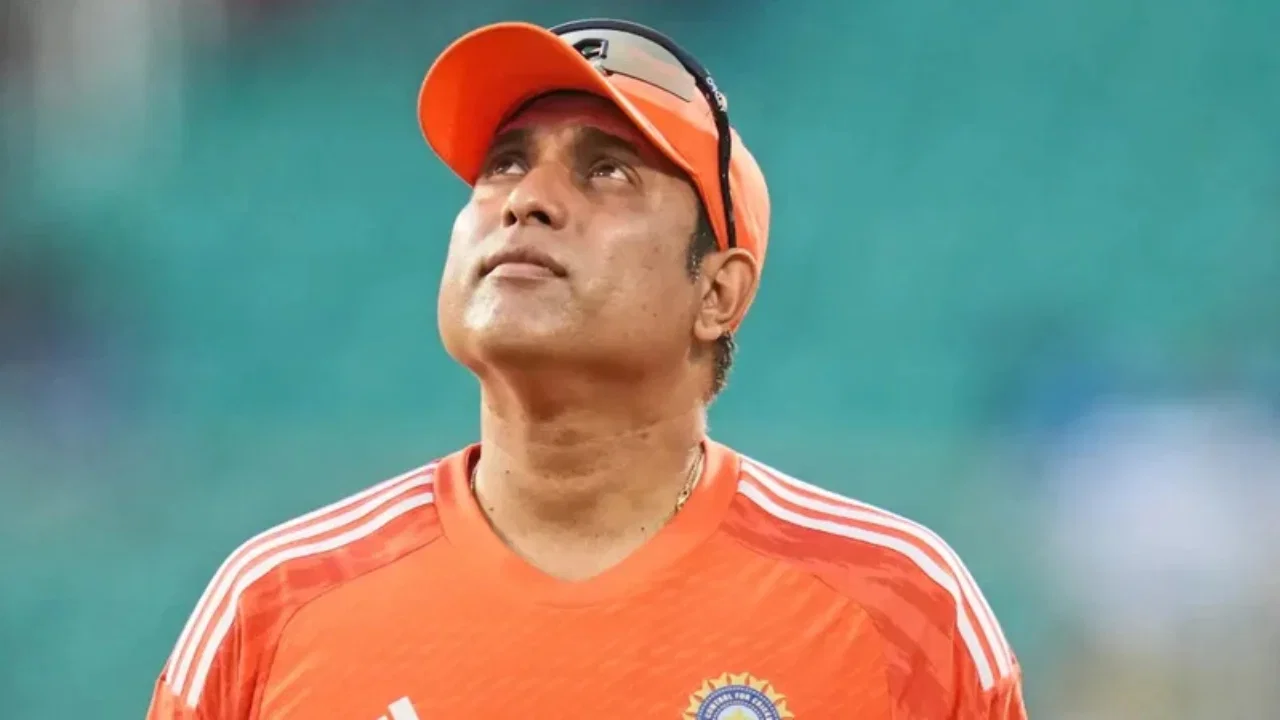
Ajit Agarkar skips BCCI high-profile review meeting, here’s why
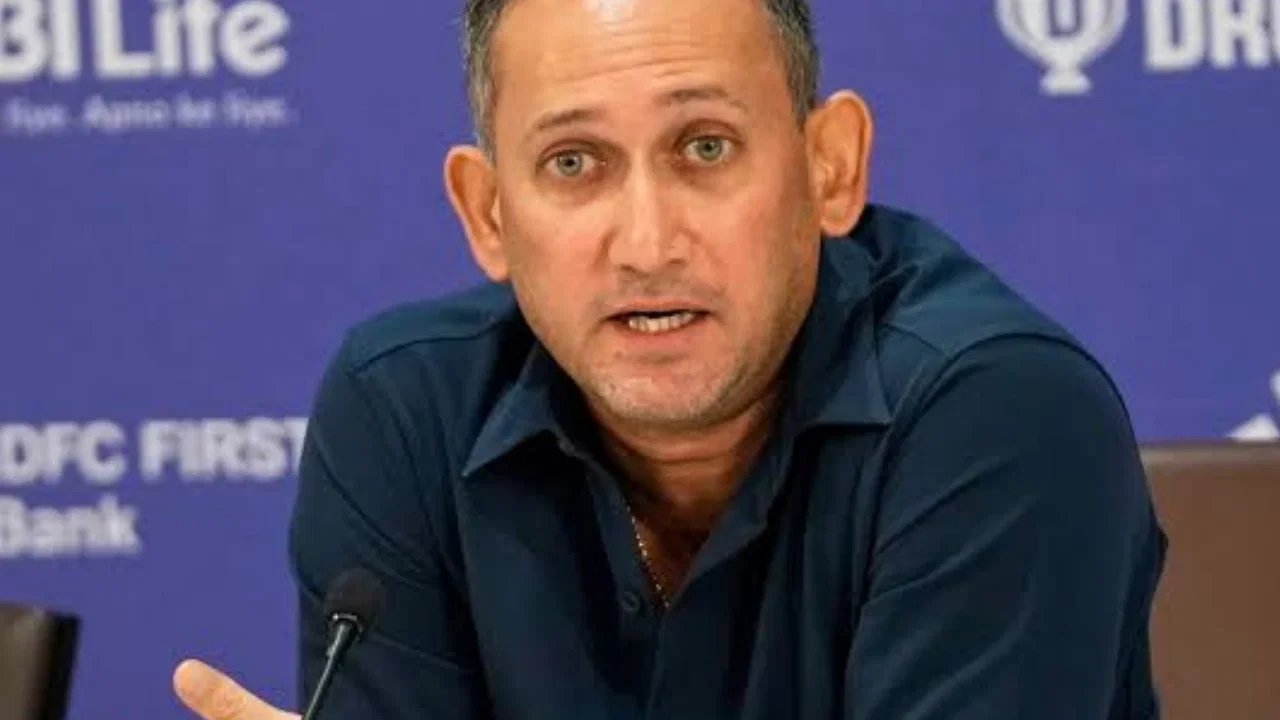
Introduction: A Pivotal Moment for Indian Cricket’s Future Strategy
The Board of Control for Cricket in India (BCCI) recently conducted a highly anticipated review meeting involving top officials, national team selectors, and coaching staff. This gathering was viewed as a critical step in shaping India’s cricketing roadmap ahead of the 2027 ODI World Cup, scheduled to take place across South Africa, Zimbabwe, and Namibia. However, the meeting was marked by an unexpected absence—chief selector Ajit Agarkar was notably missing, raising questions about the decision-making process and the challenges facing Indian cricket in the coming years.
The Missing Piece: Ajit Agarkar’s Absence and Its Significance
Why Did Ajit Agarkar Skip the Meeting?
According to latest reports, Ajit Agarkar did not attend the crucial review session due to personal commitments. The former India all-rounder, who has been instrumental in shaping the team’s selection strategy, was expected to play a vital role in discussions concerning team composition, player fitness, and future prediction models. His absence, therefore, has sparked speculation about the internal dynamics of the BCCI’s planning process.
Amol Karhadkar, a respected sports journalist from The Hindu, took to social media platform X (formerly Twitter) to confirm Agarkar’s absence, stating, “Ajit Agarkar could not attend the review meeting due to personal commitments.” Although the specific reasons remain undisclosed, this development underscores the unpredictable nature of cricket administration and the importance of leadership continuity during critical planning phases.
Implications of Agarkar’s Absence
The absence of the chief selector at this juncture is more than a logistical hiccup; it raises questions about the internal coordination within the BCCI. With the 2027 World Cup on the horizon, the selectors’ ability to collaborate and communicate effectively is vital for making accurate predictions about player form, fitness, and potential team combinations.
Key Figures Expected to Play a Role in the Review
Gautam Gambhir and VVS Laxman: The Strategic Pillars
Alongside Agarkar, former India captains Gautam Gambhir and VVS Laxman were expected to be significant contributors to the review. Gambhir, serving as head coach, has been closely involved in team strategy, focusing on player development and tactical adjustments. VVS Laxman, heading the BCCI’s Center of Excellence (CoE), is responsible for player fitness, talent scouting, and long-term planning.
This trio’s combined expertise is crucial for making well-informed predictions about India’s prospects in the 2027 ODI World Cup, especially considering the tournament’s complex conditions that favor fast bowlers and demanding batting surfaces.
Context: Preparing for the 2027 ODI World Cup
Challenges Facing Indian Batters and Bowlers
India’s recent performances against England and Ireland exposed vulnerabilities in batting under challenging conditions, especially on pitches offering assistance to fast bowlers. The upcoming World Cup in Africa will test the resilience and adaptability of Indian batters, emphasizing the importance of strategic preparation and predictive analysis of pitch behavior and bowler effectiveness.
Experts predict that the Indian team must fine-tune their approach to handle the pace and bounce prevalent in South African conditions. The team’s success hinges on accurate prediction models that assess player performance under varied conditions, enabling coaches and selectors to optimize team composition.
Fitness Concerns: The Hidden Hurdle
Aside from strategic planning, player fitness remains a persistent concern. Several key players are battling injuries or are in recovery phases, which could impact team selection and overall prediction of team strength.
Player Fitness and Selection: The Current Scenario
Jasprit Bumrah’s Injury and Its Strategic Impact
One of the most discussed topics among BCCI officials is the injury status of Jasprit Bumrah. The spearhead fast bowler’s absence was felt acutely during India’s second Test against Sri Lanka in Colombo. Sources within the BCCI revealed that Bumrah was expected to be fit for at least one or two Tests, and his injury status was a significant factor in selection discussions.
According to a BCCI insider, “The selection committee chief was informally told before the Sri Lanka Tests that Bumrah would be available for selection. However, his absence in the second Test impacted India’s bowling attack, exposing the team’s dependence on him.” The uncertainty surrounding Bumrah’s return underscores the importance of accurate prediction models for player fitness, which are crucial for planning the team’s future strategies.
Other Key Players in Doubt
Besides Bumrah, players like Hardik Pandya are also facing fitness hurdles. Pandya, who hasn’t played much post-IPL, is considered vital for India’s ODIs, especially with the World Cup in mind. His recovery and form are being closely monitored to predict his availability for upcoming series against Afghanistan and New Zealand.
Expert Predictions: What Does the Future Hold?
Analyzing the Road Ahead for Indian Cricket
Cricket analysts and former players emphasize the importance of strategic prediction in shaping India’s future team. With the 2027 World Cup approaching, the focus is on developing predictive models that incorporate player fitness, form, pitch conditions, and opposition analysis.
Many experts believe that India’s success will depend not only on raw talent but also on the team’s ability to adapt based on predictive insights. For example, understanding how fast bowlers will behave in different stadiums or predicting the resilience of batting line-ups under pressure can be game-changers in tournament planning.
The Role of Innovation in Team Preparation
Advances in sports science, data analytics, and predictive modeling are revolutionizing cricket strategy worldwide. The BCCI’s investment in these areas aims to create a competitive edge, ensuring that team selections and tactical decisions are based on robust predictions rather than intuition alone.
Conclusion: Navigating Uncertainty Towards a Bright Future
The recent BCCI review meeting, despite its setbacks—most notably Ajit Agarkar’s absence—marks a pivotal step in Indian cricket’s journey towards the 2027 ODI World Cup. As the team management and selectors continue to analyze player fitness, form, and strategic options, the emphasis on prediction and data-driven decision-making becomes increasingly clear.
While uncertainties remain—players’ injuries, team dynamics, and the unpredictable nature of cricket—the focus on accurate prediction models and strategic foresight promises a resilient and well-prepared Indian team. Cricket fans worldwide await with bated breath to see how these predictions translate into on-field success, potentially culminating in India’s next glorious World Cup campaign.
Stay tuned for more updates on Indian cricket’s strategic planning, player fitness developments, and expert predictions as the nation gears up for another exciting chapter in its cricketing saga.
Latest News
GLG vs BWV Dream11 Prediction Today Match, Dream11 Team Today, Fantasy Cricket Tips, Playing XI, Pitch Report, Injury Update- European T20 Cup 2026, Match 13
UAE vs INA Dream11 Prediction Today Match, Dream11 Team Today, Fantasy Cricket Tips, Playing XI, Pitch Report, Injury Update- Women’s Asia Cup T20 2026, Match 8
South Zone earns major boost as three India stars set to feature in Duleep Trophy final
BCCI imposes 2-year ban on U-19 cricketer over age discrepancy
BCB doubles cricketers’ salary amid BPL uncertainty
Vaibhav Sooryavanshi cannot feature in Duleep Trophy final, reason explained
Sanju Samson should be considered as captain: CSK asked to replace Ruturaj Gaikwad
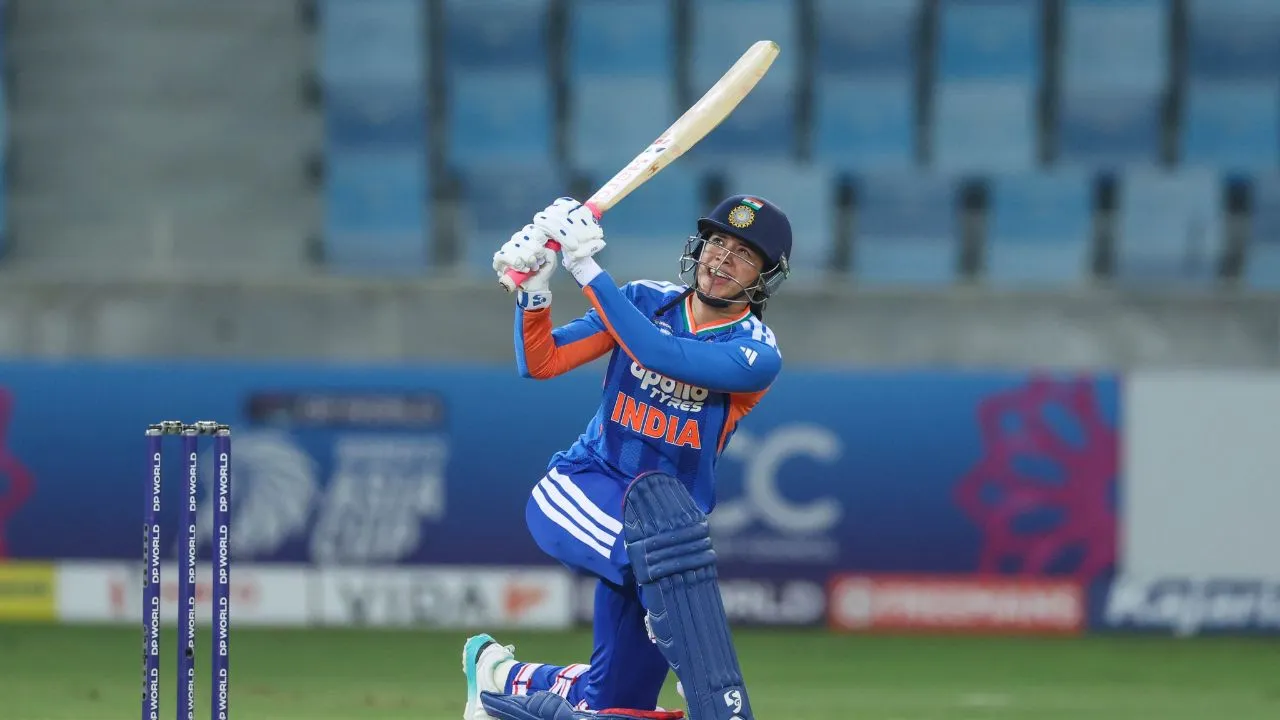
Smriti Mandhana creates history with Asia Cup century, surpasses Mithali Raj
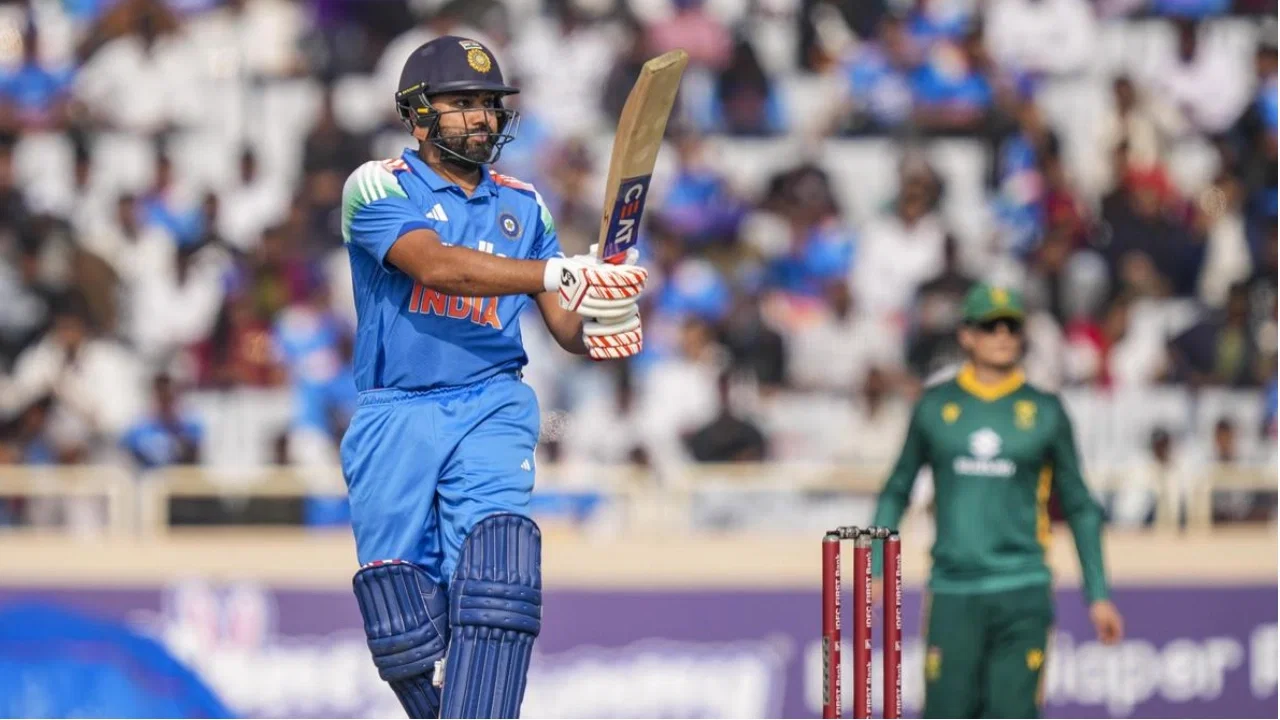
BCCI-CSA in talks to arrange India vs South Africa ODI series ahead of 2027 WC
Ajit Agarkar skips BCCI high-profile review meeting, here’s why
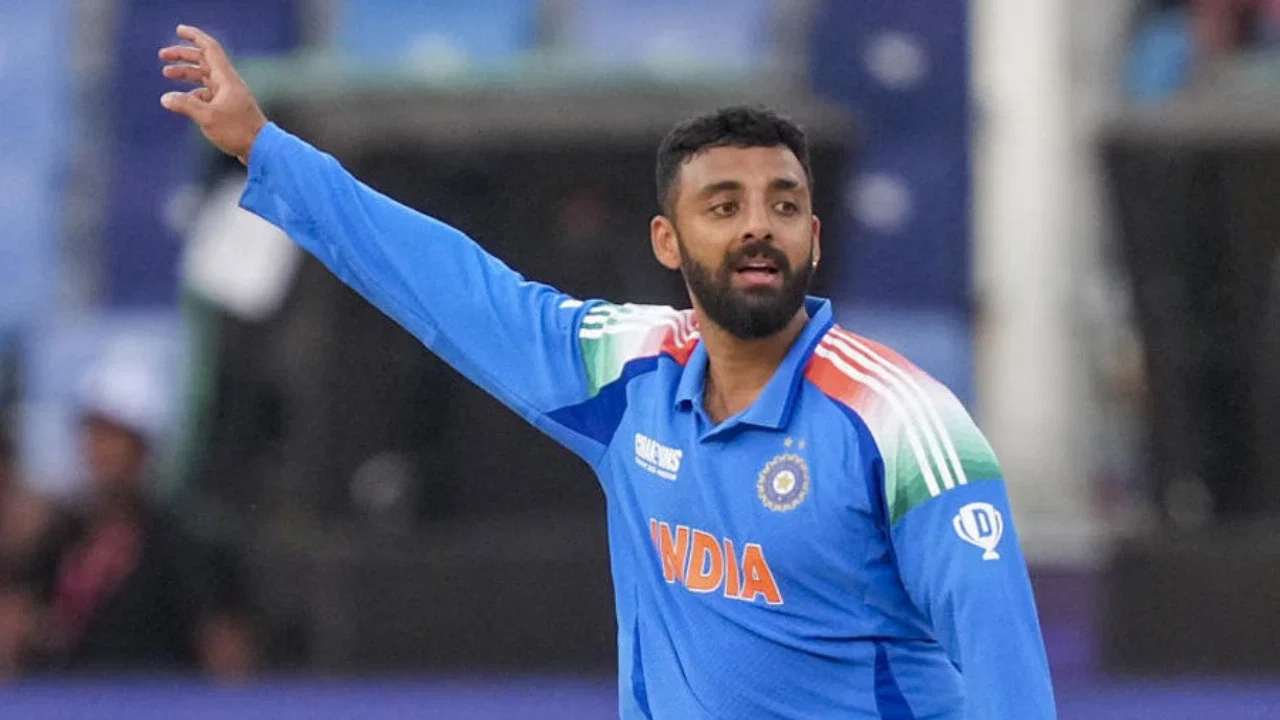
“Batsmen have figured out”: Former RCB opener warns India over Varun Chakravarthy’s form
BAR vs AMS Dream11 Prediction Today Match, My11Circle Prediction, Dream11 Team Today, Fantasy Cricket Tips, Playing XI, Pitch Report, Injury Update- Punjab League T20 2026, Match 10
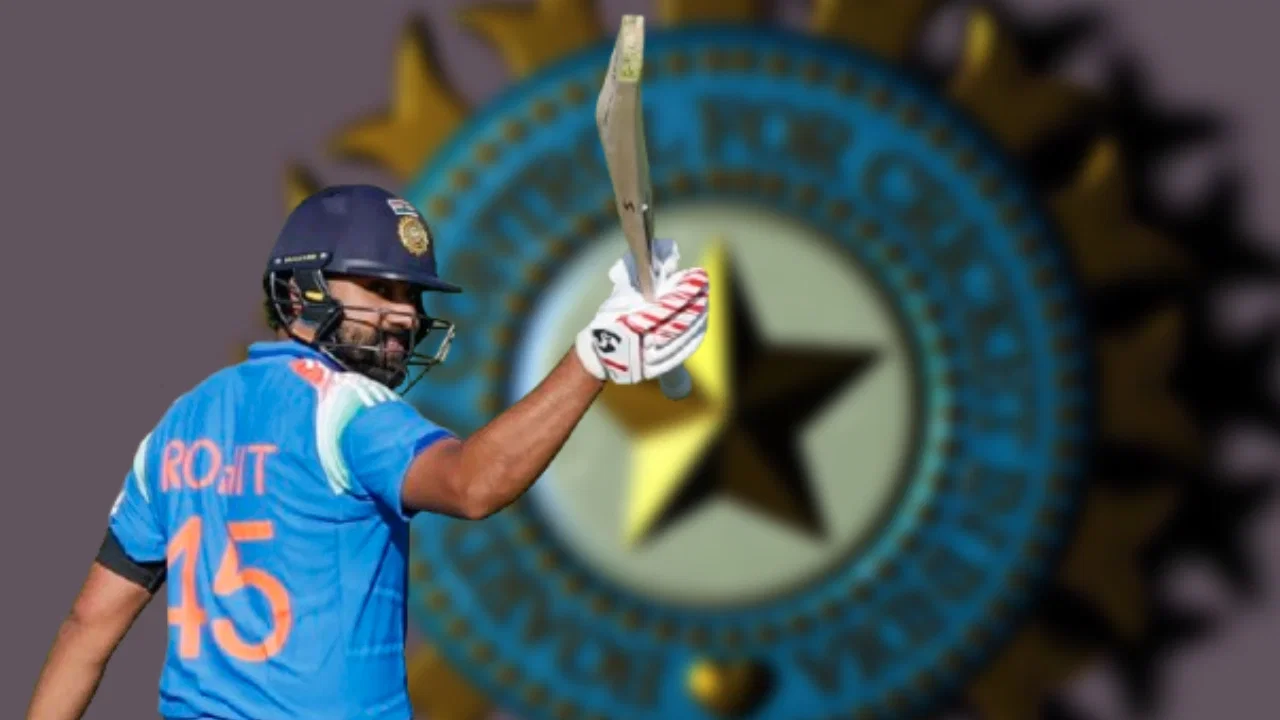
BCCI issues Rohit Sharma future update after review meeting
Stuart Broad blames Mohsin Naqvi’s PCB for Pakistan cricket team’s downfall