

Ambati Rayudu makes special request to Pragyan Ojha for Kuldeep Yadav ahead of IND vs NZ ODIs
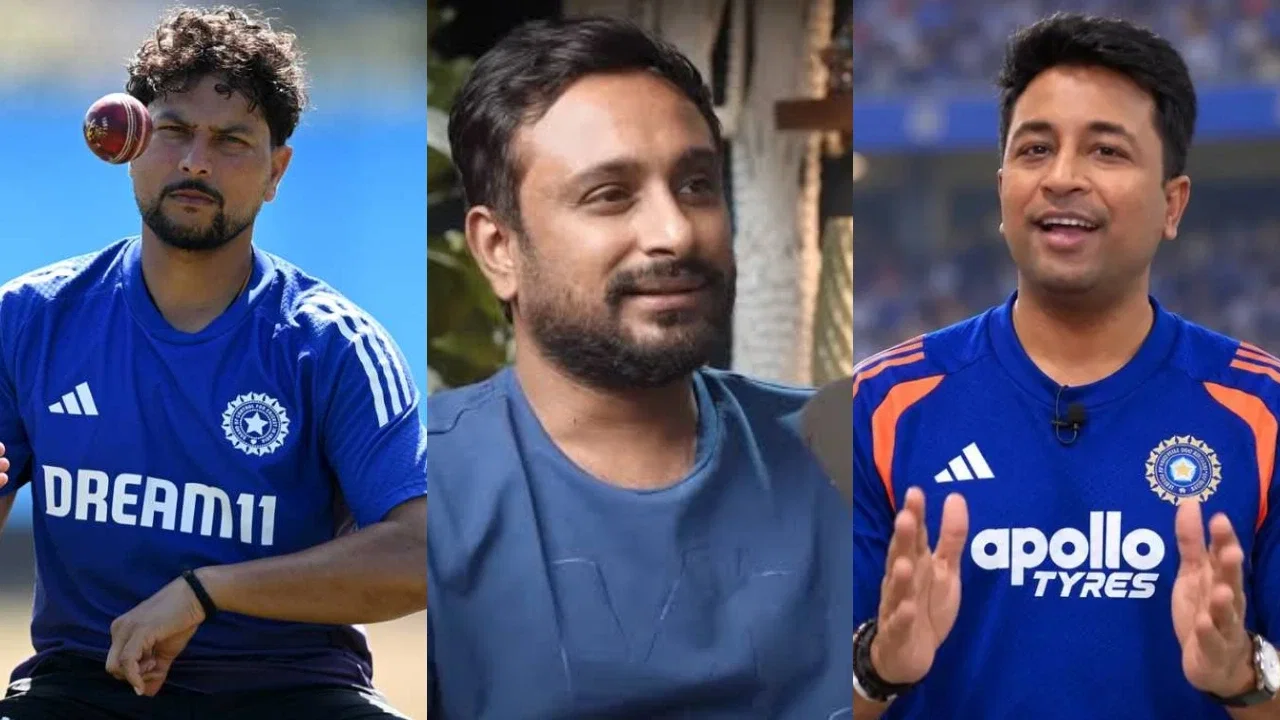
Ambati Rayudu Urges India to Give Kuldeep Yadav a Chance in New Zealand ODI Series
Former India batter Ambati Rayudu has called on the team management to bring Kuldeep Yadav back into the playing XI for the upcoming five-match ODI series against New Zealand. The left-arm wrist-spinner’s place in India’s plans has come under renewed scrutiny after he was left out of all five T20Is against the Black Caps—even as the team experimented with its bowling combinations.
Rayudu’s proposed solution was deliberately playful: make Kuldeep vice-captain, he joked, so that the selectors and team management would have little choice but to include him. Beneath the humour, however, was a serious point. Rayudu believes Kuldeep is a proven wicket-taker who should receive a meaningful run of matches rather than remain on the sidelines.
Rayudu’s light-hearted message to Pragyan Ojha
Speaking to Cricbuzz, Rayudu suggested contacting chief selector Pragyan Ojha to press Kuldeep’s case. “Maybe we should call up Ojha and make Kuldeep Yadav the vice-captain. Ojha, Kuldeep has to play and do something about it. He will take wickets for you,” Rayudu said.
The comment carried a personal touch. Rayudu and Ojha have known each other since their Hyderabad cricket days and also shared the Mumbai Indians dressing room. Both were part of the franchise’s IPL title-winning sides in 2013 and 2015, giving Rayudu a familiar route to make his point to the current chief selector.
Kuldeep’s omission throughout the T20I series was notable because India changed its bowling personnel during the campaign. The team often favoured players who could offer batting depth alongside their primary skills, including Axar Patel and Naman Dhir. That approach can help balance a limited-overs side, but it also raises a selection question: how does a specialist bowler earn a place if opportunities are consistently given to all-round options?
Why Kuldeep’s selection is part of a bigger team-balance debate
India’s decision in the fifth T20I added to the discussion. Axar was rested and a specialist spinner came into the side, but the opportunity went to Varun Chakravarthy rather than Kuldeep. India lost the match by seven wickets, although one result alone does not determine whether a selection call was right or wrong.
The choice does, however, underline the range of factors facing selectors. Conditions, opposition match-ups, recent form and the need for batting depth can all shape a playing XI. In ODIs, where teams have more overs to manage and can use different bowling combinations, Kuldeep’s ability to attack through the middle overs may be particularly valuable. His variations and capacity to break partnerships give India a different option from a defensive spinner focused mainly on controlling the scoring rate.
Rayudu’s prediction is that Kuldeep can make a difference if he is trusted with a consistent opportunity. A single appearance may not be enough to assess a bowler’s impact, especially when conditions and match situations vary. A sustained run in the ODI side would give the team a clearer picture of how he fits alongside India’s other spin and pace options.
Rayudu backs Mohammed Siraj to shoulder responsibility
Rayudu also voiced support for Mohammed Siraj, who could carry a substantial share of India’s fast-bowling workload in New Zealand. With Jasprit Bumrah and Hardik Pandya unavailable, Siraj is expected to be an important part of the attack during the ODI series.
To explain why the pacer deserves backing, Rayudu pointed to Siraj’s recent Ranji Trophy outing. On a surface that offered considerable assistance to spinners, Siraj reportedly bowled a nine-over spell and claimed two wickets. Rayudu praised the effort as evidence of the fast bowler’s commitment, resilience and willingness to work for the team even when conditions are not especially favourable to seam bowling.
“Siraj has played a Ranji Trophy game recently on a rank-turner; he bowled a nine-over spell and took two wickets that looked impossible. He puts his body on the line even in a Ranji Trophy game; that is the kind of attitude he has. I just feel that he is someone who has to be backed,” Rayudu said.
He also expressed confidence in Siraj’s fitness and durability, suggesting the bowler could handle a demanding schedule without making a fuss. That assessment is especially relevant in a long series, where workload management can influence both selection and performance. India will need its quicks to strike early, maintain pressure through the middle overs and remain effective at the end of an innings.
Rayudu and Murali Kartik agree on a possible first-ODI XI
Rayudu’s thoughts on selection were echoed by former India spinner Murali Kartik. The two former cricketers reportedly chose the same XI for the opening ODI against New Zealand, combining experienced top-order batters, all-round options and a varied bowling attack.
Their proposed team features Rohit Sharma and Shubman Gill at the top, followed by Virat Kohli and Shreyas Iyer. KL Rahul would provide the wicketkeeping option, while Axar Patel and Nitish Kumar Reddy add all-round depth. Kuldeep is included as the specialist spinner, with Gurnoor Brar, Arshdeep Singh and Siraj completing the bowling group.
Nitish Kumar Reddy’s availability is a key detail: he is expected to feature only in the opening ODI before joining India’s squad for the two-match Test series. That means the team may need to adjust its balance for the remaining matches, depending on the conditions and the roles available in the squad.
Selection decisions to watch in the ODI series
The five-match contest offers India an opportunity to test its combinations and settle questions around the balance of the side. Kuldeep’s inclusion—or continued absence—will be closely watched, particularly if the team needs a wicket-taking option in the middle overs. Siraj’s role will also attract attention as India looks for consistency from its pace attack without two major first-choice options.
Rayudu’s comments are ultimately a call for clarity and trust: give established players a fair opportunity, then judge them over a meaningful stretch. Whether the management follows his preferred XI remains to be seen, but the debate highlights a central challenge for India ahead of the New Zealand ODIs—finding the right mix of specialist skill, batting depth and dependable workload across a long series.
Latest News

SA vs BAN Playing 11 Today, Live Streaming, Pitch & Weather: South Africa tour of Bangladesh 2026, 2nd Test

AUS vs ENG Playing 11 Today, Live Streaming, Pitch & Weather: England tour of Australia 2026, 2nd T20I

Blair Tickner ruled out of 2nd Test vs India, replacement named

Tim Paine and Justin Langer face fresh questions over Australia’s ball-tampering scandal

India tour of Bangladesh gets fresh hope as BCB confirms talks with BCCI

Tom Latham opens up on soft ball problem and saliva ban after draw against India

Ajinkya Rahane slams Tilak Varma for publicly criticising Shahbaz Ahmed after India A’s defeat

ICC to introduce IPL-style bat checks in international cricket

“Smiling Laughing doesn’t happen”: R Ashwin’s dig at India’s approach after draw vs New Zealand

“Not good enough for Test cricket”: Scott Styris, Sunil Gavaskar slam Wellington pitch

Dodda Ganesh declares India ‘out of WTC final race’ after Wellington Test draw

Ajinkya Rahane criticises Shubman Gill for abusing Akash Deep in 1st Test vs New Zealand

‘Why so many boundary riders?’ Dinesh Karthik questions Shubman Gill’s captaincy after Wellington Test

“I just want to enjoy my life”: Yash Dayal reflects on his return to cricket


