

Ambati Rayudu reveals how he is trying to rebuild Hyderabad cricket from the ground up
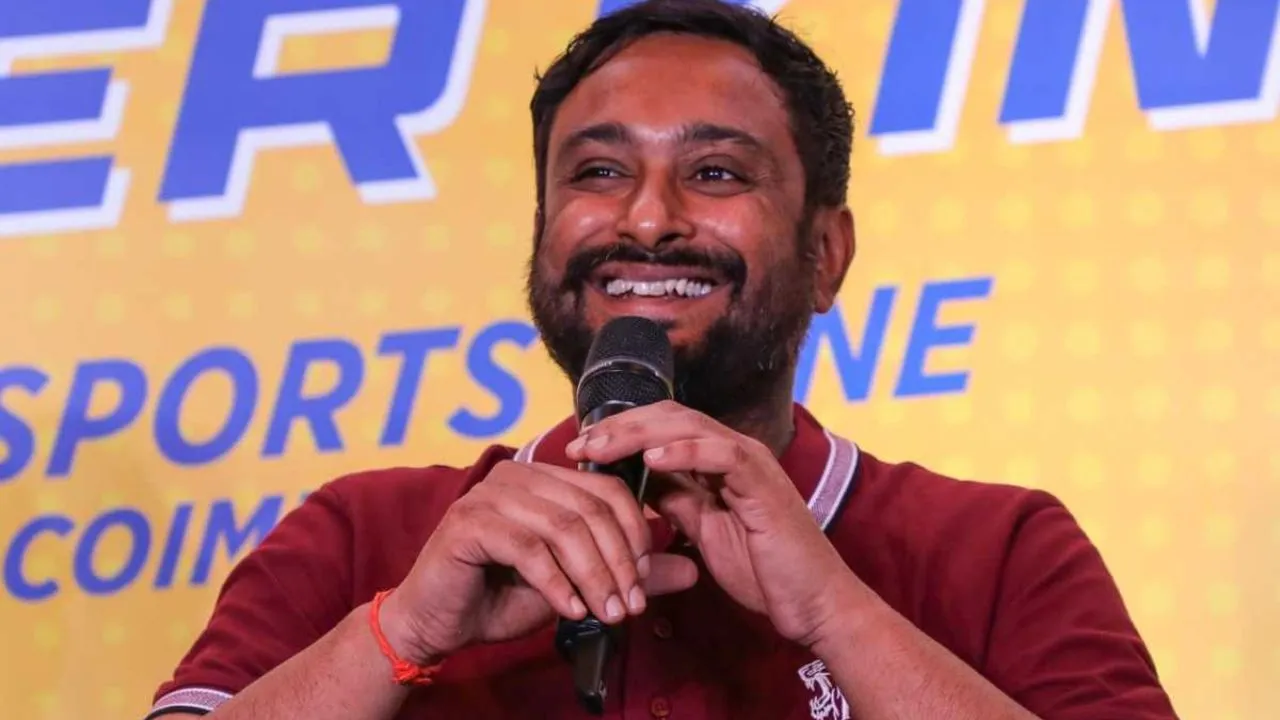
Ambati Rayudu’s Hyderabad Cricket Rebuild: More Matches, Clearer Selections and Better Pitches
Former India batter Ambati Rayudu is aiming to reshape Hyderabad cricket from the ground up. Since becoming Director of Cricket Operations at the Hyderabad Cricket Association (HCA), he has focused not only on first-team results but also on the structures behind them: player development, selection standards, playing opportunities and pitch quality.
The early signs are encouraging. Hyderabad won three matches and drew one during the opening phase of the Ranji Trophy season, earning 20 points and moving to the top of Elite Group B. But Rayudu has cautioned against treating a strong start as proof that the wider project is complete. His prediction for lasting progress rests on building a system that can keep producing confident, well-prepared cricketers—not simply chasing short-term wins.
A long-term plan beyond the Ranji Trophy table
Rayudu has said that the most important early achievement is the creation of a more organised environment for players. He told Sportstar that he would not read too much into the results at this stage, while expressing satisfaction with the systems being put in place. Just as importantly, he said, players now feel confident and have something meaningful to work towards.
That emphasis reflects a broader challenge for state cricket. A team’s performance can fluctuate from season to season, but a reliable development pathway gives players regular competition, clear expectations and a better chance to progress. Rayudu’s approach is designed to make those opportunities part of the routine rather than something young cricketers have to wait for.
More playing time for young cricketers
One of the most significant changes is an effort to increase the number of matches available to age-group teams. HCA has planned close to 1,000 match days for the season, with the aim of keeping young players active throughout the year. The idea is simple: practice matters, but players also need regular match experience to learn how to handle pressure, adapt to different conditions and make decisions in real time.
Rayudu has described the desired culture in striking terms: players should be concerned if they wake up without a game or a clear cricketing task ahead. The goal is not to keep youngsters busy for its own sake, but to build a consistent rhythm of competition and preparation. More match days can also help coaches and selectors assess players over time, rather than relying on a brief trial or a single standout performance.
Open trials and a more accountable selection process
HCA has also introduced open trials at Gymkhana Ground, giving aspiring cricketers from across the region a chance to compete for state-team opportunities. The move is intended to widen the talent pool and make the pathway more accessible to players who may not already be part of established cricketing networks.
Former India batter Wasim Jaffer has joined the initiative as a mentor, adding experience and guidance to the development environment. His presence is part of a wider effort to connect young players with people who understand the demands of high-level cricket and can help them prepare for the next stage of their careers.
Selection transparency is another central part of Rayudu’s plan. He says HCA sought selectors with integrity and the confidence to make independent decisions, rather than simply agreeing with others. Selection and omission decisions are now recorded in signed documents, including the reasoning behind them.
Rayudu has compared this record-keeping approach to cricket’s Decision Review System. Written explanations, he says, create a reference point if a decision needs to be examined later. The process cannot guarantee that every selection will be correct—judgment is an unavoidable part of sport—but it can make decisions easier to review and help the association identify recurring problems.
Rayudu takes pitch preparation into his own hands
Improving the playing surfaces at Gymkhana Ground has been another major priority. Hyderabad’s pitches have sometimes been criticised for being too flat, and Rayudu wants conditions that offer a more balanced contest between bat and ball. Better surfaces can support more meaningful domestic cricket, giving batters a test of skill while allowing bowlers to use pace, movement and variation.
The pitch project has faced practical obstacles, including funding delays, tender difficulties, a shortage of labour and problems transporting equipment during the rainy season. Rayudu revealed that he even brought his own tractor to the ground and sent a worker from his farm to help with the work. The worker helped build the banks now visible at Gymkhana, according to Rayudu.
The hands-on effort highlights the scale of the task facing the association. Ground preparation depends on more than a curator’s expertise: it also requires equipment, materials, labour and careful planning. When any of those pieces are missing, even a well-designed project can stall.
Three soil types, one goal: a fair contest
Rayudu and head curator Mukesh Kumar travelled to nearby districts to assess soil for the pitches. The ground now includes three types of soil, including a naturally blended red-and-black soil sourced from the Vikarabad region. A separate black-soil pitch has also been prepared to encourage more assistance for fast bowlers and produce a livelier surface.
Rayudu’s preferred outcome is not a pitch that heavily favours one discipline. He has said a good domestic surface should allow teams to bat for around 90 overs while keeping all four innings competitive. That approach is intended to reduce the influence of the toss and reward teams that adapt best as conditions change during a match.
Pitch quality is especially important in multi-day cricket. A surface that is too easy can limit the challenge for bowlers, while one that deteriorates too quickly may make the result feel predetermined. Creating a balanced wicket is therefore a technical and sporting objective—and one that can help prepare players for a wider range of conditions.
Rayudu’s ambition: make Hyderabad a leading cricket association
Rayudu has acknowledged that the changes have attracted criticism, but he believes the work is worth the risk. His stated ambition is to make Hyderabad one of India’s top five cricket associations, both in administration and on the field. That is a demanding goal, and progress will ultimately be measured over several seasons through player development, competitive results and the strength of the organisation itself.
He has credited the support of the Single Member Committee led by retired Justice P. Naveen Rao, HCA secretary Jeevan Reddy, Wasim Jaffer, Mukesh Kumar and members of the Cricket Operations Committee. Their cooperation, he says, has helped turn plans into practical changes.
Rayudu has described his commitment as a one-year sacrifice for Hyderabad cricket, the place that played a major role in his own career. His immediate focus is to establish systems and protocols that can continue beyond his personal involvement. If the expanded match calendar, open trials, documented selections and pitch improvements become lasting features, the impact could reach well beyond the current Ranji Trophy campaign.
For now, Hyderabad’s position at the top of Elite Group B offers an encouraging snapshot, not a final verdict. The more revealing test will be whether the new structure gives young players sustained opportunities and helps the association build a stronger, more dependable cricketing future.
Latest News

SA vs BAN Playing 11 Today, Live Streaming, Pitch & Weather: South Africa tour of Bangladesh 2026, 2nd Test

AUS vs ENG Playing 11 Today, Live Streaming, Pitch & Weather: England tour of Australia 2026, 2nd T20I

Blair Tickner ruled out of 2nd Test vs India, replacement named

Tim Paine and Justin Langer face fresh questions over Australia’s ball-tampering scandal

India tour of Bangladesh gets fresh hope as BCB confirms talks with BCCI

Tom Latham opens up on soft ball problem and saliva ban after draw against India

Ajinkya Rahane slams Tilak Varma for publicly criticising Shahbaz Ahmed after India A’s defeat

ICC to introduce IPL-style bat checks in international cricket

“Smiling Laughing doesn’t happen”: R Ashwin’s dig at India’s approach after draw vs New Zealand

“Not good enough for Test cricket”: Scott Styris, Sunil Gavaskar slam Wellington pitch

Dodda Ganesh declares India ‘out of WTC final race’ after Wellington Test draw

Ajinkya Rahane criticises Shubman Gill for abusing Akash Deep in 1st Test vs New Zealand

‘Why so many boundary riders?’ Dinesh Karthik questions Shubman Gill’s captaincy after Wellington Test

“I just want to enjoy my life”: Yash Dayal reflects on his return to cricket


