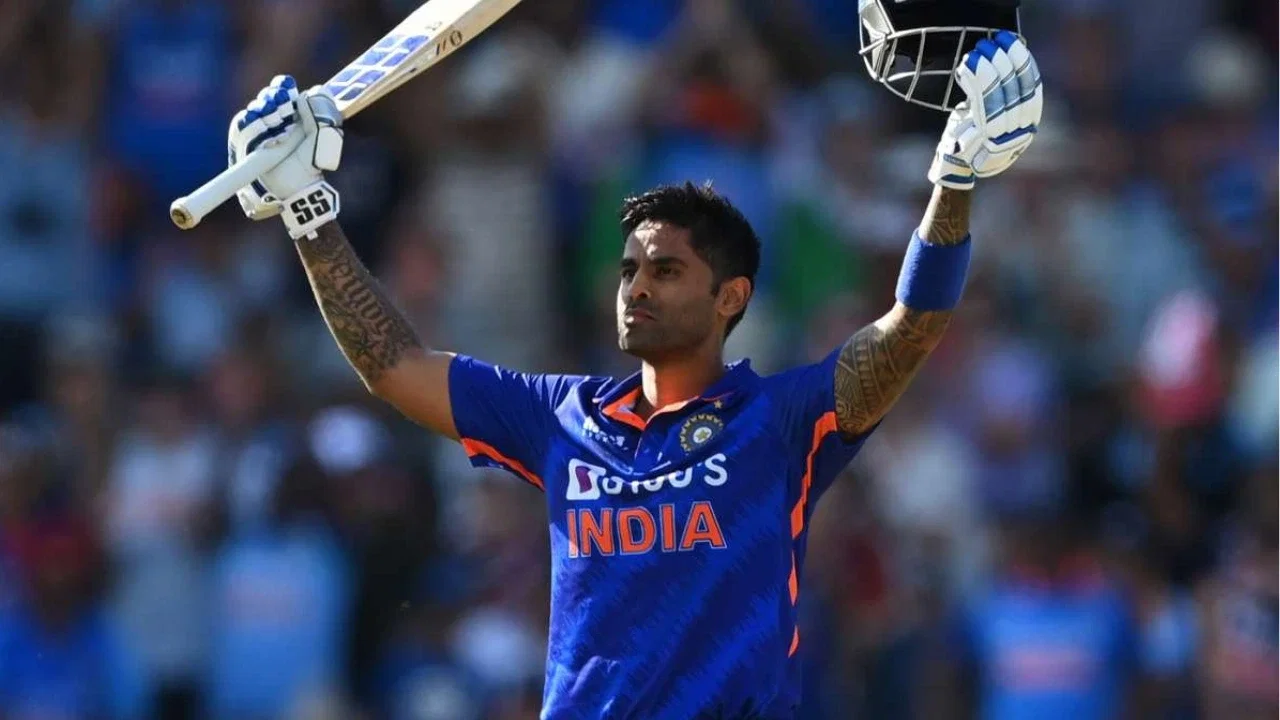
Amol Muzumdar addresses ‘no-handshake’ stance ahead of Pakistan clash
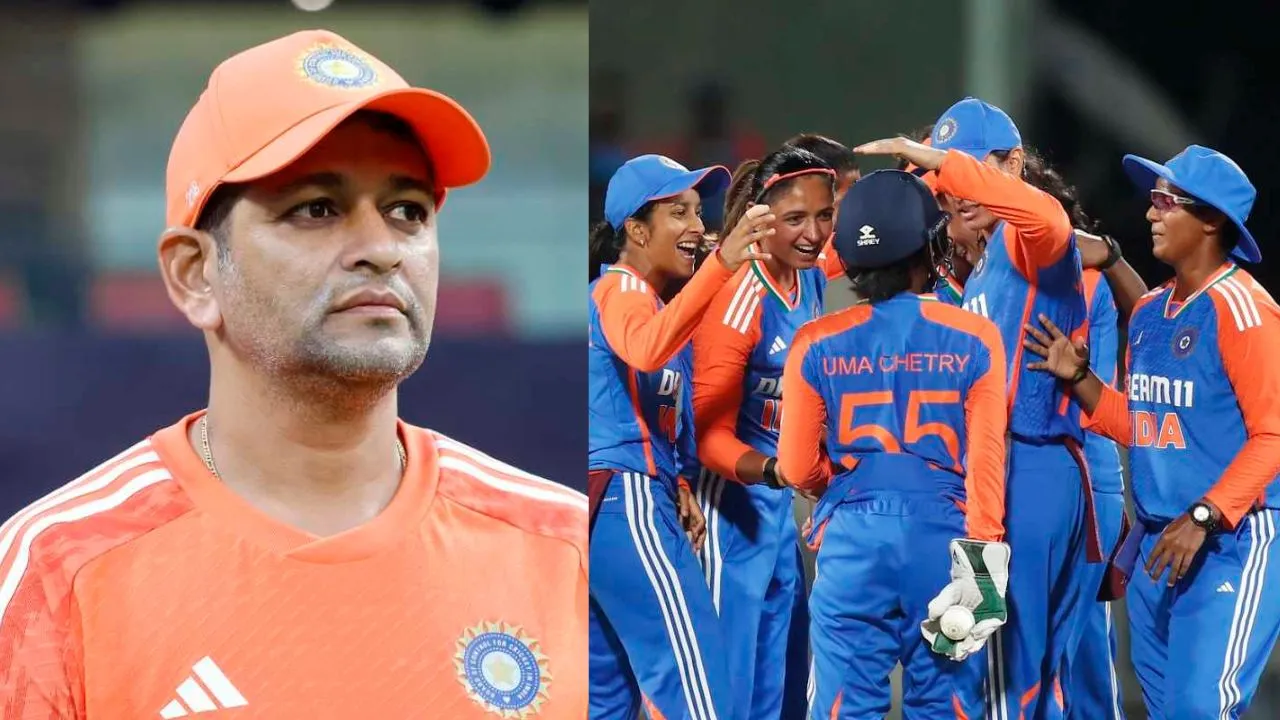
India Women’s Cricket Team’s Strategic Focus and Prediction for Women’s Asia Cup 2026
The anticipation surrounding the upcoming Women’s Asia Cup 2026 is mounting, with India’s women cricketers gearing up to defend their prestigious title. Under the leadership of captain Harmanpreet Kaur, the Indian team aims to continue their dominance in this regional tournament, which has historically been a showcase of cricketing excellence in Asia. As the team prepares for their opening matches, a significant aspect of the tournament is the ongoing policy regarding interactions with their rivals from Pakistan, which continues to generate attention and debate.
Focus on Cricket, Not Off-Field Matters
Amol Muzumdar, the head coach of the Indian women’s cricket team, emphasized that the team’s primary focus remains on performing well on the pitch rather than engaging in off-field gestures or political statements. When asked about the possibility of the players exchanging handshakes with Pakistan during their upcoming clash, Muzumdar responded with a clear stance: the team will prioritize their cricketing preparations and will not get distracted by off-field issues.
During a pre-tournament press conference in Dubai, Muzumdar stated, “Look, we try to play the best cricket on the ground. Off-the-field discussions are not our concern. We concentrate on the game itself, and we will address these questions when the time comes. Right now, it’s about focusing on tomorrow’s game — one match at a time.” This approach underscores the team’s strategic mindset, emphasizing mental resilience and focus amidst political tensions and the ongoing policies that influence sportsmanship.
The No-Handshake Policy: A Reflection of Political and Security Realities
The Indian cricket board, BCCI, has adopted a firm stance by maintaining a no-handshake policy with Pakistan during matches, a stance that has been in place since the Pahalgam terror attack in April 2025. This policy was first implemented during the 2025 Men’s Asia Cup, where Indian players refused to shake hands with their Pakistani counterparts during all encounters, including the final.
This policy has since extended across all formats and age groups, including the Women’s ODI World Cup 2025 in Colombo, the Rising Stars Asia Cup, and the Under-19 Asia Cup later in 2025. Most recently, during the Women’s T20 World Cup 2026 held in Birmingham, the Indian women’s team continued this stance, refusing to shake hands with Pakistan players after their match, which India won convincingly by 64 runs.
The decision reflects the broader political tensions and security concerns between the two nations. The BCCI’s policy aims to uphold the safety of players and staff, while also making a statement about the current geopolitical climate. While some critics argue that sports should transcend politics, the prevailing sentiment from Indian authorities has been that safety and national sentiment take precedence.
Predictions and Expectations for the Women’s Asia Cup 2026
Looking ahead, the Indian women’s cricket team is widely predicted to continue their impressive record in the Asia Cup, aiming for an eighth title — a feat that would further cement their position as the most successful team in the tournament’s history. Historically, India has won seven of the nine editions held so far, showcasing their consistent excellence and strategic superiority in Asian women’s cricket.
In terms of their upcoming fixtures, India will kick off their campaign against Thailand on August 30 at Dubai International Cricket Stadium. This opening match is expected to set the tone for their tournament aspirations. Following this, they will face Hong Kong on September 3, also at Dubai, before their most anticipated encounter — the clash against Pakistan scheduled for September 5.
The India-Pakistan rivalry is one of the most intense and closely watched matchups in international cricket, and the Women’s Asia Cup is no exception. Past meetings have seen India dominate, with a record of five wins in six T20I encounters against Pakistan within the tournament. Their recent win at the Women’s T20 World Cup 2026 in Birmingham, where they defeated Pakistan by 64 runs, has only added to their confidence and prediction of continued success.
Key Players and Team Dynamics
Led by Harmanpreet Kaur, the Indian squad boasts a blend of experienced players and emerging talents. Harmanpreet’s aggressive batting and strategic acumen have been instrumental in India’s success over the years. Other key players like Smriti Mandhana, Pooja Vastrakar, and Jemimah Rodrigues are expected to play pivotal roles in the team’s quest for their eighth Asia Cup title.
Furthermore, the team’s preparation reflects a focus on both skill enhancement and mental toughness. The coaching staff has emphasized disciplined cricket, strategic adaptability, and resilience — qualities that are crucial in high-pressure matches against fierce rivals like Pakistan.
Strategic Prediction: Will India Continue Their Dominance?
Based on recent performances, historical success, and current team form, the prediction for India in the Women’s Asia Cup 2026 leans heavily towards continued dominance. Their comprehensive win at the latest T20 World Cup and their record-breaking performances in previous Asia Cups suggest they possess the skill, experience, and mental strength to secure their eighth title.
However, cricket remains unpredictable, and the tournament’s outcome will depend on several factors, including player fitness, match-day conditions, and team strategy. The Indian team’s ability to maintain focus amidst the political tensions and their steadfast stance on sportsmanship — including the no-handshake policy — is also likely to influence their performance and the perception of their sportsmanship on the international stage.
The Broader Context: Sports as a Platform for Unity or Politics?
The ongoing debate about whether sports should serve as a platform for political expression or remain a neutral domain continues to resonate. India’s firm policy against handshakes with Pakistan underscores the complex intersection of sports, diplomacy, and security. While some advocate for sports to foster peace and camaraderie, others believe that national security and sovereignty must come first.
As the Women’s Asia Cup unfolds, all eyes will be on whether the players’ focus remains solely on cricket or if political sentiments influence their on-field interactions. Ultimately, the prediction remains that India’s women cricketers will continue to display resilience, skill, and strategic excellence — aiming to add another chapter of glory to their illustrious history.
Conclusion
The upcoming Women’s Asia Cup 2026 promises to be an exciting showcase of talent, resilience, and strategic gameplay. Under the leadership of Harmanpreet Kaur and guided by their dedicated coaching staff, India’s women cricketers are poised to defend their title and extend their record-breaking streak. Meanwhile, their stance on politics and sportsmanship—particularly the prediction that they will abstain from handshakes with Pakistan—reflects the broader tensions and realities of contemporary sports diplomacy.
As fans and cricket enthusiasts await the opening matches, the prediction remains that India will continue their dominance, driven by a blend of skill, focus, and unwavering team spirit. Whether they can overcome the challenges on and off the field will be a story to watch closely in this highly anticipated tournament.
Latest News
Ruturaj Gaikwad, Devdutt Padikkal get fresh ODI selection update
Afghanistan Premier League 2026-27: Dates, Venues, Draft, Format
Amol Muzumdar addresses ‘no-handshake’ stance ahead of Pakistan clash
SDS vs CDK Match Prediction Today: South Delhi Superstarz vs Central Delhi Kings, Final, DPL 2026
Kagiso Rabada likely to miss Australia series with hamstring injury
Vaibhav Sooryavanshi becomes East Zone captain in Duleep Trophy at 15: Here’s how
Sunil Narine’s West Indies comeback gets fresh update
Sri Lanka lose Women’s Champions Trophy hosting rights amid government interference concerns
Tilak Varma emerges as Shreyas Iyer’s replacement for 2027 World Cup
ECR vs DNG Dream11 Prediction Today Match, Dream11 Team Today, Fantasy Cricket Tips, Playing XI, Pitch Report, Injury Update- European T20 Cup 2026, Match 8
Geoffrey Boycott warns Harry Brook despite calling him a rare talent
Test cricket in trouble? Michael Atherton warns over rise in 3-Day finishes
Shreyas Iyer, Ravindra Jadeja and Rishabh Pant among stars spotted during BCCI Fitness Tests
When Sanju Samson won Suryakumar Yadav’s trust and heart with one special gesture