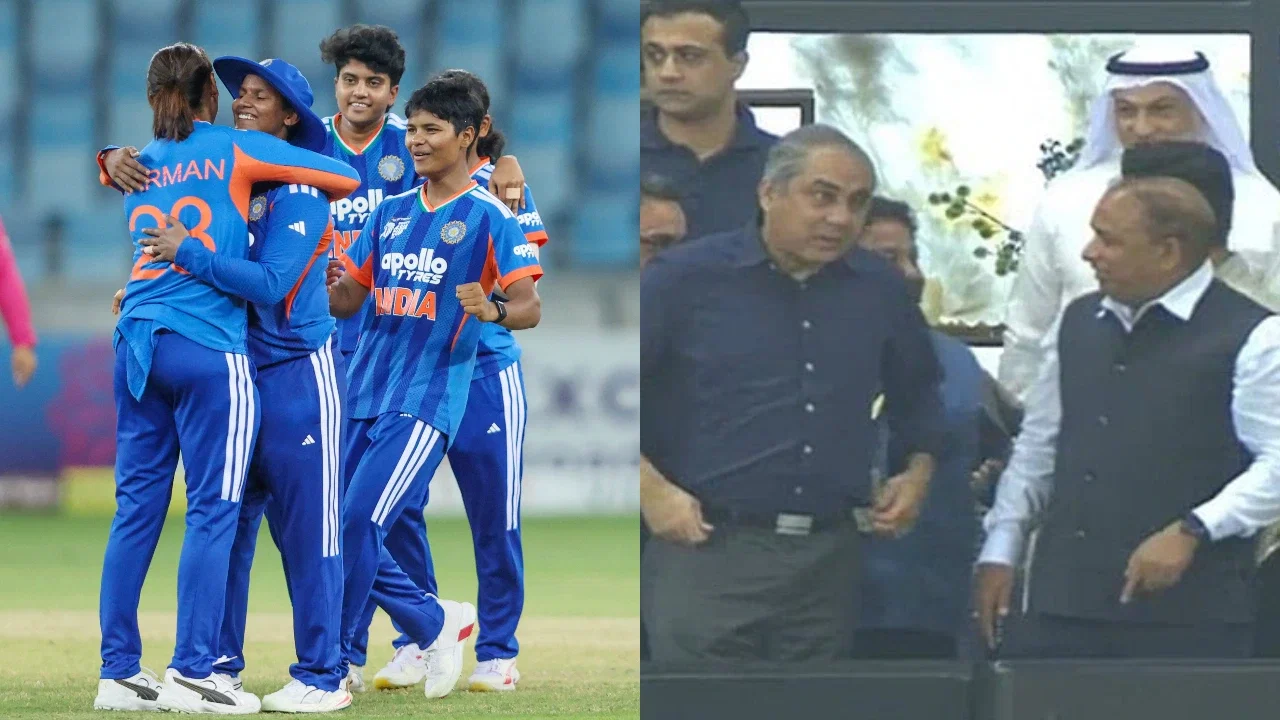
Amol Muzumdar reveals BCCI’s stance after India Women refuse trophy from Mohsin Naqvi
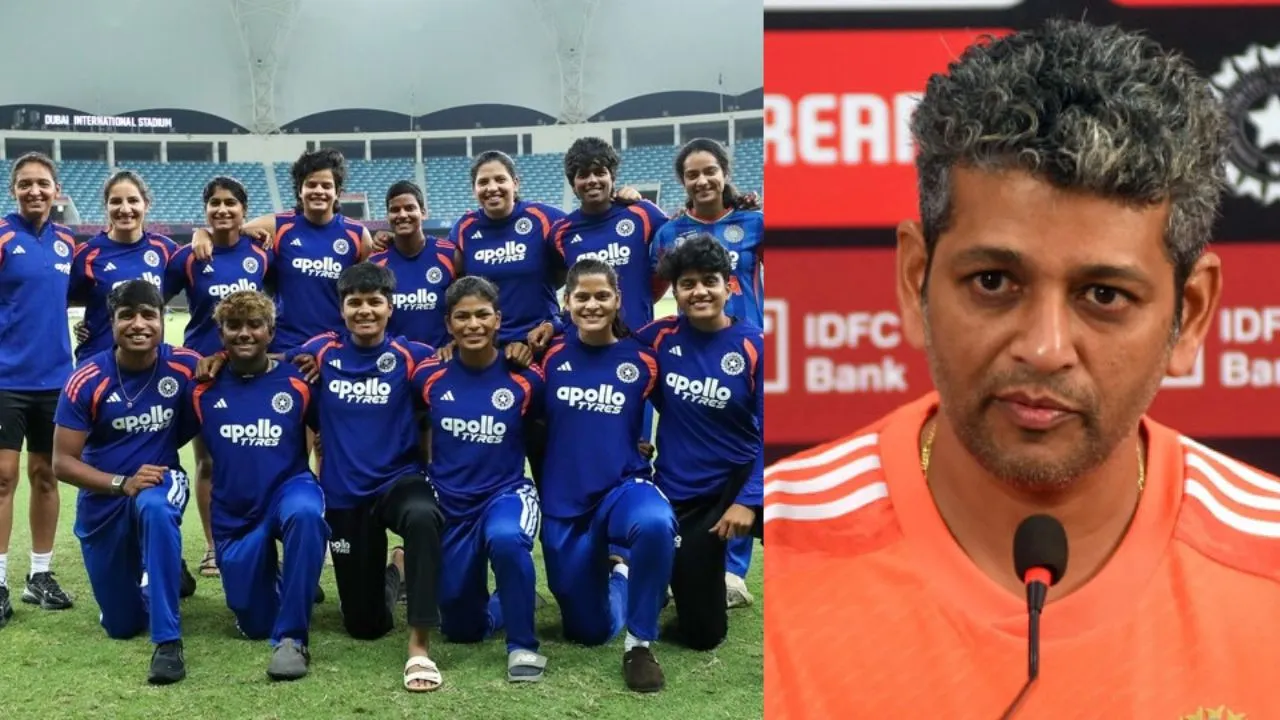
India Women’s Cricket Team Clinches Record Eighth Women’s Asia Cup Title amid Trophy Controversy
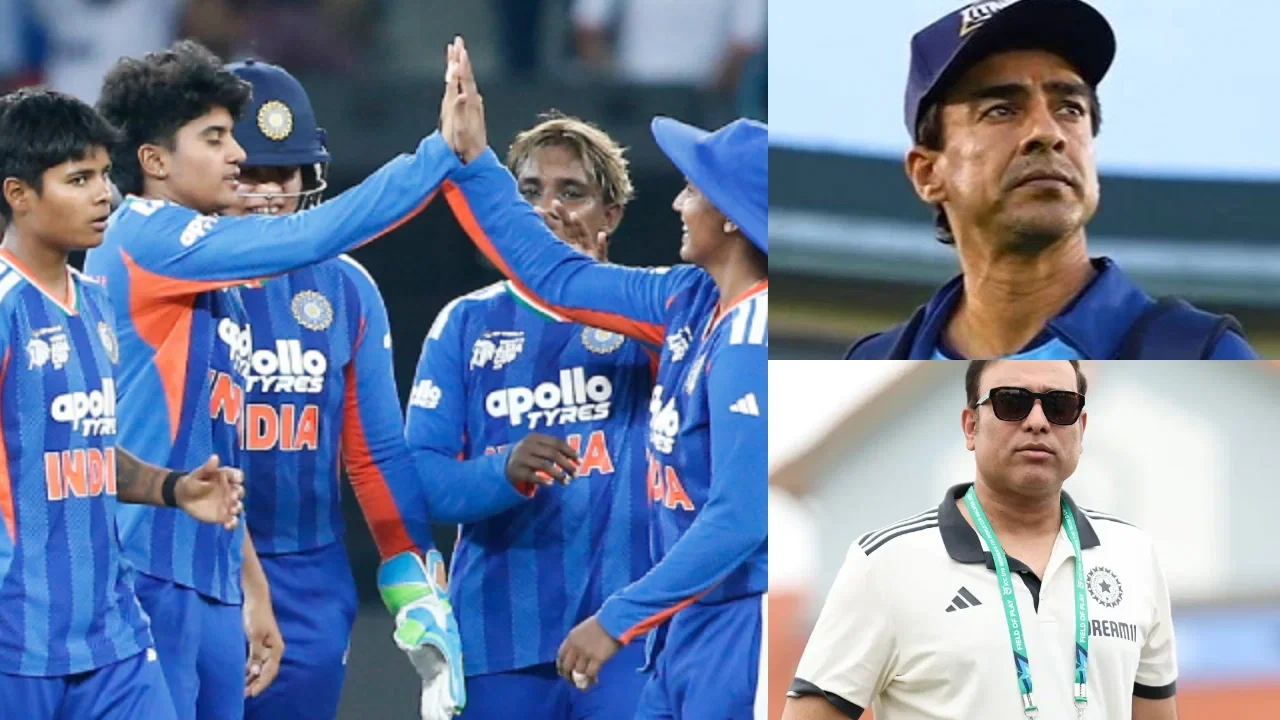
The India Women’s National Cricket Team has once again etched their name into the history books by securing their eighth Women’s Asia Cup title — a record unmatched in the tournament’s illustrious history. Their victory came after a commanding performance against the Sri Lanka Women’s National Cricket Team in the final, reinforcing India’s dominance in Asian women’s cricket. However, the post-match celebrations were marred by an unprecedented incident: the team’s refusal to accept the trophy from Mohsin Naqvi, chairman of the Asian Cricket Council (ACC) and chief of the Pakistan Cricket Board (PCB).
A Historic Win for India Women’s Cricket
Led by captain Harmanpreet Kaur, the Indian squad demonstrated resilience, skill, and team cohesion throughout the tournament. Their journey culminated in a commanding 72-run victory over Sri Lanka, a result that underscored their prowess on the field. India set a formidable target of 184 runs, thanks to stellar performances by openers Smriti Mandhana, who scored 59 runs, and Shafali Verma, who contributed a quickfire 68. Sri Lanka’s chase was thwarted as they were bowled out for just 111 runs, unable to match India’s relentless pace and strategic bowling.
This victory not only adds to India’s impressive tally of Asia Cup titles but also reaffirms their status as the reigning powerhouse of women’s cricket in Asia. The triumph was celebrated across the cricketing fraternity, with fans and experts praising the team’s consistent excellence and growth over the years.
The Trophy Incident: A Diplomatic Stand
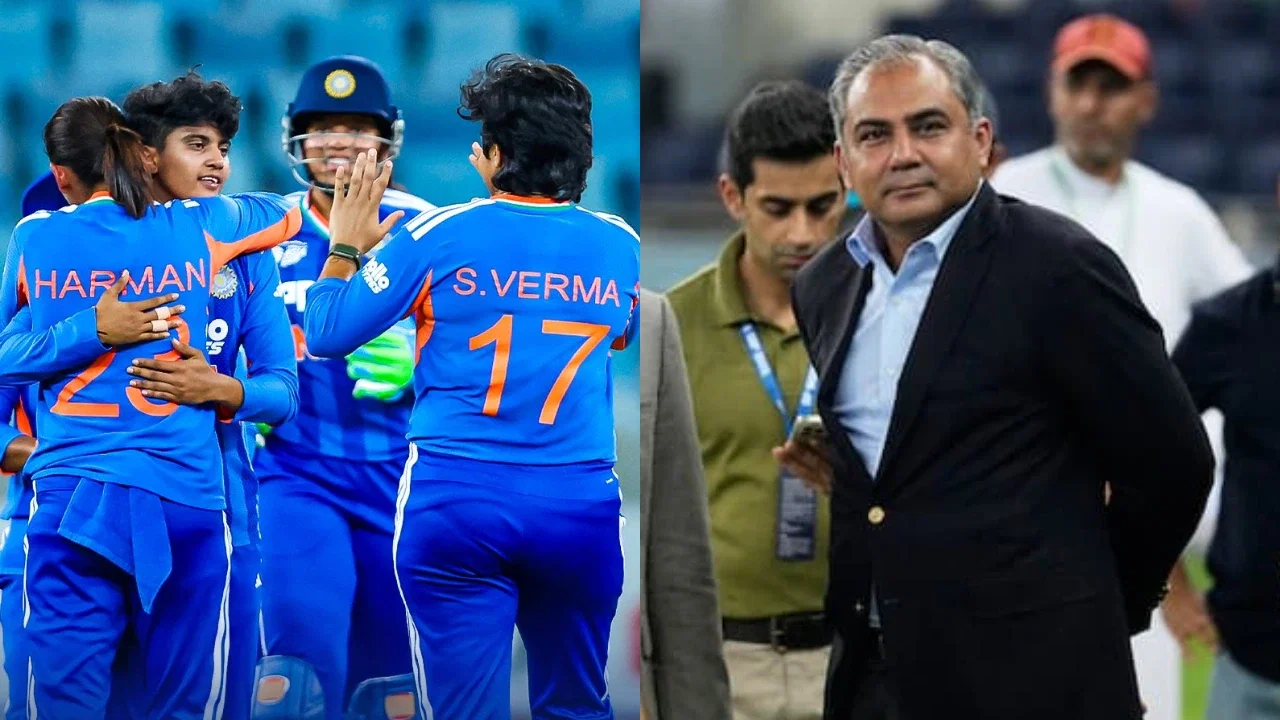
While the victory was cause for celebration on the pitch, a significant controversy unfolded immediately afterward. As the presentation ceremony commenced, Mohsin Naqvi, the head of the Asian Cricket Council and the PCB chief, attempted to present the coveted trophy to the Indian team. However, the players, led by captain Harmanpreet Kaur, refused to accept it. This act of protest was not spontaneous but rooted in a broader stance taken by the Indian cricket authorities.
Interestingly, this was not an isolated incident. In 2025, during the Asia Cup held in Pakistan, the Indian men’s cricket team similarly refused to receive their trophy from Naqvi, in a show of solidarity and protest following the attack in Pahalgam that resulted in civilian casualties. That incident set a precedent, and the recent refusal by the women’s team further underscores ongoing political tensions influencing cricketing rituals.
Insights from the Post-Match Press Conference
Following the match, head coach Amol Muzumdar addressed the media, shedding light on the team’s decision. Expressing clear support for the players’ stand, Muzumdar stated, “That stand has been taken by BCCI (Board of Control for Cricket in India), and we stand by it. For us, this tournament is officially over; we are the champions. That’s good enough.”
He emphasized that the team’s focus was on celebrating their victory and preparing for upcoming tournaments, such as the Asian Games. “It was on the big board that India are the champions of Asia Cup 2026. This tournament is officially over for us. We’re happy that we’re the champions and look forward to the next challenges,” Muzumdar added.
Understanding the Roots of the Protest
The refusal to accept the trophy from Mohsin Naqvi is a politically charged gesture rooted in longstanding tensions between India and Pakistan, often spilling over into sporting arenas. The Indian cricket teams—both men’s and women’s—have historically used such acts as silent protests against political issues, border conflicts, and incidents of violence, seeking to uphold national sentiments.
In this context, the Indian teams’ refusal symbolizes a broader stance against perceived political interference and a message of solidarity with affected communities. The decision to reject the trophy is a form of protest, aiming to highlight unresolved diplomatic issues and call for dialogue and peace. Critics argue, however, that such actions risk politicizing sports and distracting from the pure competitive spirit that unites fans worldwide.
The Implications for Future Tournaments
This incident raises important questions about the intersection of sports and politics, especially in regional tournaments like the Asia Cup. Will teams continue to refuse trophies or participate in ceremonies that have political implications? How will governing bodies like the ACC and ICC navigate such sensitive issues in the future?
While the Indian team’s stance was clear, it also highlights the need for diplomatic protocols that respect both the sport’s integrity and national sentiments. Moving forward, organizers and teams might need to develop new ways to honor victories without compromising political principles, perhaps through symbolic gestures or alternative ceremonies.
Prediction: The Future of Political Protests in Cricket
Based on current trends, it’s likely that political protests like the Indian teams’ refusal to accept trophies will become an increasingly common feature in international cricket, especially in regions with simmering geopolitical tensions. Teams may adopt various forms of protest, ranging from boycotting trophy presentations to walkouts during ceremonies, as a means to voice their stance without disrupting the game itself.
However, cricket’s global appeal hinges on maintaining a neutral and unifying platform. As such, cricket boards and governing bodies will need to craft clear policies to handle such situations, balancing respect for political sentiments with the sport’s core values of fair play and camaraderie.
The Road Ahead: Celebrating Victory Amid Challenges
Despite the controversy, the Indian Women’s Cricket Team’s victory remains a testament to their talent, resilience, and growth. Their record eighth Women’s Asia Cup title is a milestone that will inspire future generations of cricketers across Asia and beyond. Harmanpreet Kaur’s leadership and the team’s collective effort have once again demonstrated that sports can serve as a powerful platform for excellence and perseverance.
As the cricketing community reflects on these events, it is crucial to recognize that sports can also be a catalyst for dialogue, understanding, and change. The Indian team’s stand underscores the importance of respecting political sensitivities while fostering a spirit of unity and respect on the field.
Conclusion: A Turning Point in Regional Cricket Politics
The recent Women’s Asia Cup final has not only added a new chapter to India’s cricketing legacy but also sparked vital conversations about the role of politics in sports. The prediction for the future indicates that such protests may become more frequent, prompting cricket authorities worldwide to develop strategies that uphold the integrity of the game while respecting national sentiments.
Ultimately, this incident serves as a reminder that sports, while inherently competitive, have the power to reflect societal issues and inspire meaningful dialogue. As India celebrates their historic victory, the world watches to see how cricket’s governing bodies will navigate this complex landscape—balancing tradition, politics, and the universal love for the game.
Latest News
England set for batting shake-up as Marcus Trescothick backs flexible approach
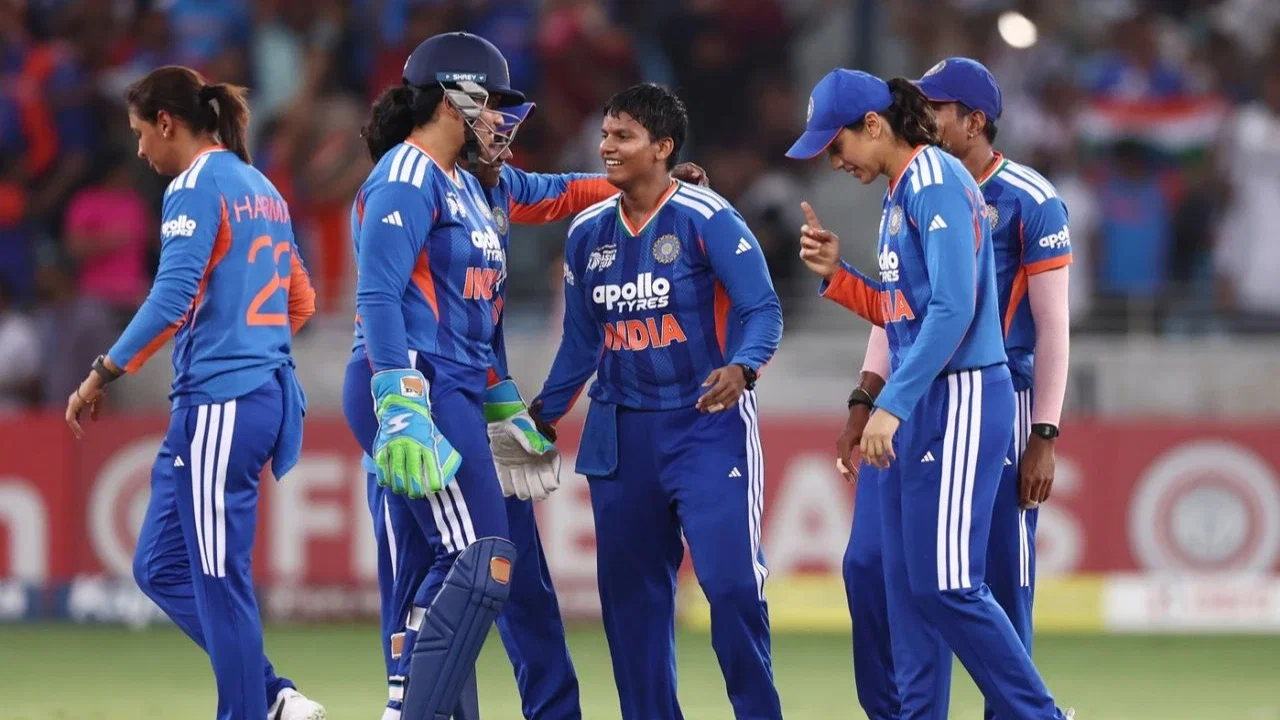
ICC takes action against India pacer after Women’s Asia Cup final incident
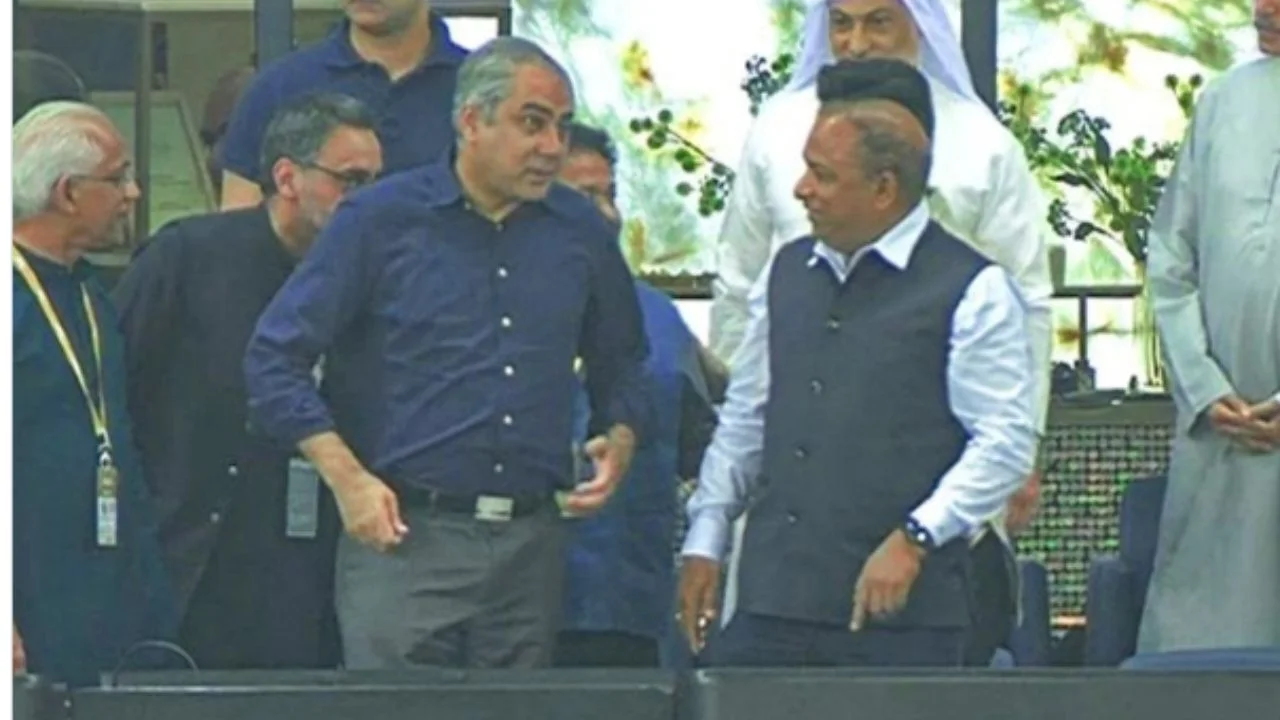
“We don’t have any regrets”: Devajit Saikia breaks silence on Mohsin Naqvi meeting
ADF vs DNG Dream11 Prediction Today Match, Dream11 Team Today, Fantasy Cricket Tips, Playing XI, Pitch Report, Injury Update- European T20 Cup 2026, Match 26
ENG vs SL Dream11 Prediction Today Match, Dream11 Team Today, Fantasy Cricket Tips, Playing XI, Pitch Report, Injury Update- Sri Lanka Tour of England 2026, 1st T20I
Tirumalasetti Suman questions Sanju Samson’s place in Indian team
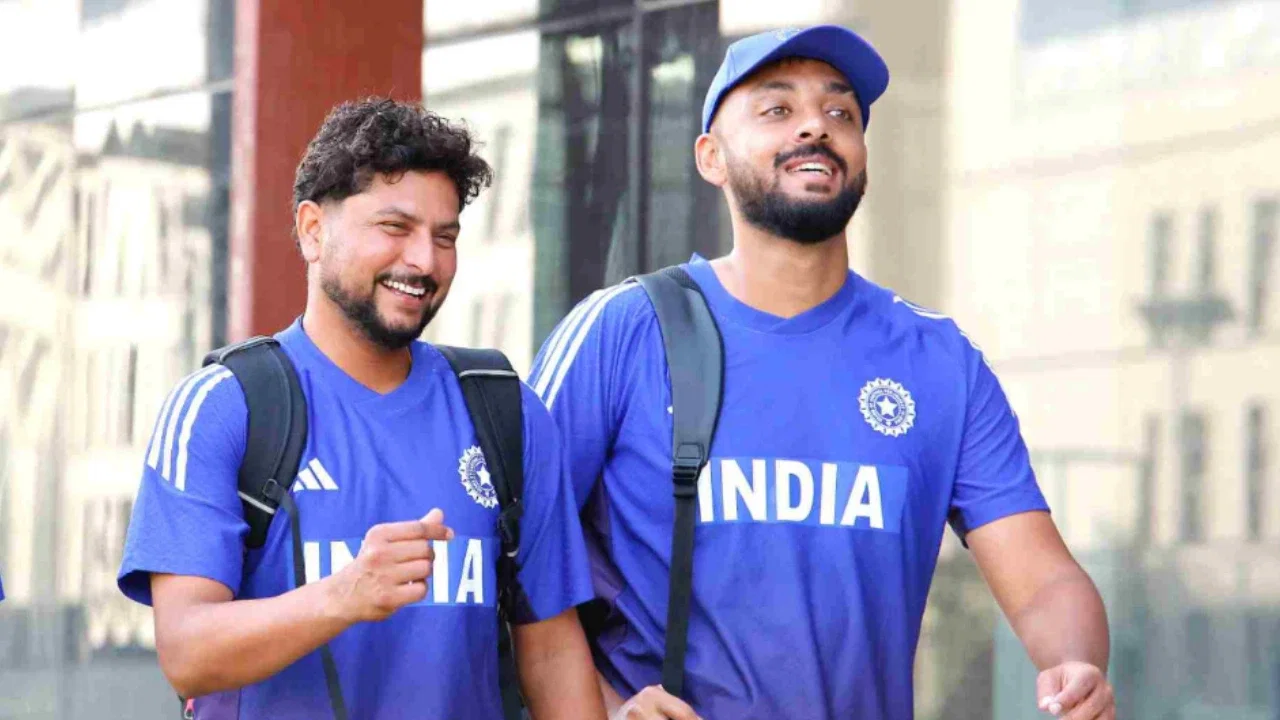
Varun Chakravarthy ruled out of Afghanistan T20Is, BCCI CoE under scanner
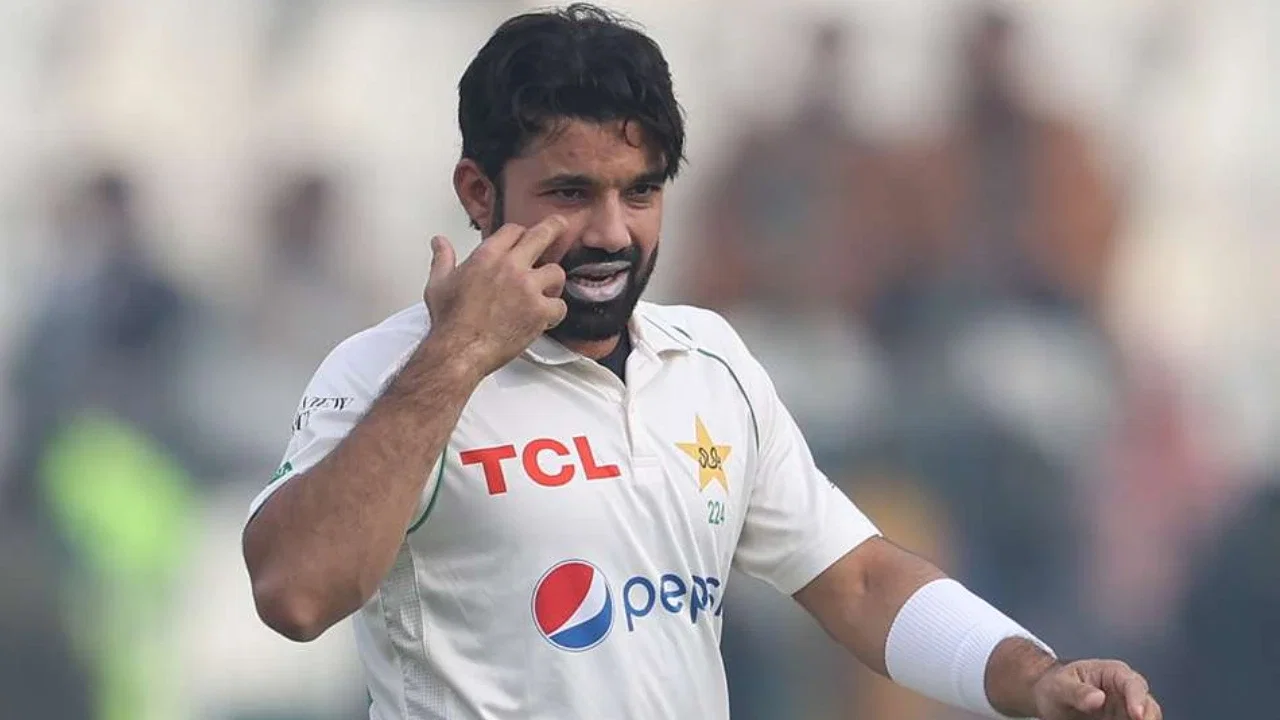
Mohammad Rizwan finally breaks silence on the NCCIA probe
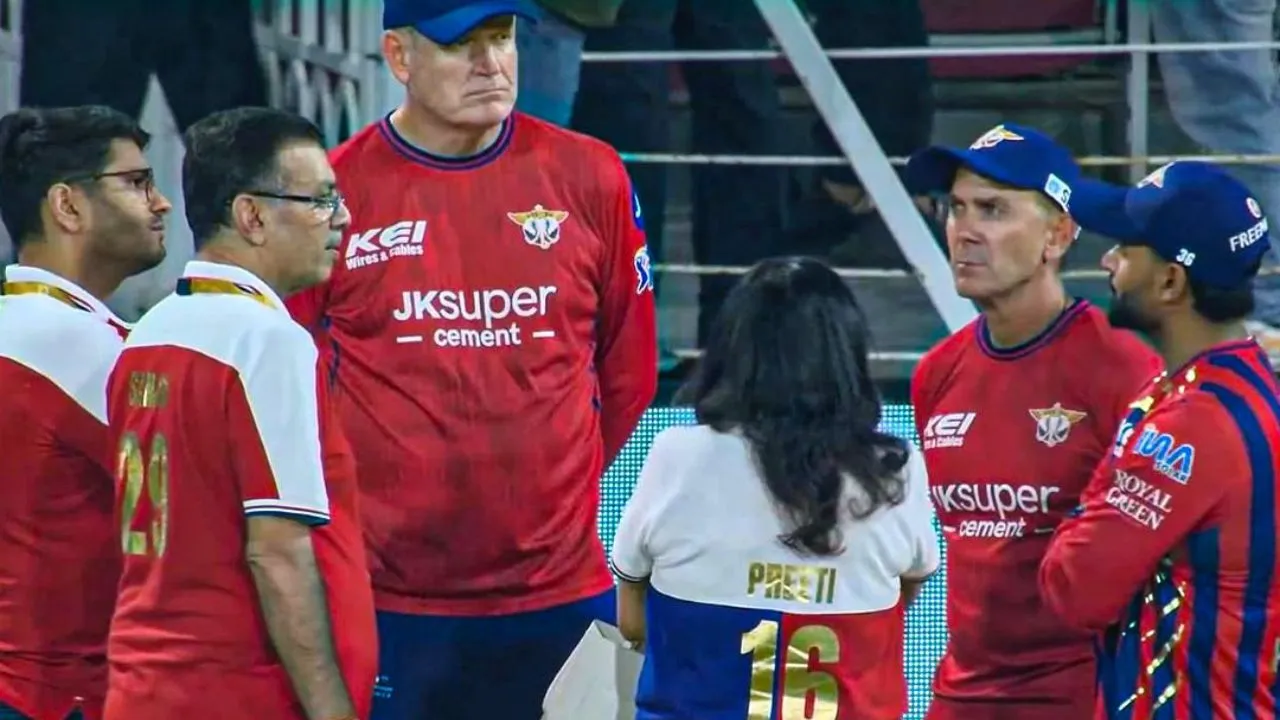
Sanjiv Goenka admits communication issues, hints at LSG coaching change ahead of IPL 2027
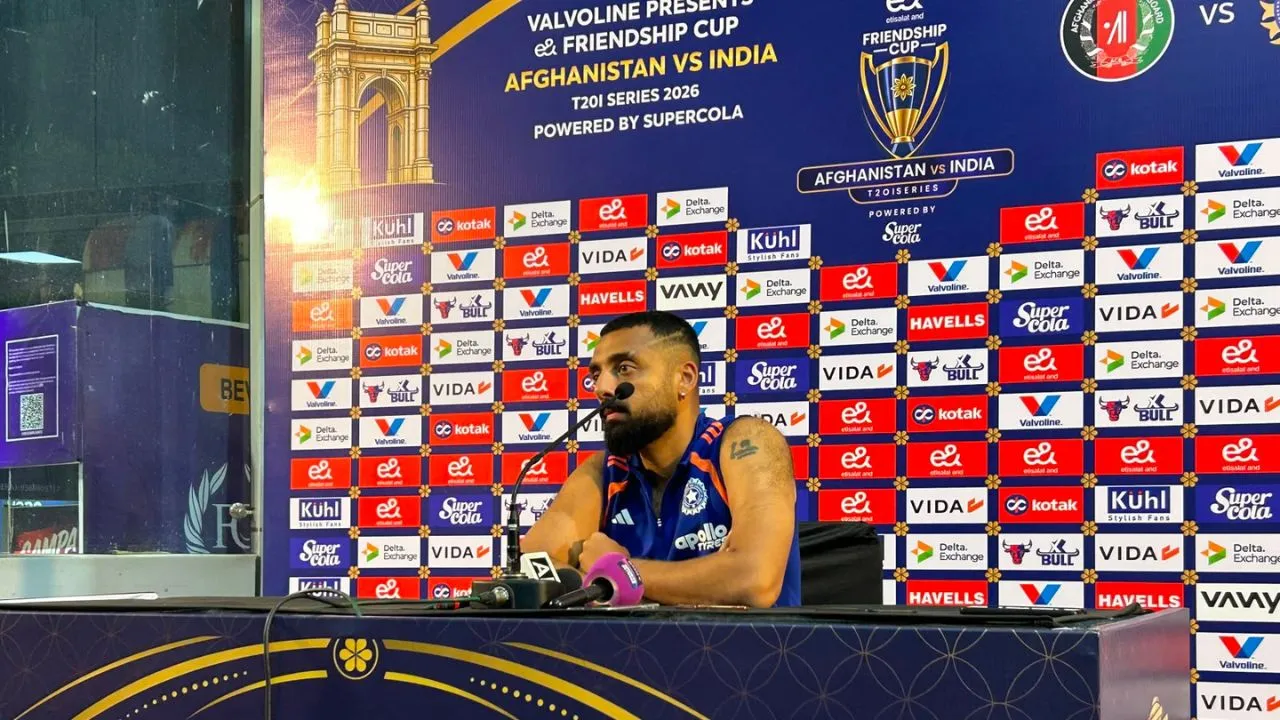
“You can’t bowl spin”: Varun Chakravarthy reveals India’s biggest batting strength
Mithun Manhas, VVS Laxman hail India Women after record 8th Asia Cup title
Mohsin Naqvi unlikely to get another term as ACC chairman after Asia Cup trophy controversy
FIR filed against Mohammed Shami’s brother after woman makes serious allegations
Amol Muzumdar reveals BCCI’s stance after India Women refuse trophy from Mohsin Naqvi