Anjum Chopra exposes India’s weakness ahead of Women’s Asia Cup 2026 semi-final
India Women’s Cricket Team Faces Critical Prediction Challenges Ahead of Women’s Asia Cup 2026 Semi-Finals
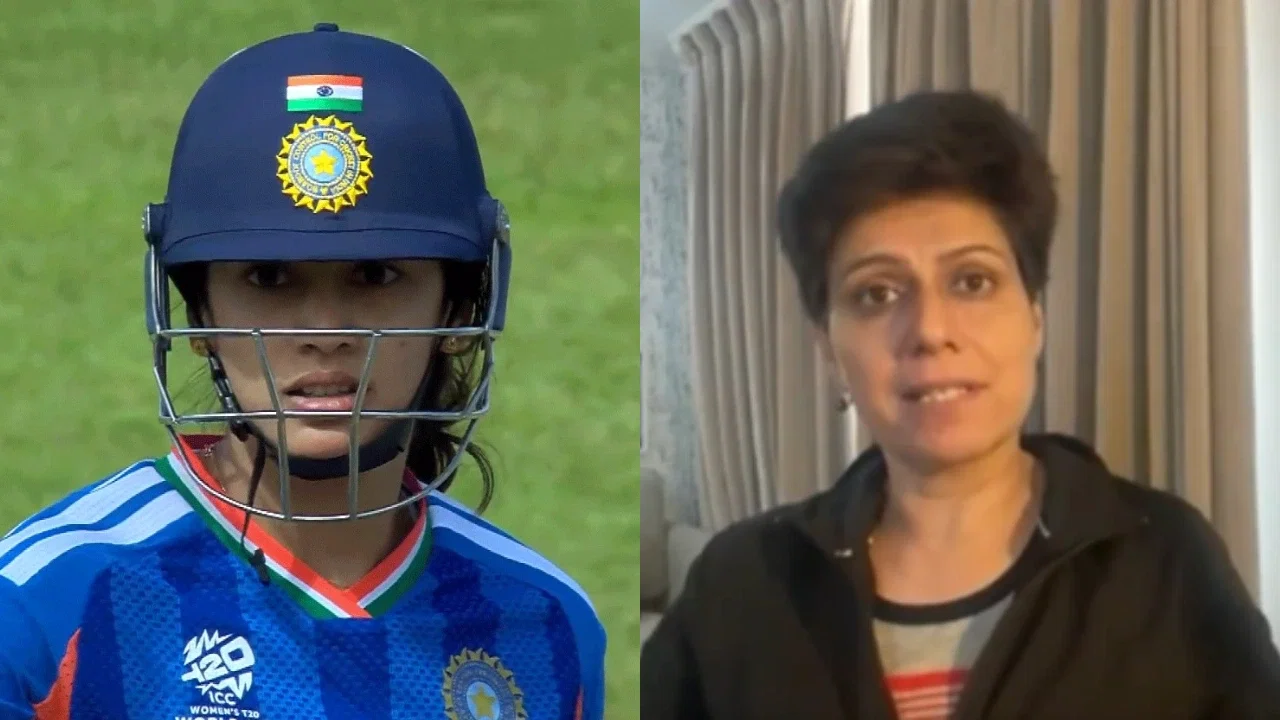
The India Women’s National Cricket Team demonstrated a commanding performance in their recent match against Pakistan Women’s Team, securing a decisive victory by seven wickets. Yet, despite this convincing win, former captain Anjum Chopra has expressed deep concerns about the team’s batting top order—a key area that could significantly influence their prospects in the upcoming semi-finals of the Women’s Asia Cup 2026.
Analyzing India’s Recent Performance and the Top-Order Woes
In the group stage clash, India’s chase of a modest target of 56 runs was marred by a worrying collapse of their top three batters—Shafali Verma, Smriti Mandhana, and Pratika Rawal. The trio failed to establish a strong foundation, with Shafali scoring 12 off 6 balls, Mandhana managing only 9 off 11, and Pratika a mere 4 off 3 balls. The early loss of wickets left India at 29/3 in just the fourth over, prompting concerns about the team’s ability to build stable innings against tougher opponents.
While Harmanpreet Kaur and Deepti Sharma stepped up to finish the chase with a 28-run partnership, Anjum Chopra’s analysis highlights that such dependencies on the captain and experienced all-rounders are not sustainable if India aims to secure the coveted Asia Cup title.
Expert Insights: Prediction and Future Outlook
Renowned cricket analyst Anjum Chopra, speaking on Sony Liv, voiced her apprehensions about the top-order’s inconsistent performance. She emphasized that relying heavily on Harmanpreet Kaur and Deepti Sharma to rescue the team in small target chases is a risky strategy. Chopra pointed out that the manner of dismissals—particularly the top three batters—raises red flags for India’s prospects in the semi-final stage.
“When you’re chasing a target as small as 56 runs, losing three wickets early is a major concern,” Chopra explained. “The way these players are getting out, the shots they’re playing, and the timing of their dismissals—these are the real issues. Our top order should be setting a strong foundation in the first 11-12 overs, especially in knockout games where pressure mounts. If they don’t improve, predicting India’s performance becomes difficult.”
Challenges in the Top Order and Limited Depth
Adding to the complexity is the team’s shallow bench strength in the top order. With only 18-year-old power hitter G. Kamalini as a readily available option, India’s squad faces a significant challenge in rotating and strengthening their opening pair. This scarcity underscores the importance of nurturing young talent and building a more resilient top order that can withstand pressure in high-stakes matches.
Chopra highlighted that the recent incident where Smriti Mandhana was controversially dismissed on the first ball—an incident audible through stump mic—serves as a reminder of the fragility of the top order. Despite the umpire not hearing the dismissal, the commentary team’s audio revealed the miscommunication, reflecting the need for more disciplined batting approaches and better decision-making under pressure.
Prediction for the Semi-Final and the Road Ahead
Looking ahead, the prediction for India’s semi-final performance hinges heavily on the top order’s ability to perform consistently. As the team prepares for the knockout stage, it’s clear that the battleground will demand more stability from the first few overs. If the top three batters—Smriti Mandhana, Shafali Verma, and Pratika Rawal—can elevate their performance, India’s chances of progressing further increase significantly.
Moreover, the upcoming semi-final match is expected to be a pivotal moment in the tournament’s narrative. With Sri Lanka and India already qualifying from their respective groups, the remaining spots are fiercely contested by Bangladesh and Pakistan. Prediction models suggest that team form, especially in batting, will be decisive in determining who advances to the final stages.
Additional Context and Insights into Women’s Cricket Development
The ongoing Women’s Asia Cup 2026 not only serves as a platform for fierce competition but also highlights the evolving landscape of women’s cricket in Asia. Countries like Bangladesh and Pakistan are emerging as formidable contenders, adding unpredictability and excitement to the tournament. Their ability to upset traditional powerhouses hinges on the strength of their top orders and strategic execution.
For India, the semi-final prediction revolves around addressing the top-order vulnerabilities. Experts argue that investing in young talent like G. Kamalini and refining batting strategies can be game-changers. The emphasis on building a resilient batting lineup is crucial, especially in knockout scenarios where every wicket matters, and small margins can determine the outcome.
Conclusion: The Path to Glory and the Need for Strategic Improvements
While India’s recent victory over Pakistan was a morale booster, the prediction for the semi-final phase underscores the importance of structural improvements within the team. The top order’s consistency, decision-making in high-pressure situations, and squad depth are the key factors that will shape India’s journey in the Women’s Asia Cup 2026.
As the tournament progresses, stakeholders—including coaches, players, and cricket analysts—must focus on strategic enhancements to ensure the team’s success. The prediction remains that if India can resolve their top-order issues and maintain composure under pressure, they stand a strong chance of lifting the trophy. Conversely, failure to address these critical areas could jeopardize their semi-final aspirations, making the upcoming matches a true test of their resilience and adaptability.
Final Thoughts: The Future of Women’s Cricket in Asia
The Women’s Asia Cup 2026 continues to be a showcase of emerging talent and fierce competition. For India, the prediction is clear: a more consistent and aggressive top order is essential. As fans and analysts watch eagerly, the team’s ability to adapt and improve will ultimately determine their fate in this prestigious tournament. The journey ahead is challenging, but with strategic focus and determination, India can turn their prediction into a triumphant reality, inspiring future generations of women cricketers across Asia and beyond.
Latest News
Top 10 highest run-chases in T20 cricket history, ft. West Indies’ Ranchi win vs India
Aaryavir Sehwag and Anvay Dravid set to make headlines at U19 Asia Cup 2026
Longest ducks in Test cricket history ft. Nic Maddinson, Shoaib Akhtar
ECB to offer 39 central contracts to England players after Ben Stokes, Mark Wood’s retirement
Steve Smith surpasses Steve Waugh in all-time Test run-scorers’ list

Shane Watson identifies Gautam Gambhir’s biggest problem as India struggle for consistency
Is Bhuvneshwar Kumar in India’s 2027 World Cup plans? Ajinkya Rahane makes revelation
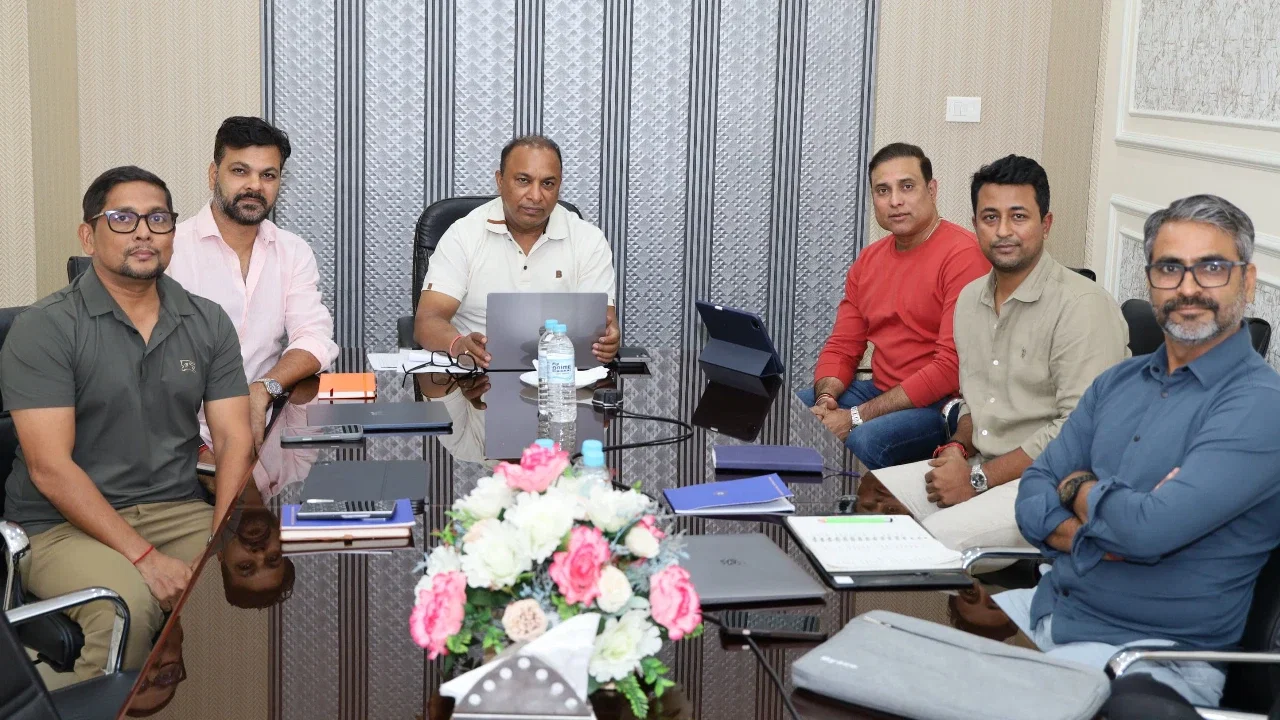
BCCI’s big ₹127 Crore move after injury crisis raises concerns over Team India

Parthiv Patel reveals RCB ignored his Jasprit Bumrah recommendation in IPL 2014 Auction
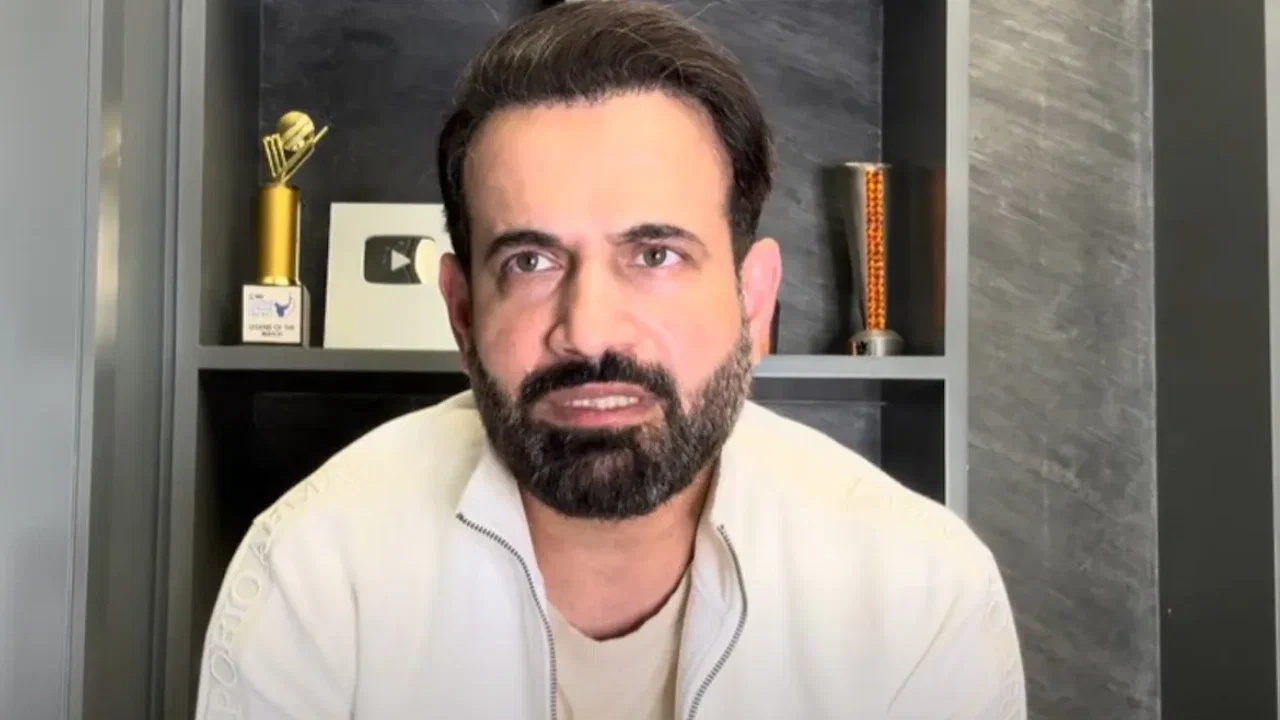
“Never spoke ill of any faith”: Irfan Pathan hits back at fake news using his name
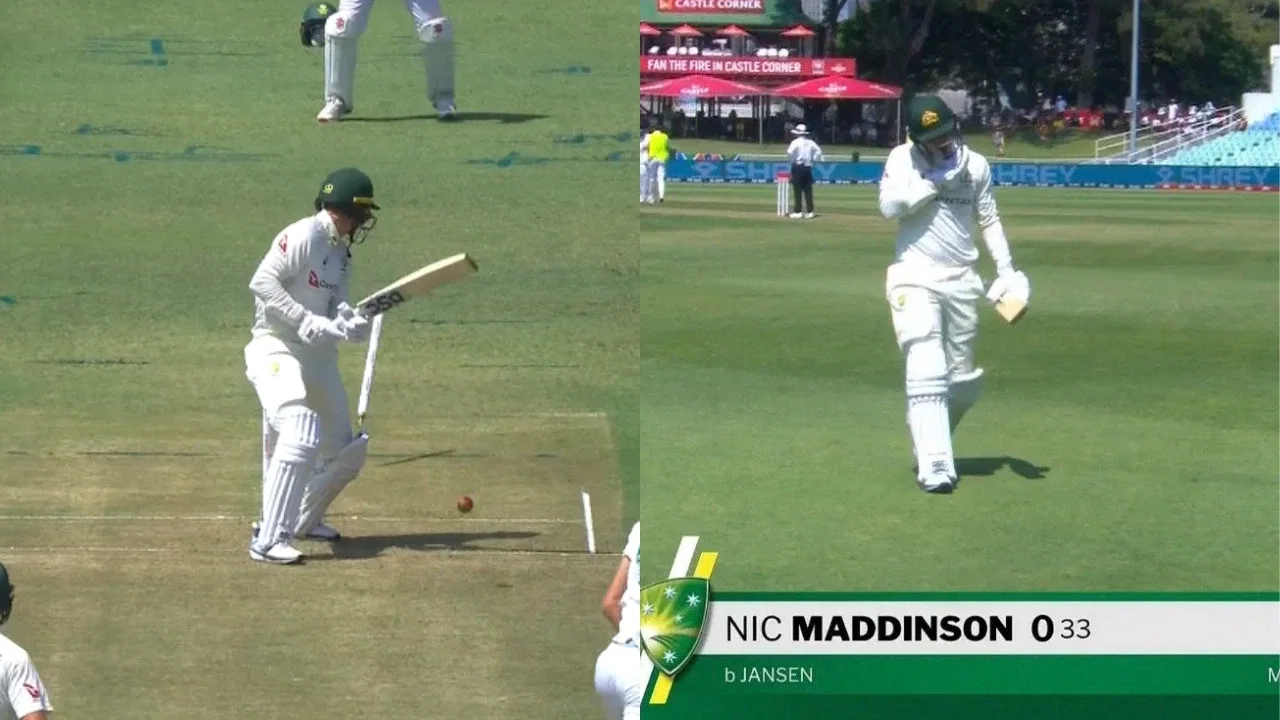
Nic Maddinson bags 33-ball duck on Test comeback, disappoints George Bailey
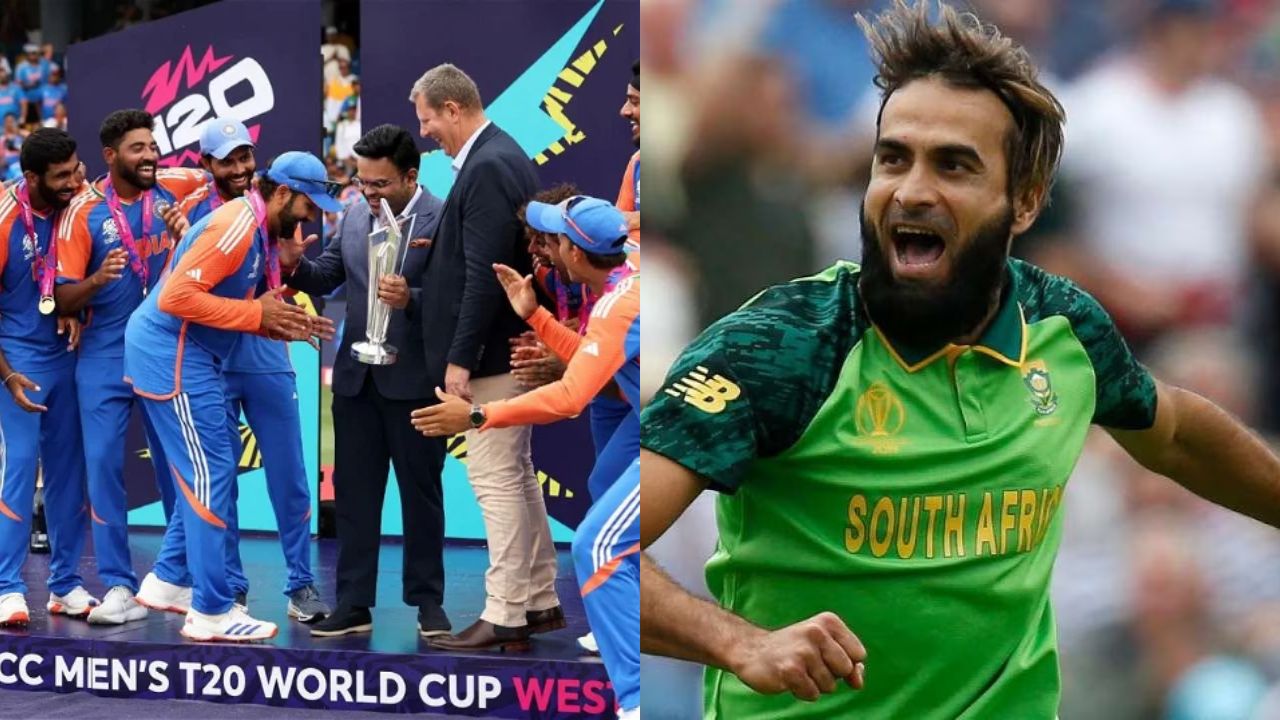
Imran Tahir predicts 2027 ICC ODI World Cup Semi-Finalists, snubs India for title
Australia create unwanted history with first all-30-plus Test XI
Ravindra Jadeja returns to Ranji Trophy as Saurashtra announce squad