Another roadblock for Hardik Pandya, all-rounder ruled out for at least 3-4 weeks
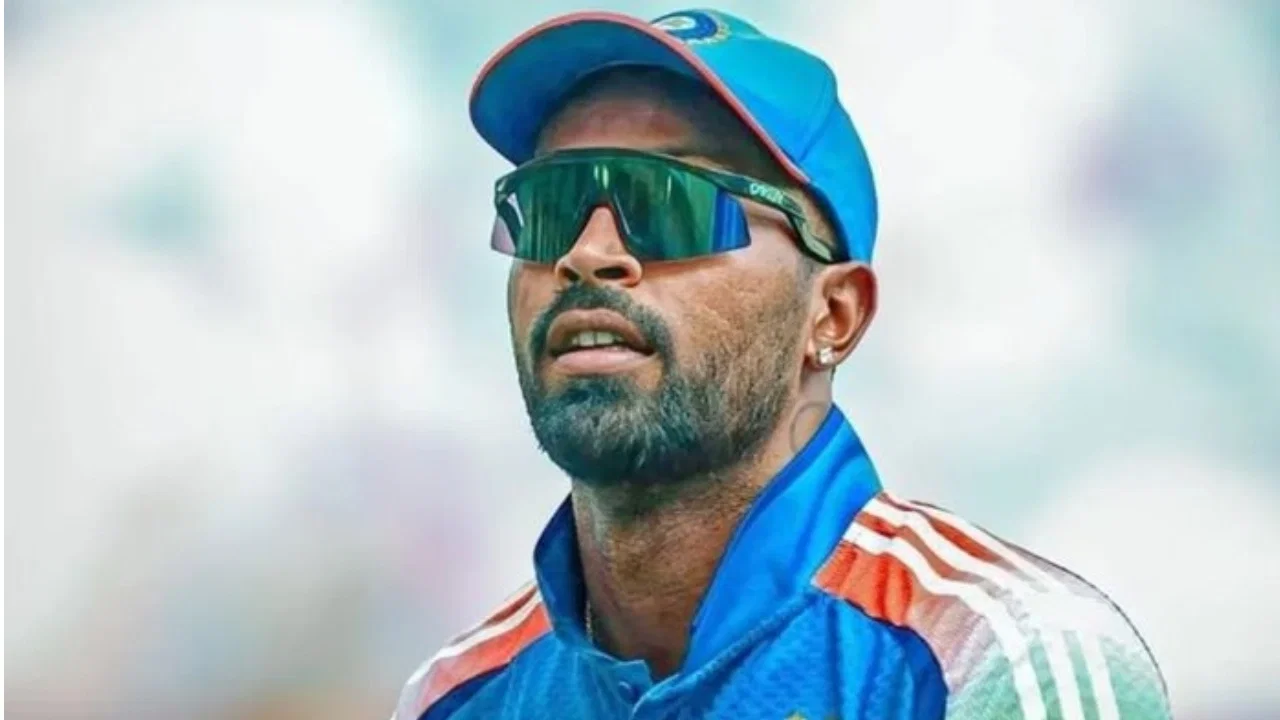
Hardik Pandya’s Injury Setback Throws India’s Cricket Plans Into Uncertainty
In a development that has sent ripples through Indian cricket circles, star all-rounder Hardik Pandya has encountered yet another injury setback just as he was making promising strides in his recovery. The news of his latest injury comes at a crucial time, ahead of high-profile international engagements, including the upcoming ICC World Cup 2027 preparations. This injury not only impacts Pandya’s immediate participation but also raises broader questions about the Indian team’s strategy and prediction for balancing key players ahead of major tournaments.
Background: Pandya’s Road to Recovery and Initial Optimism
Hardik Pandya, renowned for his explosive batting, versatile bowling, and dynamic presence on the field, has been working tirelessly to regain full fitness after a series of injuries over the past year. His rehabilitation journey was seen as pivotal for India’s World Cup ambitions, with expectations that he would not only contribute with the bat and ball but also serve as a vital component in the team’s strategic balance.
Earlier in September, reports indicated that Pandya had made significant progress. He successfully completed batting, bowling, and fielding workloads without any issues. On September 17, he even participated in a match simulation, which was a positive indicator of his readiness to return to competitive cricket. However, just two days later, during another training session or simulation, he experienced discomfort—a pain in his right calf that prompted immediate concern among selectors and medical staff alike.
Details of the Latest Injury and Medical Findings
Following the discomfort, Pandya underwent scans at the BCCI Centre of Excellence in Bengaluru. The MRI results revealed a stress-related injury involving his right tibia, specifically mild intramedullary edema linked to right medial tibial stress syndrome. This condition is often associated with overuse and repetitive stress on the shin bone, common among fast bowlers and all-rounders engaging in intensive training or match simulations.
It is noteworthy that, according to the medical team, there is no evidence of a structural damage or stress fracture at this stage, which is a positive sign. Nonetheless, the injury is severe enough to sideline Pandya for the immediate future, with an estimated recovery window of at least three to four weeks. The BCCI medical team is yet to finalize a structured rehabilitation program, which will likely include low-load exercises initially, gradually progressing to cricket-specific drills, running, and full match practice.
Prediction: A Long Road to Full Fitness
The medical prognosis suggests that Pandya will need approximately 6-8 weeks of treatment and careful rehabilitation to regain peak form. The treatment plan involves bisphosphonate therapy and vitamin D supplementation to support bone healing and recovery. These measures aim to strengthen the affected area, reduce inflammation, and prevent future setbacks.
Given this timeline, cricket experts and fans are speculating about the implications for India’s upcoming fixtures. The prediction is that Pandya will miss several key engagements, including the India A vs. Australia A 50-over series starting October 6 in Puducherry, where he was initially slated to test his bowling workload. Moreover, his absence is expected to extend to the Indian squad’s tour to New Zealand, set to commence on October 22, where his all-round capabilities could have been pivotal.
Impact on Team Strategy and Future Outlook
Hardik Pandya’s injury further complicates India’s strategic planning, particularly with the ICC World Cup 2027 looming on the horizon. As India prepares its squad, predicting the best combination of players becomes critical. Pandya’s ability to contribute both as a seam-bowling all-rounder and a middle-order batter has been central to India’s prediction for a balanced team. His injury raises questions about the team’s contingency plans and the selection of backup players.
Sourav Ganguly, former Indian captain and cricketing legend, emphasized the importance of Pandya’s fitness for India’s World Cup success. He highlighted that Pandya offers a unique balance in the team, with his ability to chip in with crucial wickets and explosive batting at No. 6 or 7. Ganguly’s prediction underscores the challenge for Indian selectors: maintaining team balance while managing injuries and player workload.
Potential Replacements and the Road Ahead
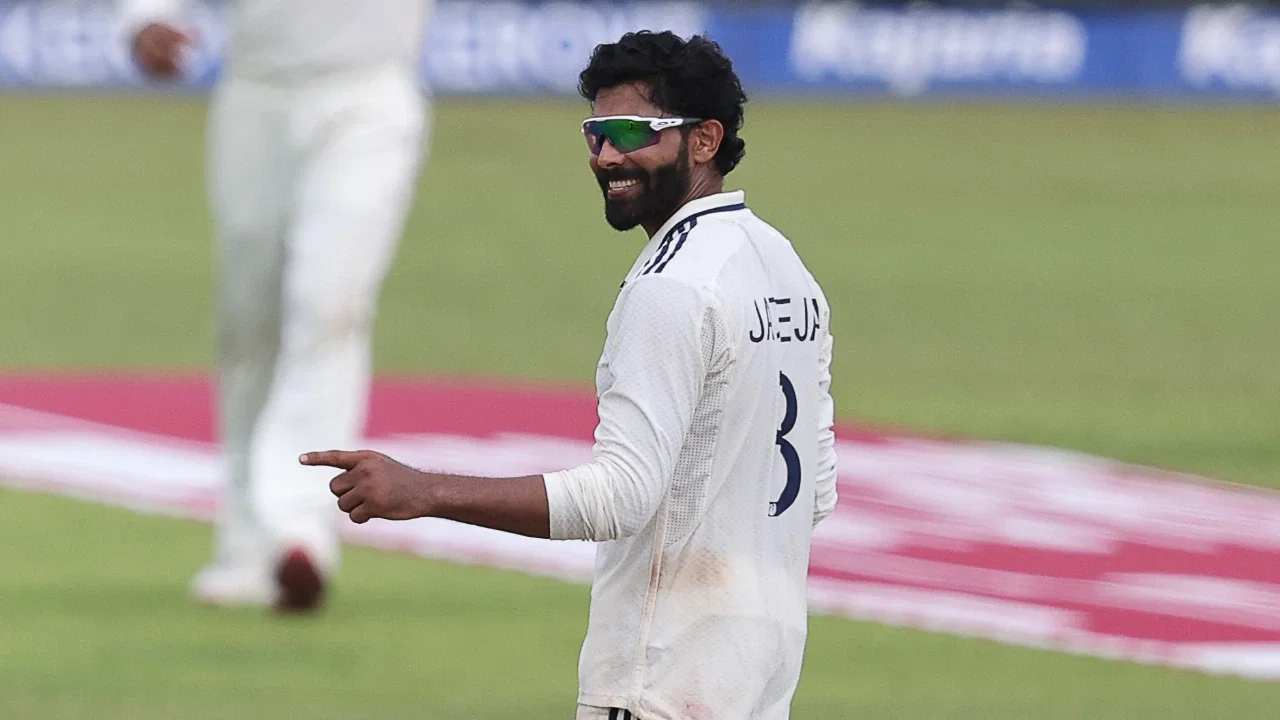
In the absence of Pandya, the spotlight shifts to emerging all-rounders like Nitish Kumar Reddy and seasoned campaigner Ravindra Jadeja. Ganguly suggests that Nitish Kumar Reddy should be given regular opportunities if the team considers him as Pandya’s backup, especially in the seam-bowling all-rounder role. Jadeja, meanwhile, offers a dual advantage—proven experience and the ability to add considerable batting depth at No. 7, which could be crucial in high-pressure matches.
However, the prediction remains that India will need to identify a versatile sixth bowling option, especially for tours like the upcoming series in South Africa, where the top five batters are unlikely to bowl. The need for a seam-bowling all-rounder who can contribute with both bat and ball remains a key strategic priority. The injury to Pandya, therefore, not only delays his personal return but also tests the team’s depth and adaptability.
Additional Challenges and the Broader Context
While Pandya’s injury is a setback, it highlights the broader challenge faced by international teams: managing player workload amidst a congested cricket calendar. With multiple formats demanding high-intensity performances, injuries due to overuse are increasingly common. This situation underscores the importance of prediction models and strategic load management to prevent such setbacks.
Moreover, the injury comes amid concerns over the fitness of other key players. Notably, Harshit Rana, another rising star, recently suffered a viral illness that delayed his return from a quadriceps injury. Such unpredictable setbacks make prediction and planning even more critical for team management, especially with the World Cup and other major tournaments ahead.
Conclusion: A Critical Juncture for Indian Cricket
In sum, Hardik Pandya’s latest injury setback is a reminder of the unpredictable nature of sports and the importance of resilience and strategic planning. The prediction for his recovery timeline suggests he will be sidelined for at least a month, potentially longer, affecting India’s immediate and future cricketing plans. The team’s ability to adapt and find suitable replacements will be under intense scrutiny in the coming weeks.
As cricket enthusiasts and experts await further updates, the focus remains on predicting how India will navigate this challenge. Will emerging players step up to fill the void? Can the team maintain its balance without Pandya? These are the questions that will define India’s journey ahead as they aim for success in the ICC World Cup 2027 and beyond.
Latest News
Top 10 highest run-chases in T20 cricket history, ft. West Indies’ Ranchi win vs India
Aaryavir Sehwag and Anvay Dravid set to make headlines at U19 Asia Cup 2026
Longest ducks in Test cricket history ft. Nic Maddinson, Shoaib Akhtar
ECB to offer 39 central contracts to England players after Ben Stokes, Mark Wood’s retirement
Steve Smith surpasses Steve Waugh in all-time Test run-scorers’ list
Shane Watson identifies Gautam Gambhir’s biggest problem as India struggle for consistency
Is Bhuvneshwar Kumar in India’s 2027 World Cup plans? Ajinkya Rahane makes revelation
BCCI’s big ₹127 Crore move after injury crisis raises concerns over Team India
Parthiv Patel reveals RCB ignored his Jasprit Bumrah recommendation in IPL 2014 Auction
“Never spoke ill of any faith”: Irfan Pathan hits back at fake news using his name
Nic Maddinson bags 33-ball duck on Test comeback, disappoints George Bailey
Imran Tahir predicts 2027 ICC ODI World Cup Semi-Finalists, snubs India for title
Australia create unwanted history with first all-30-plus Test XI
Ravindra Jadeja returns to Ranji Trophy as Saurashtra announce squad