Anrich Nortje’s injury rocks South Africa during 2nd Test against Australia
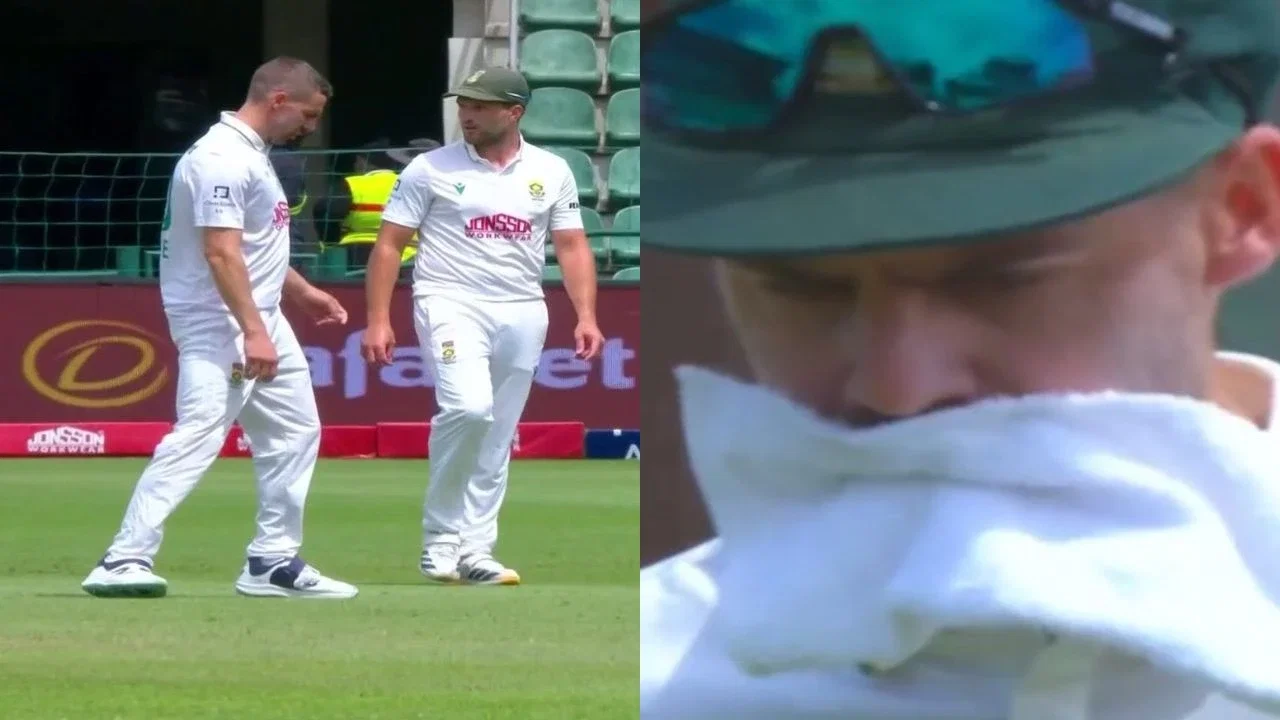
Anrich Nortje Injury Scare Adds Tension to South Africa-Australia Test
South Africa’s push for a crucial result in the second Test against Australia was interrupted by an injury scare on Day 4, when fast bowler Anrich Nortje left the field during the 20th over of Australia’s first innings. Nortje had delivered three balls before stopping and walking off, with experienced spinner Simon Harmer completing the over.
The reason for Nortje’s departure was not immediately confirmed. Speculation centered on a possible groin or ankle problem, but South Africa had yet to provide an official diagnosis. His condition could become an important factor in the closing stages of a match in which the Proteas were applying sustained pressure on Australia’s batting order.
Nortje’s return had begun promisingly
The second Test marked Nortje’s return to South Africa’s Test side during the team’s away series in Australia. He had looked sharp before leaving the field, conceding just five runs from 3.3 overs and dismissing Marnus Labuschagne. His pace and ability to generate movement offered South Africa a valuable option on a surface that appeared to suit the fast bowlers.
That early contribution made the injury concern particularly significant. Nortje’s speed can unsettle batters, especially when they are under pressure to rebuild an innings. If he could not return to the attack, captain Temba Bavuma would need to manage the remaining bowlers carefully and find ways to maintain pressure without overworking the frontline quicks.
For now, the situation remained uncertain. A clear update on the injury would help determine whether Nortje could bowl again, take part in the field, or face a longer spell on the sidelines. Until then, South Africa’s immediate priority was to keep taking wickets and prevent Australia from recovering.
Bavuma’s commanding innings put South Africa in control
South Africa entered the match under pressure after suffering a heavy defeat to Australia in the previous Test in Durban. The response in the second match began with a major effort from captain Bavuma, whose 179 from 334 deliveries anchored the first innings and helped the visitors reach 425.
Bavuma’s innings was built on patience and concentration. Rather than allowing the Australian attack to dictate the pace, he occupied the crease and gave South Africa a dependable foundation. His century was especially important after the team had faced the risk of falling into trouble early in the innings.
Support from the lower order strengthened the total. Marco Jansen and Simon Harmer both made substantial contributions, adding more than 80 runs apiece and helping South Africa turn a strong platform into a sizeable score. Their runs gave the bowlers a meaningful target to defend and reduced the chance that Australia could take control through a quick first-innings lead.
Jansen leads a disciplined bowling effort
South Africa also made an early impact with the ball, removing opener Nic Maddinson for a duck. The dismissal set the tone for an innings in which Australia struggled to build partnerships. By the time Nortje left the field, the hosts had been reduced to 65 for six, leaving South Africa firmly in the contest.
Jansen was the standout bowler, claiming four wickets and using his height and bounce to trouble Australia’s batters. Kagiso Rabada, Nortje and Wiaan Mulder also helped keep the pressure on, while the team’s disciplined approach limited opportunities for the home side to score freely.
Conditions appeared to offer encouragement to South Africa’s pace attack. Grass on the pitch and occasional cloud cover provided the possibility of seam movement, making it difficult for batters to settle. In those circumstances, accurate lines and sustained pressure could be just as important as raw speed.
Australia had already lost Maddinson, Scott Boland, Travis Head, Labuschagne, Matt Renshaw and Alex Carey. With six wickets down, the remaining batters faced the challenge of surviving against a bowling group that had found rhythm. South Africa’s task was to avoid letting the lower order build a partnership that could shift the momentum.
Why Nortje’s availability matters
Nortje’s possible absence would not automatically undo South Africa’s advantage, but it could alter the balance of the attack. Fast bowlers need to be rotated carefully during a long innings, particularly when the pitch encourages seam movement. Losing one of the quickest options would place greater responsibility on Rabada, Jansen and Mulder, while Harmer could be used to control the scoring and create pressure from the other end.
South Africa’s captain would also have to consider the match situation before deciding how aggressively to use the remaining bowlers. With Australia already six wickets down, the Proteas needed to keep attacking, but they also had to ensure their main quicks remained fresh for the final stages. Nortje’s fitness update could therefore influence both the immediate wicket-taking plan and the wider strategy for the Test.
World Test Championship stakes raise the pressure
The match carries significance beyond the series. Both places in the final of the current World Test Championship cycle remain in contention, and results in high-profile contests such as this can reshape the standings. South Africa, the defending champions, have extra motivation to turn their strong position into a victory and strengthen their campaign.
A win would represent a major response to the defeat in Durban and could produce a notable shift in the WTC points race. However, the Proteas still needed to complete the job. Test matches can change quickly, and Australia’s lower order would be determined to resist, reduce the deficit and give the top order another opportunity.
Match prediction: South Africa appeared to hold the advantage at 65 for six, particularly with Jansen in form and the conditions offering assistance to the seamers. The prediction, however, depended on the fitness of Nortje and South Africa’s ability to take wickets without allowing Australia’s remaining batters to establish a partnership. With the result and WTC implications both in play, the final stages promised to be tense.
Latest News
Sri Lanka to host England ahead of inaugural Women’s Champions Trophy

Shreyas Iyer explains why Bhuvneshwar Kumar’s India return makes sense

Watch: Harry Brook totally surprised after learning Pakistan star Arafat Minhas’ age
Gujarat Titans officials question Ashish Nehra over backing Rahul Tewatia and 2 others before IPL Auction
Anrich Nortje’s injury rocks South Africa during 2nd Test against Australia

IND vs NZ Playing 11 Today, Live Streaming, Pitch & Weather: India tour of New Zealand 1st T20I, 2026

Watch: Smriti Mandhana snubs handshake with Harmanpreet Kaur, rift rumours resurface
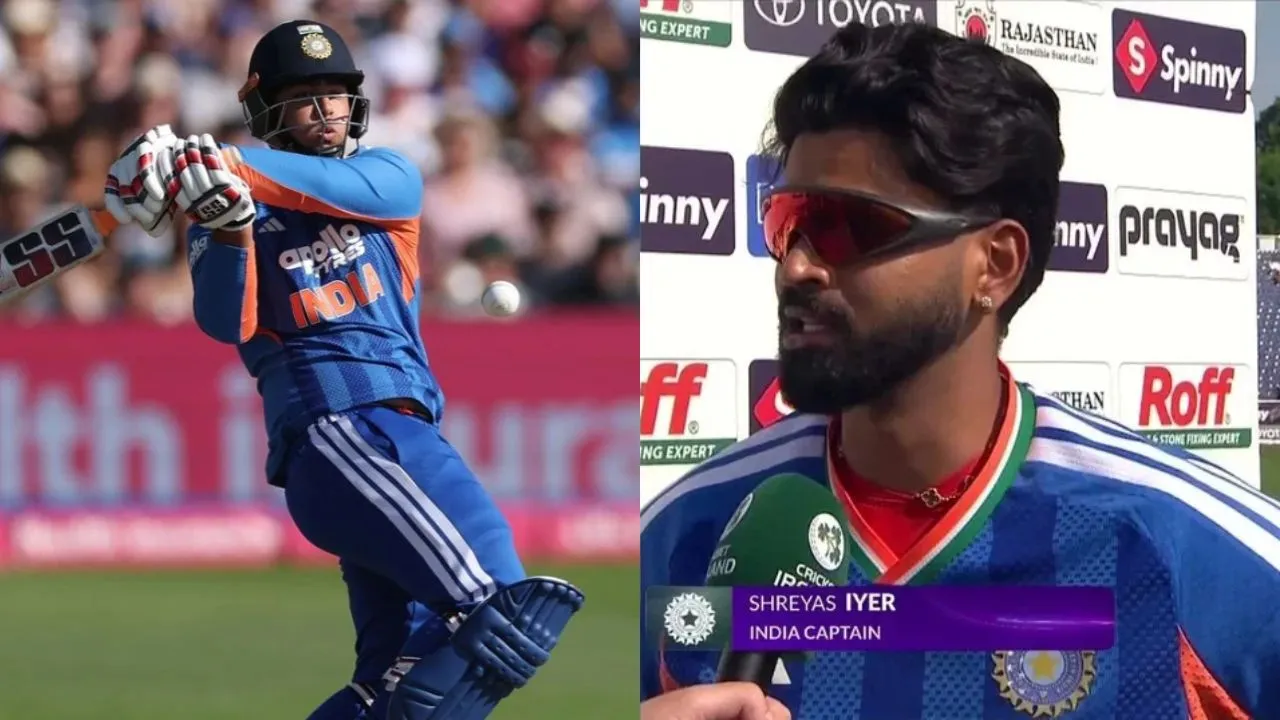
Vaibhav Sooryavanshi can’t walk straight into India team, says Shreyas Iyer

Rishabh Pant injury update arrives before NZ Tests, Prasidh Krishna’s medical bulletin issued
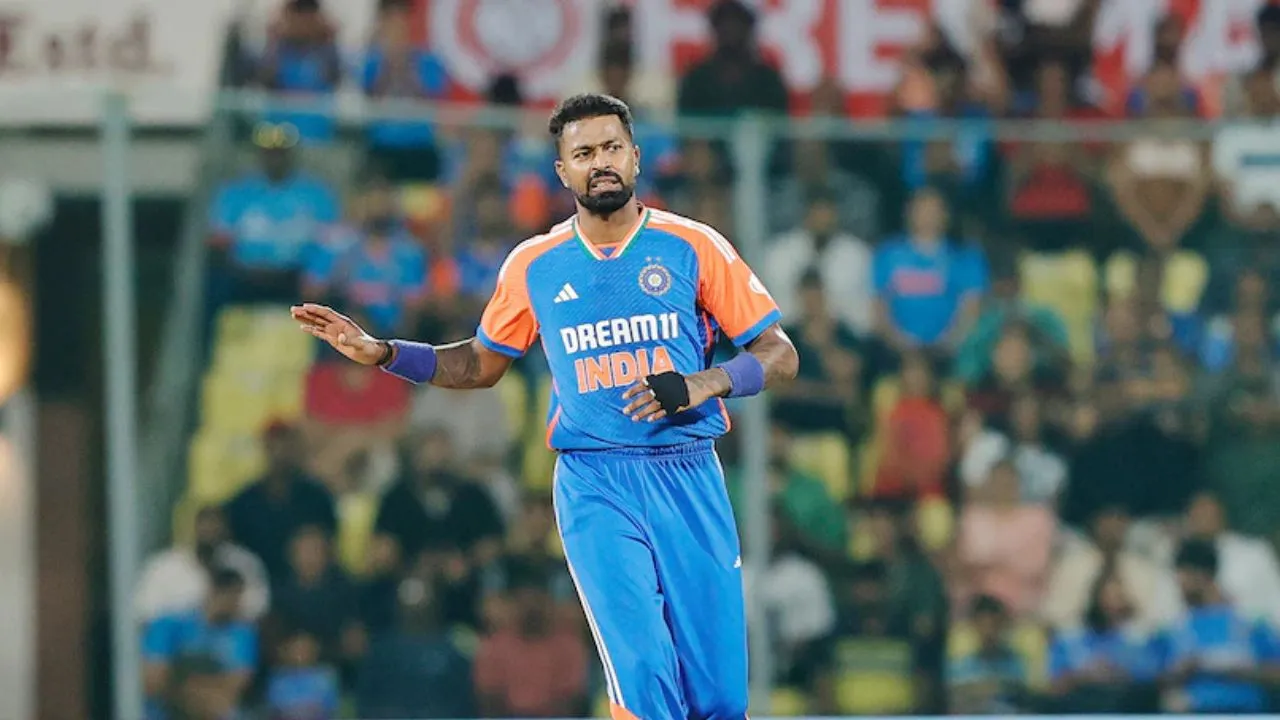
Hardik Pandya comeback date: All-rounder to return directly for IPL 2027

Gujarat Titans set to release Shahrukh Khan, Glenn Phillips before IPL 2027 auction
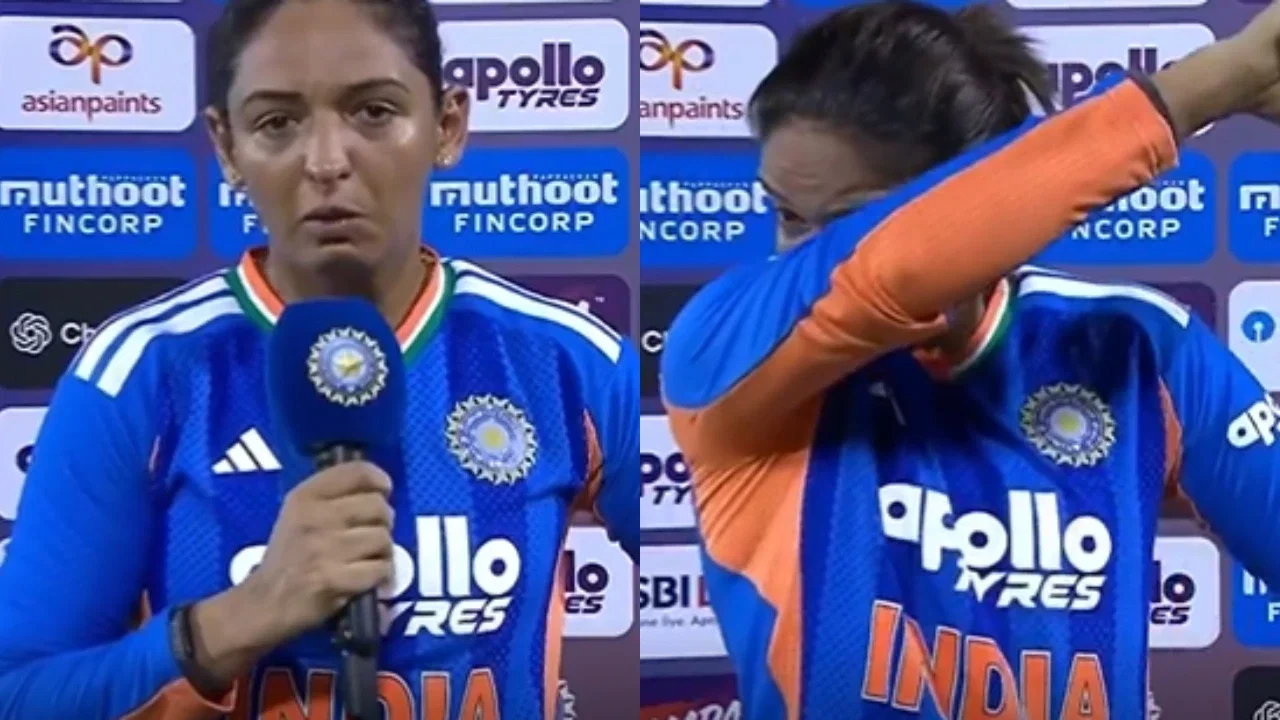
Watch: Harmanpreet Kaur breaks down in tears during interview after quitting India captaincy

Temba Bavuma sees Sachin Tendulkar in himself after career-best 179
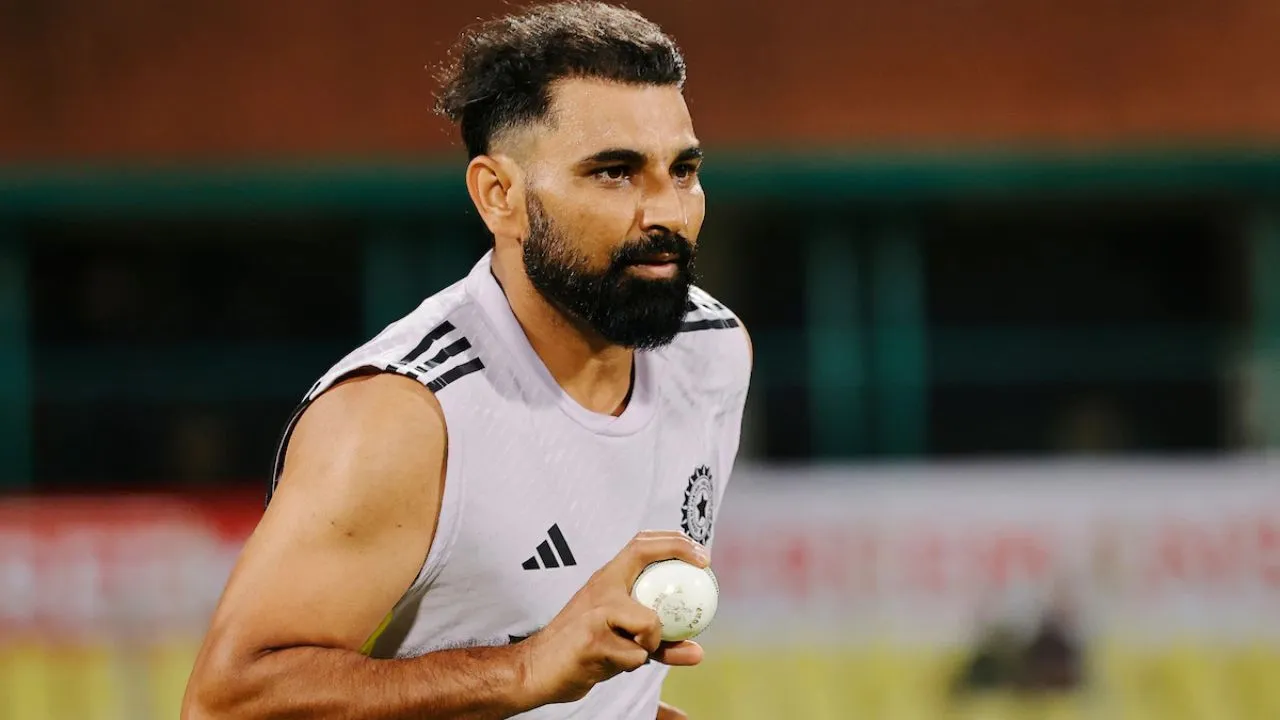
Mohammed Shami retirement: India pacer reveals when he will quit cricket