Vaibhav Sooryavanshi can’t walk straight into India team, says Shreyas Iyer
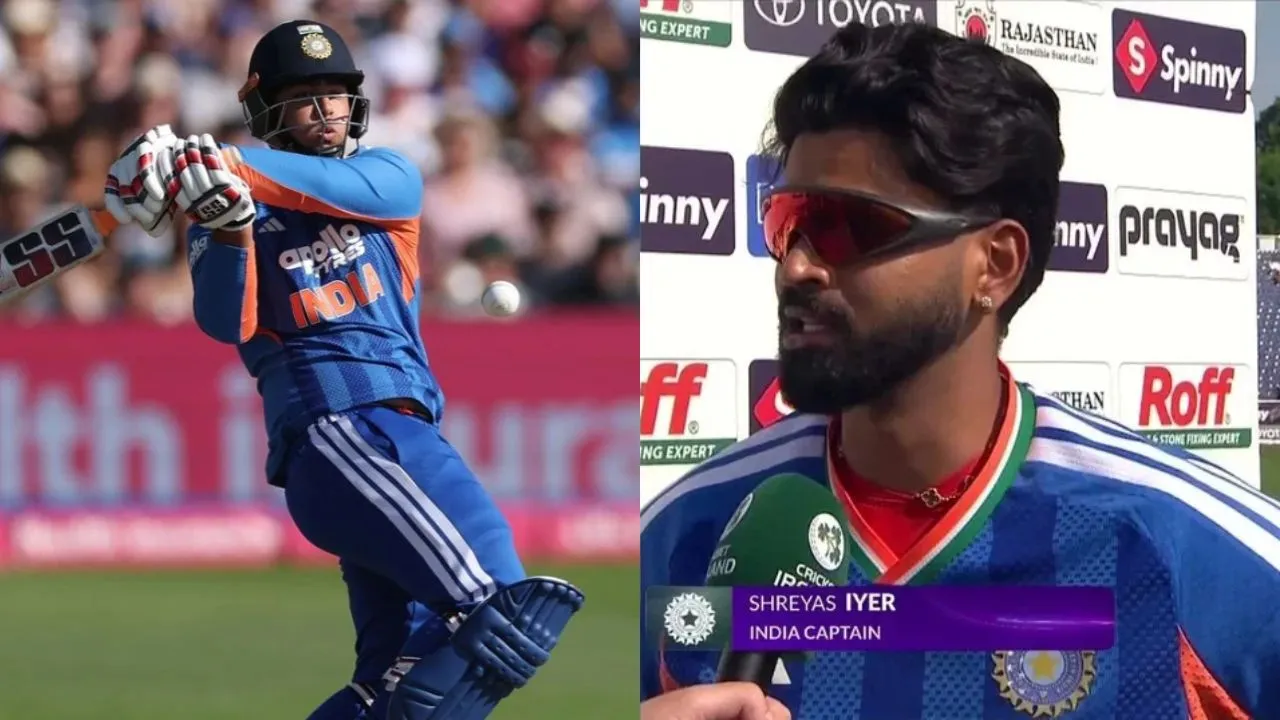
Shreyas Iyer Urges Patience for Vaibhav Sooryavanshi Ahead of India’s New Zealand T20I Series
India’s young batting prospect Vaibhav Sooryavanshi may have to wait for his chance in the senior team, with captain Shreyas Iyer making clear that selection will depend on the team’s needs and the performances of established players. India are preparing for a five-match T20I series against New Zealand, beginning on October 22, and competition for places at the top of the order is already intense.
Sooryavanshi remains part of India’s squad, but his presence does not guarantee an immediate place in the playing XI. Iyer said the teenager can use the tour to learn about overseas conditions, observe the demands of international cricket and prepare for future opportunities. The captain’s comments offer a measured prediction for the youngster’s role: he may not feature in every match, but the experience could still prove valuable to his development.
Why Sooryavanshi May Need to Wait
Iyer praised Sooryavanshi’s potential while stressing that India’s current opening options have earned their places through consistent performances. Abhishek Sharma and Sanju Samson have been important contributors for the side, and their experience and attacking ability make it difficult for a newcomer to walk straight into the starting XI.
“It is important that a talent like him is always happy in the dressing room, and he is really young. He has many more years to get an opportunity,” Iyer said at the pre-series press conference, as reported by RevSportz. He added that the teenager should use overseas tours to develop a better understanding of conditions, so he can be more prepared when a future opportunity arrives.
The message reflects a familiar challenge for emerging cricketers: selection is shaped not only by individual talent but also by team balance, current form and the roles already filled by senior players. For Sooryavanshi, time around the squad could offer lessons in preparation, match-day routines and adapting to different pitches, even if he is initially watching from the sidelines.
Abhishek Sharma and Sanju Samson Set a High Standard
The statistics underline the competition Sooryavanshi faces. Abhishek Sharma has scored 2,071 runs in 67 T20Is, with a highest score of 135 and a strike rate of 194.09. His record includes three centuries and 14 half-centuries, alongside 199 fours and 143 sixes. That aggressive scoring rate gives India a powerful option in the opening overs, when teams look to make the most of fielding restrictions.
Samson has also established himself as a dangerous top-order batter. He has accumulated 1,735 runs in 77 T20Is at a strike rate of 159.32, including three centuries and 10 half-centuries. His highest score is 111, and he has struck 150 fours and 103 sixes. The combination of Samson’s experience and ability to accelerate makes him a strong contender for a regular role.
The pair’s partnership record adds further context. Abhishek and Samson have scored 1,125 runs together in 38 innings, with a highest stand of 142. They have been unbeaten six times and average 29.60 runs per partnership. Those figures suggest the opening combination has already developed a productive rhythm—an important consideration for selectors weighing whether to make changes.
For Sooryavanshi, the path into the XI may therefore depend on more than a single impressive performance. He will need to show that his strengths can complement the existing lineup and that he can adapt to the pace, pressure and tactical demands of international T20 cricket.
Iyer Emphasises Flexibility Across the Batting Order
Iyer also used the press conference to underline the importance of flexibility. In T20 cricket, batting positions can shift according to the match situation: a team may need a batter to rebuild after early wickets, attack a particular bowler or finish the innings with power. Iyer said players should be prepared to take on different roles rather than insist on one fixed position.
“I feel you should be flexible with what the team demands in a particular situation,” he said, explaining that he is willing to bat at different numbers depending on what India needs. He pointed to Ishan Kishan’s role at No. 3 in the previous World Cup as an example of how a player can succeed outside a traditional position.
Iyer added that conditions and the state of the game should guide a batter’s role. “It cannot be that one player can only play in one particular position,” he said. That approach could matter for a young player such as Sooryavanshi, whose first international opportunity may come in a role or position different from the one he has regularly occupied in domestic cricket.
What the New Zealand Tour Could Offer the Young Batter
Even without a guaranteed place in the playing XI, a tour of New Zealand could provide Sooryavanshi with useful preparation. Overseas pitches can behave differently from familiar Indian surfaces, while travel, weather and local conditions can influence how batters approach their innings. Observing how senior players adjust to those factors may help him build a clearer plan for future tours.
The series will also give India a chance to assess its combinations and workload across five matches. If circumstances create an opening, Sooryavanshi could come into contention; otherwise, his immediate task will be to stay ready, learn from the group and continue developing his game. Iyer’s comments do not rule out a debut, but they make clear that selection will be earned within a competitive squad.
For now, India’s established openers remain the leading options, while Sooryavanshi’s opportunity is likely to depend on timing, team balance and performance. The captain’s advice is straightforward: remain patient, stay engaged and be prepared to contribute when called upon. In a format where plans can change quickly, that readiness may be just as important as raw talent.
Latest News
Watch: Smriti Mandhana snubs handshake with Harmanpreet Kaur, rift rumours resurface
Vaibhav Sooryavanshi can’t walk straight into India team, says Shreyas Iyer
Rishabh Pant injury update arrives before NZ Tests, Prasidh Krishna’s medical bulletin issued
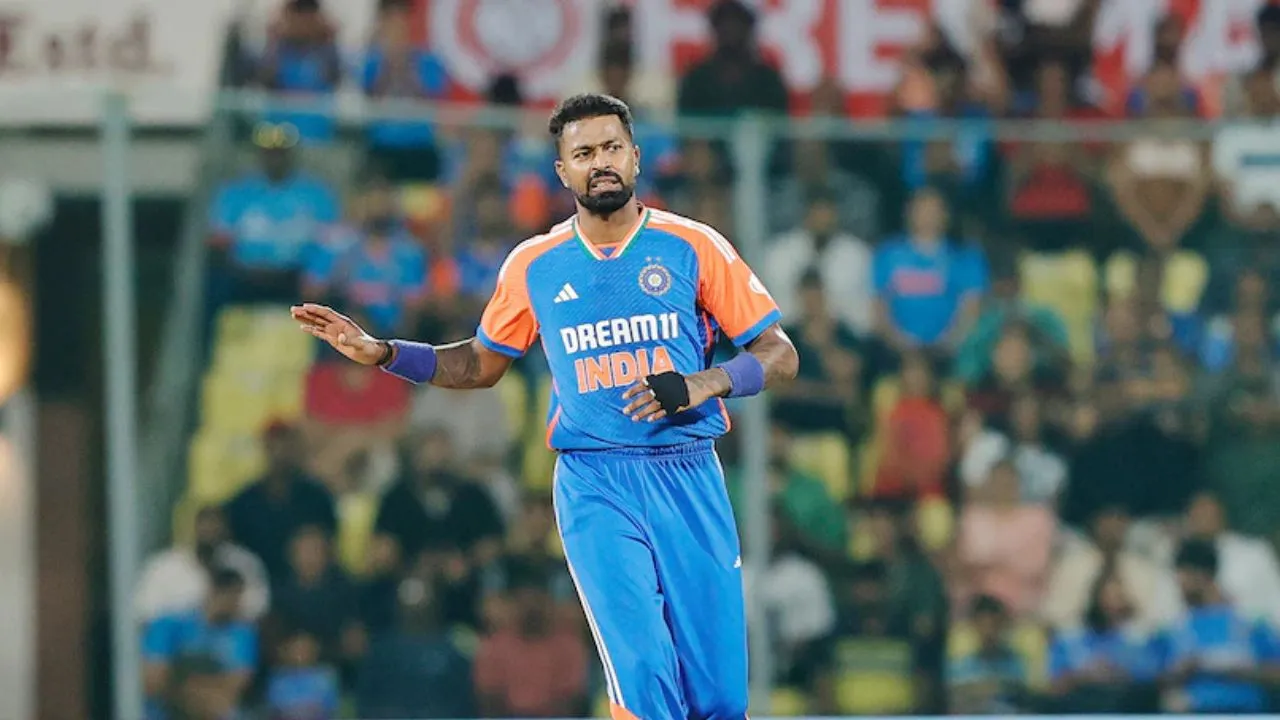
Hardik Pandya comeback date: All-rounder to return directly for IPL 2027
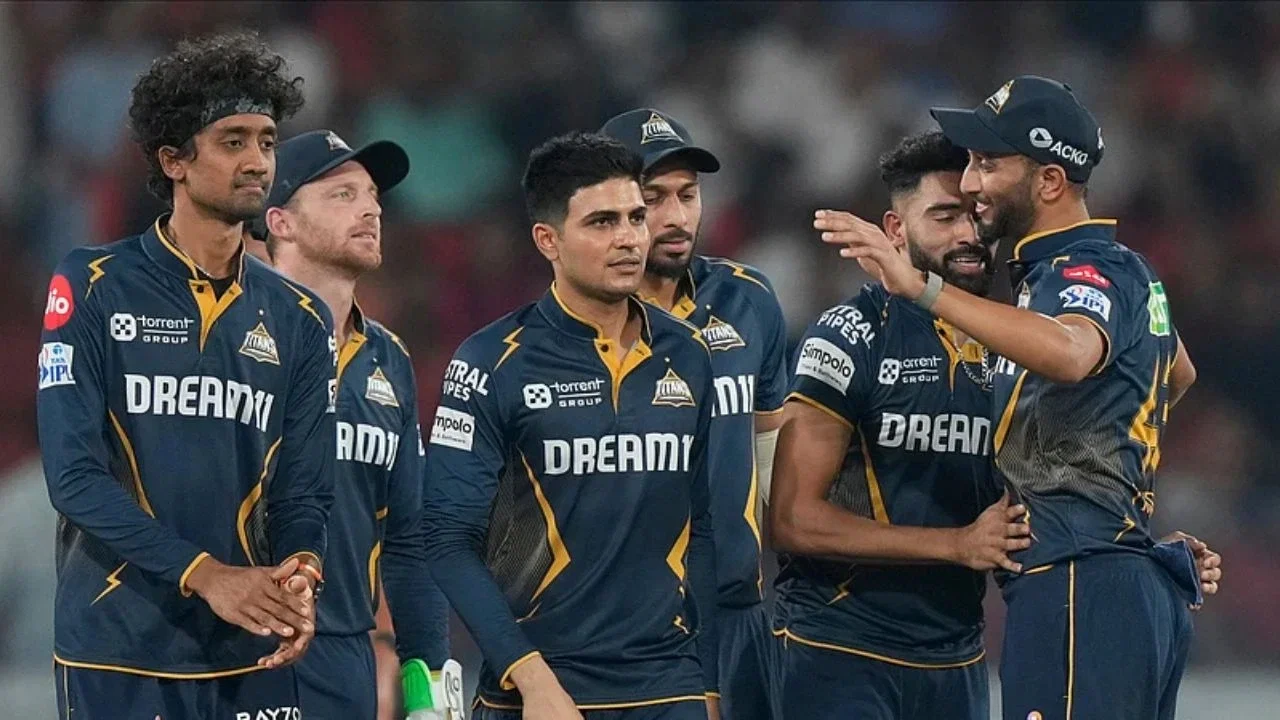
Gujarat Titans set to release Shahrukh Khan, Glenn Phillips before IPL 2027 auction
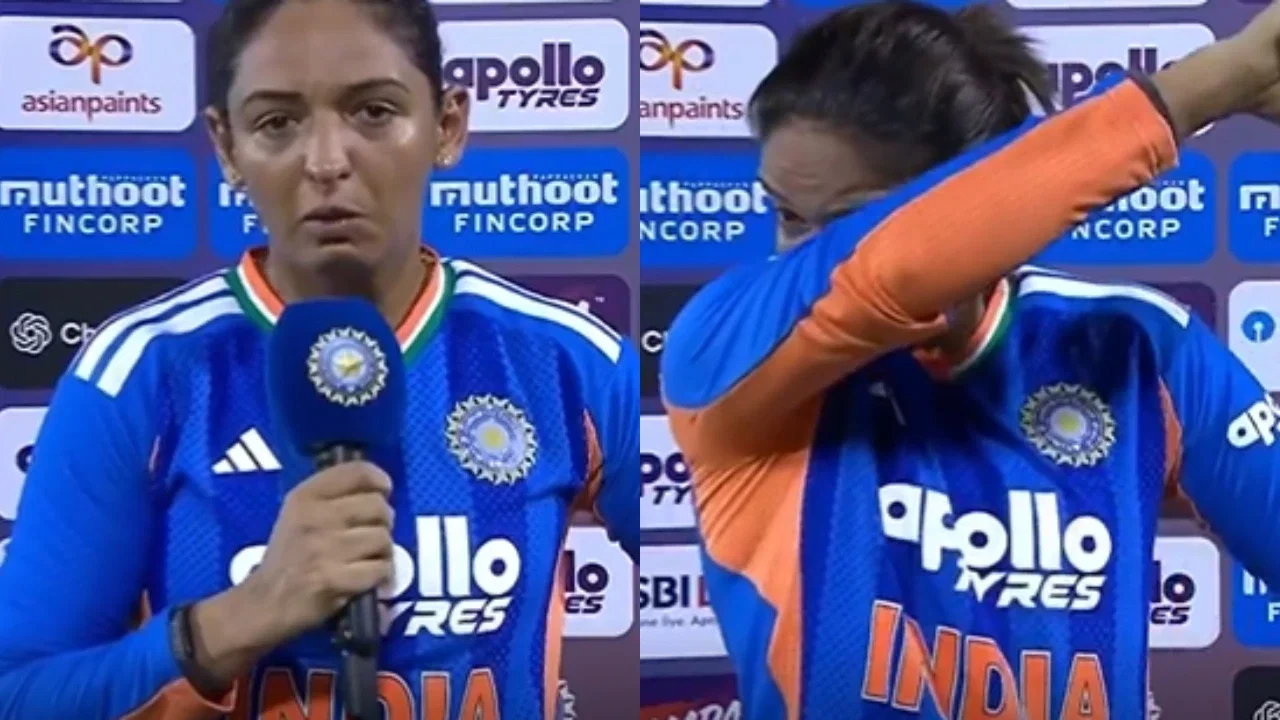
Watch: Harmanpreet Kaur breaks down in tears during interview after quitting India captaincy
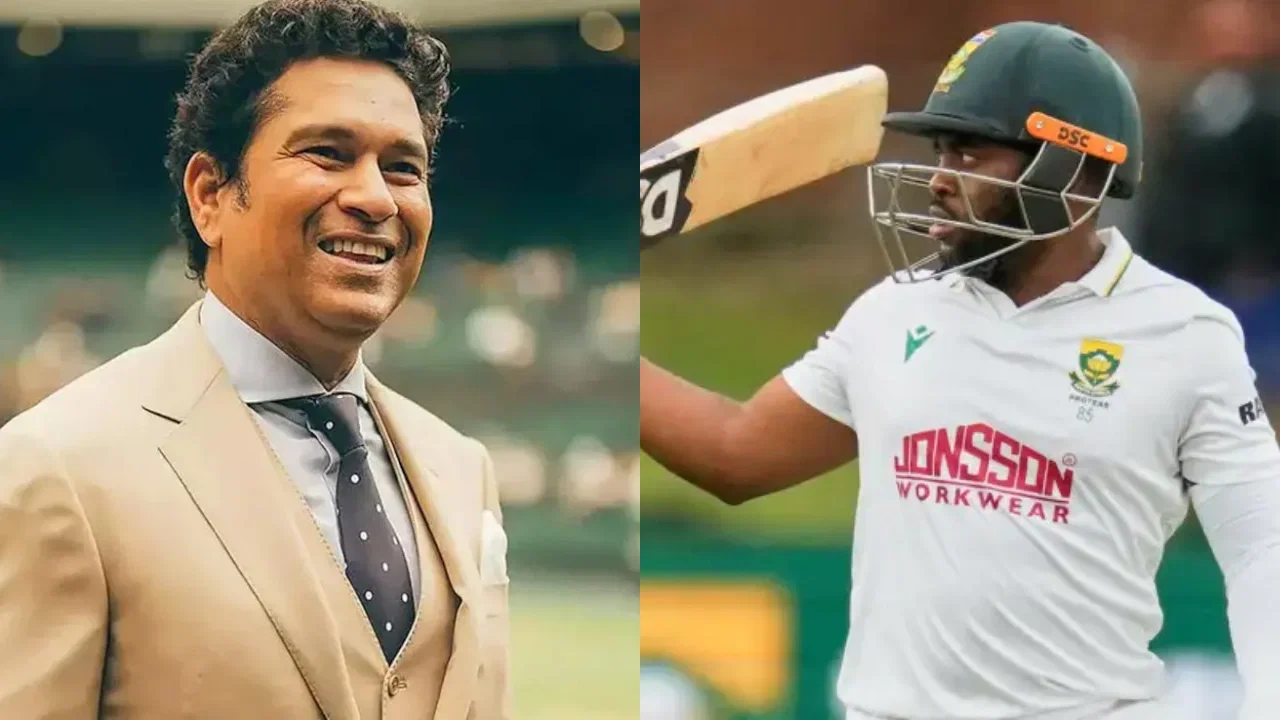
Temba Bavuma sees Sachin Tendulkar in himself after career-best 179
Mohammed Shami retirement: India pacer reveals when he will quit cricket
ICC Women’s U19 T20 World Cup 2027: Full schedule, fixtures, groups and dates
No contact from selectors, but India comeback hopes alive: Mohammed Shami sends message to BCCI
Vaibhav Sooryavanshi in trouble as New Zealand prepare plans to counter him
Cheteshwar Pujara snubs himself as he names top 5 No. 3 batters in Test cricket
Sai Kishore takes 10 wickets, including hat-trick, as Tamil Nadu thrash Uttarakhand
Harbhajan Singh opens up on speculated rift with MS Dhoni