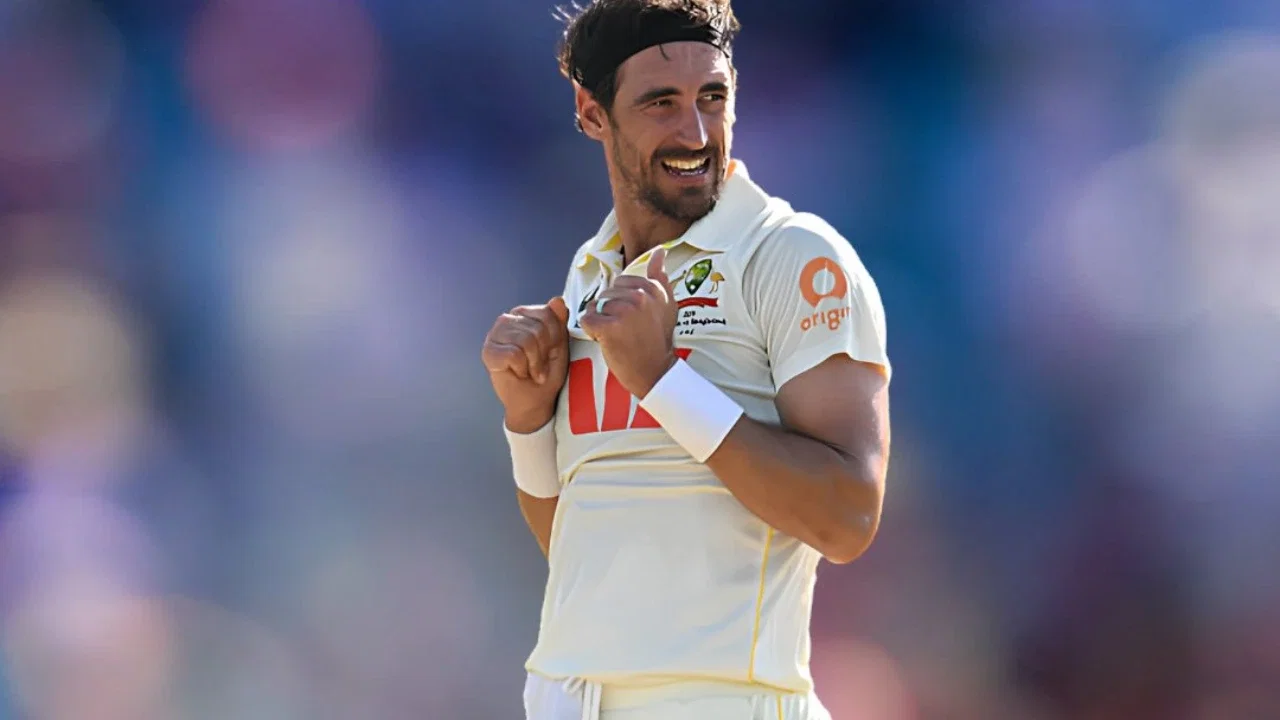
Watch: Harmanpreet Kaur breaks down in tears during interview after quitting India captaincy
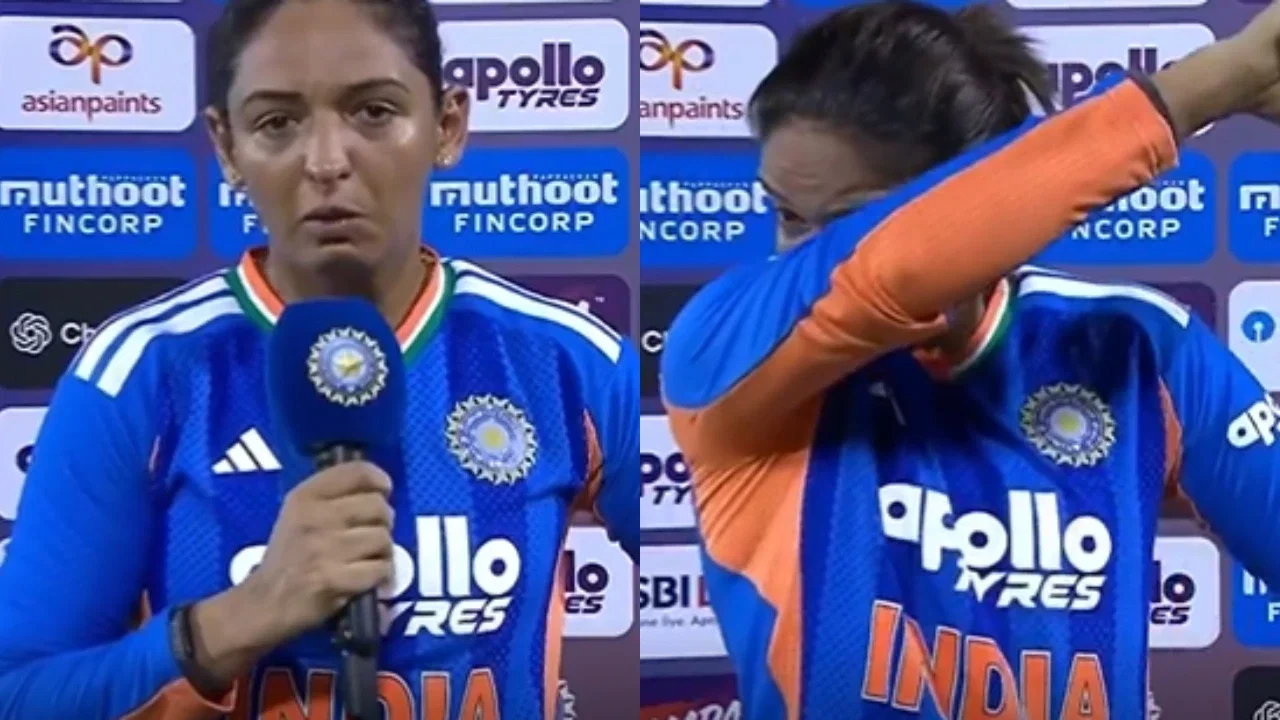
Harmanpreet Kaur’s Unbeaten 91 Sparks India’s 3-0 T20I Sweep
Former India captain Harmanpreet Kaur produced a commanding return to form, blasting an unbeaten 91 from just 41 deliveries as India defeated Zimbabwe by 92 runs in the third and final women’s T20I in Raipur on October 20. But after the innings, it was not only her explosive batting that caught attention: Harmanpreet became visibly emotional while discussing the performance with former India women’s head coach WV Raman.
The 37-year-old’s innings featured 10 fours and five sixes, giving India a powerful finish and helping secure a 3-0 series whitewash. For Harmanpreet, the knock was also a personal breakthrough after a challenging stretch with the bat. Her emotional interview offered a glimpse of the work, encouragement and pressure behind a performance that could prove important for her confidence going forward.
A Timely Return to Form
Harmanpreet entered the series seeking greater consistency. She had not registered a half-century in her previous 10 matches, a run that had placed extra focus on her batting as she adjusted to life after stepping down from India’s captaincy across all three formats ahead of the Zimbabwe series.
Her response in Raipur was emphatic. Rather than easing into the innings, Harmanpreet found her timing and attacked with purpose, striking boundaries around the ground and keeping the scoring rate high. The unbeaten 91 was her most significant innings in recent months and a reminder of the power and composure that have made her one of India’s most influential batters.
India’s broader results had remained strong despite her individual batting struggles. The team had won the Women’s T20 Asia Cup and claimed gold at the 2026 Asian Games in Japan. Harmanpreet’s latest performance adds another positive note to that run, while also strengthening the team’s batting options as it looks ahead to future international assignments.
Why the Interview Became Emotional
Speaking during the innings break, Harmanpreet told Raman that she had wanted to enjoy herself at the crease and spend as much time in the middle as possible. She said she was pleased to have the opportunity to play her natural game after a difficult period.
“It feels great. Just wanted to enjoy myself, and it was great that I got some time in the middle and really enjoyed myself on the field,” she said, according to ANI. “I just wanted to enjoy myself, just wanted to bat as long as possible, and I’m glad that I was able to do that.”
Harmanpreet then credited Raman for helping her approach the innings without placing additional pressure on herself. She recalled his message that she should play the way she wanted to, describing the advice as a reminder to trust her instincts and enjoy batting.
“I think I should give credit to you also. The moment we came, you stepped in, and you said, ‘Now you do what you want to do,’ and that’s what I want to do, and I really want to enjoy myself. Thanks for those words,” she told him.
As she continued speaking, Harmanpreet struggled to hold back tears. She attempted to finish the interview but became increasingly emotional while acknowledging the people who had supported her. The moment resonated with viewers because it showed the personal side of a high-profile athlete whose performances are often judged through statistics, results and leadership decisions.
Credit for the Work Behind the Innings
Harmanpreet also highlighted the extra practice she completed after the Asian Games and thanked her batting coach, Himanshu, for his work with her. She said the additional time in the nets had helped her prepare, and credited him for the quality of her batting in Raipur.
“After the Asian Games, I got some time in the nets. I really want to thank Himanshu Bhaiya, who’s been working really hard on me, and today’s batting was all him,” she said.
Her comments underline how a return to form is rarely the result of one innings alone. Practice, technical adjustments and the confidence to commit to a shot can all contribute. In Harmanpreet’s case, the knock suggested that the time spent working on her game had begun to translate into runs under match conditions.
A Big Finish in a One-Sided Decider
India’s 92-run victory completed a clean sweep of the three-match series. Harmanpreet’s unbeaten innings gave the hosts a formidable total and left Zimbabwe with a demanding chase. The result capped a dominant home campaign and gave India another opportunity to assess combinations and build momentum.
For the former captain, however, the most valuable outcome may have been the return of fluency at the crease. Her performance offers a positive prediction for what she could contribute in upcoming matches if she can carry the same freedom and rhythm into future innings. It also provides a timely reminder that experienced players can respond strongly after a lean patch.
What Harmanpreet’s Knock Could Mean Next
Stepping down from captaincy can bring a change in responsibilities, but it does not diminish a player’s role in the team. Harmanpreet remains a major presence in India’s batting line-up, and a confident innings of this scale could help her focus more fully on her own game. The challenge now will be to build on the Raipur performance and turn a breakthrough into sustained consistency.
The emotional interview added context to the scorecard. Harmanpreet’s tears reflected gratitude for the support she had received and the significance of rediscovering her touch after a difficult run. With India completing a 3-0 sweep and their former skipper delivering a match-defining knock, the series finale offered both a team victory and a personal milestone.
Latest News
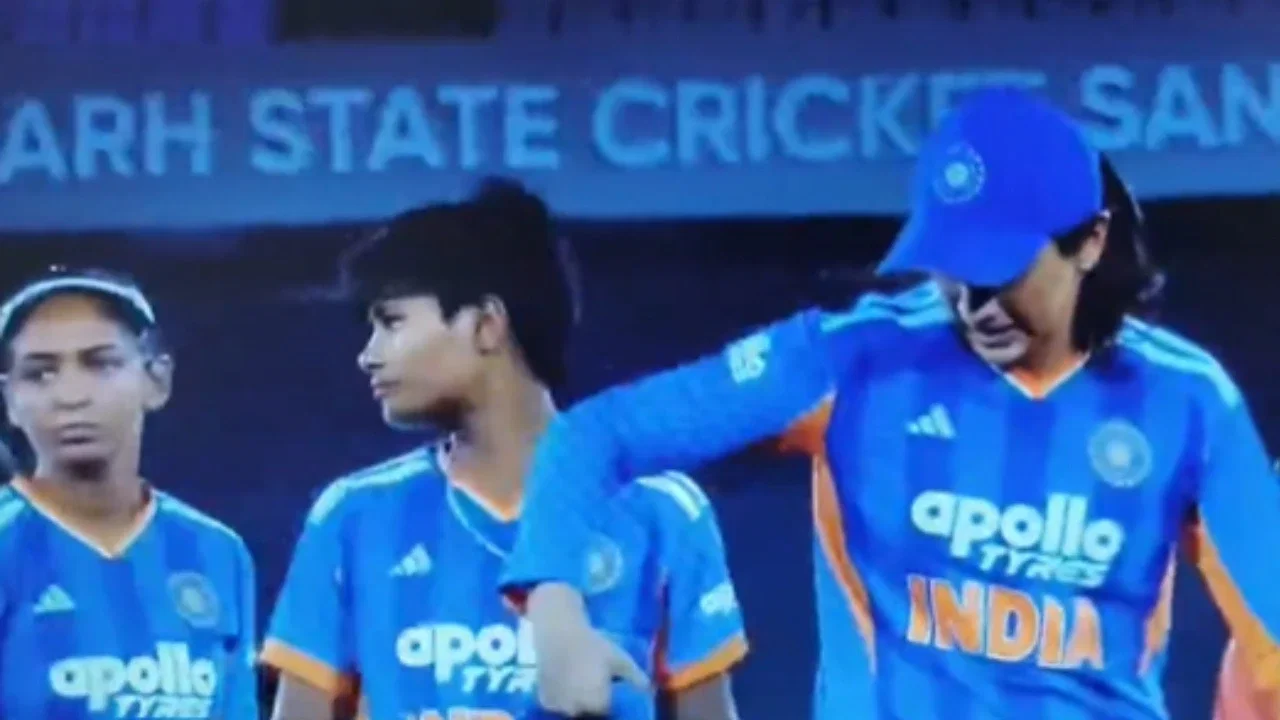
Watch: Smriti Mandhana snubs handshake with Harmanpreet Kaur, rift rumours resurface
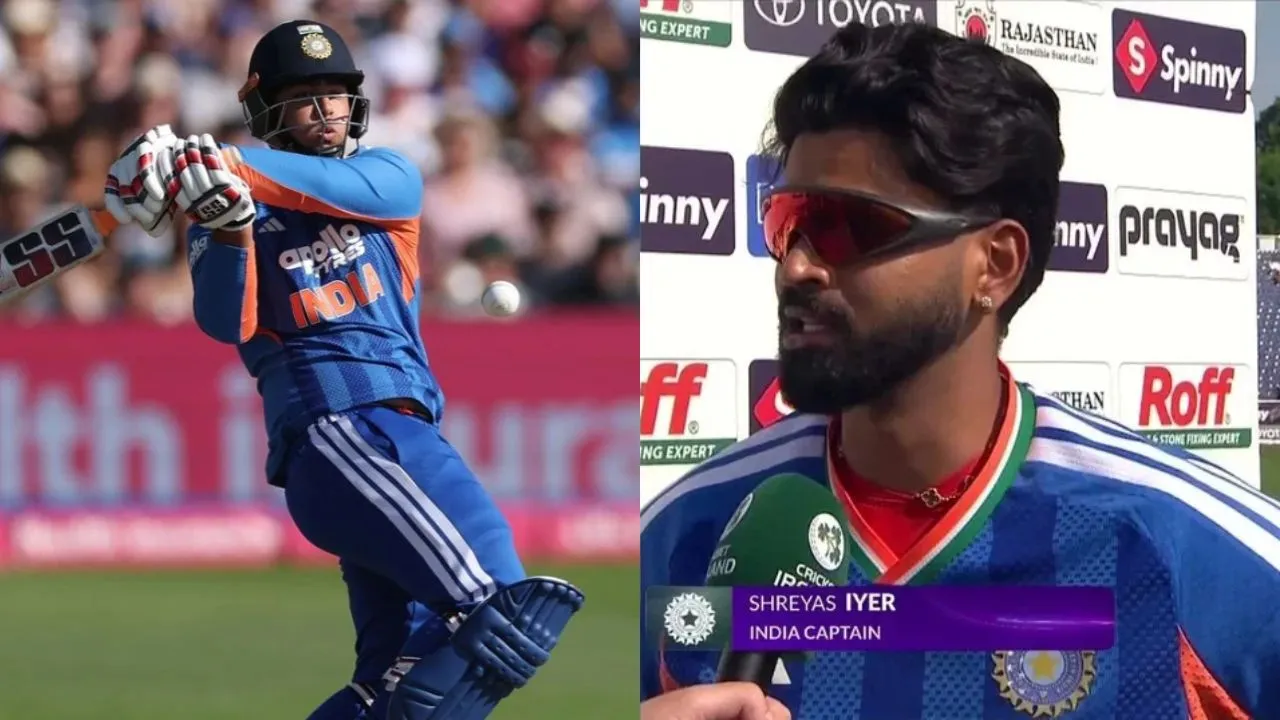
Vaibhav Sooryavanshi can’t walk straight into India team, says Shreyas Iyer
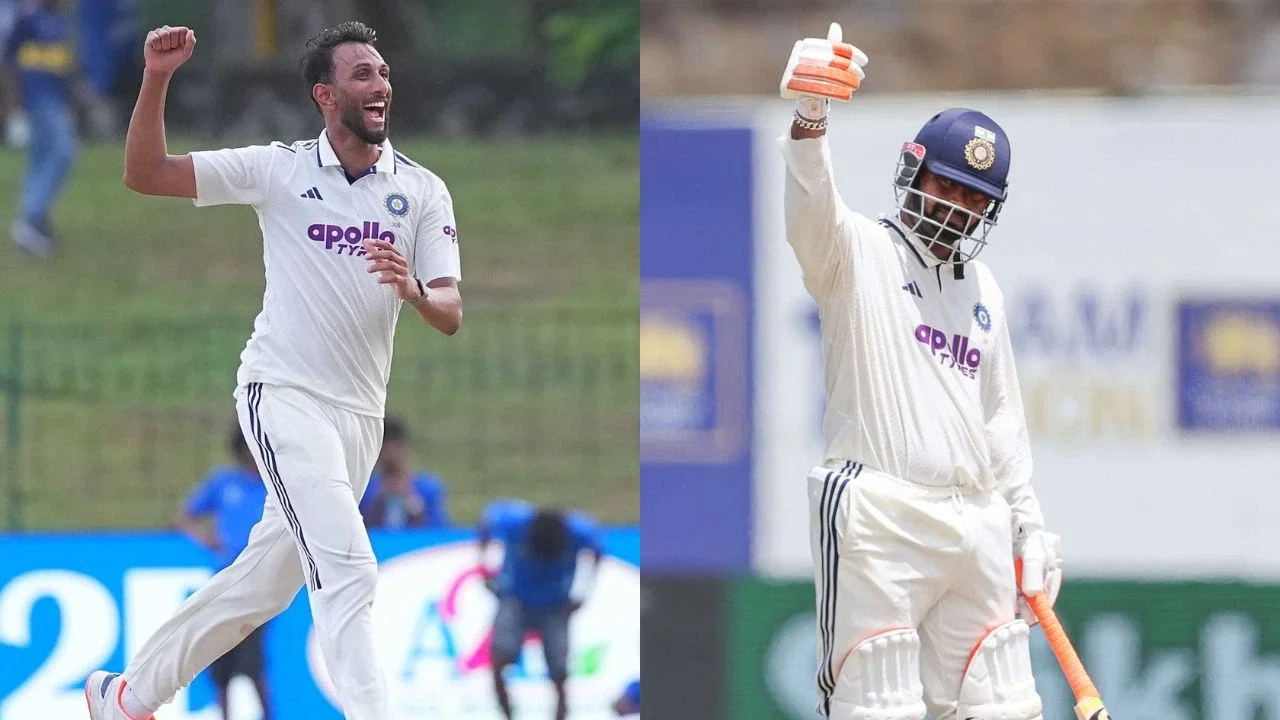
Rishabh Pant injury update arrives before NZ Tests, Prasidh Krishna’s medical bulletin issued
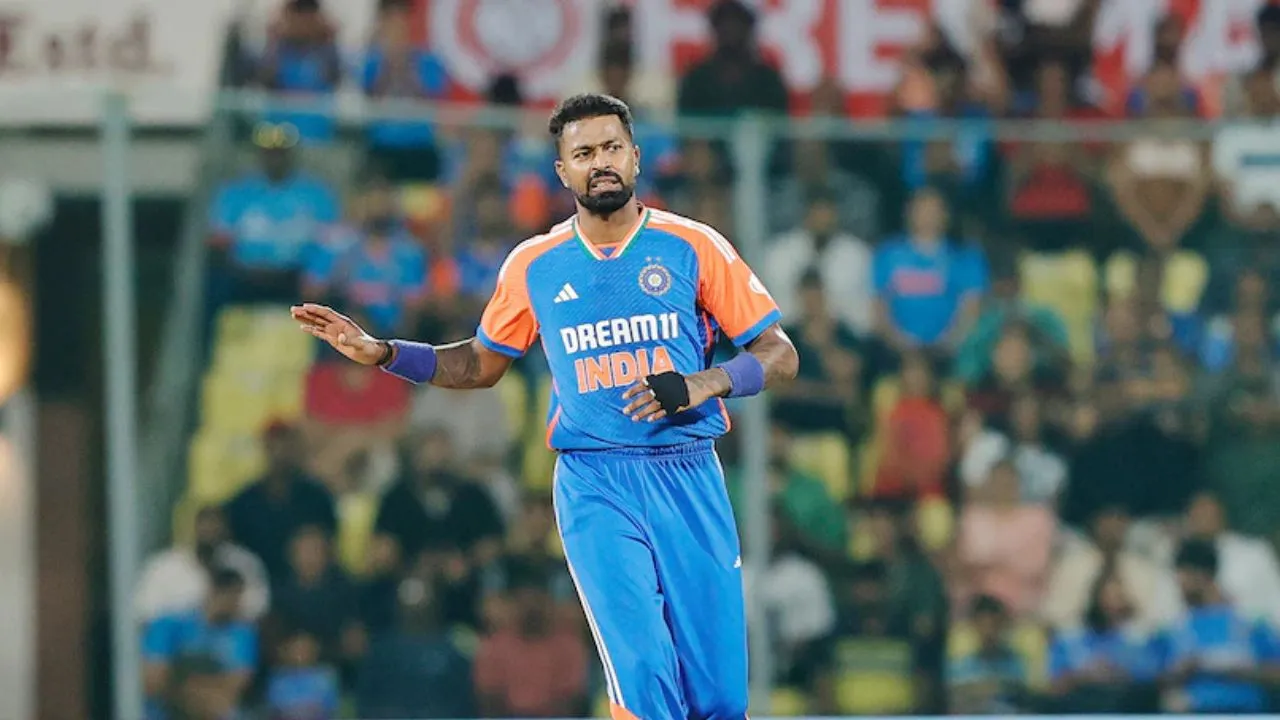
Hardik Pandya comeback date: All-rounder to return directly for IPL 2027
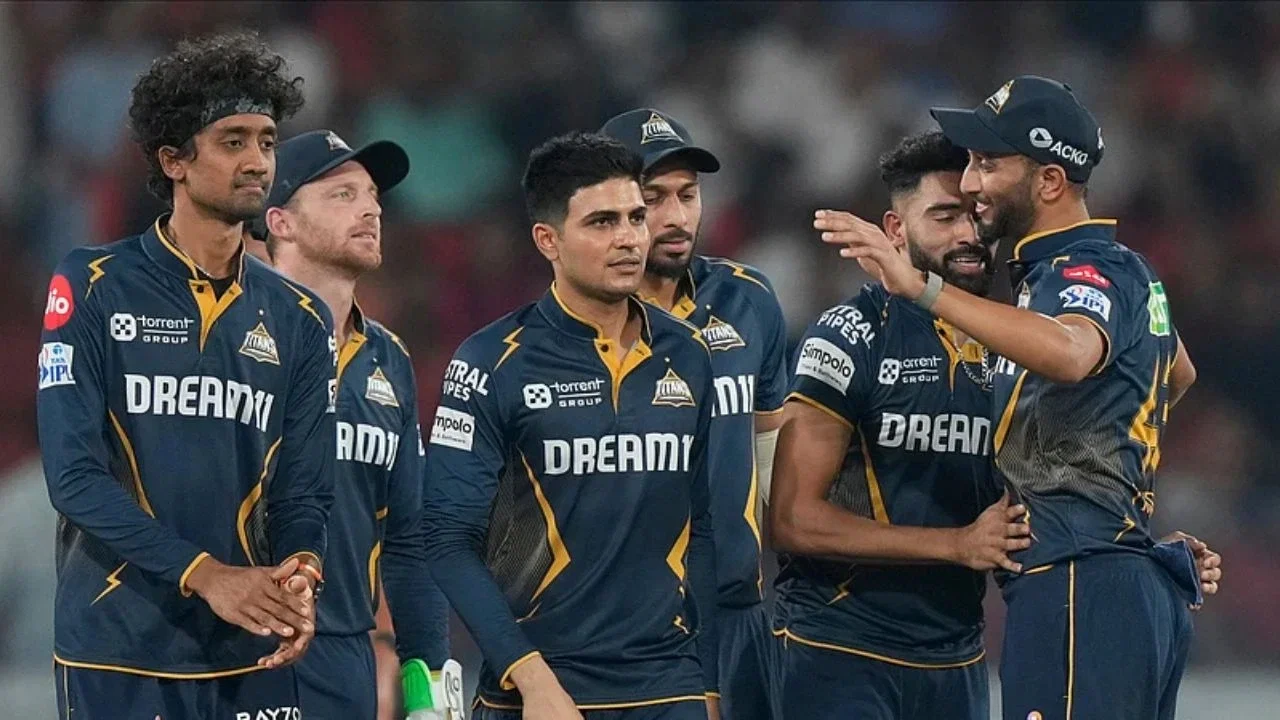
Gujarat Titans set to release Shahrukh Khan, Glenn Phillips before IPL 2027 auction
Watch: Harmanpreet Kaur breaks down in tears during interview after quitting India captaincy
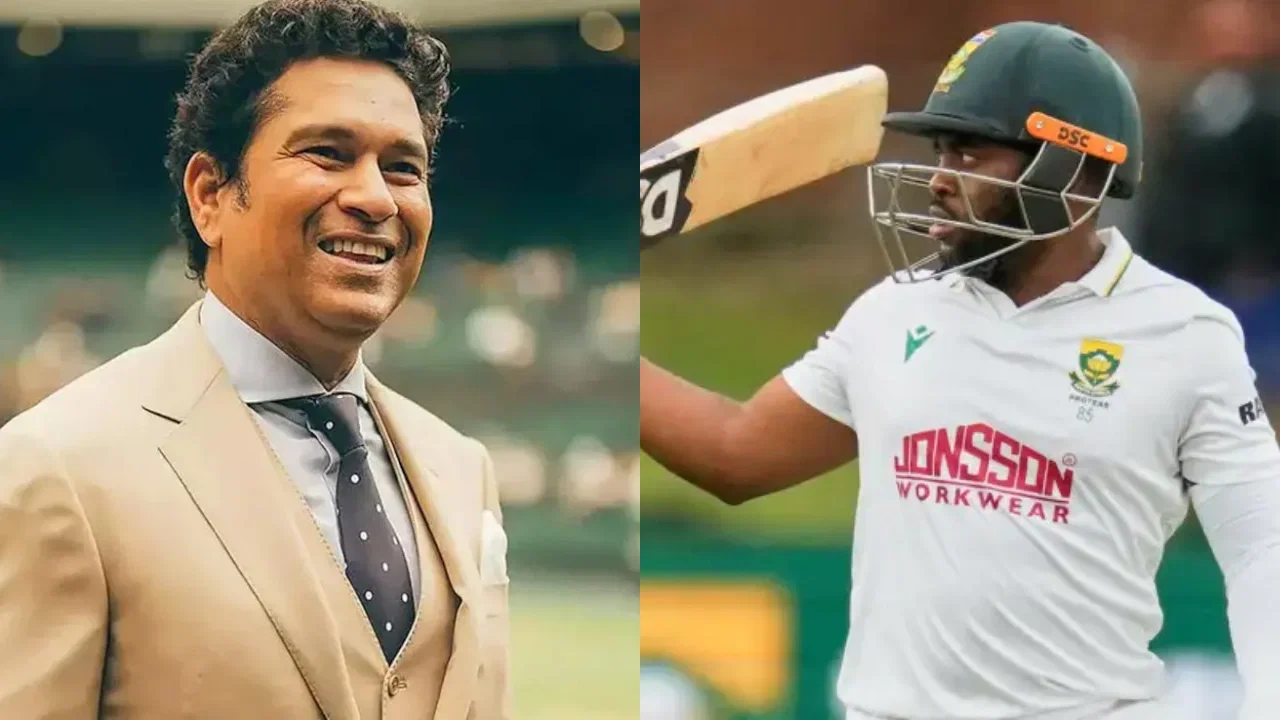
Temba Bavuma sees Sachin Tendulkar in himself after career-best 179
Mohammed Shami retirement: India pacer reveals when he will quit cricket
ICC Women’s U19 T20 World Cup 2027: Full schedule, fixtures, groups and dates
No contact from selectors, but India comeback hopes alive: Mohammed Shami sends message to BCCI
Vaibhav Sooryavanshi in trouble as New Zealand prepare plans to counter him
Cheteshwar Pujara snubs himself as he names top 5 No. 3 batters in Test cricket
Sai Kishore takes 10 wickets, including hat-trick, as Tamil Nadu thrash Uttarakhand
Harbhajan Singh opens up on speculated rift with MS Dhoni