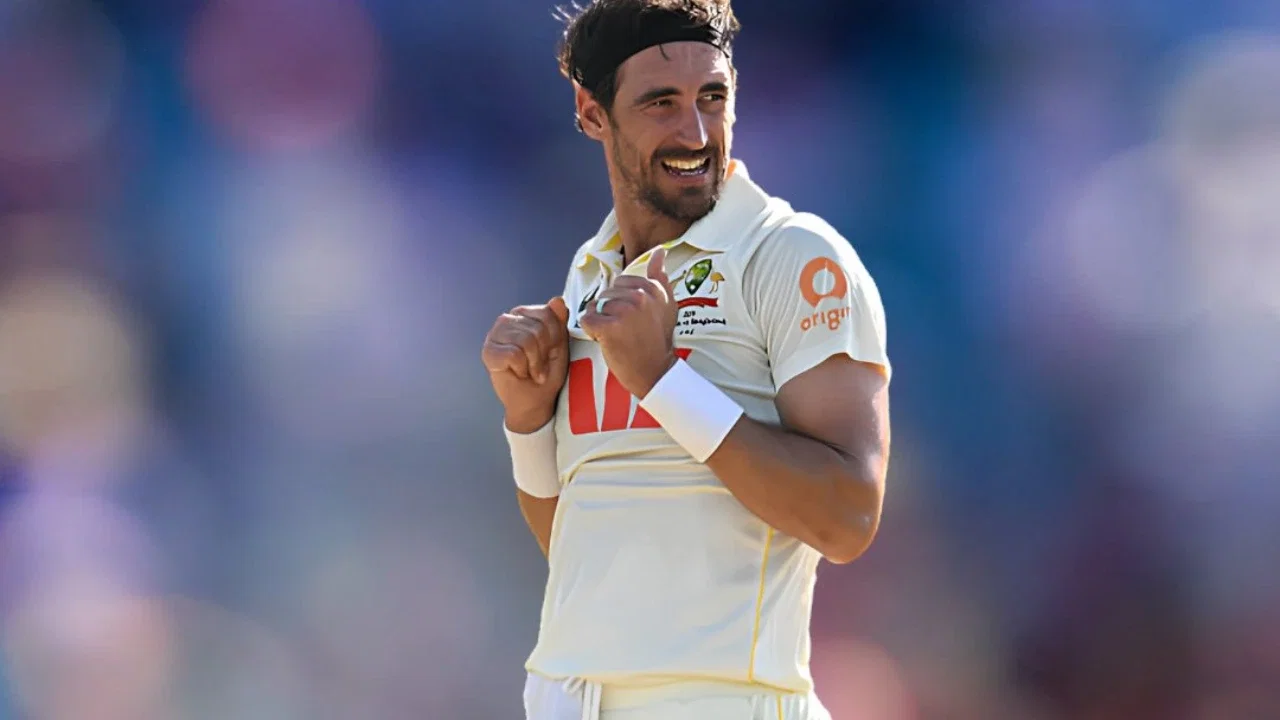
Watch: Smriti Mandhana snubs handshake with Harmanpreet Kaur, rift rumours resurface
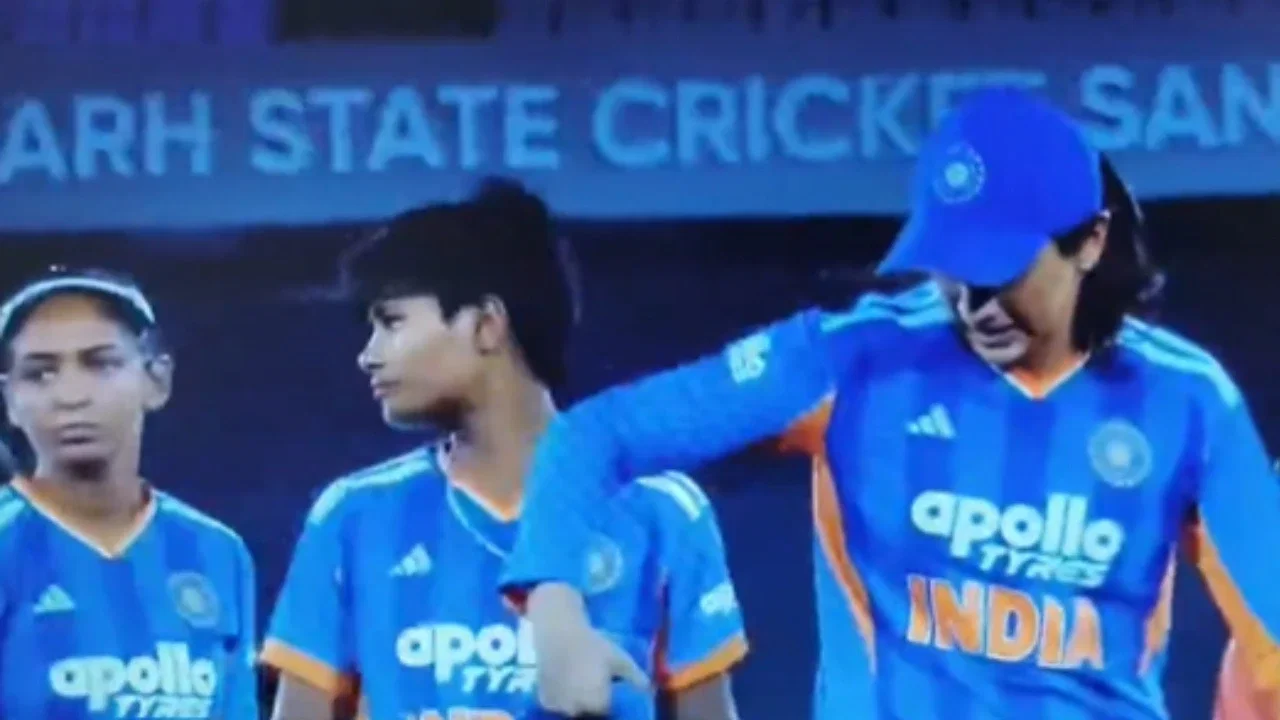
Smriti Mandhana and Harmanpreet Kaur Rift Rumours Resurface After India’s T20I Win
A brief moment during India’s post-match celebrations has reignited speculation about the relationship between Smriti Mandhana and Harmanpreet Kaur. A video from the third T20I against Zimbabwe, played in Raipur, prompted social media users to question whether the two senior players had acknowledged one another after India’s emphatic victory.
The clip, recorded at Shaheed Veer Narayan Singh International Cricket Stadium, appears to show players greeting teammates as they celebrated the result. Some viewers noticed that Mandhana and Kaur were not clearly seen shaking hands, while others interpreted their movements as a sign of distance. The footage has since circulated widely, adding fresh fuel to rumours that the pair may not be on the best of terms.
However, a short video does not establish what happened away from the camera or explain either player’s intentions. No public statement from Mandhana or Kaur has confirmed a disagreement. For now, the online debate remains speculation rather than evidence of a rift.
Why the captaincy change has drawn attention
Interest in the pair’s relationship has grown following a reported change in India’s leadership. Earlier this month, Kaur stepped down from the captaincy across formats, with the Board of Control for Cricket in India naming Mandhana as her successor. The transition placed two of the country’s most prominent players at the centre of discussion about the team’s future.
Leadership changes naturally attract scrutiny, particularly when a former captain remains an important member of the side. But a change in role does not, by itself, indicate tension. Kaur’s experience and Mandhana’s new responsibilities could both prove valuable as India develops its plans across formats.
That context helps explain why a seemingly ordinary post-match interaction became a talking point. Fans often look for clues about team dynamics in celebrations, body language and on-field decisions. Yet those moments can be easy to misread, especially when viewed through a short, edited clip.
Kaur’s unbeaten 91 powers India to a 3-0 series sweep
The strongest story from the match was Kaur’s performance with the bat. She struck an unbeaten 91 from just 41 deliveries, helping India complete a 3-0 T20I series sweep over Zimbabwe. Her innings combined patience at the start with a powerful late surge, demonstrating the range that has made her one of India’s most dangerous batters in the shortest format.
Kaur came to the crease during the eighth over and took time to settle before accelerating. A decisive burst against Kudzai Chigora included two boundaries and two sixes, as she collected 20 runs from the over. The innings gave India a major boost and helped turn the final match into a commanding win, reported as a 92-run victory.
After the match, Kaur spoke about approaching batting with greater enjoyment and less pressure. She said her focus was on making the most of her time in the middle and playing freely. Her comments offered a glimpse of how she is adjusting to life outside the captaincy role: with more room to concentrate on her own game while continuing to contribute to the team.
For India, Kaur’s knock was also a timely reminder that leadership changes do not diminish a player’s influence. Her experience, power and ability to change the course of an innings remain significant assets as the team builds towards future competitions.
Why Mandhana did not bat in the third T20I
Mandhana, meanwhile, did not bat in the final match after India opted to give other players more time at the crease. Anushka Sharma opened alongside Shafali Verma, while the captain’s absence from the batting order became another subject of discussion among viewers.
Mandhana explained that India had used the series to create opportunities across the lineup. In the opening match, the top order had not found its rhythm, while the middle order had limited chances to bat in the second game. Rotating positions in the final T20I allowed more players to gain match experience and build confidence.
That reasoning reflects a common challenge in a series against a less experienced opponent: balancing the desire to win with the need to test combinations. Giving players time in the middle can help a team identify reliable options before facing stronger opposition. It can also prepare batters for situations they may encounter later in a tournament.
What the viral video can—and cannot—tell fans
The video has generated plenty of conversation, but it offers little certainty about the players’ relationship. A handshake may not be visible because of camera angles, timing or movement in a crowded celebration. Likewise, a player’s expression or direction of travel can be interpreted in different ways when separated from the wider context.
Until either player addresses the rumours, the most reliable assessment is to separate confirmed events from online prediction. The confirmed facts are that India won the series, Kaur delivered a standout innings, and Mandhana used the final match to give other batters an opportunity. Claims of a personal dispute remain unverified.
As India moves forward under Mandhana’s leadership, attention will likely remain on how the team balances fresh responsibilities with the experience of established players such as Kaur. Their performances on the field—and any direct comments they choose to make—will offer a clearer picture than a few seconds of viral footage.
For now, the Raipur match is best remembered for India’s clean sweep and Kaur’s explosive 91. The social media debate may continue, but the available evidence does not confirm a rift between the two stars.
Latest News
Watch: Smriti Mandhana snubs handshake with Harmanpreet Kaur, rift rumours resurface
Vaibhav Sooryavanshi can’t walk straight into India team, says Shreyas Iyer
Rishabh Pant injury update arrives before NZ Tests, Prasidh Krishna’s medical bulletin issued
Hardik Pandya comeback date: All-rounder to return directly for IPL 2027
Gujarat Titans set to release Shahrukh Khan, Glenn Phillips before IPL 2027 auction
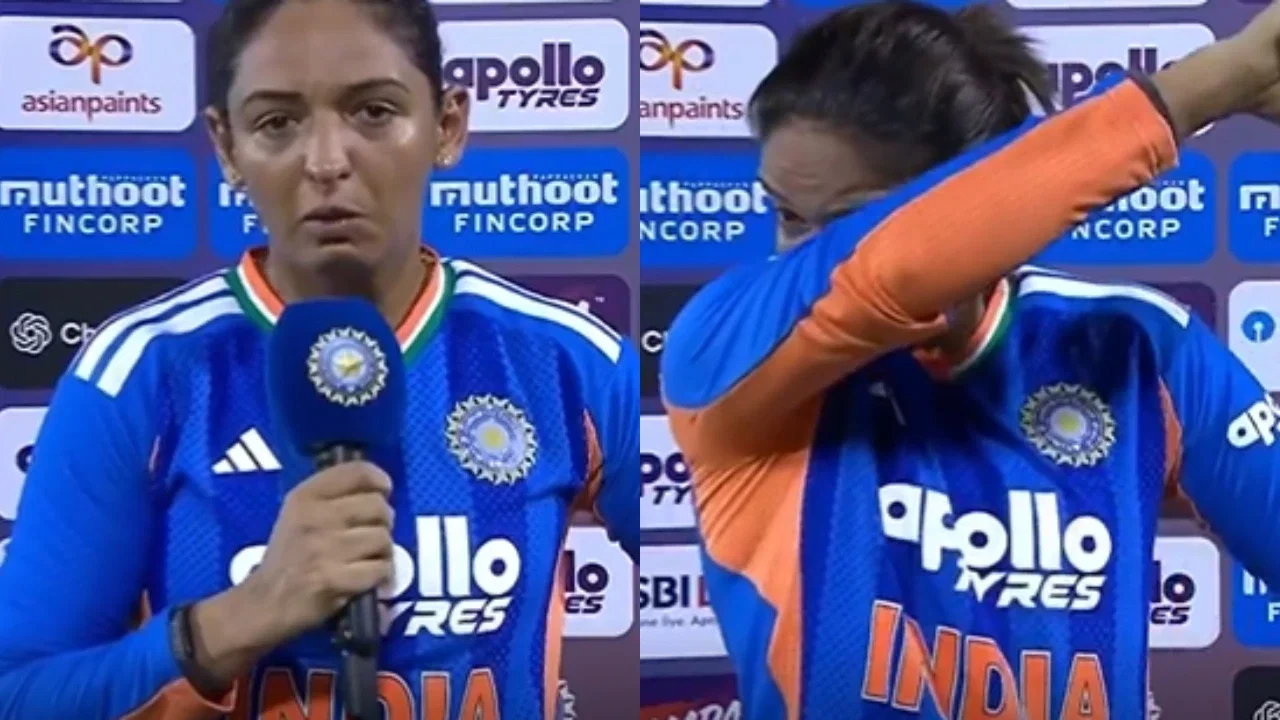
Watch: Harmanpreet Kaur breaks down in tears during interview after quitting India captaincy
Temba Bavuma sees Sachin Tendulkar in himself after career-best 179
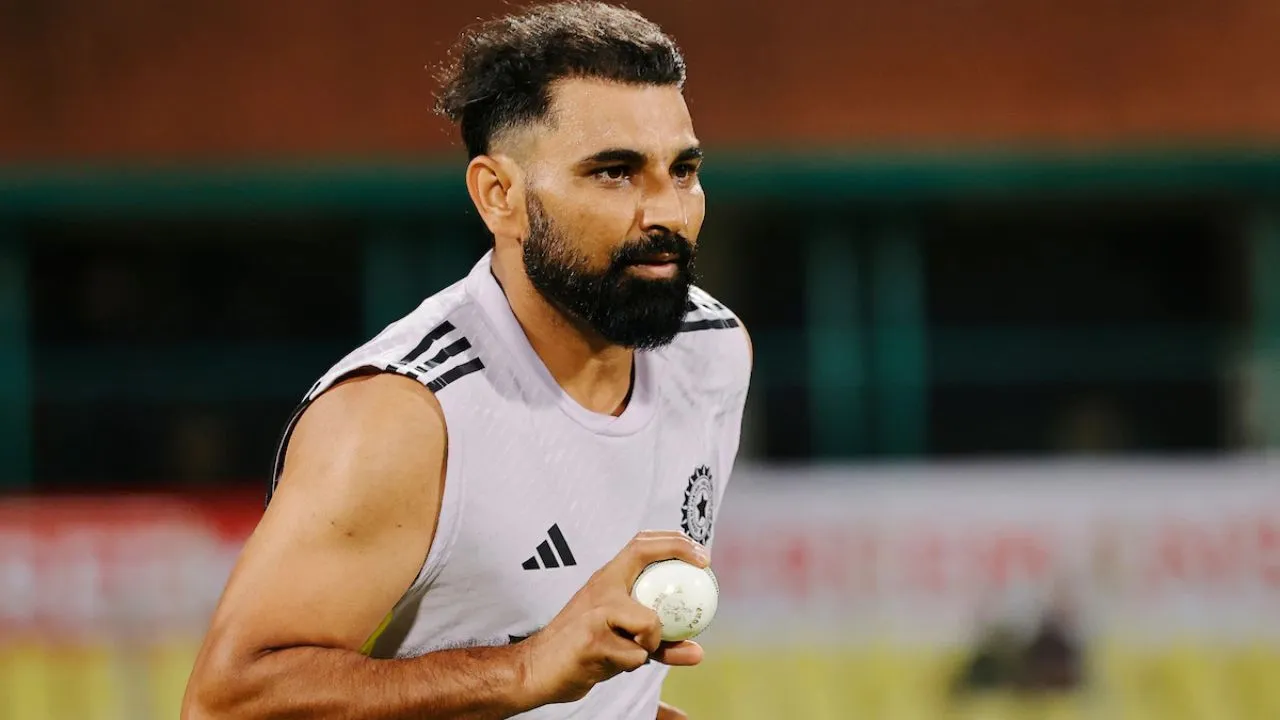
Mohammed Shami retirement: India pacer reveals when he will quit cricket
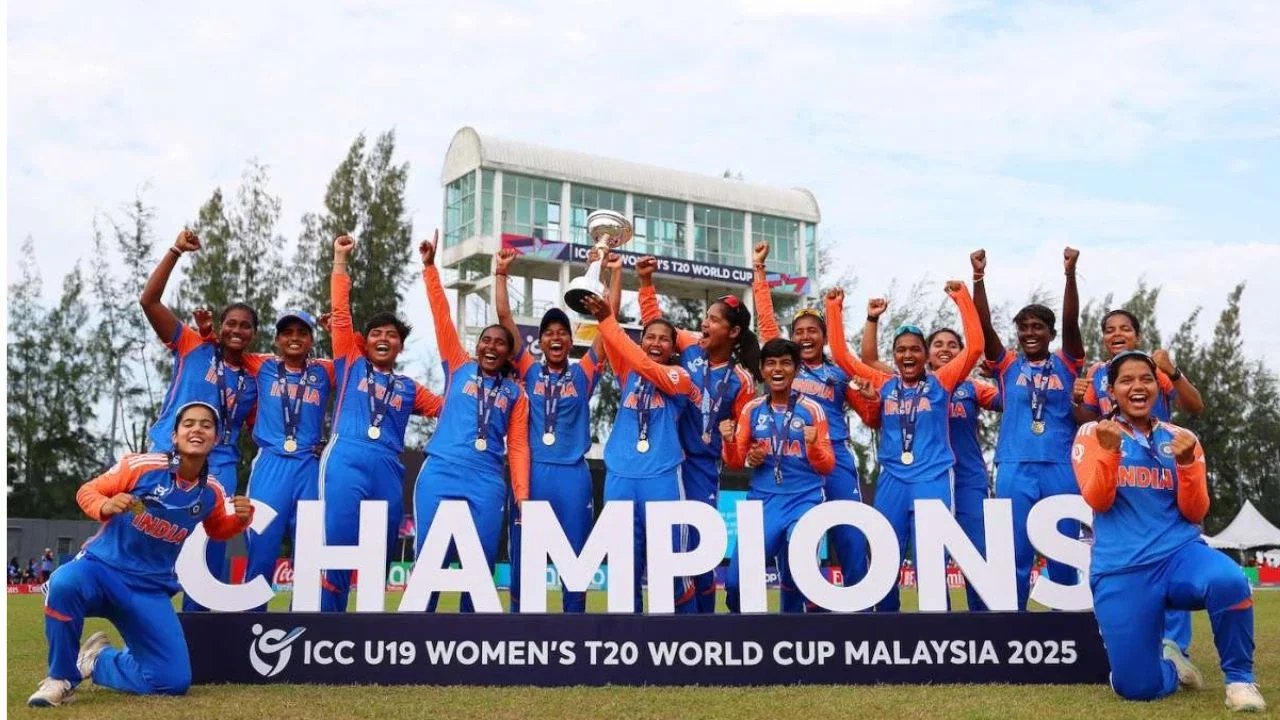
ICC Women’s U19 T20 World Cup 2027: Full schedule, fixtures, groups and dates
No contact from selectors, but India comeback hopes alive: Mohammed Shami sends message to BCCI
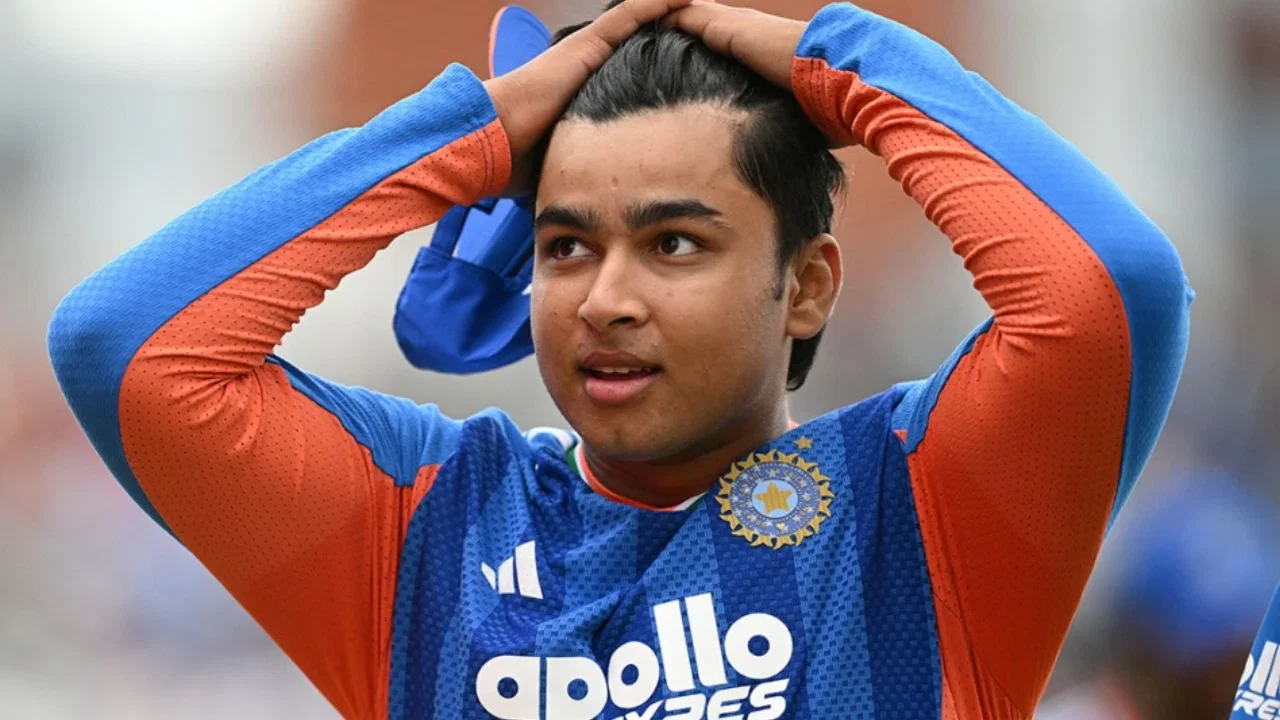
Vaibhav Sooryavanshi in trouble as New Zealand prepare plans to counter him
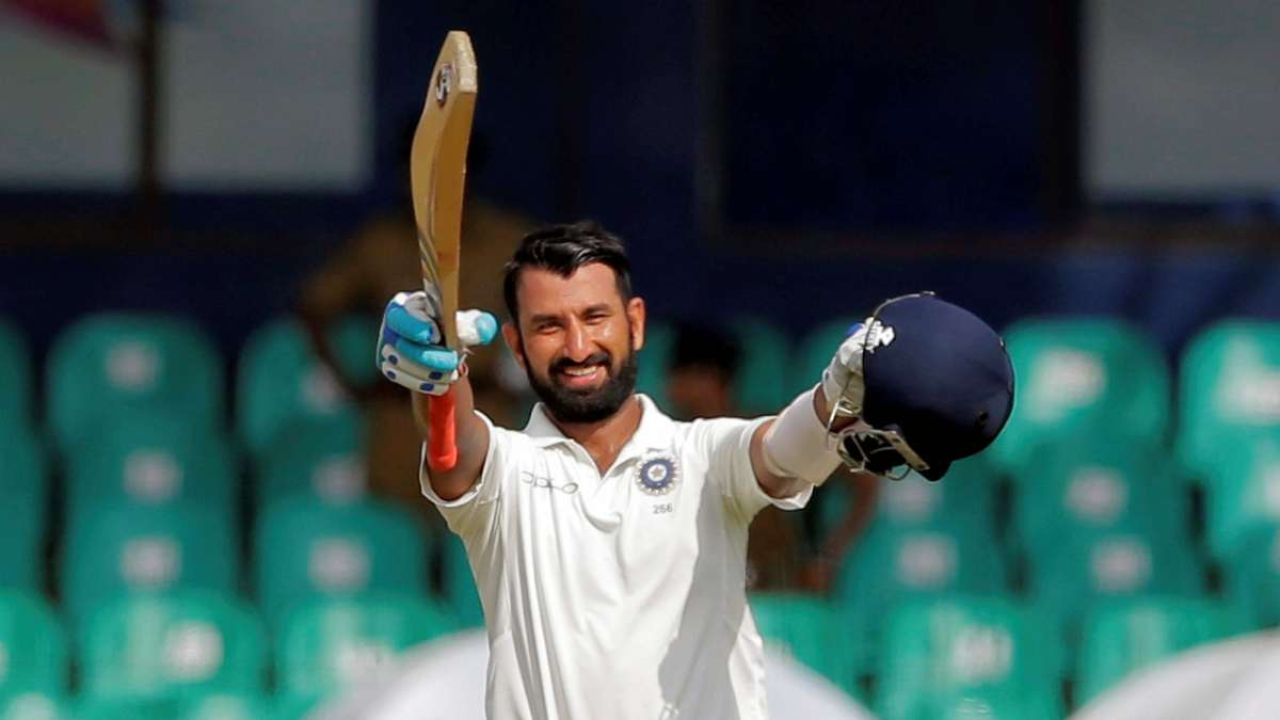
Cheteshwar Pujara snubs himself as he names top 5 No. 3 batters in Test cricket
Sai Kishore takes 10 wickets, including hat-trick, as Tamil Nadu thrash Uttarakhand
Harbhajan Singh opens up on speculated rift with MS Dhoni