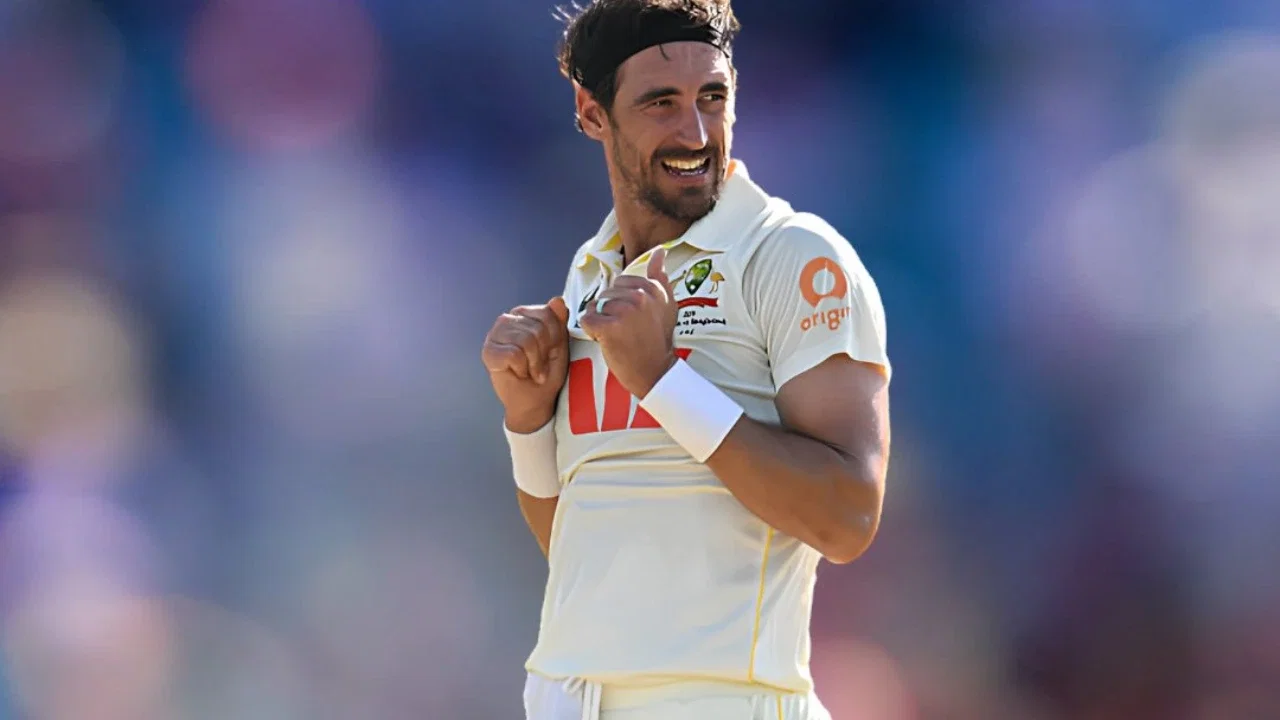
Temba Bavuma sees Sachin Tendulkar in himself after career-best 179

Temba Bavuma’s career-best 179 puts South Africa in control against Australia
South Africa captain Temba Bavuma produced a career-best Test innings of 179 to steady his side against Australia, then revealed that Indian batting great Sachin Tendulkar has influenced the way he approaches the crease. Bavuma’s patient effort came in difficult, overcast conditions at St George’s Oval in Gqeberha, where Australia’s fast bowlers repeatedly troubled the home team.
With wickets falling around him, the Proteas skipper combined restraint with precise shot selection to turn a precarious position into a strong first-innings total. His performance has become a major talking point in the match, while also adding fresh interest to the prediction of how the contest could unfold from here.
Bavuma builds a match-changing innings
South Africa appeared to be in serious trouble at 110 for six. Australia had made effective use of the conditions, with Mitchell Starc and Scott Boland leading a disciplined pace attack supported by Pat Cummins, Josh Hazlewood and Beau Webster. The movement and bounce made scoring difficult, and the Proteas’ top and middle order struggled to establish partnerships.
Bavuma, however, stayed at the crease for 334 deliveries and scored 179 runs. Rather than forcing the pace, he focused on leaving deliveries outside his preferred scoring areas, defending carefully and taking advantage of opportunities when Australia’s bowlers strayed in line or length. His innings gave South Africa the stability it badly needed.
Crucially, Bavuma was not left to do the work alone. Marco Jansen and Simon Harmer joined him in valuable lower-order partnerships, showing composure after the top order had collapsed. Jansen struck 85 from 100 balls, while Harmer contributed 82 from 157 deliveries. Their attacking intent helped transform South Africa’s position and put pressure back on Australia.
South Africa eventually declared at 425 for nine. From 110 for six, the recovery was substantial: the final three wickets added a significant share of the innings total, turning what could have been a below-par score into a competitive platform.
Why Bavuma looks to Sachin Tendulkar
After his innings, Bavuma explained that he has tried to model aspects of his batting technique on Tendulkar, one of the most celebrated batters in cricket history. The South African captain said his physical build has shaped the way he moves at the crease, encouraging him to prioritise efficiency rather than rely on long strides.
“I try to emulate my technique to Sachin Tendulkar. I’m obviously not a big guy; I’m not really going to get any big strides in. I try to be efficient in terms of my movement,” Bavuma said after the innings.
The comparison is not simply about copying a famous player’s style. Tendulkar was renowned for balance, compact footwork and the ability to adapt his technique to different conditions. Those qualities are especially useful on a surface offering assistance to fast bowlers. Bavuma’s approach in Gqeberha reflected a similar emphasis on staying balanced, reading the ball early and limiting unnecessary movement.
For a batter facing a high-quality pace attack under cloudy skies, small technical decisions can make a major difference. A compact movement pattern can help a player remain in position against late swing, while disciplined shot selection reduces the risk of chasing deliveries away from the body. Bavuma’s long stay at the crease demonstrated how patience and sound fundamentals can blunt even an aggressive attack.
Captaincy has coincided with stronger Test returns
Bavuma’s performance also adds to a notable statistical trend in his Test career. Before becoming South Africa’s regular captain, he scored 2,797 runs in 54 matches at an average of 34.53, with a highest score of 102 not out. As captain, he has made 1,196 runs in 14 matches at an average of 54.36. His 179 against Australia is now his highest Test score.
Those figures suggest that Bavuma has been particularly productive in the leadership role, although statistics alone cannot explain the reasons. Greater responsibility may have brought a clearer sense of purpose, while regular time in the middle has allowed him to build confidence and consistency. His innings against Australia was a practical example of leadership through performance: he absorbed pressure, stayed focused and gave the lower order a chance to contribute.
For South Africa, that contribution carries importance beyond the individual record. A captain who can score heavily in challenging conditions gives the rest of the batting line-up a model to follow and gives the bowling attack a more substantial total to defend.
South Africa seize the initiative, but Australia still have time
Australia’s reply began with an early setback when opener Nic Maddinson was dismissed for a duck. At the close of play, the visitors had reached only three runs after four overs, with Travis Head at the crease and Boland serving as nightwatchman. Boland’s promotion was intended to protect a specialist batter from facing the final overs of the day.
South Africa will take confidence from their position, but the match is far from settled. Australia have a formidable batting line-up, and the outcome will depend on how effectively the Proteas’ bowlers exploit the conditions and whether the visitors can build partnerships. An early breakthrough could place South Africa firmly in control; a steady Australian response would quickly change the match’s momentum.
What Bavuma’s innings means for the match
Bavuma’s 179 has already shaped the contest by rescuing South Africa from a difficult position and putting a demanding total on the board. His innings also offers a reminder that Test cricket rewards more than aggressive scoring: concentration, judgement and the ability to adapt can be just as decisive.
The next phase will determine whether South Africa can convert their first-innings advantage into a match-winning position. For now, Bavuma’s career-best effort has given the hosts a strong foundation and made the prediction of a closely fought finish more compelling. Australia must respond with the bat, while South Africa will look to turn their hard-earned advantage into sustained pressure.
Latest News

Watch: Smriti Mandhana snubs handshake with Harmanpreet Kaur, rift rumours resurface

Vaibhav Sooryavanshi can’t walk straight into India team, says Shreyas Iyer

Rishabh Pant injury update arrives before NZ Tests, Prasidh Krishna’s medical bulletin issued
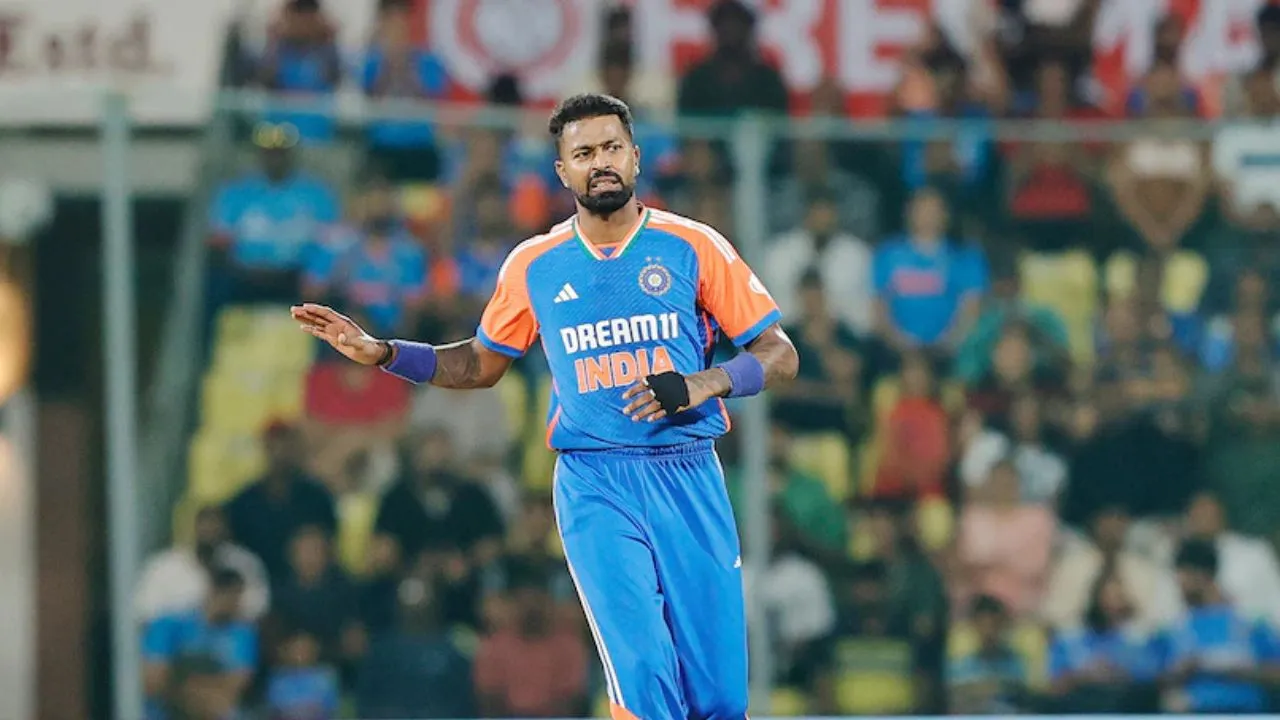
Hardik Pandya comeback date: All-rounder to return directly for IPL 2027

Gujarat Titans set to release Shahrukh Khan, Glenn Phillips before IPL 2027 auction
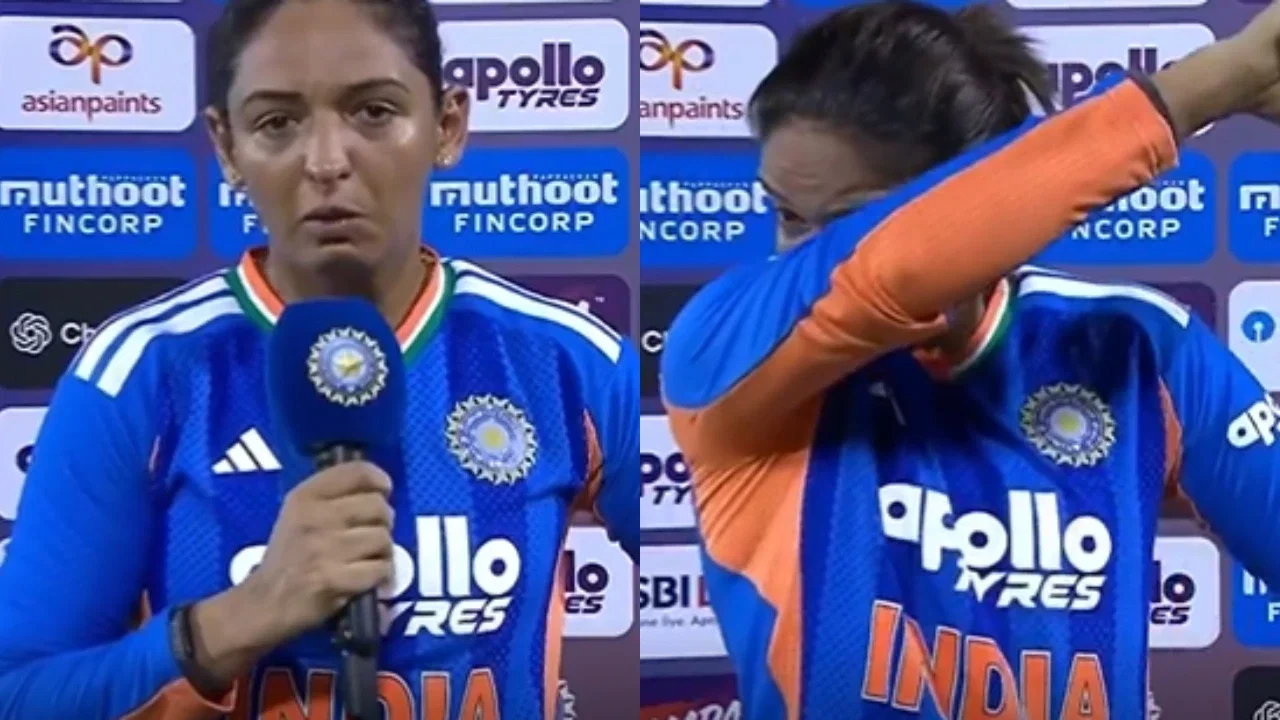
Watch: Harmanpreet Kaur breaks down in tears during interview after quitting India captaincy
Temba Bavuma sees Sachin Tendulkar in himself after career-best 179

Mohammed Shami retirement: India pacer reveals when he will quit cricket

ICC Women’s U19 T20 World Cup 2027: Full schedule, fixtures, groups and dates
No contact from selectors, but India comeback hopes alive: Mohammed Shami sends message to BCCI
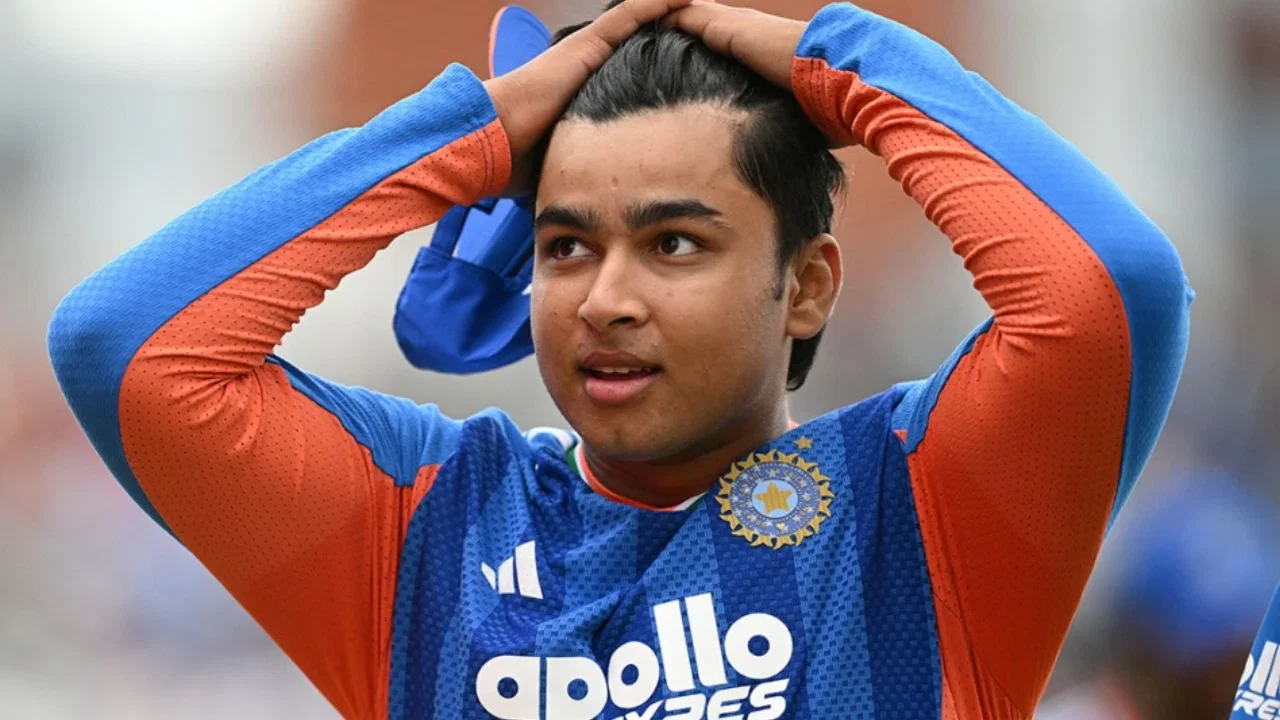
Vaibhav Sooryavanshi in trouble as New Zealand prepare plans to counter him
Cheteshwar Pujara snubs himself as he names top 5 No. 3 batters in Test cricket
Sai Kishore takes 10 wickets, including hat-trick, as Tamil Nadu thrash Uttarakhand
Harbhajan Singh opens up on speculated rift with MS Dhoni