Arunachal Pradesh cricket team to miss Vinoo Mankad trophy amid legal dispute
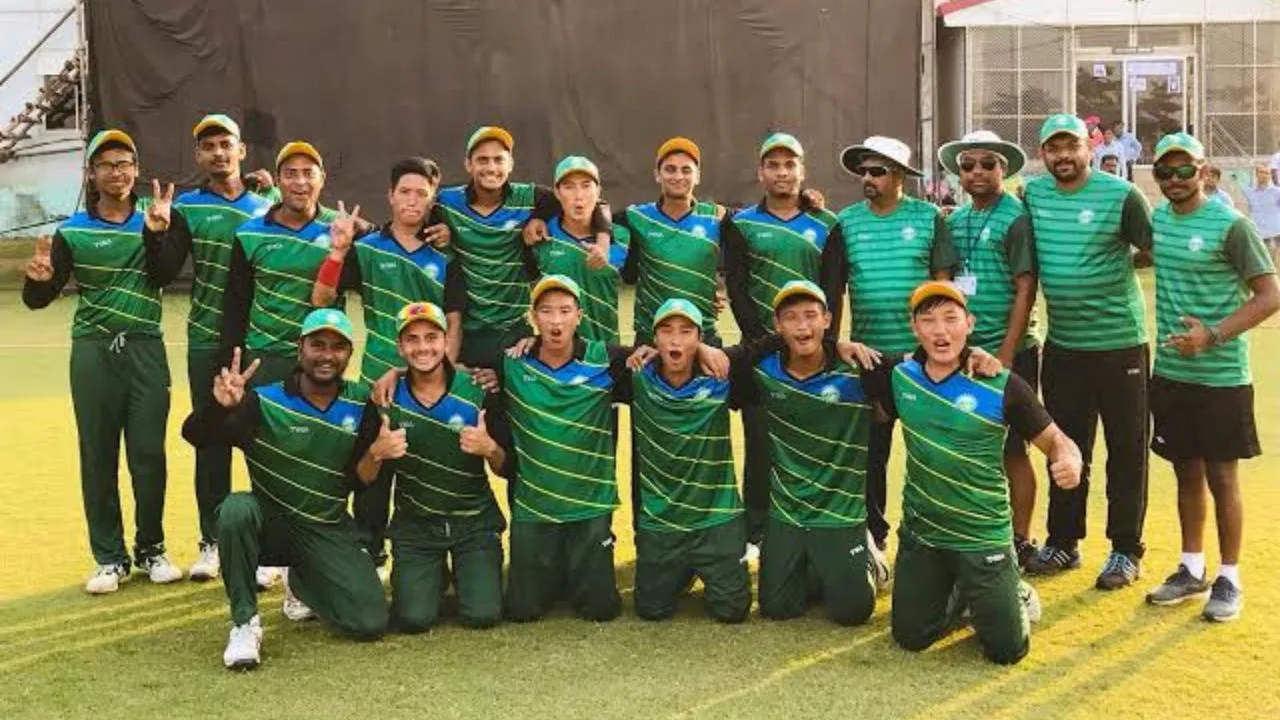
Legal Dispute Leaves Arunachal Pradesh Out of 2026-27 Vinoo Mankad Trophy: Prediction and Implications for Future Cricketing Endeavors
The cricketing landscape in Arunachal Pradesh faces significant upheaval as the state will not participate in the upcoming 2026-27 Vinoo Mankad Trophy, a prominent age-group tournament in India. This unexpected development stems from an ongoing legal dispute involving the Arunachal Cricket Association (ACA) that has effectively incapacitated the state’s ability to select teams and prepare for the tournament. As a result, the tournament’s organizers and stakeholders are now grappling with the prediction of how this situation might influence Arunachal Pradesh’s future in domestic cricket and what it signals about governance issues within the sport in northeastern India.
Background of the Dispute and Its Impact on Team Selection
The controversy began when six district associations within Arunachal Pradesh—namely Lower Siang, Upper Subansiri, Kamle, Tawang, West Siang, and Papum Pare—challenged the legitimacy of the Arunachal Cricket Association’s recent executive elections. They alleged violations of established rules and procedures, specifically contesting the election of ACA President Nabam Vivek and other office-bearers. The dispute escalated to the Gauhati High Court-Itanagar Bench, which, in September, issued an interim stay on the functioning of the ACA. This court order effectively froze the association’s ability to conduct team selection, handle administrative duties, or make preparations for upcoming tournaments.
As a consequence, the Arunachal Pradesh team was scheduled to face Sikkim in the Plate Group at the KIIT Cricket Stadium in Bhubaneswar. However, due to the legal restrictions, the team could not be assembled or trained, leading to the unfortunate decision that Arunachal Pradesh will not be fielding a team in this edition of the Vinoo Mankad Trophy.
The Role of BCCI and the Rules Governing Match Forfeits
The Board of Control for Cricket in India (BCCI), which oversees domestic cricket competitions, has clear rules regarding team participation. According to Section 16.2.1.2 of the BCCI regulations, if a team refuses or fails to appear for a scheduled match, the referee has the authority to award the match to the opposition. Consequently, Sikkim, Arunachal Pradesh’s scheduled opponent, will be awarded the points for their upcoming fixture under these rules.
Initially slated to begin their campaign on October 8 against Sikkim, followed by a match against Nagaland on October 10, Arunachal Pradesh’s withdrawal means the points will automatically be allocated to their opponents. This situation not only affects the current tournament standings but also raises questions regarding the future participation of Arunachal Pradesh in domestic cricket tournaments.
Implications for Arunachal Pradesh’s Cricketing Future
This legal impasse could have far-reaching consequences beyond the immediate tournament. The controversy highlights governance challenges within the Arunachal Cricket Association, reflecting broader issues of transparency and accountability that often plague sports organizations in India’s northeastern states. The inability to resolve the dispute swiftly and effectively could hinder Arunachal Pradesh’s chances of developing a robust cricketing infrastructure and nurturing young talent.
The situation also casts a shadow over Arunachal Pradesh’s participation in the prestigious Ranji Trophy, India’s premier domestic first-class cricket tournament. Scheduled to commence on October 11 against Nagaland at the Narendra Modi Stadium in Ahmedabad, the team’s ability to field a competitive side remains uncertain. BCCI secretary Devajit Saikia expressed concerns about whether the Arunachal Pradesh team will be able to participate, citing the ongoing legal issues and administrative uncertainties.
“I have an apprehension about what will happen when the Ranji Trophy begins on October 11,” Saikia stated. “Right now, it is unclear whether Arunachal Pradesh will be able to field a team. The courts’ stay and ongoing litigation make it difficult to predict the future of Arunachal Pradesh cricket at the first-class level.”
Broader Context: Northeastern States and Domestic Cricket Development
Arunachal Pradesh, along with other northeastern states like Meghalaya, Manipur, Mizoram, and Tripura, became full members of the BCCI only after a Supreme Court-appointed Committee of Administrators granted them full membership in 2018. This move aimed to promote cricket development in underrepresented regions, encouraging local talent and integrating these states into the national cricketing framework.
However, governance issues such as internal disputes, lack of infrastructure, and administrative instability have hindered progress. The current crisis in Arunachal Pradesh underscores the need for stronger oversight mechanisms, transparent elections, and effective dispute resolution processes to ensure that cricket in the region can flourish sustainably.
Prediction: Navigating the Path Forward
Considering the current scenario, the prediction for Arunachal Pradesh’s cricketing future hinges on how quickly the legal dispute is resolved and whether the state’s cricketing authorities can restore stability. If the court lift’s the stay and the ACA is able to hold fresh elections and implement reforms, there is potential for the state to re-enter national tournaments and rebuild its cricketing infrastructure.
However, if the dispute persists or escalates, Arunachal Pradesh might face prolonged exclusion from key tournaments, which could stifle the development of young cricketers and diminish the state’s visibility on the national stage. This situation also serves as a cautionary tale about the importance of governance reforms in sports organizations to prevent such disruptions.
Conclusion: The Future of Arunachal Pradesh Cricket
The ongoing legal dispute and its impact on Arunachal Pradesh’s participation in the Vinoo Mankad Trophy highlight the critical need for effective governance and dispute resolution within regional cricket associations. While the immediate outcome is disappointing for young athletes eager to showcase their talent, it also presents an opportunity for introspection and reform.
As the cricketing community and stakeholders await the resolution of the legal issues, the situation offers a prediction: with concerted efforts and transparent leadership, Arunachal Pradesh can overcome these setbacks and re-establish itself as a competitive force in Indian domestic cricket. The road ahead may be challenging, but with proper governance, the state’s cricketing future can still be bright, promising fresh talent and renewed hope for cricket enthusiasts across the region.
Latest News
IND vs WI Playing 11 Today, Live Streaming, Pitch & Weather: India vs West Indies 2nd T20I, 2026
Yashasvi Jaiswal takes wicketkeeping seriously with future in mind
Kapil Dev puts Vaibhav Sooryavanshi’s hype on hold with Vinod Kambli warning
Ayush Mhatre reveals the one MS Dhoni lesson he follows under pressure
Tilak Varma opens up about the toughest challenge of his India career
Sanjay Manjrekar gives blunt verdict on Bhuvneshwar Kumar’s India comeback
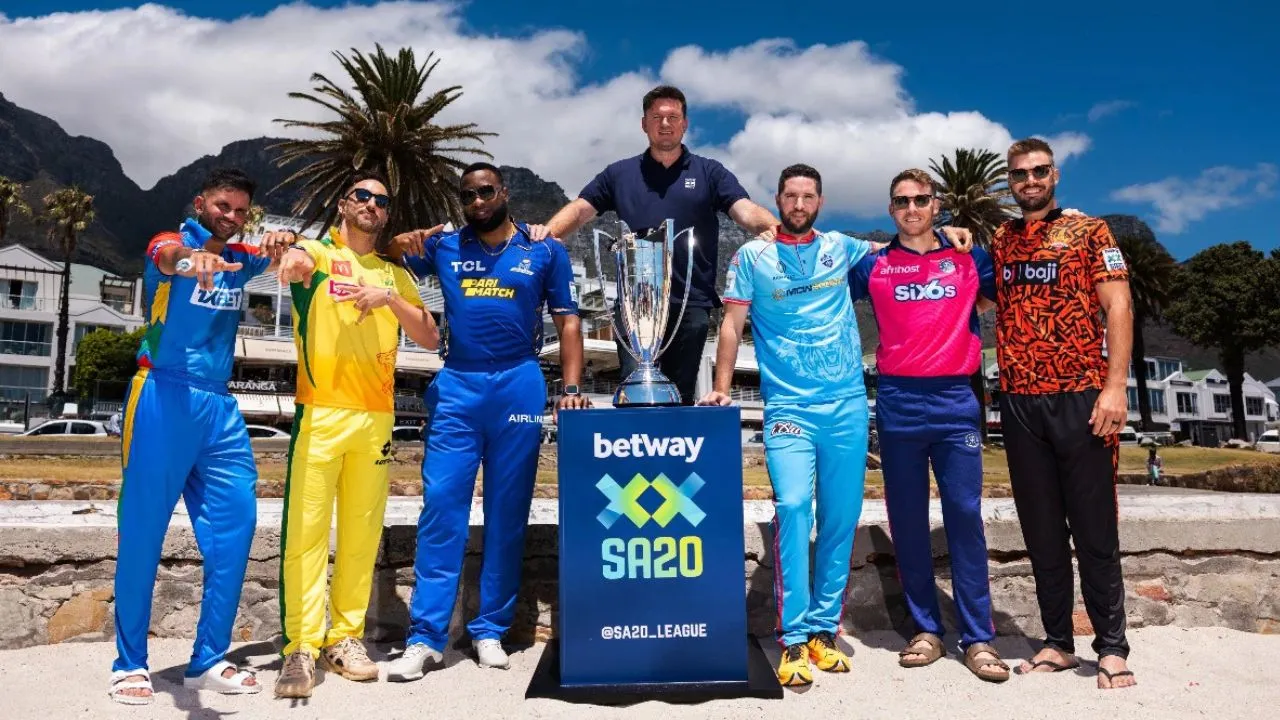
SA20 2027 full squads: Complete list of players for all teams after auction
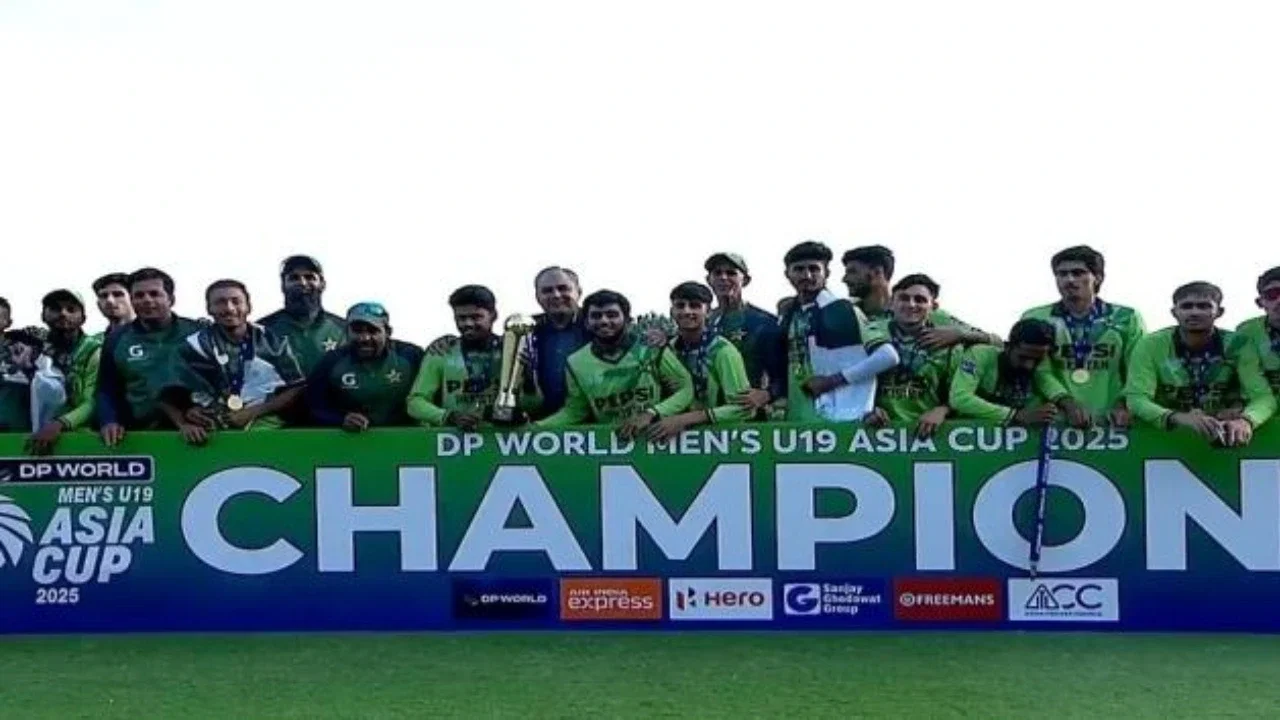
U19 Asia Cup 2026 schedule announced, India vs Pakistan on November 8
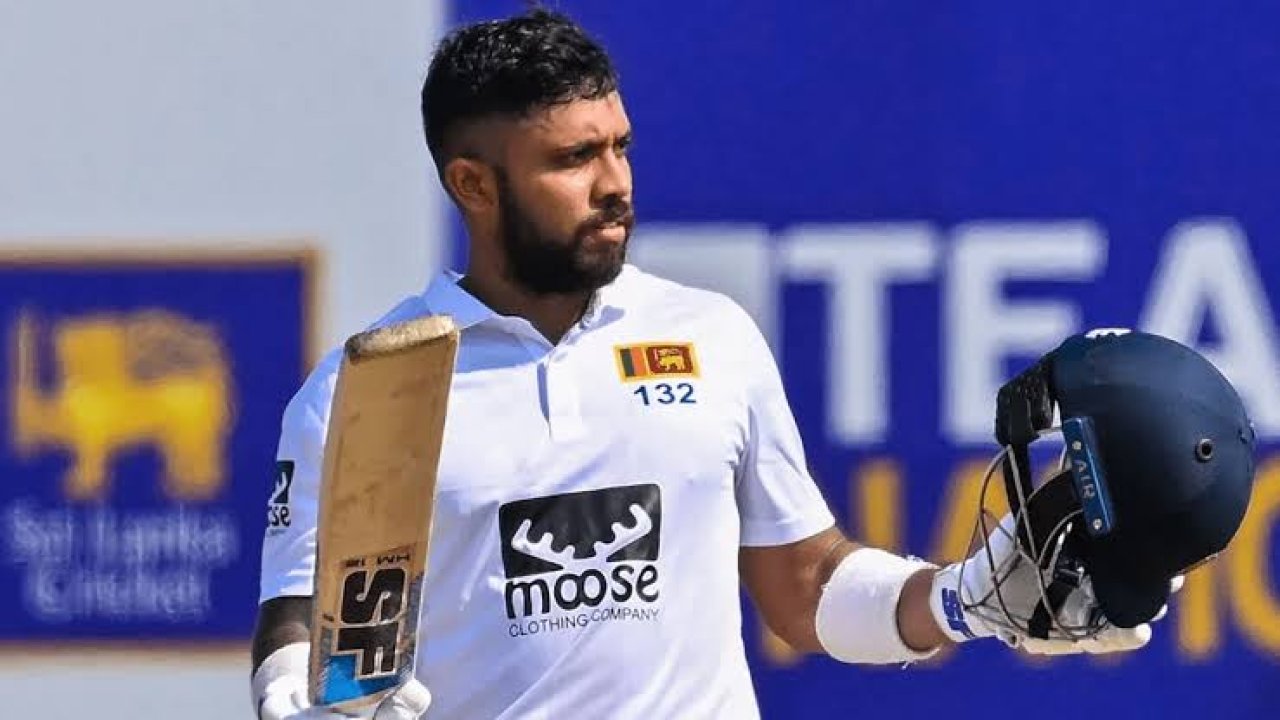
Kusal Mendis appointed new Sri Lanka Test captain
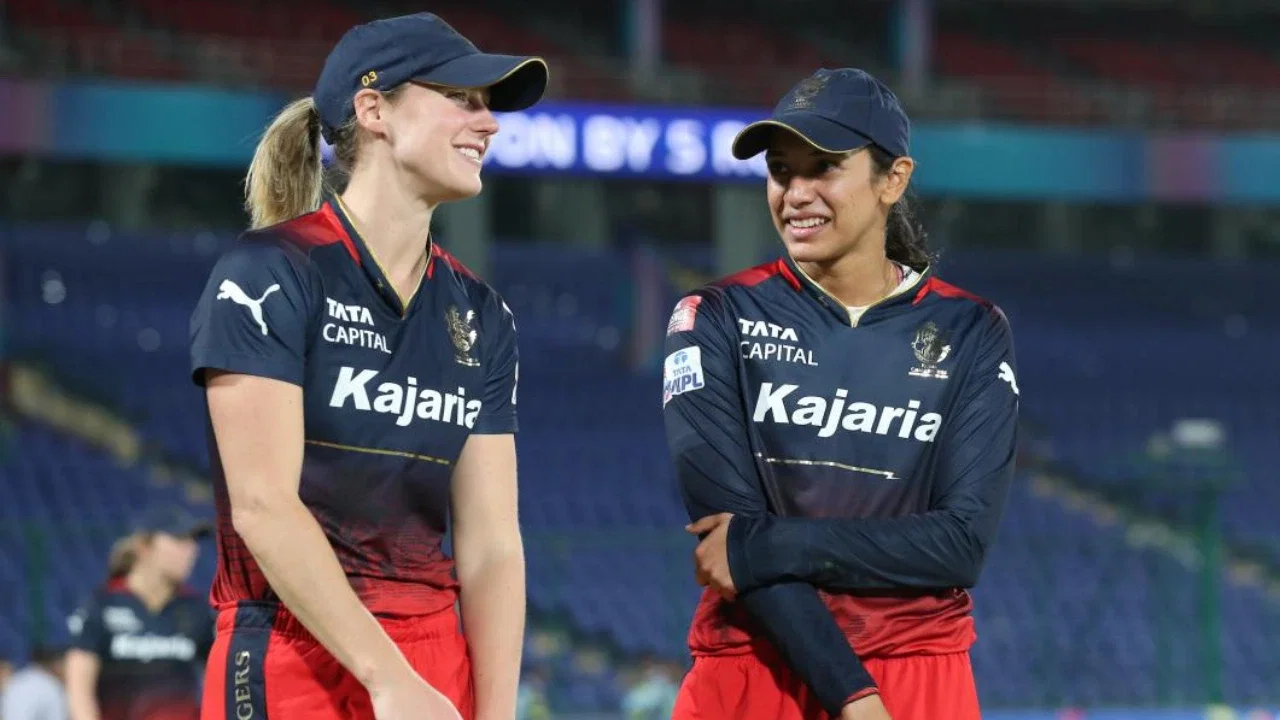
Ellyse Perry criticizes WPL scheduling as Australia Women miss peak home summer
SA vs AUS Playing 11 Today, Live Streaming, Pitch & Weather: South Africa vs Australia 1st Test 2026
AFG vs BAN Playing 11 Today, Live Streaming, Pitch & Weather: Afghanistan vs Bangladesh 1st Test 2026
PCB confirms PSL 12 dates, set to run from March 18 to May 2 in 2027
Arunachal Pradesh cricket team to miss Vinoo Mankad trophy amid legal dispute