Asif Khan banned for testing positive for prohibited substance, ICC takes action
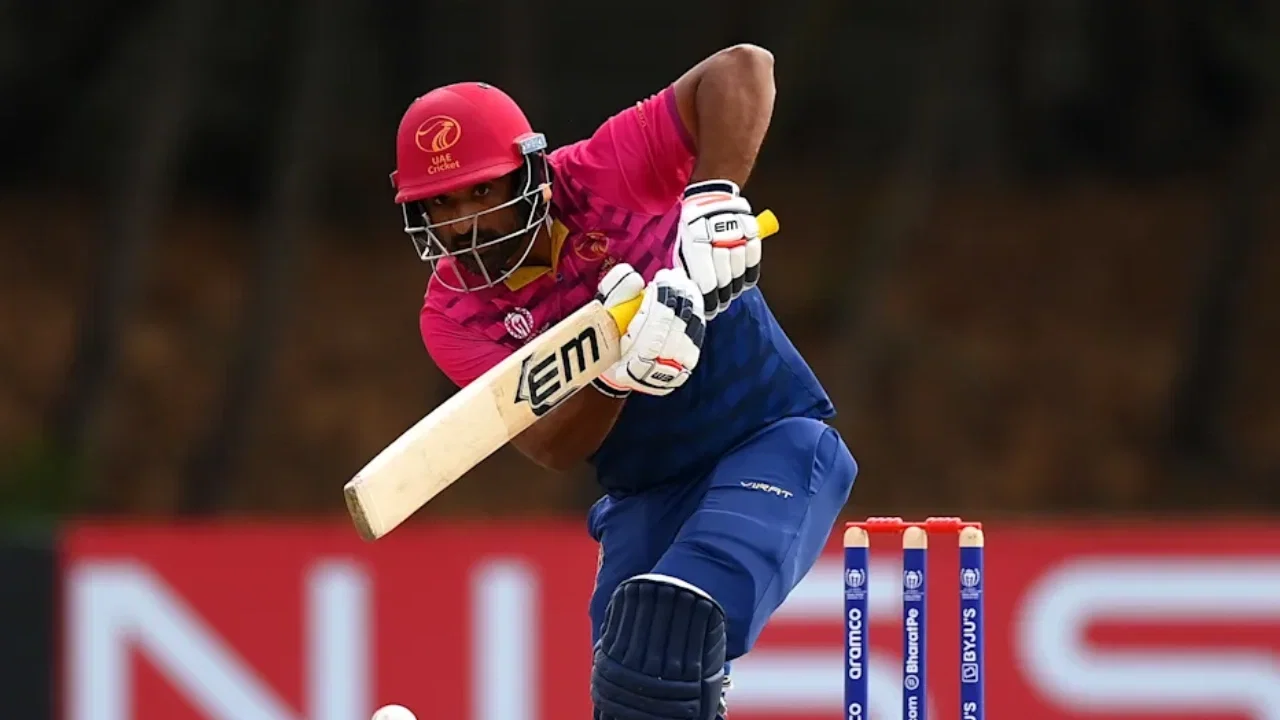
United Arab Emirates Cricketer Asif Khan Faces 15-Month Ban for Failed Doping Test
United Arab Emirates (UAE) cricket player Asif Khan has been handed a 15-month period of ineligibility after failing a doping test conducted outside of a tournament. The International Cricket Council (ICC) announced this through an official press release on August 27. Asif Khan, a 36-year-old batter, tested positive for banned substances in an out-of-competition test conducted on September 8, 2025.
Admission of Guilt
The batter himself admitted to the offense, avoiding the need for any hearings. According to the ICC Anti-Doping Code, Asif Khan breached Article 2.1 and accepted his offense through a Case Resolution Agreement with the World Anti-Doping Agency (WADA) and the ICC.
Period of Ineligibility
The ban is effective immediately from September 8, 2025, and will last until December 7, 2026. Asif will be able to resume training with a team from December 8, but competitive play will only be allowed after that date. During the period of ineligibility, none of Asif Khan’s personal statistics or achievements in professional cricket will be counted.
Who is Asif Khan?
Asif Khan, a 36-year-old batter from Lahore, has been a key player in the UAE national cricket team for years. In One Day Internationals, he has played 8 matches, scoring 1270 runs with a batting average of 38.48, including three centuries and five half-centuries. In T20 Internationals, Asif has scored 1302 runs in 56 innings, with an average of 28.30 and a strike rate of 137.92, including one century and four half-centuries.
Professional Cricket Career
Asif Khan’s last official match was in December of the previous year when he played for the Gulf Giants in an International League T20 match in Abu Dhabi. He has not played any official matches this year. Despite playing multiple matches in the last ILT20 season, Asif was not performing at his peak due to his age. With the ban lifting when he is 37, it is unlikely that he will return to his best form on the international stage.
Asif’s last T20I for the UAE was against Pakistan in Dubai on September 17, 2025. The ban will certainly have an impact on his career and the UAE national team’s future plans.
It is a stark reminder to all athletes about the importance of following anti-doping regulations. The ICC’s strict policies aim to maintain the integrity of the sport and ensure fair competition among players worldwide.
The Impact of Asif Khan’s Ban on UAE Cricket
Asif Khan’s suspension will undoubtedly have a significant impact on the UAE national cricket team. As a seasoned player with valuable experience, his absence will leave a void in the team’s batting lineup. Khan’s ability to anchor innings and score crucial runs under pressure will be sorely missed by the UAE side.
Furthermore, Khan’s ban raises questions about the prevalence of doping in cricket and the measures in place to prevent and detect such violations. While the ICC has stringent anti-doping policies, this incident highlights the ongoing challenges faced by sports organizations in maintaining a clean and fair playing field.
Lessons for Young Cricketers
Asif Khan’s case serves as a cautionary tale for aspiring cricketers, emphasizing the importance of upholding the highest ethical and professional standards in the sport. Young players must understand the consequences of doping violations not only on their careers but also on the reputation of the sport they love.
By adhering to anti-doping regulations and committing to clean competition, athletes can safeguard their integrity and ensure that they compete on a level playing field. Asif Khan’s ban underscores the severe repercussions of failing to comply with anti-doping protocols.
The Road to Redemption
Following his 15-month suspension, Asif Khan will have the opportunity to redeem himself and make a comeback to competitive cricket. The period of ineligibility presents a challenging but crucial time for Khan to reflect on his actions, learn from his mistakes, and demonstrate his commitment to fair play and sportsmanship.
Asif Khan’s journey back to the cricket field will not only test his physical prowess but also his mental fortitude and determination to overcome setbacks. Whether he can regain his form and earn back his spot in the UAE national team remains to be seen, but the ban offers Khan a chance for personal growth and redemption.
Conclusion
Asif Khan’s 15-month ban for failing a doping test serves as a reminder of the importance of integrity and adherence to anti-doping regulations in professional sports. The impact of his suspension on UAE cricket, the lessons for young cricketers, and the opportunity for redemption all highlight the complexities and challenges faced by athletes in maintaining a clean and ethical sporting environment.
Ultimately, Asif Khan’s case underscores the need for continued vigilance, education, and enforcement of anti-doping measures to preserve the integrity and spirit of cricket and ensure fair competition for all players.
By exploring the consequences of doping violations, the impact on the player and team, and the lessons for the broader cricket community, we can deepen our understanding of the complexities surrounding doping in sports and the ongoing efforts to uphold the principles of fair play and honesty in cricket.
Latest News
Top 10 highest run-chases in T20 cricket history, ft. West Indies’ Ranchi win vs India
Aaryavir Sehwag and Anvay Dravid set to make headlines at U19 Asia Cup 2026
Longest ducks in Test cricket history ft. Nic Maddinson, Shoaib Akhtar
ECB to offer 39 central contracts to England players after Ben Stokes, Mark Wood’s retirement
Steve Smith surpasses Steve Waugh in all-time Test run-scorers’ list

Shane Watson identifies Gautam Gambhir’s biggest problem as India struggle for consistency
Is Bhuvneshwar Kumar in India’s 2027 World Cup plans? Ajinkya Rahane makes revelation

BCCI’s big ₹127 Crore move after injury crisis raises concerns over Team India
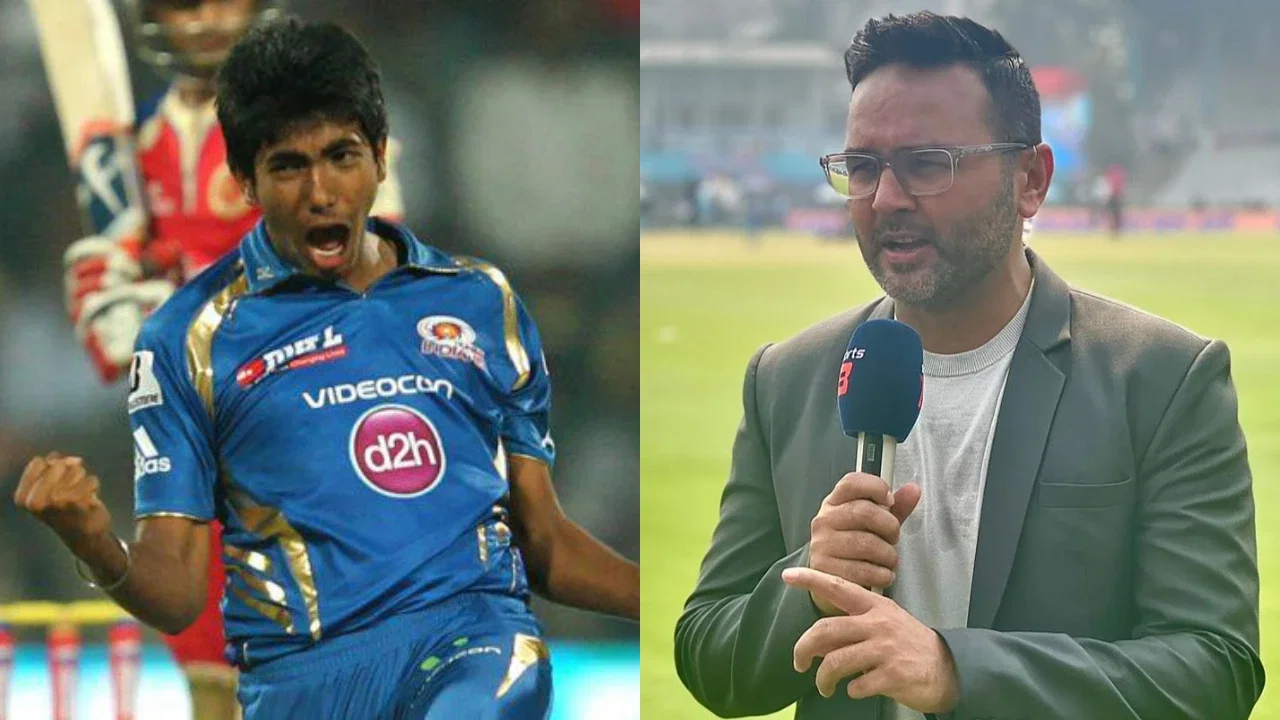
Parthiv Patel reveals RCB ignored his Jasprit Bumrah recommendation in IPL 2014 Auction
“Never spoke ill of any faith”: Irfan Pathan hits back at fake news using his name
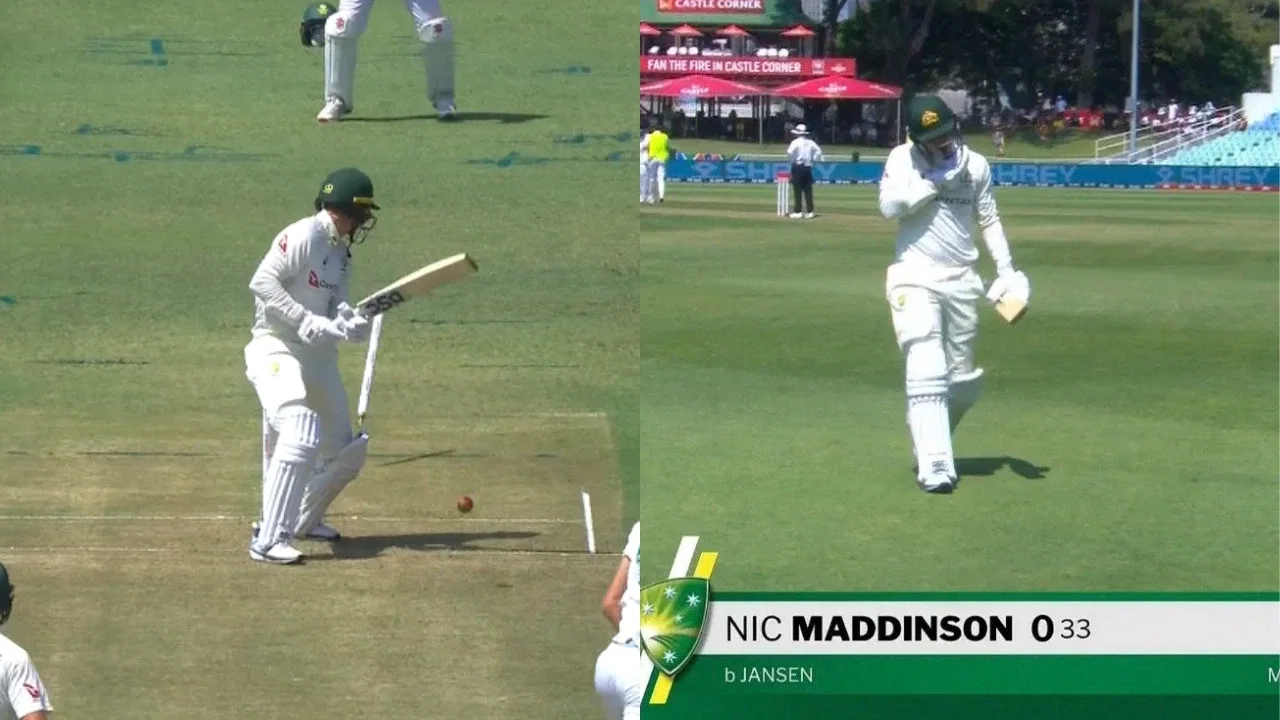
Nic Maddinson bags 33-ball duck on Test comeback, disappoints George Bailey
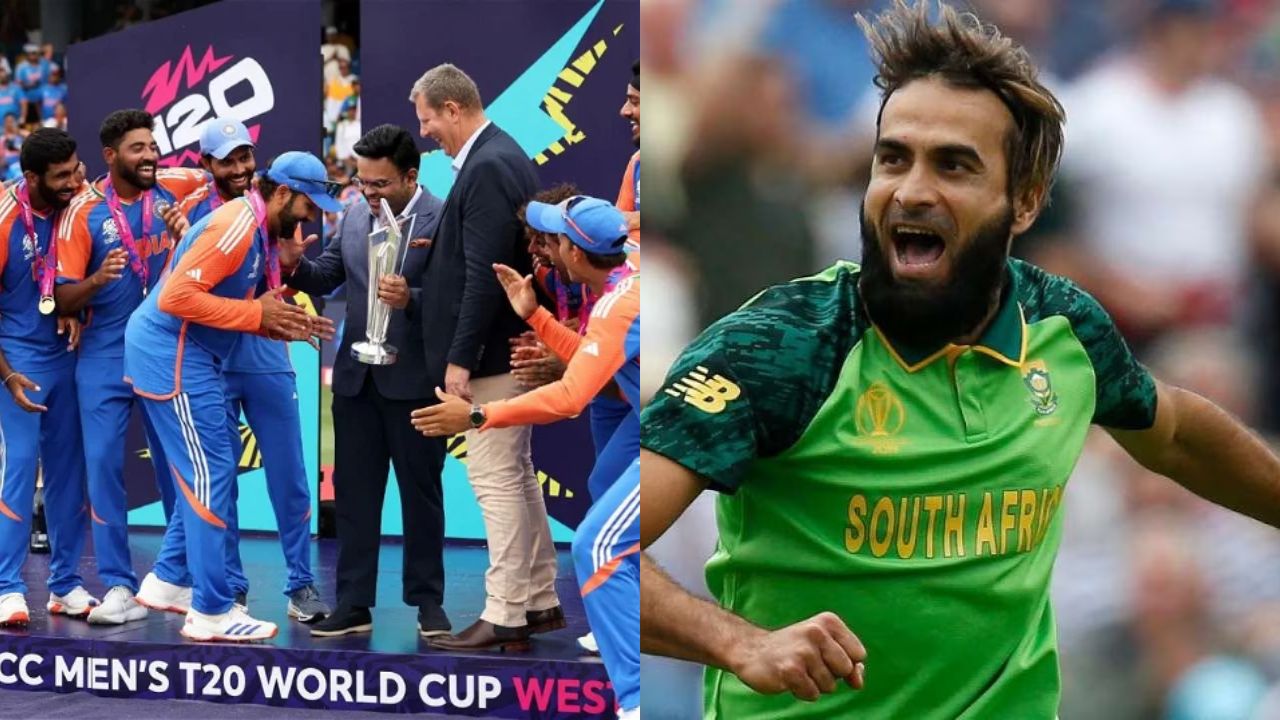
Imran Tahir predicts 2027 ICC ODI World Cup Semi-Finalists, snubs India for title
Australia create unwanted history with first all-30-plus Test XI
Ravindra Jadeja returns to Ranji Trophy as Saurashtra announce squad