Asif Nazrul blamed for Bangladesh’s T20 World Cup withdrawal after government investigation
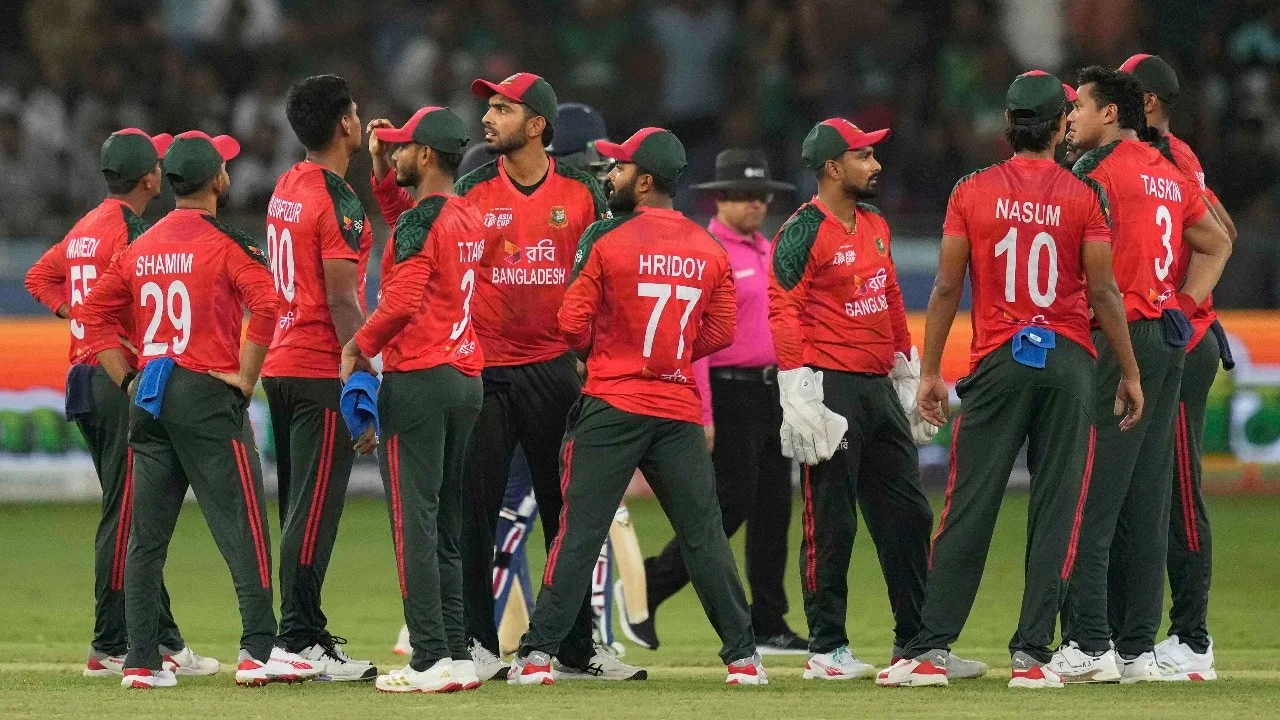
Bangladesh’s Withdrawal from the 2026 T20 World Cup: An Investigation into the Decision and Its Aftermath
The recent controversy surrounding Bangladesh’s absence from the 2026 ICC T20 World Cup has sent shockwaves through the cricketing world. A government-led investigation has pinpointed former sports adviser Asif Nazrul as the key figure responsible for the decision to withdraw the Bangladesh team from the prestigious tournament. This development has raised serious questions about the decision-making process within Bangladesh cricket administration and the government’s role in sporting affairs.
Background: The Controversy Behind Bangladesh’s Withdrawal
Initially, Bangladesh was slated to participate in the 2026 ICC T20 World Cup, an event that garners global attention and offers invaluable experience for emerging cricket nations. However, tensions escalated when the Bangladesh Cricket Board (BCB) refused to send the team to the tournament scheduled to be held in India. The core of the dispute centered on security concerns, diplomatic tensions, and the logistical complexities of traveling to India for the event.
The situation intensified when the International Cricket Council (ICC) responded by replacing Bangladesh with Scotland, a move that surprised many stakeholders and fans alike. The BCB’s refusal to participate was unprecedented and prompted a thorough investigation into the decision’s origins and responsible parties.
The Formation of the Investigation Committee
In May, Bangladesh’s Sports Minister Aminul Haque ordered a formal inquiry into the matter. The three-member committee was led by Dr. A.K.M. Oli Ullah, a respected sports analyst, and included prominent figures like former Bangladeshi cricketer Habibul Bashar and barrister Faisal Dastgir. The committee’s mandate was to uncover the facts surrounding the withdrawal, identify responsible individuals, and assess whether the decision aligned with national interests and cricketing principles.
Key Findings: Asif Nazrul’s Central Role
The investigation involved interviews with high-profile cricket personalities, including team captain Litton Das, Test skipper Najmul Hossain Shanto, BCB President Tamim Iqbal, and assistant coach Mohammad Salahuddin. The committee’s inquiries revealed critical insights into the internal decision-making process.
According to barrister Faisal Dastgir, the investigation concluded that Asif Nazrul, the then youth and sports adviser, was primarily responsible for the withdrawal. Dastgir emphasized that Nazrul bypassed the Bangladesh Cricket Board and the players before making the final call, undermining established protocols and creating a unilateral decision that lacked consensus.
In his statement, Dastgir said, “Based on what emerged from the investigation, discussions with relevant figures, and media reports, it is clear that the person accountable for Bangladesh’s absence from the World Cup was Asif Nazrul. The government at the time, along with Nazrul, made the decision that ultimately led to Bangladesh’s withdrawal.”
Revelations from Player Interviews and Internal Discussions
The committee also delved into the perspectives of the team leadership. Both Litton Das and Najmul Hossain Shanto expressed support for participating in the World Cup and revealed that they were not consulted before the final decision was made. This lack of communication and consultation raised concerns about transparency and respect for player input in high-stakes national team decisions.
Additionally, the report highlighted a meeting involving Nazrul, former BCB president Aminul Islam, and team captains. The players indicated that they were aligned with the idea of traveling to India, emphasizing their readiness and desire to represent Bangladesh on the world stage. The failure to include players in the decision-making process was criticized as a significant oversight that undermined team morale and national pride.
Asif Nazrul’s Defense and Justification
Following the publication of the investigation’s findings, Asif Nazrul issued a public response defending his decision. In a Facebook post, he questioned why the Ministry of Sports ordered an inquiry into a choice he openly acknowledged making.
He stated, “Why didn’t we go to India? The decision not to participate was essentially mine, as the then sports adviser. I have publicly admitted this multiple times.” Nazrul further justified his stance by citing concerns over the safety of players, journalists, and supporters, as well as the country’s broader diplomatic and security considerations.
He expressed that efforts to move the matches to an alternative venue failed, and that the decision was made prioritizing national dignity, security, and political stability ahead of upcoming elections. Nazrul asserted, “I believe we made the right decision,” emphasizing the importance of safeguarding Bangladesh’s national interests over sporting commitments.
Implications for Bangladesh Cricket and Future Predictions
The fallout from this controversy has significant implications for the future of cricket in Bangladesh. The prediction of how this incident will influence Bangladesh’s cricketing policies, team morale, and international relations is complex. Experts suggest that this episode could lead to a reevaluation of how decisions are made at the administrative level, emphasizing transparency, accountability, and player involvement.
Moreover, the incident has cast a spotlight on the BCB’s role and the government’s influence over cricketing affairs. Critics argue that a more collaborative approach between cricket administrators and government officials is necessary to prevent similar crises in the future. The prediction is that Bangladesh cricket will undergo reforms aimed at ensuring better coordination and communication among stakeholders.
Broader Context: International Cricket and Diplomatic Challenges
This episode also underscores the broader challenges faced by cricket boards in politically sensitive regions. Navigating diplomatic tensions, security concerns, and international obligations requires a nuanced approach. The prediction among cricket analysts is that Bangladesh will focus on strengthening its diplomatic ties and security protocols to facilitate future international engagements.
Furthermore, the withdrawal has sparked debates about the role of sports in national identity and diplomacy. The decision not to participate, while rooted in security concerns, has also been viewed as a missed opportunity for Bangladesh to showcase its growing cricketing talent on the world stage. The prediction is that future decisions will be made more collaboratively, with a greater emphasis on safeguarding national pride while engaging with the international cricket community.
Conclusion: A Turning Point for Bangladesh Cricket?
The investigation into Bangladesh’s withdrawal from the 2026 ICC T20 World Cup marks a critical turning point in the country’s cricketing history. The findings implicate high-level decision-makers and highlight the need for greater transparency and stakeholder involvement in critical sports decisions. As Bangladesh moves forward, the prediction is that the cricketing administration will implement reforms to prevent similar crises and restore confidence among players, fans, and international partners.
Ultimately, this incident serves as a reminder of the intricate balance between politics, security, and sportsmanship. The decision’s fallout will likely influence Bangladesh’s cricketing strategies and diplomatic engagements for years to come, shaping the future of cricket in the nation and its prediction for international success.
Latest News
Top 10 highest run-chases in T20 cricket history, ft. West Indies’ Ranchi win vs India
Aaryavir Sehwag and Anvay Dravid set to make headlines at U19 Asia Cup 2026
Longest ducks in Test cricket history ft. Nic Maddinson, Shoaib Akhtar
ECB to offer 39 central contracts to England players after Ben Stokes, Mark Wood’s retirement
Steve Smith surpasses Steve Waugh in all-time Test run-scorers’ list

Shane Watson identifies Gautam Gambhir’s biggest problem as India struggle for consistency
Is Bhuvneshwar Kumar in India’s 2027 World Cup plans? Ajinkya Rahane makes revelation
BCCI’s big ₹127 Crore move after injury crisis raises concerns over Team India
Parthiv Patel reveals RCB ignored his Jasprit Bumrah recommendation in IPL 2014 Auction
“Never spoke ill of any faith”: Irfan Pathan hits back at fake news using his name
Nic Maddinson bags 33-ball duck on Test comeback, disappoints George Bailey
Imran Tahir predicts 2027 ICC ODI World Cup Semi-Finalists, snubs India for title
Australia create unwanted history with first all-30-plus Test XI
Ravindra Jadeja returns to Ranji Trophy as Saurashtra announce squad