Australia face $44,000 punishment, WTC points penalty after Darwin Test loss vs Bangladesh

Australia Faces Potential Punishment for Slow Over-Rate in Defeat Against Bangladesh
The Australia National Cricket Team’s recent defeat in the two-match Test series opener against the Bangladesh National Cricket Team has raised concerns beyond just the loss. Following a surprising nine-wicket defeat in the first Test in Darwin, Pat Cummins and his team may now face consequences for their slow over-rate.
Potential Consequences for Australia
Despite the Test finishing before tea on the fourth day, Australia only bowled 86 overs on the third day, four overs short of the required 90. The International Cricket Council (ICC) is yet to confirm whether Australia will be punished for the slow over-rate, with match referee Jeff Crowe reviewing the situation before making a final decision.
Under ICC rules, teams are typically expected to bowl 90 overs in a day, with additional allowances for interruptions or special circumstances. However, Australia’s shortfall on Day 3 has put them under scrutiny, risking fines and potential deductions of ICC World Test Championship (WTC) points for the 2025-27 cycle.
Implications for Australia’s WTC Standing
Australia currently leads the WTC 2025-27 points table with 84 points and a points percentage of 77.78. If they were to lose four WTC points due to the slow over-rate, their total would drop to 80. This could impact their position in the standings, depending on the results and points percentage of other teams in the competition.
It is worth noting that Australia has faced over-rate penalties in the past, with a similar incident resulting in a four-point deduction during the previous WTC cycle, ultimately affecting their chances of reaching the WTC final.
Potential Financial Ramifications
In addition to the possible loss of WTC points, Australian players could also face financial penalties if found guilty of a slow over-rate. Under ICC rules, players can be fined five percent of their match fee for each over their team falls short. With Australia potentially falling four overs behind, players may face a 20 percent deduction from their match fee, amounting to approximately $4,000 per player based on reported match fees of $20,000.
Considering these potential consequences, Australia will be hoping for some leniency from the match referee, especially given the challenging playing conditions in Darwin’s hot and humid climate. The final decision on any penalties will be crucial for the team as they aim to bounce back in the upcoming Test matches.
By addressing these detailed aspects of the situation, the article provides a comprehensive understanding of the potential repercussions Australia may face following their defeat.
Overview of Australia’s Performance in the Test Series
Despite the focus on the slow over-rate issue, it is essential to analyze Australia’s overall performance in the Test series against Bangladesh. The defeat in the first Test was a significant setback for the team, especially considering their strong position in the World Test Championship standings. The loss not only affected their chances of earning crucial points but also highlighted areas for improvement in their gameplay.
Australia’s batting lineup struggled against Bangladesh’s spin attack, with key players failing to make significant contributions. The team’s inability to handle the spin-friendly conditions in Darwin raised questions about their adaptability and preparedness for diverse playing environments. As they head into the second Test, Australia will need to address these challenges and make strategic adjustments to bounce back from their defeat.
Impact on Player Morale and Team Dynamics
Beyond the potential financial and disciplinary consequences, the slow over-rate issue could also have implications for player morale and team dynamics. Facing penalties for a disciplinary infraction can create tension within the team, affecting communication and trust among players and coaching staff. It is essential for team management to address any internal conflicts and maintain a positive team culture to ensure a unified approach in the upcoming matches.
Moreover, the pressure of potential penalties and public scrutiny can impact individual player performance and confidence. Players may feel added stress to perform well to compensate for any team shortcomings or penalties imposed. Managing these psychological factors is crucial for Australia to maintain a competitive edge and deliver their best performance on the field.
Lessons Learned and Future Preparations
As Australia navigates the aftermath of the slow over-rate controversy, they can use this experience as a learning opportunity to enhance their preparation and adaptability in future matches. The team can benefit from analyzing their performance, identifying areas for improvement, and implementing strategies to avoid similar issues in upcoming series.
Additionally, the coaching staff can focus on mental resilience training and team bonding activities to strengthen the players’ mindset and cohesion. Building a strong team culture based on trust, communication, and accountability will be essential for Australia to overcome challenges and achieve success in their future cricket endeavors.
Looking Ahead: Second Test Match and Beyond
As Australia prepares for the second Test match against Bangladesh, they have an opportunity to regroup, refocus, and showcase their resilience on the field. The team can use the disappointment of their previous defeat as motivation to bounce back strongly and demonstrate their competitive spirit and skill.
With the slow over-rate issue serving as a wake-up call, Australia will be eager to showcase their discipline and determination in the upcoming match. By learning from their mistakes, addressing key areas of improvement, and maintaining a positive team culture, Australia can set themselves up for success in the remainder of the Test series and future cricket competitions.
In conclusion, while the slow over-rate controversy has raised concerns for Australia, it also presents an opportunity for growth and development as a team. By addressing the challenges head-on, learning from past experiences, and staying united in their pursuit of excellence, Australia can overcome obstacles and continue to strive for success in the world of international cricket.
Latest News

Top 10 highest run-chases in T20 cricket history, ft. West Indies’ Ranchi win vs India

Aaryavir Sehwag and Anvay Dravid set to make headlines at U19 Asia Cup 2026

Longest ducks in Test cricket history ft. Nic Maddinson, Shoaib Akhtar

ECB to offer 39 central contracts to England players after Ben Stokes, Mark Wood’s retirement

Steve Smith surpasses Steve Waugh in all-time Test run-scorers’ list

Shane Watson identifies Gautam Gambhir’s biggest problem as India struggle for consistency

Is Bhuvneshwar Kumar in India’s 2027 World Cup plans? Ajinkya Rahane makes revelation

BCCI’s big ₹127 Crore move after injury crisis raises concerns over Team India

Parthiv Patel reveals RCB ignored his Jasprit Bumrah recommendation in IPL 2014 Auction

“Never spoke ill of any faith”: Irfan Pathan hits back at fake news using his name
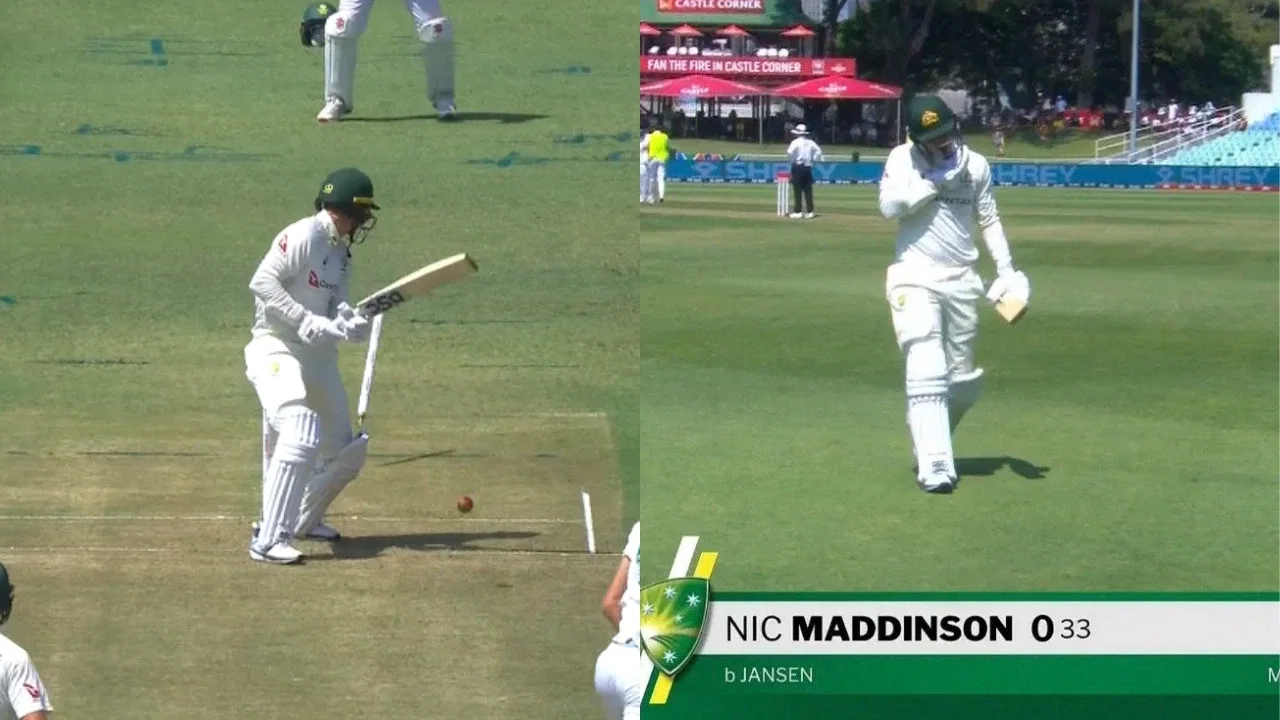
Nic Maddinson bags 33-ball duck on Test comeback, disappoints George Bailey

Imran Tahir predicts 2027 ICC ODI World Cup Semi-Finalists, snubs India for title

Australia create unwanted history with first all-30-plus Test XI
Ravindra Jadeja returns to Ranji Trophy as Saurashtra announce squad