

‘Awkward’ chat with Steve Smith: Usman Khawaja makes fresh Sandpapergate revelation
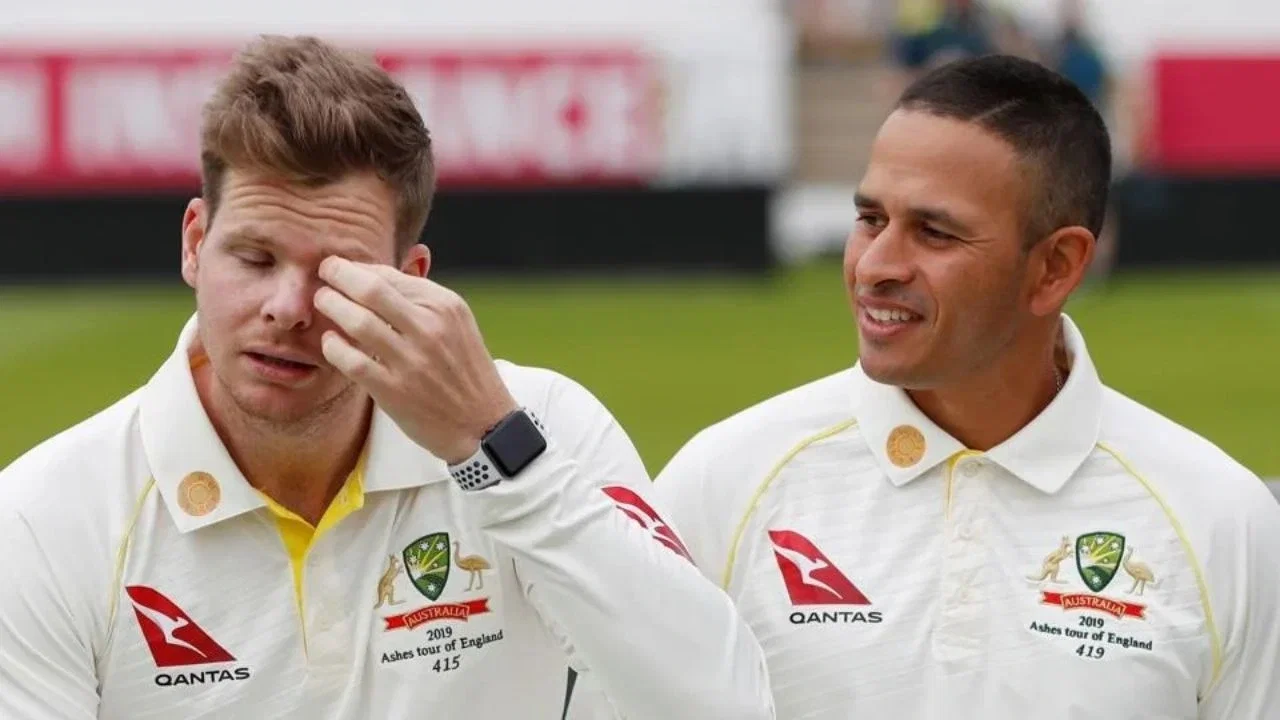
Usman Khawaja’s Memoir Reopens Debate Over Australia’s 2018 Ball-Tampering Scandal
Usman Khawaja has revealed that he spoke with Steve Smith and David Warner before publishing his autobiography, Sabr, as fresh claims about Australia’s 2018 ball-tampering scandal renew debate over what happened inside the team. Khawaja described his conversation with Smith as “awkward” and said Warner learned about the book’s detailed account only shortly before it went on sale.
The former Australia opener’s recollections have brought renewed attention to the Cape Town Test in March 2018, where Cameron Bancroft was caught using sandpaper to alter the ball. The incident led to suspensions for Bancroft, then-captain Smith and vice-captain Warner, and sparked a wider examination of leadership, accountability and the culture within Australian cricket.
Khawaja Says Smith Persuaded Him to Stay Silent
In an appearance on Antoinette Lattouf’s They Used To Be podcast, Khawaja recalled wanting to speak publicly when the sanctions were announced. He said he had concerns about the punishment Smith received and intended to share his perspective with the media.
According to Khawaja, Smith urged him not to do so, choosing instead to accept responsibility for the episode. Khawaja said the two disagreed, but that Smith was firm in his decision to take the blame.
“When the other guys got their penalties, I told Smudge that I was going to come clean to the media. I couldn’t believe the penalties that he got,” Khawaja said. “But Smudge being the leader, the man that he is, talked me out of it. He wanted to take the blame. I argued with him. He was having none of it.”
Khawaja’s account adds a personal dimension to a scandal that has been discussed publicly for years. It also highlights how players may have viewed the team’s response differently at the time, particularly as Cricket Australia’s investigation and disciplinary process unfolded.
An Awkward Conversation Before the Book’s Release
Khawaja said he waited until Australia’s recent Test series against South Africa had concluded before discussing Sabr with Smith. He did not want to approach the former captain while he was preparing to play, and described the eventual conversation as uncomfortable.
“Steven Smith was a bit more awkward, he was playing in that Test. I waited until it finished and I talked to him,” Khawaja said.
The timing matters because the memoir revisits a difficult period for several former teammates. Publishing an account of a major controversy can reopen old disagreements, especially when the people involved have different memories of who knew what and when. Khawaja’s decision to speak with Smith before publication suggests he wanted to give him notice, although the conversation did not prevent the book from prompting a fresh public debate.
Pat Cummins Rejects the Claims as Warner Backs Khawaja
The reaction to Khawaja’s account has been divided. Australia captain Pat Cummins rejected the suggestion that knowledge of the ball-tampering operation extended across the team. In a recent press conference, he called Khawaja’s claims “complete and utter nonsense” and denied knowing that sandpaper had been taken onto the field.
Cummins also questioned the implications of Khawaja’s version, saying allegations of wider awareness could affect the reputations of former teammates. His response underlines a central dispute in the renewed Sandpapergate discussion: whether the incident was limited to the players directly implicated or whether others had knowledge of the plan.
Warner, by contrast, publicly supported Khawaja and said he believed his former teammate was telling the truth. He also criticised Cummins’ response, arguing that it appeared to place Khawaja in an unfair position. Warner has previously questioned aspects of Cricket Australia’s investigation, including how conclusions about the bowlers’ knowledge were communicated.
These differing reactions show why the scandal remains a sensitive topic in Australian cricket. The original disciplinary decisions were made in 2018, but questions about responsibility, communication and the reliability of individual recollections continue to shape how the episode is understood.
Warner Learned About the Chapter Two Months Before Publication
Khawaja also explained that Warner did not know how extensively the memoir would address Sandpapergate until shortly before its release. The pair, who have known each other since childhood, had barely discussed the incident between 2020 and 2026, Khawaja said, despite a promise that he would eventually speak about it.
“I only told him two months ago,” Khawaja said. He added that Warner was shocked to learn he was writing about the subject. Khawaja said he continued speaking with Warner after that initial message, but held back the relevant chapter until a week before publication because he did not want it leaked.
“I didn’t send the chapter to him until a week before the book release. I didn’t want it to get leaked. There are no secrets in cricket,” Khawaja said.
His explanation offers insight into the careful timing involved in publishing a memoir about a high-profile sporting controversy. Giving former teammates advance notice can be a courtesy, but sharing manuscript material too early may risk leaks or intensify disagreements before readers have the full context.
Why the Sandpapergate Debate Still Matters
Sandpapergate remains one of the most consequential episodes in modern Australian cricket, not only because of the suspensions but also because it prompted questions about leadership, team culture and the standards expected of elite athletes. Khawaja’s memoir adds another perspective, but it does not settle the competing accounts of who knew about the plan.
For supporters following the latest developments, the key issue is the distinction between what has been established through official findings and what former players now say they experienced or understood at the time. Khawaja’s recollections, Cummins’ denial and Warner’s support represent different viewpoints rather than a single agreed account.
The renewed discussion may also influence how the 2018 scandal is remembered by future generations of cricket fans. As more participants share their perspectives, the story continues to evolve—though any prediction about whether the latest revelations will resolve the dispute remains uncertain. For now, Sabr has reopened a conversation that Australian cricket has never fully left behind.
Latest News

SA vs BAN Playing 11 Today, Live Streaming, Pitch & Weather: South Africa tour of Bangladesh 2026, 2nd Test

AUS vs ENG Playing 11 Today, Live Streaming, Pitch & Weather: England tour of Australia 2026, 2nd T20I

Blair Tickner ruled out of 2nd Test vs India, replacement named

Tim Paine and Justin Langer face fresh questions over Australia’s ball-tampering scandal

India tour of Bangladesh gets fresh hope as BCB confirms talks with BCCI

Tom Latham opens up on soft ball problem and saliva ban after draw against India

Ajinkya Rahane slams Tilak Varma for publicly criticising Shahbaz Ahmed after India A’s defeat

ICC to introduce IPL-style bat checks in international cricket

“Smiling Laughing doesn’t happen”: R Ashwin’s dig at India’s approach after draw vs New Zealand

“Not good enough for Test cricket”: Scott Styris, Sunil Gavaskar slam Wellington pitch

Dodda Ganesh declares India ‘out of WTC final race’ after Wellington Test draw

Ajinkya Rahane criticises Shubman Gill for abusing Akash Deep in 1st Test vs New Zealand

‘Why so many boundary riders?’ Dinesh Karthik questions Shubman Gill’s captaincy after Wellington Test

“I just want to enjoy my life”: Yash Dayal reflects on his return to cricket


