

Ayush Badoni joins Gautam Gambhir, Virat Kohli, equals FC world record with back-to-back double tons
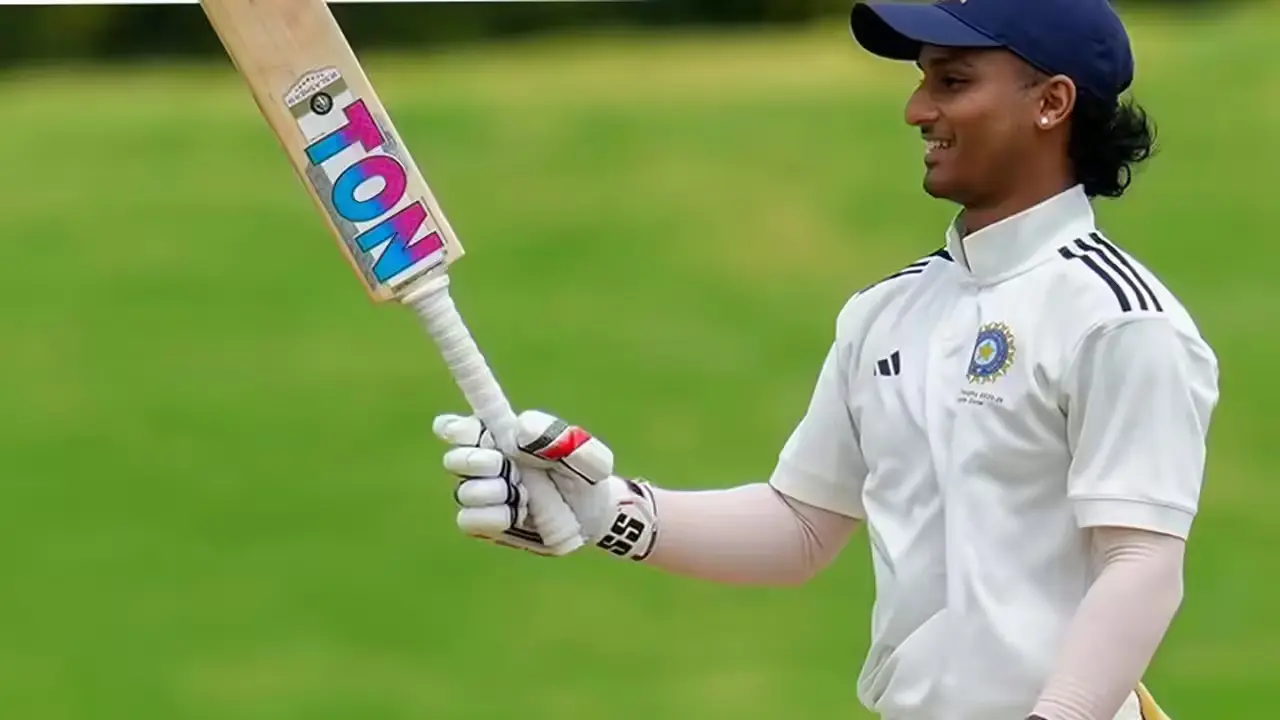
Ayush Badoni Makes Ranji Trophy History With Back-to-Back Double Centuries
Delhi captain Ayush Badoni has delivered a remarkable batting performance in the 2026–27 Ranji Trophy, scoring his second consecutive first-class double century and joining an elite group of Indian cricketers. The 26-year-old reached the milestone against Jharkhand in Ranchi on Tuesday, October 27, following his career-best innings against Gujarat just a week earlier.
Badoni’s latest achievement adds a compelling storyline to Delhi’s campaign and strengthens his growing reputation as one of the country’s most productive young first-class batters. His consecutive scores have also prompted fresh prediction about how far he can go this season—and whether he can turn his domestic form into a bigger role in Indian cricket.
Badoni Leads Delhi’s Charge Against Jharkhand
After Delhi chose to bat first at the JSCA International Stadium in Ranchi, Badoni anchored the innings with a commanding display of patience and attacking intent. He brought up his double century in 216 balls, striking 28 fours and three sixes along the way.
He eventually finished unbeaten on 210 from 228 deliveries, with 19 boundaries and three sixes. His innings helped Delhi declare at 515 for five, giving the visitors a substantial first-innings total and putting the pressure on Jharkhand’s batters.
Badoni was not the only Delhi player to make a major contribution. Sumit Mathur remained unbeaten on 150, providing valuable support as the pair helped turn a strong start into a formidable score. Their partnership gave Delhi’s innings momentum and ensured the team could declare with plenty of runs on the board.
A Second Double Century in Consecutive First-Class Innings
The Ranchi innings came shortly after Badoni’s outstanding 217 against Gujarat at Delhi’s Air Force Ground in Palam. That knock had already marked the highest score of his career. His 210 not out against Jharkhand now makes it two double centuries in successive first-class innings—a rare achievement in the long history of the game.
Badoni is the third Delhi batter to reach the milestone, following former India captain Virat Kohli and current India head coach Gautam Gambhir. He is also the 21st Indian batter to score double centuries in consecutive first-class innings, according to the historical list of Indian players to achieve the feat.
The accomplishment is especially striking because it demands more than one exceptional day at the crease. A batter must sustain concentration across separate matches, adapt to different conditions and maintain the physical and mental sharpness required for long innings. Badoni has done so in quick succession, producing two substantial scores in contrasting match situations.
Joining a Distinguished List of Indian Batters
The list of Indian players who have recorded consecutive first-class double centuries stretches across generations. It includes celebrated names such as KS Ranjitsinhji, Vijay Merchant, Dilip Vengsarkar, Arun Lal, Vinod Kambli, Gautam Gambhir and Virat Kohli, alongside more recent performers including Sarfaraz Khan, N. Jagadeesan, Agni Chopra and Snehal Kauthankar.
Ranjitsinhji, the legendary cricketer whose name was later given to India’s premier domestic competition, is noted for achieving the feat twice, with successive double centuries in 1900 and 1901. Badoni’s entry into this company places his recent run in a broader historical context, while underlining just how uncommon such consistency remains.
Badoni has also shown his capacity to score heavily outside the Ranji Trophy. He recorded a double century for North Zone in the 2026 Duleep Trophy, taking his first-class double-century tally to four. Two of those hundreds have arrived during the current Ranji season, making him one of the competition’s standout performers so far.
What the Record Could Mean for Delhi
For Delhi, Badoni’s form offers more than a headline-making statistic. A captain who can bat for long periods and build a large total gives his team flexibility: the bowlers can attack with a meaningful lead, while the batting order can take time to recover if early wickets fall. His innings against Jharkhand also demonstrated the value of a settled partnership, with Mathur’s unbeaten 150 helping Delhi convert Badoni’s platform into a commanding declaration.
His recent run may also influence expectations for the rest of the season. Any prediction about Delhi’s prospects will depend on how consistently the team’s other batters and bowlers contribute, but a captain in this kind of form gives the side a strong foundation. The challenge for Badoni will be to maintain his standards as opposition teams study his methods and look for ways to limit his scoring areas.
A Breakthrough Run, With More Tests Ahead
Back-to-back double centuries do not guarantee a place in the national side, but they strengthen a player’s case by demonstrating sustained performance in the demanding first-class format. For Badoni, the next step is to keep converting starts into major scores and continue leading Delhi effectively through the remainder of the Ranji Trophy campaign.
His achievement is already significant: two consecutive double hundreds, a place among Delhi’s most accomplished first-class batters, and a fourth career double century. As the 2026–27 season unfolds, Badoni’s form will be closely watched by supporters and selectors alike. If he can maintain this level, his historic run could become the beginning of an even bigger chapter in his cricketing career.
Latest News

SA vs BAN Playing 11 Today, Live Streaming, Pitch & Weather: South Africa tour of Bangladesh 2026, 2nd Test

AUS vs ENG Playing 11 Today, Live Streaming, Pitch & Weather: England tour of Australia 2026, 2nd T20I

Blair Tickner ruled out of 2nd Test vs India, replacement named

Tim Paine and Justin Langer face fresh questions over Australia’s ball-tampering scandal

India tour of Bangladesh gets fresh hope as BCB confirms talks with BCCI

Tom Latham opens up on soft ball problem and saliva ban after draw against India

Ajinkya Rahane slams Tilak Varma for publicly criticising Shahbaz Ahmed after India A’s defeat

ICC to introduce IPL-style bat checks in international cricket

“Smiling Laughing doesn’t happen”: R Ashwin’s dig at India’s approach after draw vs New Zealand

“Not good enough for Test cricket”: Scott Styris, Sunil Gavaskar slam Wellington pitch

Dodda Ganesh declares India ‘out of WTC final race’ after Wellington Test draw

Ajinkya Rahane criticises Shubman Gill for abusing Akash Deep in 1st Test vs New Zealand

‘Why so many boundary riders?’ Dinesh Karthik questions Shubman Gill’s captaincy after Wellington Test

“I just want to enjoy my life”: Yash Dayal reflects on his return to cricket


