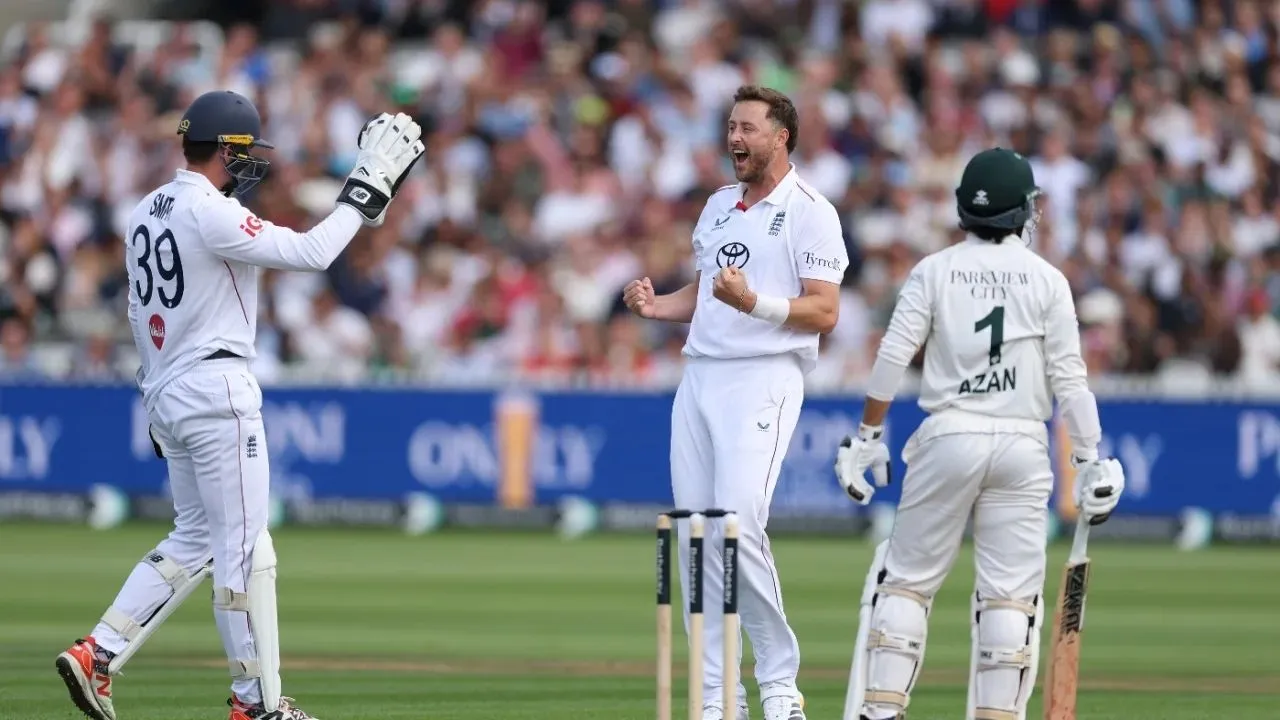
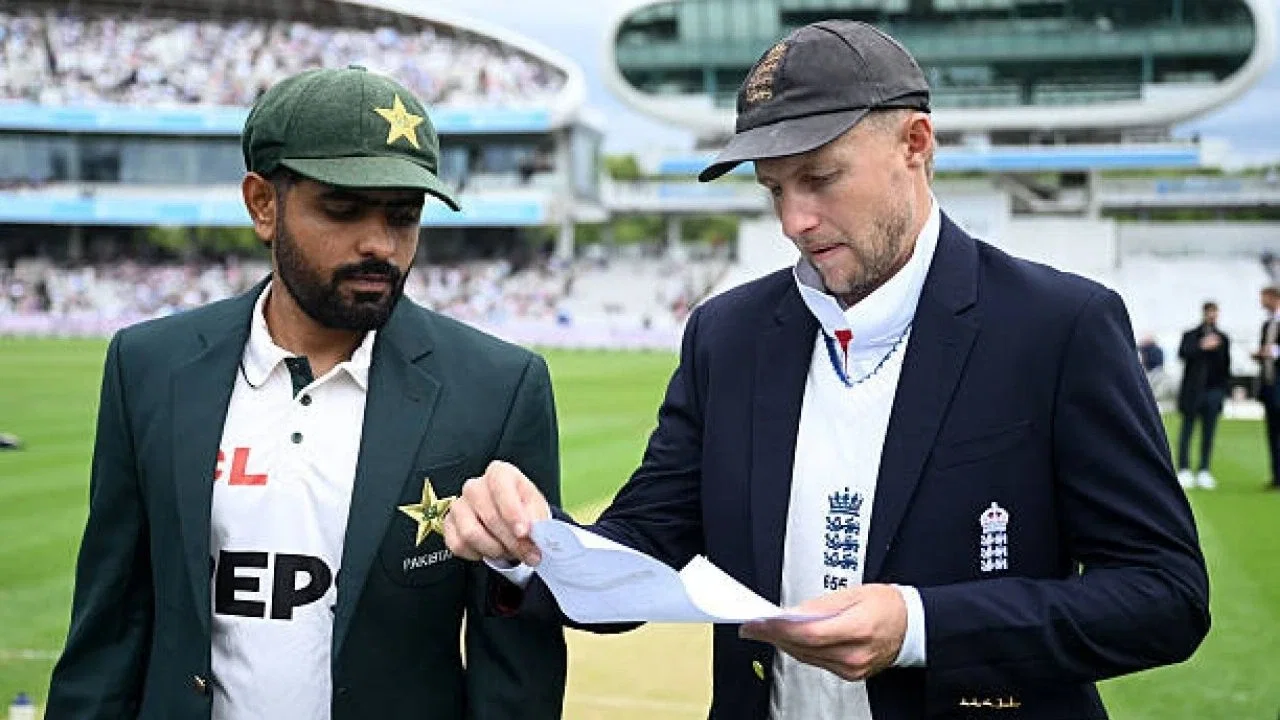
Babar Azam addresses Pakistan’s Lord’s boycott reports amid Imran Khan row
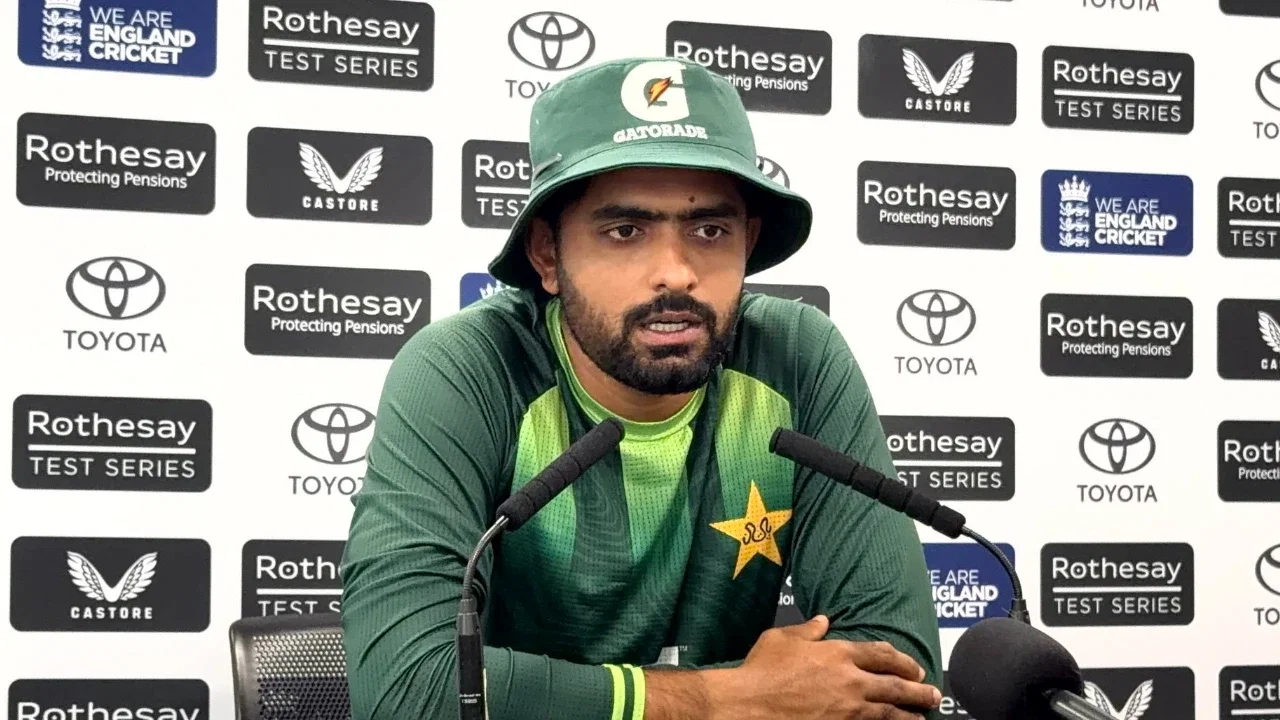
Pakistan’s Test Series at Lord’s: A Controversy-Driven Event with Political Underpinnings
The recent Test match between Pakistan and England at Lord’s Cricket Ground has become a focal point not only for its on-field action but also for a series of off-field controversies that have sparked widespread debate among cricket enthusiasts and political analysts alike. Central to this narrative is Pakistan’s captain, Babar Azam, who finally addressed the swirling rumors about a potential boycott or team protest during the opening day’s play. This incident, intertwined with political tensions involving Pakistan’s former Prime Minister Imran Khan, has cast a long shadow over the series, prompting predictions about how such factors could influence future performances and series outcomes.
The Rumors and the Reality: What Actually Happened at Lord’s?
Leading up to the second Test at Lord’s, reports emerged suggesting that the Pakistan cricket team was contemplating a boycott of the field after lunch on day one. These stories gained traction following a controversial television interview involving the sons of Imran Khan—Pakistan’s legendary former captain and ex-Prime Minister—aired during the scheduled lunch interval. According to sources, the Pakistan Cricket Board (PCB) was reportedly uncomfortable with the timing of the interview, which focused on Imran Khan’s ongoing legal troubles and imprisonment.
The interview was conducted by former England captain Michael Atherton and featured Sulaiman Khan and Kasim Khan, Imran Khan’s sons, sharing their concerns about their father’s health and treatment. The PCB’s frustration stemmed from fears that the broadcast could escalate political tensions during the high-stakes cricket series. Despite these concerns, Pakistan’s team returned to the field as scheduled, and the match proceeded without interruption, effectively dispelling any rumors of a boycott or protest on the first day.
Babar Azam Breaks Silence: Clarifications and Insights
Following Pakistan’s heavy 194-run defeat at Lord’s, the team’s captain, Babar Azam, was questioned about the alleged plans to abstain from fielding after lunch, which had been widely circulated by media outlets. In a candid interview with BBC Test Match Special, Babar Azam explicitly denied any knowledge of such a plan, emphasizing that the team had no intention of boycotting or delaying play due to external political or media pressures.
He stated, “No, no, no. I haven’t heard that thing.” When pressed further about whether the team had discussed the possibility of not taking the field after the scheduled break, Babar reiterated his unfamiliarity with any such discussions, underscoring the professionalism and focus of the squad despite the surrounding political noise.
The Political Tensions: Imran Khan’s Sons’ Interview and Its Impact
The interview involving Imran Khan’s sons, conducted during a period of heightened political tension in Pakistan, added fuel to the controversy. Imran Khan, who remains a highly influential figure in Pakistani politics, has been incarcerated since 2023 amidst a series of legal battles. His sons expressed their concerns about his health, treatment, and the political climate, which they described as fraught with injustice.
The timing of the interview, coinciding with the ongoing cricket series, raised eyebrows within the Pakistan Cricket Board. The PCB, led by Mohsin Naqvi—who concurrently serves as the country’s Interior Minister—reportedly warned players against engaging in political commentary during the tour, emphasizing a need to focus on cricket and avoid politicization of the sport. The board’s stance reflects a broader effort to keep cricket separate from politically charged issues, yet the delicate balance remains challenging given the intense media coverage and public sentiment.
On-Field Performance and Predictions for the Series
While off-field controversies raged, the on-field action at Lord’s was equally compelling. England showcased their dominance with a comprehensive victory, taking a 2-0 lead in the three-match series. Pakistan, chasing a daunting target of 389 runs, was bowled out for 194. Saud Shakeel’s resilient performance, falling just three runs short of a century, provided some hope amid the defeat. However, the series’ prediction now heavily favors England, who seem poised to clinch the series if Pakistan fails to address both technical and psychological challenges.
Experts suggest that such political tensions and media distractions could impact Pakistan’s performance in future matches. The unpredictable nature of this series underscores how external factors—like political controversies and media narratives—can influence team morale and game predictions. The upcoming third Test at Edgbaston will be critical for Pakistan to demonstrate resilience and refocus on cricket, potentially altering predictions for the series outcome.
Broader Implications: The Intersection of Politics and Sports
This incident at Lord’s highlights the complex relationship between politics and sports in Pakistan. Historically, Pakistani cricket has often been intertwined with political developments, with players and officials sometimes caught in the crossfire. The current situation accentuates the importance of maintaining a focus on athletic excellence while navigating political sensitivities.
For cricket fans and analysts, the prediction for Pakistan’s performance in the remaining matches hinges on multiple factors: the team’s ability to stay mentally resilient amidst controversy, the coaching staff’s strategic adjustments, and the wider political climate. The series at Lord’s serves as a case study in how external pressures can influence team dynamics and the importance of safeguarding the integrity of sport during turbulent times.
Final Thoughts: What’s Next for Pakistan and England?
As Pakistan prepares for the final match of the series at Edgbaston, the focus will be on how the team manages the lingering political tensions and media narratives. Predictions for the remainder of the series vary: some experts believe Pakistan’s resilience could turn the tide, while others see England maintaining their dominance based on current form. The series will not only be a test of cricketing skill but also a measure of the team’s ability to withstand external pressures and stay unified on the field.
Ultimately, the Lord’s controversy underscores an important lesson: in modern cricket, prediction of outcomes must consider not only technical prowess but also the broader socio-political context. The series’ conclusion will likely be remembered as much for its off-field drama as for its on-field performances, shaping future discussions on the intersection of politics and sport in Pakistan and beyond.
Conclusion
The recent Pakistan-England series at Lord’s has proven to be a watershed moment, revealing how political tensions and media narratives can influence cricketing events and predictions. Babar Azam’s clear denial of any boycott plans, combined with the political backdrop involving Imran Khan’s family, underscores the fragile balance teams must maintain between sporting focus and external pressures. As the series moves to Birmingham, all eyes will be on whether Pakistan can overcome these challenges and alter the prediction landscape for this high-stakes contest.
In the end, this series serves as a reminder that in cricket—just like in life—predictions are often shaped by unseen factors. The unfolding events at Lord’s have added a new layer of complexity to the sport, making it an intriguing case study for fans, analysts, and political observers alike.
Latest News

IPL 2027 Impact Player rule in doubt after BCCI seeks feedback

Joe Root equals Virat Kohli’s Test captaincy record in WTC

Asian Games organisers hit back at BCCI over accommodation concerns
Ben Stokes all but confirmed to join Adelaide Strikers for BBL
Babar Azam addresses Pakistan’s Lord’s boycott reports amid Imran Khan row
Middlesex forfeit first innings in bold bid to force County result
“Celebrate it in a sensible way”: Joe Root warns England after Lord’s win
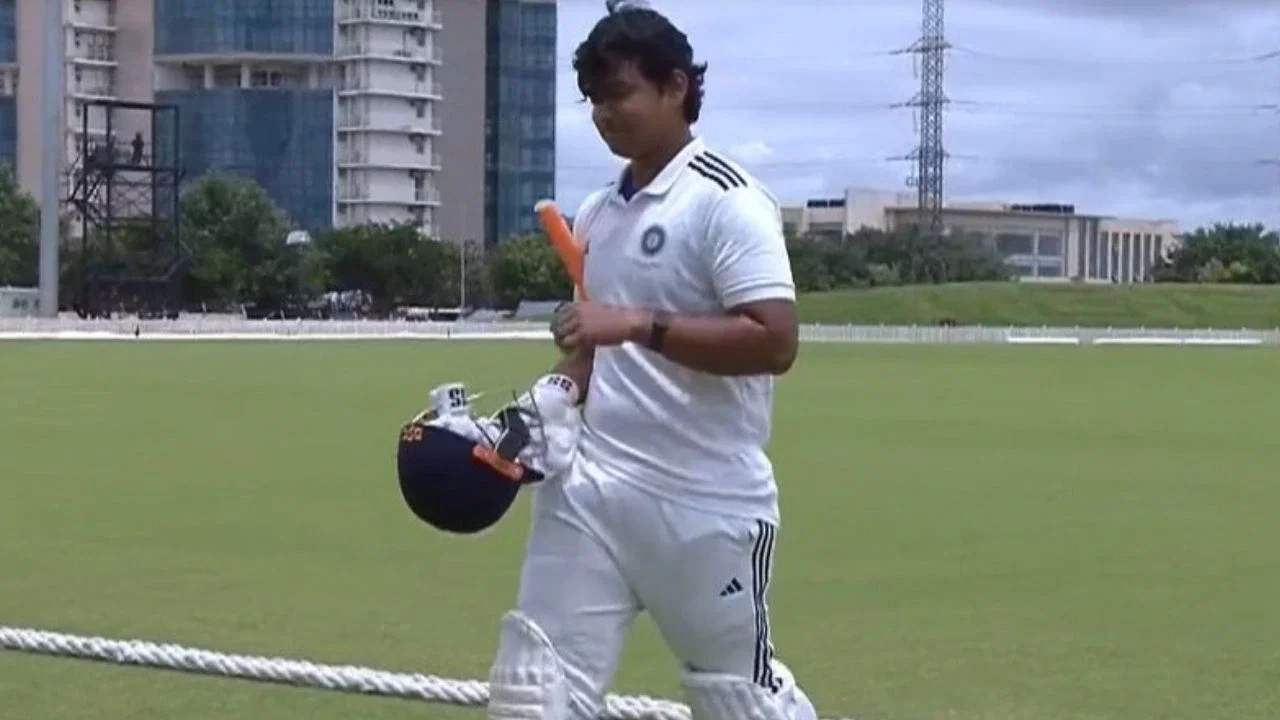
Heartbreak! Vaibhav Sooryavanshi falls 8 runs short of historic Duleep Trophy century
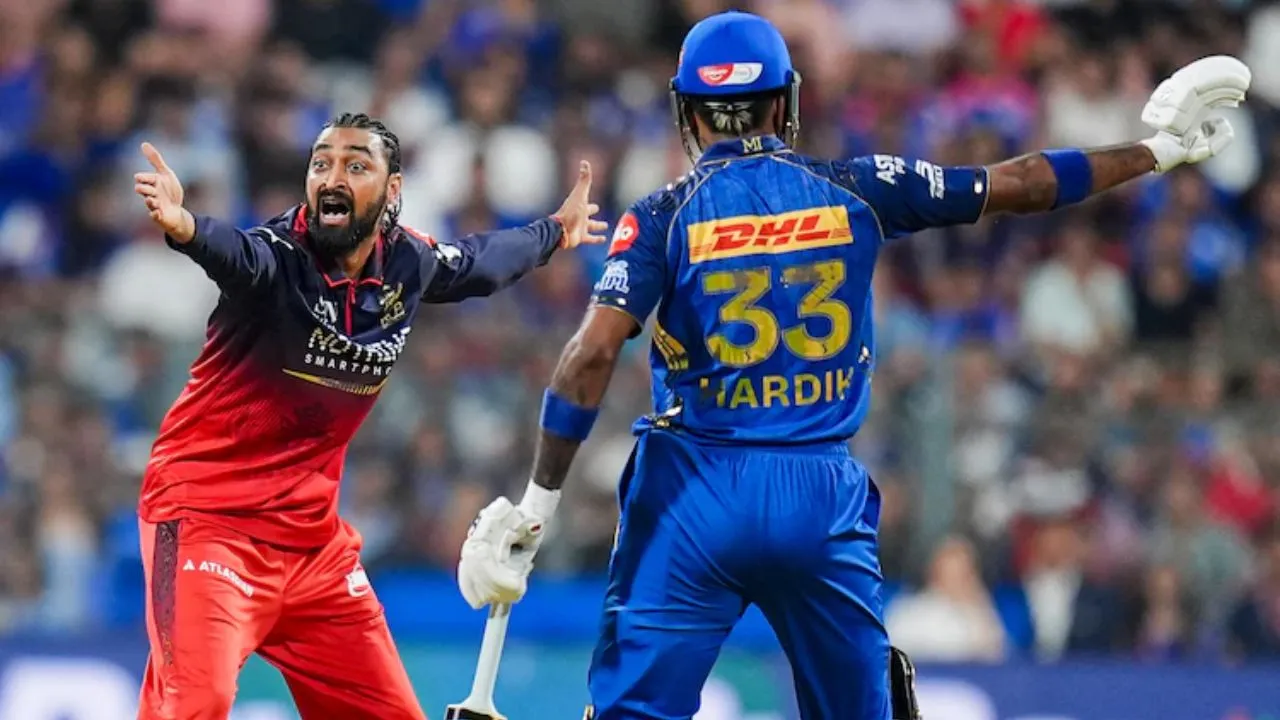
Krunal Pandya in line for India T20I return after Axar Patel’s struggles
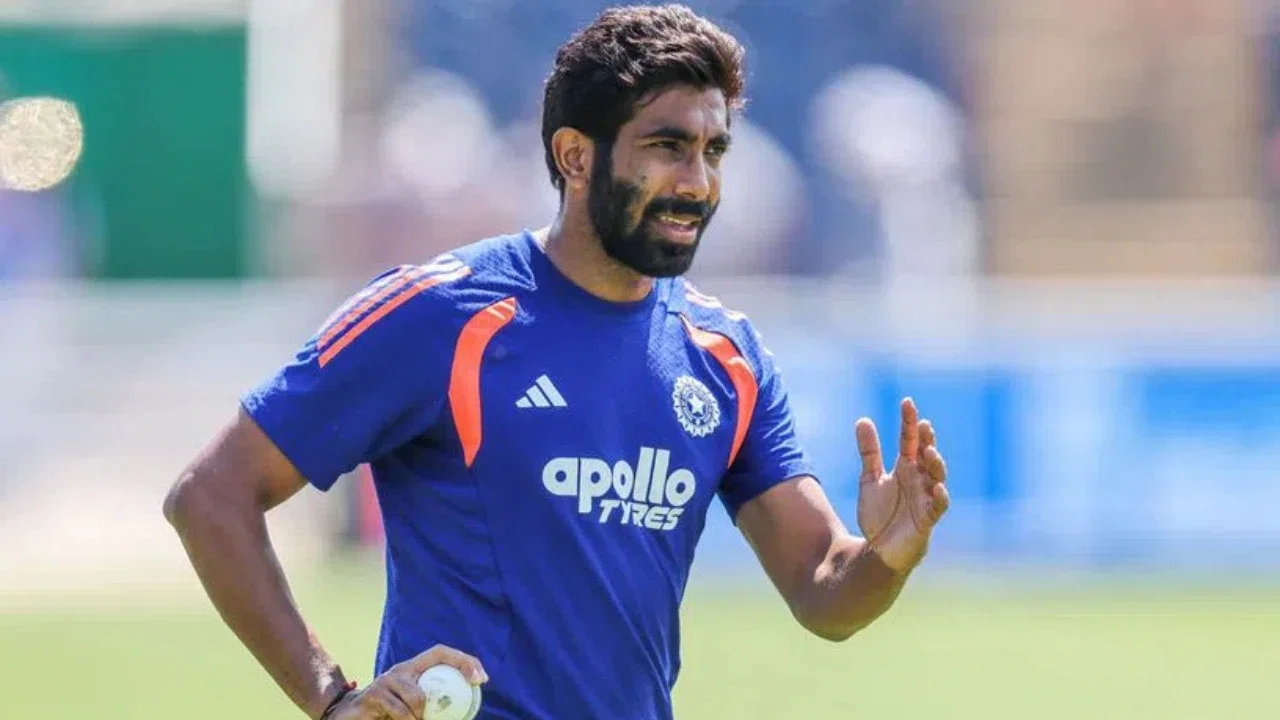
Jasprit Bumrah injury update: Pacer confirmed for Asian Games comeback
Hardik Pandya, Nitish Kumar Reddy fully fit for Afghanistan T20Is, Washington Sundar on track

“Both boards are very sincere” – Tamim Iqbal confirms India series is still on
Pakistan send Mohammad Rizwan home, probe Imam-ul-Haq, summon Mike Hesson after Lord’s Test
CSK CEO dismisses MS Dhoni ownership rumours, addresses IPL 2027 future