Babar Azam to return to first-class cricket after Pakistan’s 3-0 defeat in England
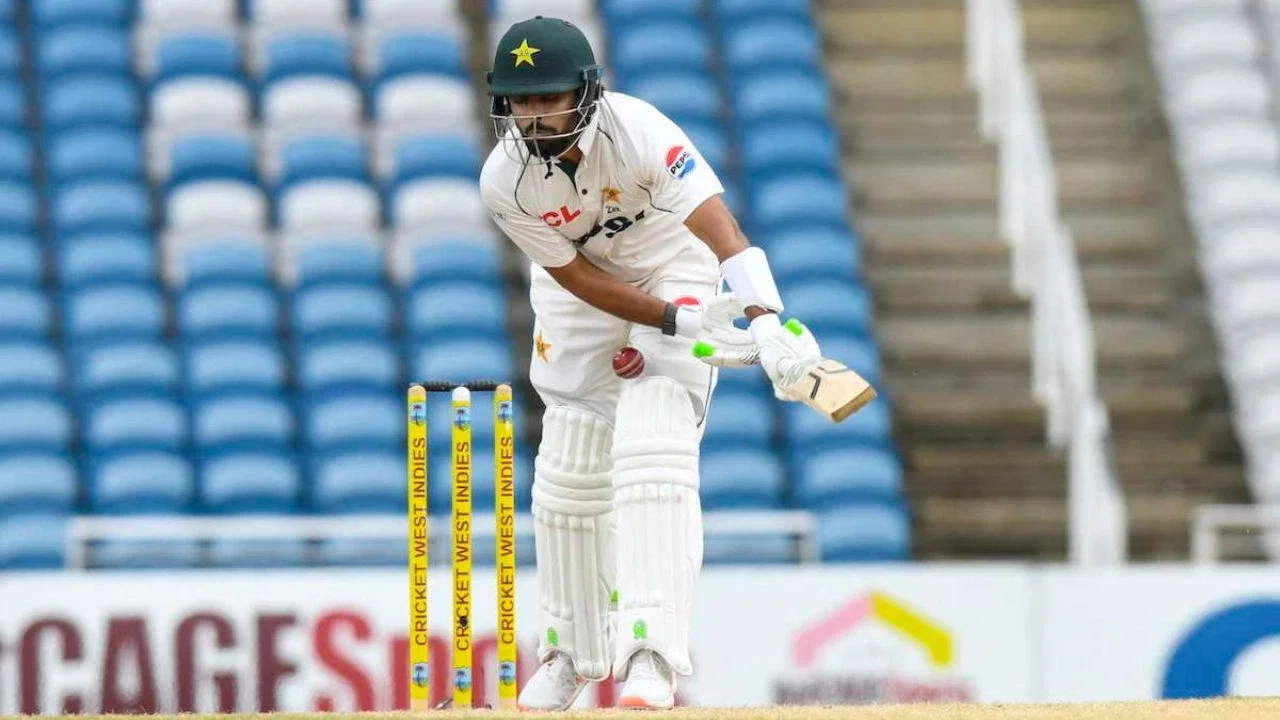
Pakistan’s Cricket Revival: Babar Azam to Reignite Domestic Red-Ball Circuit After Years Away
In an exciting development for cricket fans and analysts alike, Pakistan’s star batter and captain, Babar Azam, is set to make a highly anticipated return to the country’s domestic red-ball cricket scene for the first time since 2019. This move marks a significant step not only for Babar’s personal career but also for the Pakistan Cricket Board’s (PCB) broader strategy to strengthen the national Test team’s prospects. The prediction is that Babar’s return could serve as a catalyst for a much-needed revival in Pakistan’s Test cricket fortunes, which have faced recent challenges on the international stage.
Babar Azam Joins OGDCL in the President’s Trophy: A Strategic Move
The Pakistan Cricket Board has officially included Babar Azam as a guest player for the ongoing President’s Trophy Grade-I, representing the Oil and Gas Development Company Limited (OGDCL). This decision is part of a deliberate effort by the PCB to bring established international players back into the domestic first-class cricket framework. Such initiatives aim to elevate the standard of Pakistan’s red-ball cricket and prepare players for higher levels of international competition.
Historically, Babar’s last appearance in Pakistan’s domestic first-class cricket was in December 2019, when he led Central Punjab to triumph in the Quaid-e-Azam Trophy, defeating Northern convincingly by an innings and 16 runs in the final. His return to the domestic circuit signals a strategic move to help him regain his rhythm and confidence in the longer format, which has been a concern following recent struggles abroad.
Details of Babar Azam’s Return and Potential Debut
Farah Batool, the head of OGDCL sports, confirmed that Babar Azam would arrive in Pakistan from the UK on September 16 and would join the team the following day. His playing kit has already been ordered, reflecting the preparation and anticipation surrounding his return. Although Babar has yet to confirm his debut, the prediction is that he could feature in upcoming matches against Kingsmen Academy in Peshawar from September 18 or against Khan Research Laboratories (KRL) starting September 24.
These fixtures are crucial, as they will provide Babar with vital match practice in a competitive environment. The President’s Trophy already features several prominent Pakistan internationals, including ODI captain Shaheen Shah Afridi, who represents KRL, and T20I captain Salman Ali Agha, playing for Kingsmen Academy. Babar’s participation is expected to not only boost team morale but also serve as a litmus test for his readiness ahead of more significant international challenges.
Prediction: Babar Azam’s Impact on Pakistan’s Test Revival
The return of Babar Azam to Pakistan’s domestic first-class cricket is widely viewed as a positive prediction for the future of Pakistan’s Test cricket. Historically, Babar has been one of Pakistan’s most prolific run-scorers, with a career total of 4,771 runs in 122 Test innings at an impressive average of nearly 43. Despite this, he has not been able to convert his talent into consistent centuries, with his last Test century dating back over four years.
His recent performances have been a mixed bag. After being reappointed as Pakistan’s Test captain in July, Babar led the team to a series draw in the West Indies, scoring 196 runs across two matches and earning the Player of the Series award. However, the subsequent series in England proved challenging, with Babar managing only modest scores and struggling to find his best form. His top score in England was 76, and he has yet to rediscover the consistency needed to elevate Pakistan’s Test standings.
Understanding Pakistan’s Test Challenges and the Road Ahead
Pakistan’s current standing in international Test cricket paints a picture of a team in transition. Ranked ninth globally with 71 rating points, Pakistan finds itself at the bottom of the World Test Championship (WTC) standings. The recent series against England culminated in a heartbreaking 3-0 defeat, with the final Test at Edgbaston ending in an eight-wicket loss despite notable performances by players like Shan Masood and Rachin Razaullah.
The prediction for Pakistan’s future hinges on strategic reinforcements and improved performance in the red-ball format. Bringing senior players like Babar Azam back into domestic first-class cricket is a calculated move to build their confidence and sharpen their skills for upcoming international assignments. Such initiatives are critical as Pakistan prepares for future WTC cycles, where consistent and resilient batting will be essential to climb the rankings.
Implications for Pakistan’s Cricket Strategy
The PCB’s focus on re-integrating established players into domestic cricket reflects a broader vision to overhaul and strengthen the national team’s foundation. By providing senior players with more red-ball experience at the domestic level, the board aims to foster a culture of resilience and technical excellence. The prediction is that this approach will yield dividends in international cricket, especially in the Test arena, where patience, technique, and mental toughness are vital.
Furthermore, Babar Azam’s return to Pakistan’s domestic circuit could serve as a morale booster for younger players, inspiring a new generation to aspire to higher standards. It also signals a shift towards more strategic planning, where domestic competitions are viewed not just as talent pools but as crucial testing grounds for leadership and skill development.
Looking Forward: The Future of Pakistan’s Test Cricket
Ultimately, the prediction that Babar Azam’s return will positively influence Pakistan’s Test prospects is rooted in the understanding that sustained success in the longer format requires consistency, experience, and mental fortitude—all qualities that Babar embodies. His reintegration into domestic cricket could help him regain his rhythm, build confidence, and lead Pakistan to more competitive performances in future series.
As Pakistan continues to rebuild its Test team, the emphasis on nurturing seasoned players through domestic competitions appears to be a promising strategy. The upcoming matches in the President’s Trophy will serve as a vital testing ground for Babar Azam, with the broader hope that this move marks the beginning of a renewed era of success for Pakistan’s Test cricket—a prediction that many fans and experts are watching closely.
Conclusion: A Turning Point in Pakistan’s Cricket Journey
The return of Babar Azam to Pakistan’s domestic red-ball cricket scene is more than just a personal milestone—it’s a strategic move with the potential to reshape Pakistan’s fortunes in Test cricket. With the prediction leaning toward a positive impact, cricket enthusiasts and stakeholders are eager to see whether this reintegration will catalyze a resurgence in Pakistan’s long-form cricket performance. The coming months will reveal whether this bold step helps the team climb the rankings and restore its reputation as a formidable Test nation.
Latest News
Babar Azam to return to first-class cricket after Pakistan’s 3-0 defeat in England
England set for batting shake-up as Marcus Trescothick backs flexible approach
ICC takes action against India pacer after Women’s Asia Cup final incident
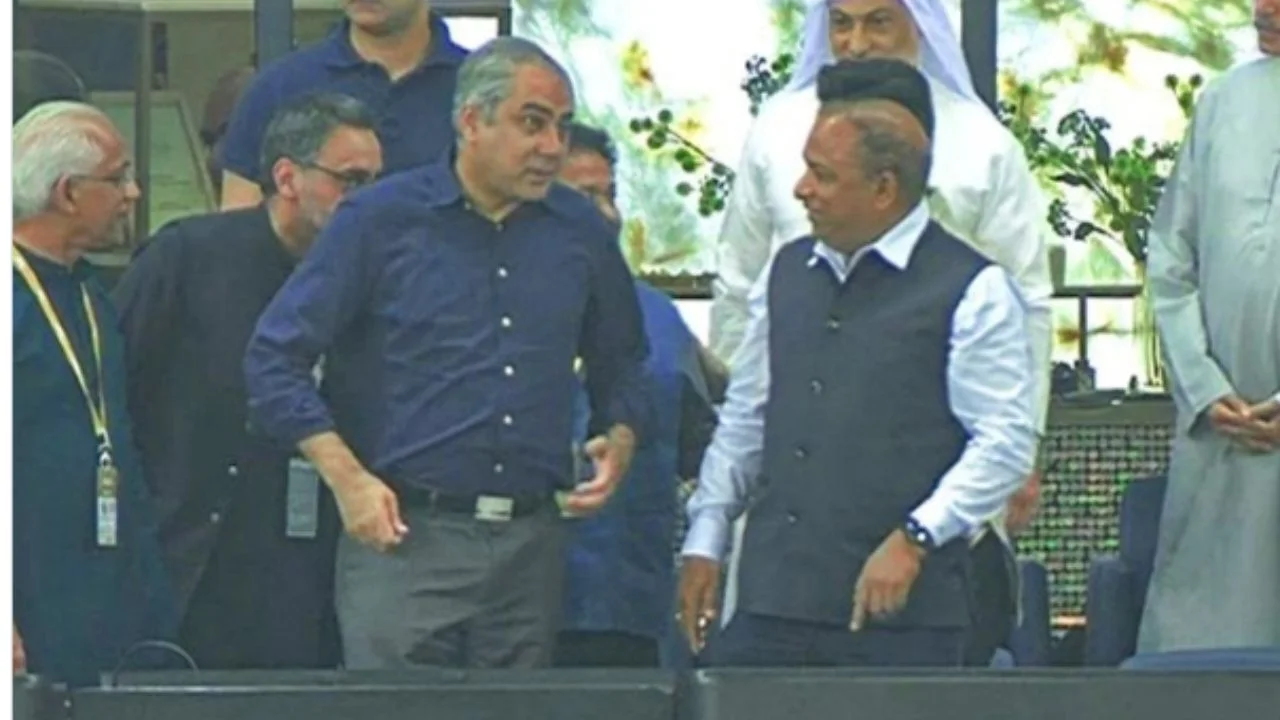
“We don’t have any regrets”: Devajit Saikia breaks silence on Mohsin Naqvi meeting

ADF vs DNG Dream11 Prediction Today Match, Dream11 Team Today, Fantasy Cricket Tips, Playing XI, Pitch Report, Injury Update- European T20 Cup 2026, Match 26
ENG vs SL Dream11 Prediction Today Match, Dream11 Team Today, Fantasy Cricket Tips, Playing XI, Pitch Report, Injury Update- Sri Lanka Tour of England 2026, 1st T20I
Tirumalasetti Suman questions Sanju Samson’s place in Indian team
Varun Chakravarthy ruled out of Afghanistan T20Is, BCCI CoE under scanner
Mohammad Rizwan finally breaks silence on the NCCIA probe
Sanjiv Goenka admits communication issues, hints at LSG coaching change ahead of IPL 2027
“You can’t bowl spin”: Varun Chakravarthy reveals India’s biggest batting strength
Mithun Manhas, VVS Laxman hail India Women after record 8th Asia Cup title
Mohsin Naqvi unlikely to get another term as ACC chairman after Asia Cup trophy controversy
FIR filed against Mohammed Shami’s brother after woman makes serious allegations