

Bangladesh cricket hit by ball-tampering allegations over vaseline use
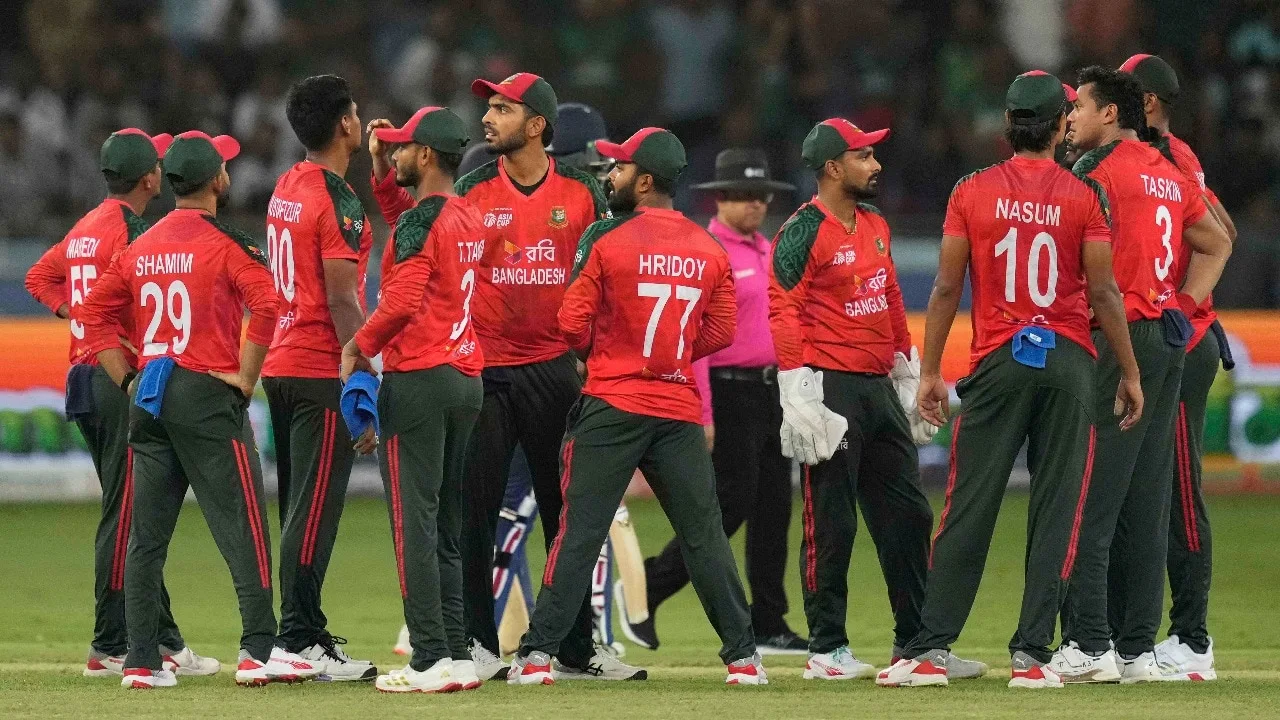
Vaseline Ball-Tampering Allegations Cast Shadow Over Bangladesh’s First NCL Second XI Final
Bangladesh’s inaugural National Cricket League (NCL) Second XI competition has drawn attention for reasons beyond its title race. Allegations that Khulna Division players used Vaseline to influence the ball’s condition have prompted questions about fair play, match officiating and the need for clear procedures in domestic cricket.
The claims surfaced after Dhaka Division Second XI defeated Khulna by an innings and 35 runs in the three-day final, played at the National Cricket Ground in Purbachal from November 11 to 13. No formal complaint has been confirmed, and the Bangladesh Cricket Board (BCB) has not announced an investigation or disciplinary action. The allegations therefore remain unverified.
What the Dhaka official alleged
According to a report by Cricbuzz, an unnamed Dhaka Division official alleged that Khulna players applied unflavoured Vaseline to the ball while handling it. The official claimed players kept the substance on their fingers—or in their hair—and transferred it to the ball during play.
The source said the alleged method made it difficult to identify who had touched the ball with the substance. The official also argued that Vaseline could affect the ball’s weight and movement through the air, potentially helping it skid or reverse swing. Those comments represent the official’s account, not a finding by match authorities.
Ball condition is a significant factor in cricket. As a ball becomes older and its surface wears, bowlers may attempt to produce reverse swing, in which the ball moves in the air in a direction that can differ from conventional swing. However, deliberately applying an unauthorised substance to alter the ball’s condition would raise serious concerns under the sport’s playing rules. Any assessment of what occurred would require evidence and a formal review.
Questions over reporting and umpire response
The allegations have also focused attention on how concerns were handled during the competition. People associated with the NCL reportedly said that objections had been raised verbally, while the Dhaka official quoted by Cricbuzz claimed the matter was brought to the umpires’ attention more than once.
But a verbal concern is not the same as a formal complaint, and the distinction matters when a governing body considers whether to investigate. Cricbuzz reported that the BCB’s umpires committee had not received a formal complaint about the alleged Vaseline use. In the absence of a confirmed report or publicly announced inquiry, there has been no official determination that ball-tampering took place.
The case highlights a practical challenge for officials: allegations involving a ball’s condition can be difficult to assess after the fact. Consistent reporting procedures, clear communication between teams and umpires, and careful documentation during a match can help ensure that concerns are dealt with transparently. Whether the BCB takes further steps in this instance remains unclear.
Why the allegations matter beyond one final
The NCL Second XI provides competitive cricket for players developing within Bangladesh’s domestic system. That makes confidence in match oversight especially important. Young cricketers learn not only from results but also from the standards applied on the field. If teams believe that complaints are ignored—or that rules are enforced inconsistently—it can undermine trust in the competition.
There is also a wider question about whether similar concerns could arise in senior domestic cricket. Reports have suggested that some people involved in the competition worry the alleged practice may not be limited to Second XI matches. That possibility has not been established, but it may encourage closer attention to ball-management procedures across domestic tournaments.
For now, the appropriate distinction is between allegation and proof. No player or team has been officially found guilty in connection with the claims described in the report. A formal complaint, if submitted, would give the relevant authorities a basis to assess the evidence and decide whether any action is warranted.
Dhaka’s dominant performance secures the inaugural title
The controversy followed a decisive result on the field. Khulna were bowled out for 137 in their first innings, with Siam Hossain Dipu making a patient 59 from 114 balls. Kayes Rahman Labib added an unbeaten 36, but Dhaka’s bowlers restricted the rest of the batting line-up.
Easin Hossain led the attack with five wickets for 47 runs, while Maruf Mridha claimed two for 10. Their efforts gave Dhaka an early advantage and set up the platform for a substantial first-innings lead.
Dhaka declared at 324 for eight, with Ahrar Amin Pean producing the innings’ standout contribution: 159. His knock gave Dhaka a commanding position, even as Khulna’s Rabbiul Islam Robi took five wickets for 121 runs.
Khulna needed a major response in their second innings to extend the contest, but were dismissed for 152. Jawad Royen offered resistance with 76, yet Dhaka maintained control. Easin took another three wickets for 47, while Ahrar returned figures of three for 25 and Siam claimed three for 19.
The innings-and-35-run victory gave Dhaka Division Second XI the first NCL Second XI title. The result was built on a strong first-innings bowling display, Ahrar’s defining century and a sustained effort from the attack in Khulna’s second innings.
What happens next?
The final’s scorecard is clear, but the off-field questions remain unresolved. Until the BCB or its relevant committees confirm that a complaint has been received or an inquiry is under way, the Vaseline claims should be treated as allegations rather than established fact. Any future review would need to determine what was reported, what officials observed and whether the available evidence supports further action.
For Bangladesh’s domestic cricket, the broader lesson is the importance of transparent match management. Clear channels for raising concerns, prompt communication from officials and consistent application of the rules can protect both the integrity of the game and the reputations of the players involved. As scrutiny of the inaugural competition continues, the prediction for future NCL tournaments is that teams and officials will face greater pressure to ensure ball-condition concerns are documented and addressed through formal procedures.
Latest News

SA vs BAN Playing 11 Today, Live Streaming, Pitch & Weather: South Africa tour of Bangladesh 2026, 2nd Test

AUS vs ENG Playing 11 Today, Live Streaming, Pitch & Weather: England tour of Australia 2026, 2nd T20I

Blair Tickner ruled out of 2nd Test vs India, replacement named

Tim Paine and Justin Langer face fresh questions over Australia’s ball-tampering scandal

India tour of Bangladesh gets fresh hope as BCB confirms talks with BCCI

Tom Latham opens up on soft ball problem and saliva ban after draw against India

Ajinkya Rahane slams Tilak Varma for publicly criticising Shahbaz Ahmed after India A’s defeat

ICC to introduce IPL-style bat checks in international cricket

“Smiling Laughing doesn’t happen”: R Ashwin’s dig at India’s approach after draw vs New Zealand

“Not good enough for Test cricket”: Scott Styris, Sunil Gavaskar slam Wellington pitch

Dodda Ganesh declares India ‘out of WTC final race’ after Wellington Test draw

Ajinkya Rahane criticises Shubman Gill for abusing Akash Deep in 1st Test vs New Zealand

‘Why so many boundary riders?’ Dinesh Karthik questions Shubman Gill’s captaincy after Wellington Test

“I just want to enjoy my life”: Yash Dayal reflects on his return to cricket


