Bangladesh squad for Afghanistan Test announced; Najmul Hossain Shanto to lead
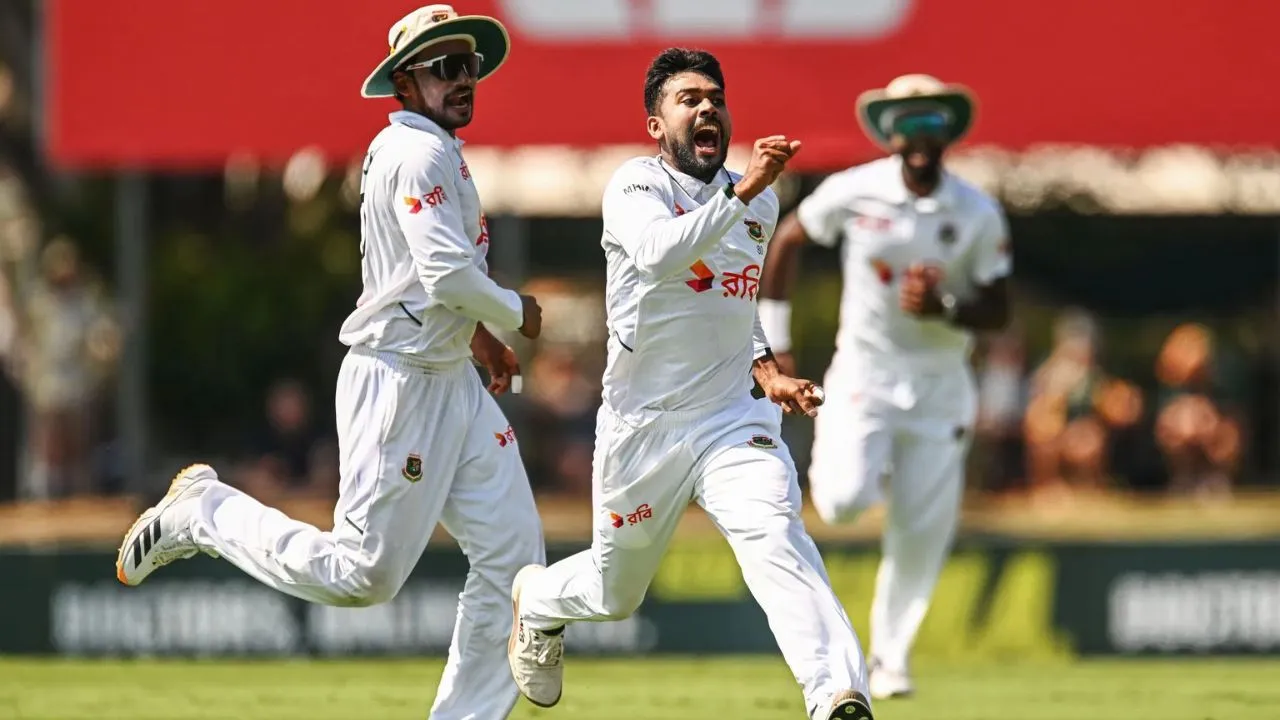
Bangladesh Cricket Announces Squad for One-Off Test Against Afghanistan: Najmul Hossain Shanto to Continue as Captain
In a significant development for Bangladesh cricket, the Bangladesh Cricket Board (BCB) has finalized its squad for the upcoming one-off Test match against Afghanistan, scheduled to be held in the United Arab Emirates from October 9, 2026. The announcement marks an important milestone in Bangladesh’s cricketing journey, highlighting strategic decisions about leadership, player selection, and future prospects amid a busy international cricket calendar.
Najmul Hossain Shanto Maintains Leadership Role in Bangladesh’s Test Squad
Leading the charge is Najmul Hossain Shanto, who will continue his role as the captain of Bangladesh’s Test team. His appointment underscores the confidence the selectors have in his leadership abilities and batting prowess. Shanto, a promising young talent, has been pivotal in Bangladesh’s recent Test performances, demonstrating resilience and maturity beyond his years.
The decision to retain Shanto as captain reflects Bangladesh’s strategic focus on stability and continuity in their Test setup. With the team preparing to face Afghanistan—a side known for its emerging talent and competitive spirit—the leadership of a young and dynamic captain like Shanto could be crucial in navigating the challenging UAE conditions.
Squad Composition: A Mix of Experience and Youth
The selected 15-man squad showcases a balanced blend of seasoned veterans and promising young players. This combination aims to provide both stability and fresh energy to the team, ensuring readiness for the unique demands of the UAE pitches and conditions.
Key Batting Choices
Notable inclusions include experienced campaigners Mushfiqur Rahim, Litton Kumer Das, Tawhid Hridoy, and Jaker Ali Anik. These players bring a wealth of experience and proven performance in domestic and international cricket. Additionally, Shadman Islam, Soumya Sarkar, and Tanzid Hasan offer further depth to Bangladesh’s batting order, giving the team multiple options to adapt to different match scenarios.
Spin and Pace Department
Bangladesh’s spin arsenal will be led by Mehidy Hasan Miraz and Taijul Islam, both of whom possess extensive experience in subcontinental and UAE conditions. Their strategic importance cannot be overstated, especially considering the importance of spin in UAE pitches.
The pace attack comprises Hasan Mahmud, Syed Khaled Ahmed, Ebadot Hossain Chowdhury, and Shoriful Islam. These fast bowlers are expected to exploit any movement and bounce available, providing Bangladesh with aggressive options to challenge the Afghan batsmen.
In addition, Bangladesh has named three travelling reserves—Nayeem Hasan, Musfik Hasan, and Iqbal Hossain Emon. These players will travel to the UAE as backup options and are expected to step in if required, ensuring squad depth and resilience during the multi-format series.
Context and Significance of the Match
The upcoming Test against Afghanistan is more than just a solitary fixture; it marks the beginning of an intense multi-format period for both teams in the UAE during October and November. For Bangladesh, this match serves as a critical step in their ongoing development as a Test-playing nation, especially as they seek consistency in overseas conditions.
For Afghanistan, the series provides an opportunity to showcase their emerging talent on the international stage, bolster their ranking, and gain valuable experience against a seasoned cricketing nation like Bangladesh. The UAE’s neutral pitches and climate conditions make it an ideal venue for both teams to test their skills and strategies.
Emerging Concerns: Akbar Ali’s Ongoing Absence and Future Prospects
While the squad announcement has garnered attention for its strategic composition, questions remain about the future of young wicketkeeper-batsman Akbar Ali. Despite his notable achievements—including captaining Bangladesh to their first men’s Under-19 World Cup title in 2020—Akbar has been conspicuously absent from recent selection calls.
Recent Form and Domestic Performance
Akbar Ali, aged 24, has shown flashes of promise in domestic cricket. His recent form, however, has been a point of concern. In the 2025-26 Dhaka Premier Division, he scored 217 runs across nine innings with an average of 24.11, a modest return by professional standards. Nonetheless, he has demonstrated resilience by scoring 121 for North Zone in the Bangladesh Cricket League and contributing to Rangpur Division’s domestic double victory.
Leadership Credentials and Early Promising Career
What makes Akbar’s current situation more intriguing is his leadership track record. He led Bangladesh’s Under-19 team to their historic first World Cup victory in 2020 and has captained the Rising Stars team in the Asia Cup. Such accomplishments highlight his potential as a future leader for Bangladesh cricket.
Selection Dilemmas and Controversies
The absence of Akbar Ali from recent touring squads, particularly during an intensive program involving 63 players sent on Emerging, High Performance, and A-team tours to Australia and South Africa, has raised eyebrows. Despite the assurances from the Bangladesh Cricket Board’s chief selector, Habibul Bashar, that Akbar remains within the national cricketing plans, his exclusion from overseas assignments suggests a shift in focus.
Adding complexity to the narrative are reports of internal disagreements involving Akbar Ali. As a Cricketers Welfare Association of Bangladesh (CWAB) executive committee member, he has been involved in disputes related to players’ issues, which some believe may have influenced his selection prospects. Tensions surrounding his role in advocating for players’ rights and his outspoken stance have reportedly created friction within the selection process.
Implications for His Future in Bangladeshi Cricket
While Akbar has dismissed claims of conspiracy or bias, the ongoing snub has undeniably affected his confidence and career trajectory. His situation underscores the challenges young players face in balancing leadership ambitions, form, and navigating team politics. The question remains whether Akbar Ali can rebound and secure a place in future squads, or if his current struggles are indicative of deeper systemic issues within the national setup.
Looking Ahead: Predictions and the Road Forward
As Bangladesh prepares for this pivotal Test against Afghanistan, several key predictions can be made about the team’s prospects and future trajectory. The retention of Najmul Hossain Shanto as captain suggests a focus on stability and long-term development. The squad’s composition indicates a strategic mix designed to maximize experience while fostering emerging talent.
In terms of gameplay, Bangladesh’s success will heavily rely on their spin department’s ability to adapt to UAE conditions. The experienced duo of Mehidy Hasan Miraz and Taijul Islam will be under pressure to deliver match-winning spells. Meanwhile, the pace bowlers will need to exploit any movement and bounce to keep Afghanistan’s batsmen on their toes.
From a broader perspective, this series could serve as a turning point for Bangladesh’s Test ambitions. A victory or a competitive performance would reinforce their standing as a rising cricketing nation capable of challenging top-tier teams in diverse conditions.
Future Insights: The Role of Emerging Players and Leadership
Looking beyond this series, the focus will also be on how young talents like Tanzid Hasan, Tawhid Hridoy, and Jaker Ali Anik develop under pressure. Simultaneously, the ongoing situation with Akbar Ali highlights the importance of nurturing not just talent but also leadership and team cohesion.
Moreover, the predictions surrounding the upcoming series also point to the need for Bangladesh to invest in domestic cricket, improve talent identification, and foster an environment where young players can thrive without distractions or internal conflicts. Such efforts are essential if Bangladesh aims to establish itself as a consistent force in international cricket across all formats.
Conclusion
The announcement of Bangladesh’s squad for the one-off Test against Afghanistan marks an important chapter in their cricketing journey. With Najmul Hossain Shanto leading the team, a carefully balanced blend of experience and youth, and a focus on strategic gameplay, Bangladesh aims to make a statement on the international stage. Simultaneously, ongoing debates about players like Akbar Ali reveal the complexities behind team selection and future planning.
As the cricketing world watches this series unfold, predictions point toward a competitive contest that could influence Bangladesh’s cricketing future. Whether this will be a catalyst for growth or a moment of introspection depends on how effectively the team adapts, learns, and evolves in this challenging environment.
In the larger context, Bangladesh’s journey underscores the importance of leadership, talent development, and unity within a cricketing nation striving for excellence. The predictions are clear: this series is not just about the immediate result but about shaping the future of Bangladeshi cricket.
Latest News
India vs World XI match planned for BCCI centenary celebrations in 2028
Vaibhav Sooryavanshi sparks fresh Australia vs England conflict ahead of The Ashes 2027
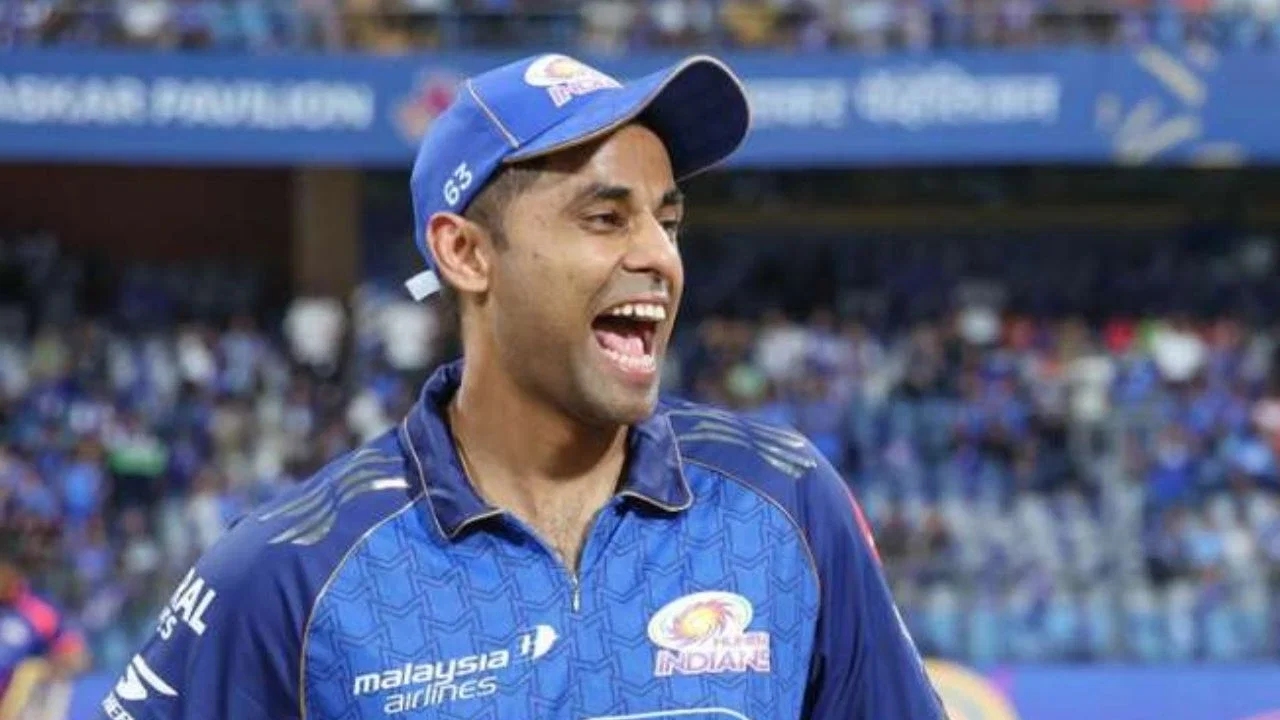
Suryakumar Yadav set to part ways with RISE Worldwide amid Mumbai Indians speculation
Bangladesh squad for Afghanistan Test announced; Najmul Hossain Shanto to lead
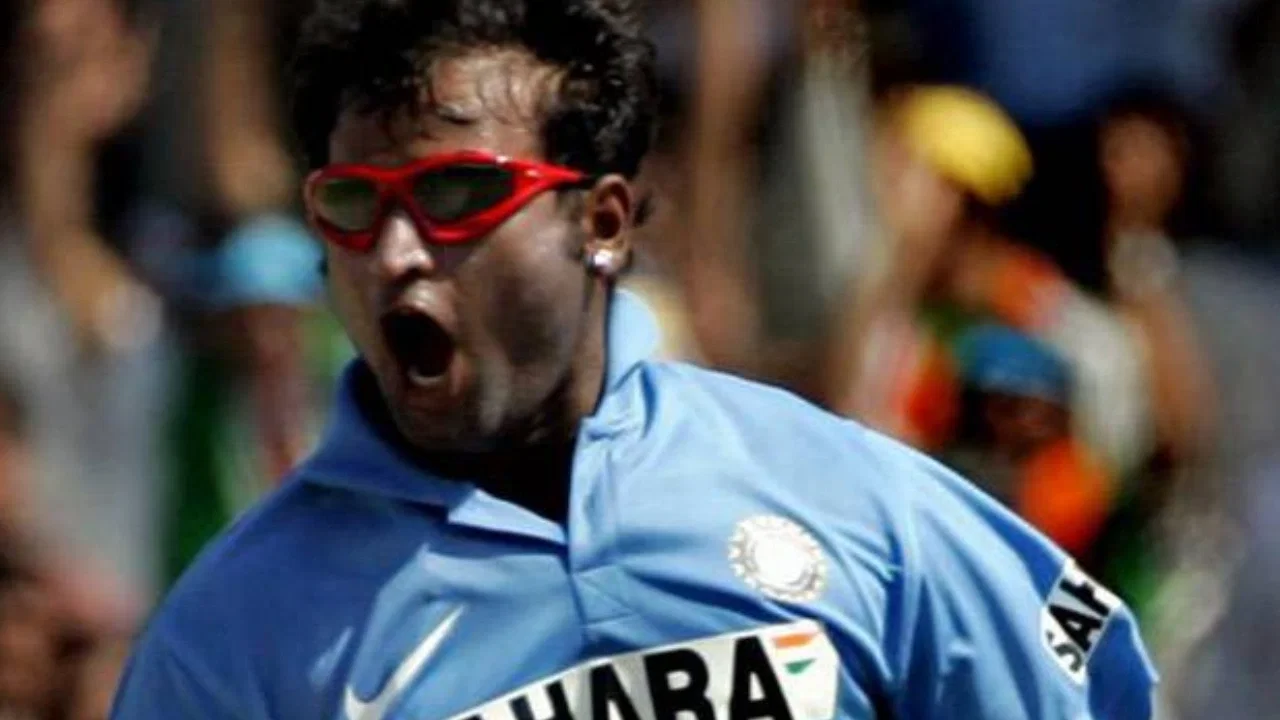
Ramesh Powar likely to be appointed head of new BCCI junior selection panel
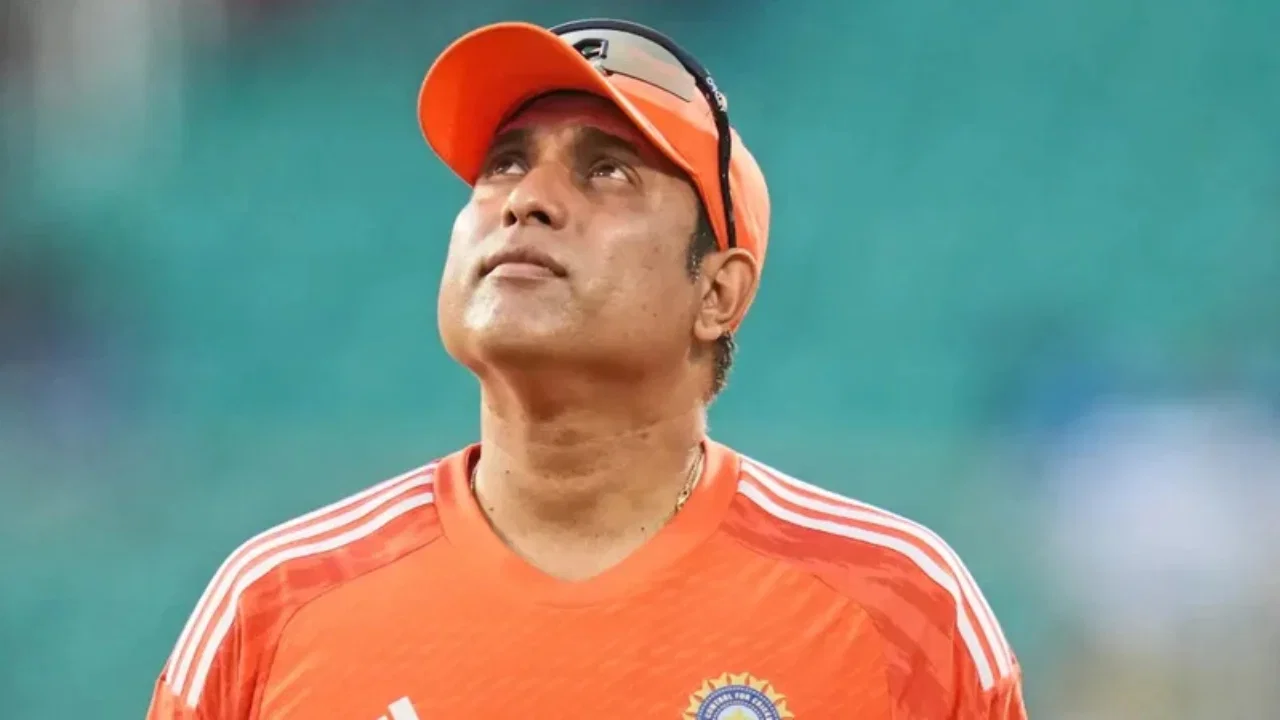
BCCI discussed making VVS Laxman chief selector alongside CoE head role

Rashid Khan calls MS Dhoni the best finisher of all time

‘Random Guy’ to India cap: Kris Srikkanth questions Yash Thakur’s selection
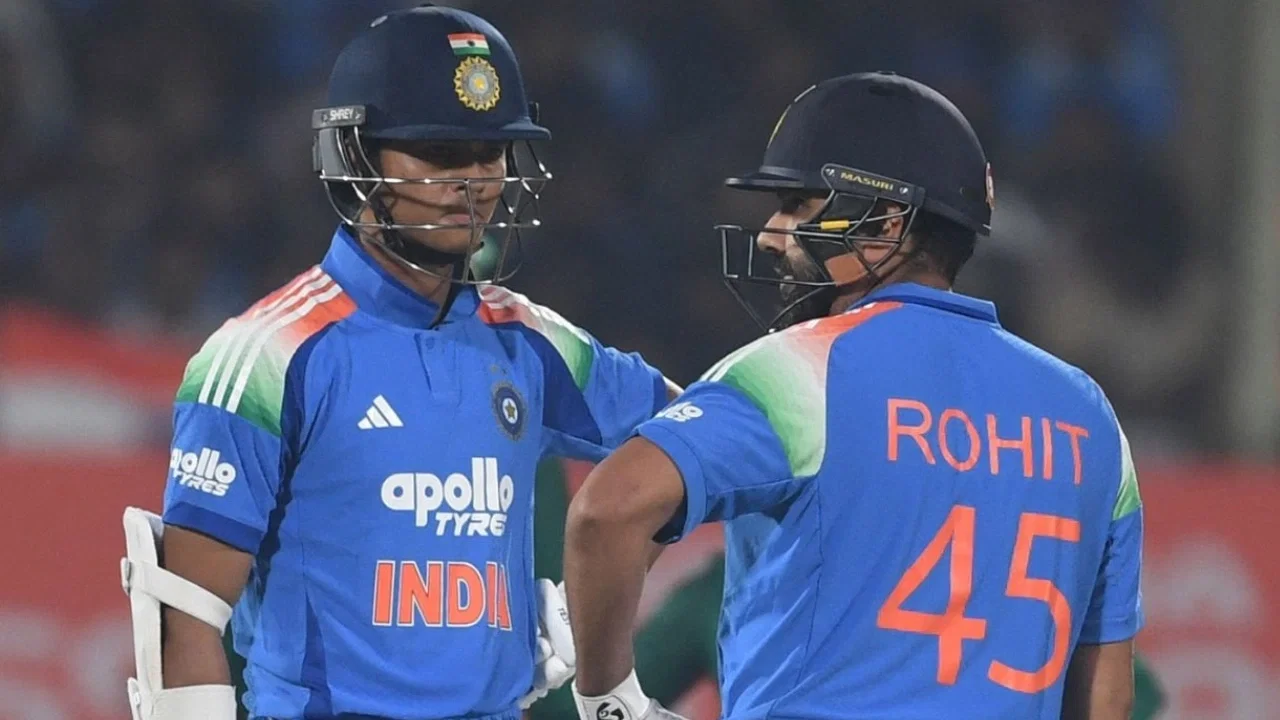
Yashasvi Jaiswal over Rohit Sharma? Ex-cricketer suggests Team India what to do
From Rohit Sharma to VVS Laxman: Key reasons behind Ajit Agarkar’s exit as chief selector
Mohammad Rizwan seeks Jay Shah-led ICC’s support to counter NCCIA probe

IPL 2027 Auction: BCCI set to bring mini-auction back to India after 3 years
India storm into semi-finals as waterlogging creates fresh Asian Games 2026 concern
MCA makes 4 key requests to BCCI at AGM, demands U-17 girls tournament