BCB breaks silence on Nigar Sultana’s handshake snub with Harmanpreet Kaur in Women’s Asia Cup 2026
Bangladesh Cricket Board Responds to Nigar Sultana Handshake Controversy Amid Growing Scrutiny of Captaincy
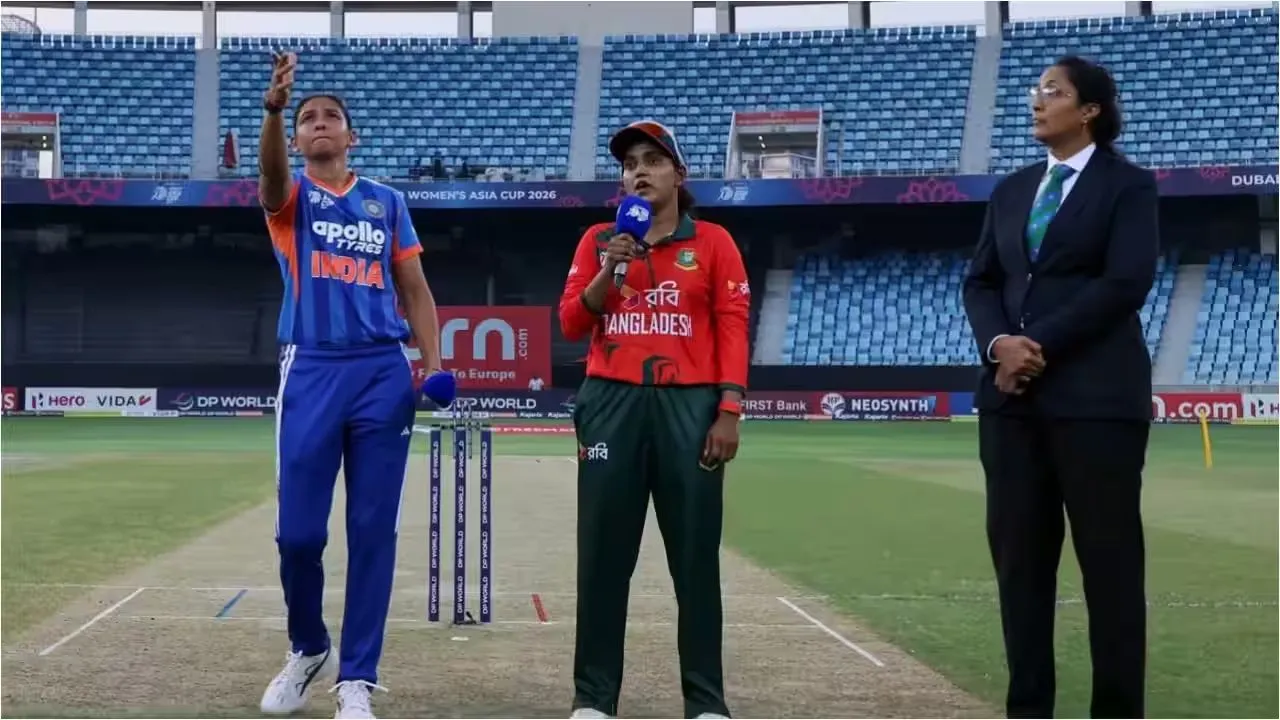
The recent incident during the Women’s Asia Cup semi-final, where Bangladesh captain Nigar Sultana chose not to shake hands with Indian captain Harmanpreet Kaur during the toss, has sparked widespread discussion within cricket circles and among fans. While the Bangladesh Cricket Board (BCB) has publicly distanced itself from her decision, this event has ignited a broader debate about leadership, sportsmanship, and diplomatic relations in cricket, especially in the context of Bangladesh-India sporting ties.
Understanding the Incident: A Personal Decision or a Political Statement?
The handshake controversy unfolded ahead of the semi-final match, a fixture that brought together two cricketing nations with a complex history—marked by friendly rivalry yet tinged with political tensions. Nigar Sultana’s refusal to engage in the customary handshake with Harmanpreet Kaur was seen by many as a departure from the usual sportsmanship norms. However, the Bangladesh Cricket Board quickly clarified that the decision was entirely her own, emphasizing that it did not reflect any official stance or policy from the governing body.
Rafiqul Islam Babu, chairman of the BCB women’s committee, stated: “Nigar Sultana made that decision herself, and the board had no role in it. Our focus remains on fostering good relations with all countries through the spirit of cricket. We do not endorse actions that could create divisions or negative perceptions.”
This stance underscores the BCB’s commitment to maintaining a diplomatic and sportsmanlike approach, despite the controversy. The incident, however, raises questions about whether individual decisions by players could inadvertently impact national team image and leadership assessments.
Implications for Nigar Sultana’s Captaincy and Future Leadership
The handshake incident has cast a shadow over Nigar Sultana’s leadership as Bangladesh’s captain. In cricket, captaincy is not only about tactical decisions but also about embodying the spirit of the game and representing the nation with dignity. The event prompted the Bangladesh Cricket Board to review her role, especially as her leadership has already come under scrutiny following recent performances.
While some critics point to the incident as a sign of possible disciplinary issues, the BCB has indicated they will wait until after the upcoming Asian Games to evaluate her future as captain. The decision to delay any verdict reflects a cautious approach, recognizing that the team’s overall performance and development are more critical at this stage.
Rafiqul Islam Babu elaborated: “We have discussed her conduct with the team management and Tamim Iqbal, the newly appointed BCB president. Our priority is to see how the team performs at the Asian Games before making any final decisions about leadership or addressing any misconduct allegations.”
Assessing Bangladesh’s Performance and Road Ahead
The recent Asia Cup campaign has highlighted some of the challenges faced by the Bangladesh women’s cricket team. Despite showing flashes of promise, the team has struggled against stronger opponents, often falling short in crucial moments. The semi-final loss to India exposed vulnerabilities, particularly in fielding, batting consistency, and strategic execution.
Bangladesh’s performance in the tournament was marked by a series of costly errors, especially in the fielding department. Notably, dropped catches and missed run-out opportunities allowed India’s openers to capitalize, with Shafali Verma’s explosive innings setting the tone for the hosts. The Indian team posted a competitive total of 149/6, which Bangladesh was unable to chase down, ultimately falling short by 40 runs.
In the match, Bangladesh’s batting lineup showed resilience, with all top six batters reaching double figures. However, their slow scoring rate and lack of momentum led to a batting collapse, culminating in a total of 109 all out. Deepti Sharma’s three-wicket haul and Bangladesh’s inability to build partnerships proved decisive.
Future Prospects: Building a More Competitive Team
The Bangladesh Cricket Board’s focus now shifts to strengthening the team for upcoming tournaments, notably the 2026 Asian Games. The board’s leadership, including newly appointed President Tamim Iqbal, is committed to fostering long-term development strategies. This includes talent identification, infrastructure improvements, and enhancing the team’s tactical acumen.
Addressing shortcomings such as fielding discipline, aggressive batting, and leadership maturity is key to transforming Bangladesh into a more formidable force in women’s cricket. The board’s internal review will consider player conduct, team dynamics, and performance metrics before making any decisive changes to captaincy or coaching staff.
The Broader Context: Cricket as a Diplomatic Tool
This incident underscores how sport, especially cricket in South Asia, often transcends the boundaries of the game itself. While the Bangladesh-India rivalry is generally friendly, moments like these reveal underlying tensions that can surface unexpectedly. The BCB’s official stance aims to prevent cricket from becoming a platform for political or personal disputes, emphasizing sportsmanship and mutual respect.
In recent years, Indian cricket has often maintained a no-handshake policy with Pakistan players amid political tensions, a stance that differs from the camaraderie usually seen in bilateral matches. The Bangladesh incident may serve as a reminder of how individual player actions can influence diplomatic perceptions, urging teams to uphold the highest standards of sportsmanship regardless of circumstances.
Prediction and the Road Forward
Looking ahead, the prediction for Bangladesh women’s cricket is cautiously optimistic. The team possesses talented players and a passionate fan base, but consistent improvements are necessary to compete against top-tier teams like India, Australia, and England. The upcoming Asian Games will be a pivotal platform for assessing progress and setting the trajectory for future success.
Experts suggest that with targeted investments in training, strategic planning, and leadership development, Bangladesh can transform into a more competitive side within the next few years. The focus should be on nurturing young talent, instilling a professional attitude, and fostering a culture of sportsmanship and unity.
Conclusion: Balancing Leadership, Performance, and Diplomacy
The Nigar Sultana handshake controversy has highlighted the delicate balance between individual actions and national representation in cricket. While the Bangladesh Cricket Board’s official response emphasizes unity and sportsmanship, the incident has prompted introspection on leadership qualities and team discipline.
As Bangladesh prepares for the next phase of international competitions, the key prediction remains that sustained development, strategic planning, and a commitment to good sportsmanship will be crucial in elevating the team’s standing. The upcoming Asian Games will not only serve as a performance benchmark but also as a test of Bangladesh’s ability to navigate the complex interplay of sport, diplomacy, and leadership in the modern cricketing landscape.
Ultimately, cricket continues to be a powerful tool for fostering friendship and understanding among nations. The focus for Bangladesh now is on building a resilient, disciplined, and united team, capable of facing future challenges with dignity and determination.
Latest News

Top 10 highest run-chases in T20 cricket history, ft. West Indies’ Ranchi win vs India

Aaryavir Sehwag and Anvay Dravid set to make headlines at U19 Asia Cup 2026

Longest ducks in Test cricket history ft. Nic Maddinson, Shoaib Akhtar

ECB to offer 39 central contracts to England players after Ben Stokes, Mark Wood’s retirement

Steve Smith surpasses Steve Waugh in all-time Test run-scorers’ list

Shane Watson identifies Gautam Gambhir’s biggest problem as India struggle for consistency

Is Bhuvneshwar Kumar in India’s 2027 World Cup plans? Ajinkya Rahane makes revelation

BCCI’s big ₹127 Crore move after injury crisis raises concerns over Team India

Parthiv Patel reveals RCB ignored his Jasprit Bumrah recommendation in IPL 2014 Auction

“Never spoke ill of any faith”: Irfan Pathan hits back at fake news using his name

Nic Maddinson bags 33-ball duck on Test comeback, disappoints George Bailey

Imran Tahir predicts 2027 ICC ODI World Cup Semi-Finalists, snubs India for title

Australia create unwanted history with first all-30-plus Test XI

Ravindra Jadeja returns to Ranji Trophy as Saurashtra announce squad