BCCI and CAB take strict action as 65 cricketers face bans over age discrepancies
India’s Cricket Authorities Crack Down on Age Fraud: A Closer Look at the BCCI and CAB’s Recent Actions and Predictions for the Future
In recent years, the integrity of youth cricket in India has been a hot topic, with governing bodies intensifying efforts to eliminate age-cheating and preserve fair competition. The Board of Control for Cricket in India (BCCI) and the Cricket Association of Bengal (CAB) have taken significant steps to combat age discrepancies among young cricketers, leading to high-profile bans and a renewed focus on documentation verification. This comprehensive crackdown not only aims to maintain the sanctity of youth cricket but also sets a precedent that could influence domestic and international cricket governance for years to come.
The BCCI’s Zero-Tolerance Policy on Age Fraud
The BCCI has historically maintained a strict stance against age fraud, recognizing the potential for manipulation to give certain players an unfair advantage in age-group competitions. Age fraud, involving the falsification or manipulation of documents such as Aadhaar cards, birth certificates, and other official records, undermines the credibility of youth tournaments, hampers talent identification, and can distort the competitive landscape.
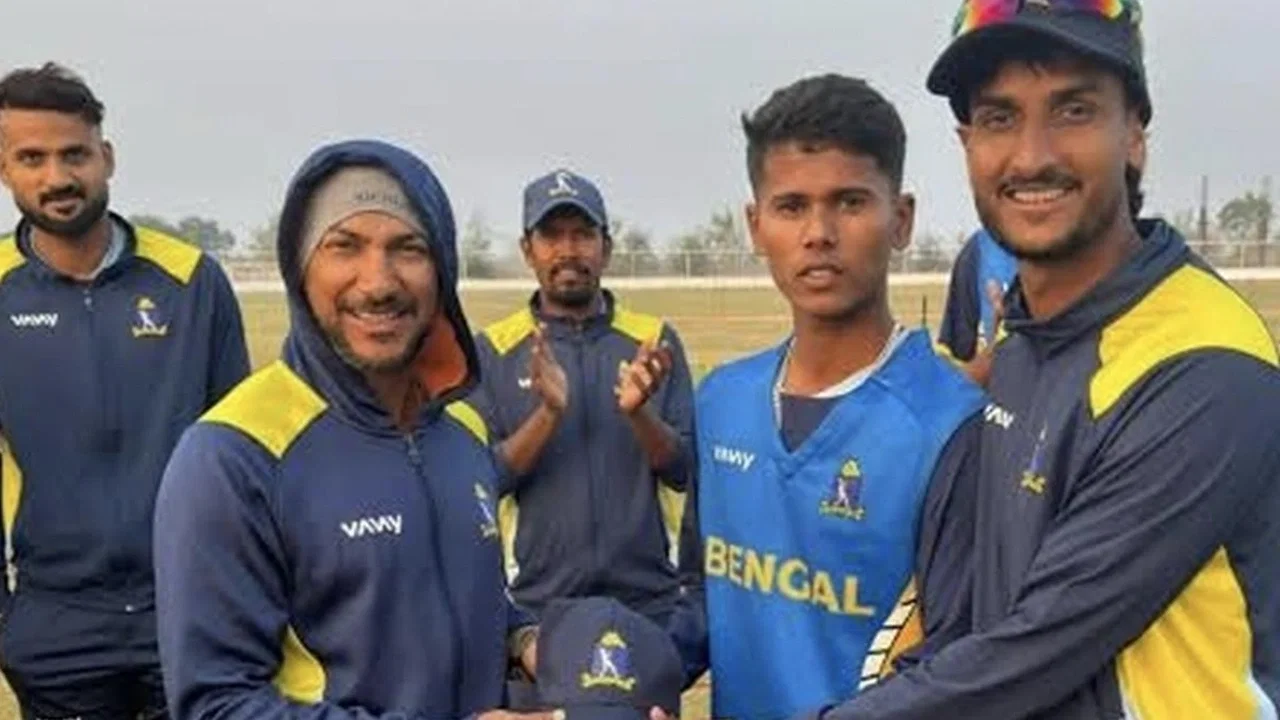
Recently, this commitment was exemplified by the suspension of Rohit Yadav, a talented young cricketer from Bengal and a member of the India U-19 National Cricket Team. Rohit Yadav was found to have multiple dates of birth listed on his Aadhaar card, raising questions about his eligibility. This incident prompted a broader investigation by the CAB, which uncovered evidence of widespread discrepancies among other players.
Massive Age Verification Drive Unveils 65 Cases of Discrepancy
Following Rohit Yadav’s case, the Cricket Association of Bengal launched an extensive age verification process, scrutinizing records of players across various age groups. The results were staggering: a total of 65 cricketers were found to have significant age discrepancies, rendering them ineligible for participation in domestic cricket tournaments scheduled for the 2026–27 and 2027–28 seasons.
Among these players, Ravi Kumar, a former India U-19 World Cup winner, and Rohit Yadav are notable. Ravi Kumar, who played a crucial role in India’s triumph at the 2022 U-19 World Cup in the West Indies—where he took four wickets in the final—was found to have a major age discrepancy affecting his domestic career from the 2021–22 season through the 2025–26 season. Similarly, Rohit Yadav’s manipulation of his date of birth led to a ban of 27 months, effectively sidelining him from all competitive cricket during that period.
Impact of Age Discrepancies on Cricket Development and Fair Play
The implications of age fraud extend beyond individual careers; they threaten the integrity of the entire cricket development ecosystem. When players manipulate their ages, it skews talent identification processes, potentially depriving deserving younger athletes of recognition and opportunities. Furthermore, it undermines the credibility of tournaments that serve as stepping stones to higher levels of competition, such as the Indian Premier League (IPL) and the national team selections.
The BCCI’s rigorous approach is a prediction of a more transparent and accountable future for Indian cricket, emphasizing clean competition and merit-based selection. By enforcing strict penalties—such as bans of up to two years for those found guilty—the governing body aims to serve as a deterrent for potential age fraudsters and foster a culture of honesty among young cricketers.
Details of the Banned Players and Their Discrepancies
The list of 65 cricketers includes players with varying degrees of age discrepancies, with some cases revealing discrepancies exceeding nine years. Arun Kumar Chaurasiya holds the record for the largest age discrepancy, with a difference of 115 months (over 9.5 years), which is a clear indication of systemic issues that need addressing at grassroots levels.
Other notable cases include Mahipal Yadav with a 97-month discrepancy and Prabhat Maurya with a 57-month difference. Several players, such as Amrit Raj Upadhyay, Dilshad Khan, and Kunal Kumar, have discrepancies ranging from 12 to 48 months. These figures highlight the magnitude of the problem and the necessity for continuous, rigorous screening processes.
Why Did the BCCI and CAB Take Such a Hard Line?
The motivation behind the BCCI and CAB’s strict stance is rooted in their commitment to uphold the integrity of Indian cricket. Age fraud, if unchecked, can lead to unfair advantages in youth tournaments, skewing the talent pipeline and potentially damaging the reputation of Indian cricket on the world stage. By enforcing these measures now, they are predicting a future where honesty and fairness are prioritized, ensuring that the most talented and deserving players progress through the ranks based on merit.
Moreover, these actions are aligned with global cricket standards, where governing bodies like the International Cricket Council (ICC) are also emphasizing transparency and anti-corruption measures. The BCCI’s proactive approach is a prediction that such integrity measures will become the norm worldwide, setting a model for other cricket boards to follow.
The Future of Age Verification and Talent Identification in Indian Cricket
Looking ahead, the BCCI and CAB are expected to continue refining their age verification processes, incorporating advanced technologies and data analytics to detect discrepancies more effectively. This could include biometric verification, cross-referencing records across multiple government databases, and deploying artificial intelligence tools for pattern recognition.
Additionally, there is a prediction that grassroots initiatives will receive increased funding and support to educate young athletes, parents, and coaches about the importance of honesty and the long-term benefits of fair play. Such measures aim to reduce the incentive for age manipulation and promote a culture of integrity from the earliest stages of a player’s career.
Implications for Domestic and International Cricket
The BCCI’s crackdown is not only a statement about maintaining domestic cricket standards but also a prediction of how Indian cricket as a whole will evolve. By ensuring that only eligible players compete, the board is safeguarding the credibility of upcoming international tournaments involving Indian youth players.
Furthermore, this move could influence other cricketing nations to adopt similar zero-tolerance policies, fostering a global environment where fairness is non-negotiable. Such harmonization could improve the quality and integrity of international youth competitions, ultimately benefiting the sport’s global development.
Conclusion: Moving Towards a Transparent and Fair Cricket Ecosystem
The recent actions by the BCCI and CAB underscore their unwavering commitment to rooting out age fraud and promoting a transparent cricketing environment. The bans imposed on 65 players serve as a powerful reminder that cheating in youth cricket carries serious consequences, and that the future of Indian cricket depends on nurturing genuine talent.
As prediction, these stringent measures are likely to lead to a more honest competitive landscape, with increased trust among players, coaches, and fans. The focus will shift from age manipulation to skill development, teamwork, and consistent performance—elements that truly define the spirit of cricket.
With continuous innovation in verification processes and a strong emphasis on integrity, Indian cricket is poised to set new standards for fair play and excellence. The path forward involves not just catching cheats but fostering a culture where honesty and meritocracy thrive, ensuring the sport’s long-term growth and global respect.
Latest News
Mohammed Shami set to join elite Indian list with 100th First-Class appearance
Lhuan-dre Pretorius sets new record, becomes youngest centurion in T20Is
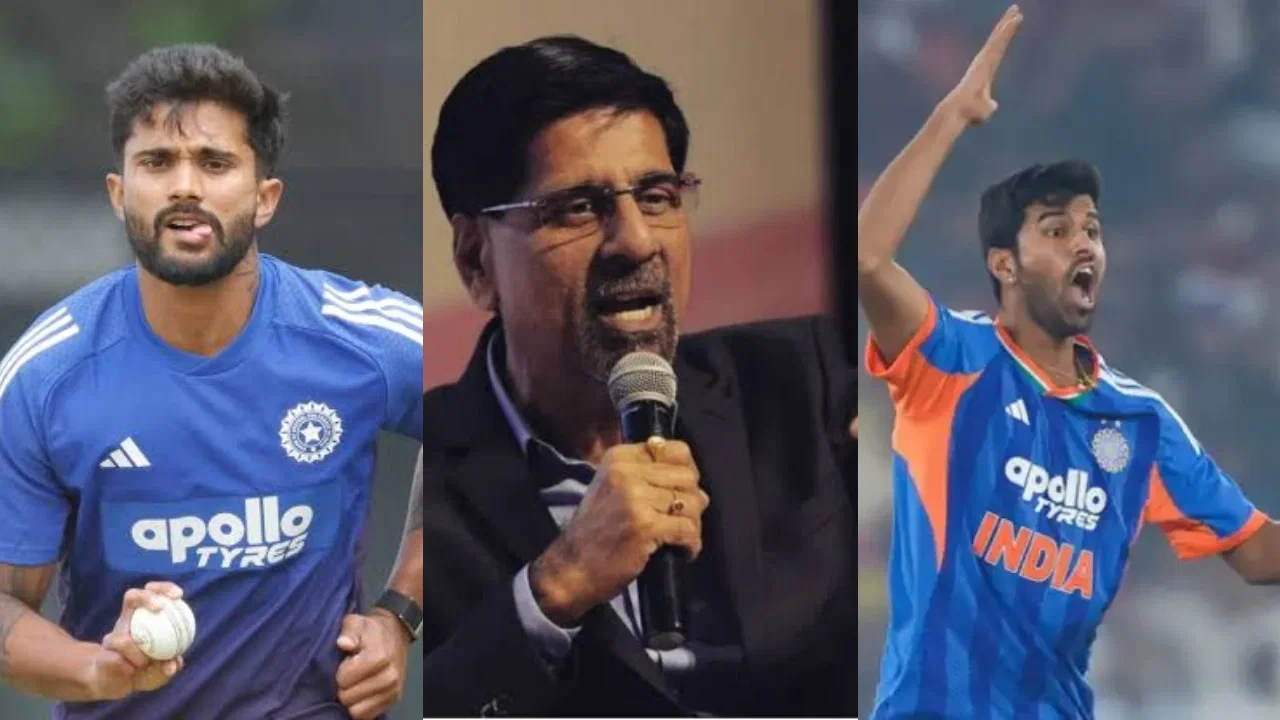
Kris Srikkanth raises fitness concerns over Washington Sundar and Nitish Kumar Reddy
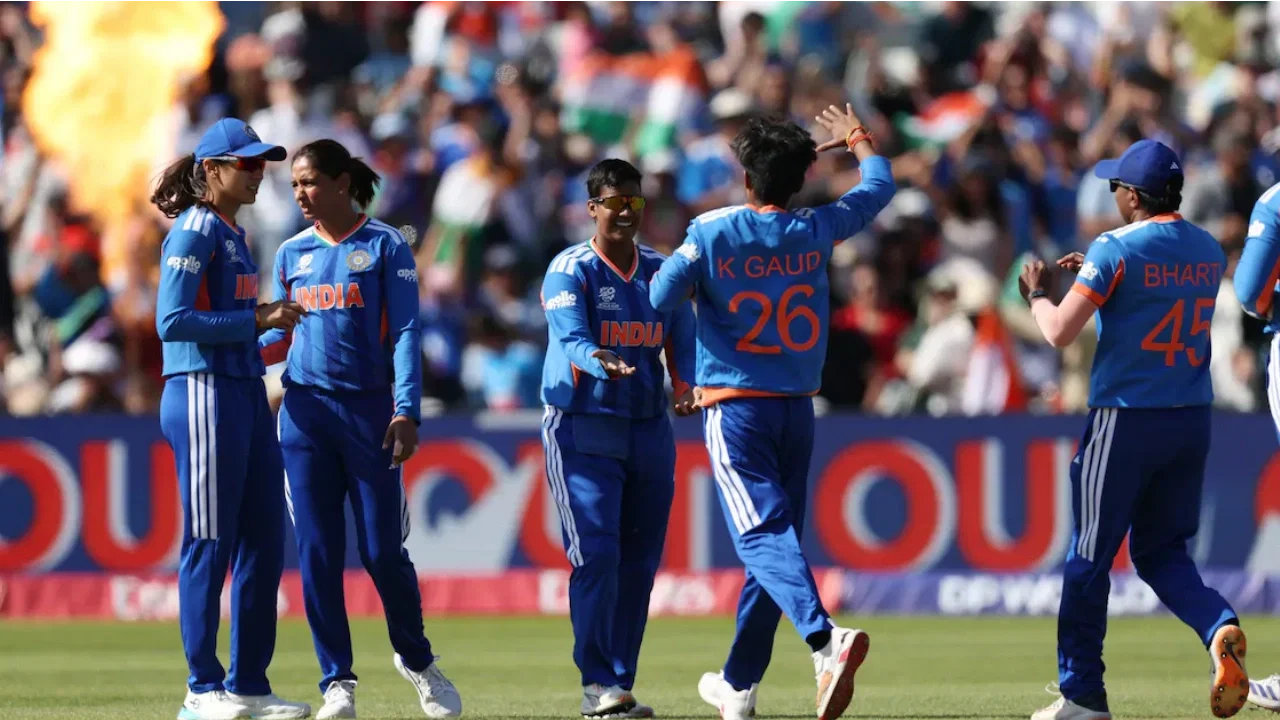
Deepti Sharma reveals India’s mindset ahead of high-voltage Pakistan clash
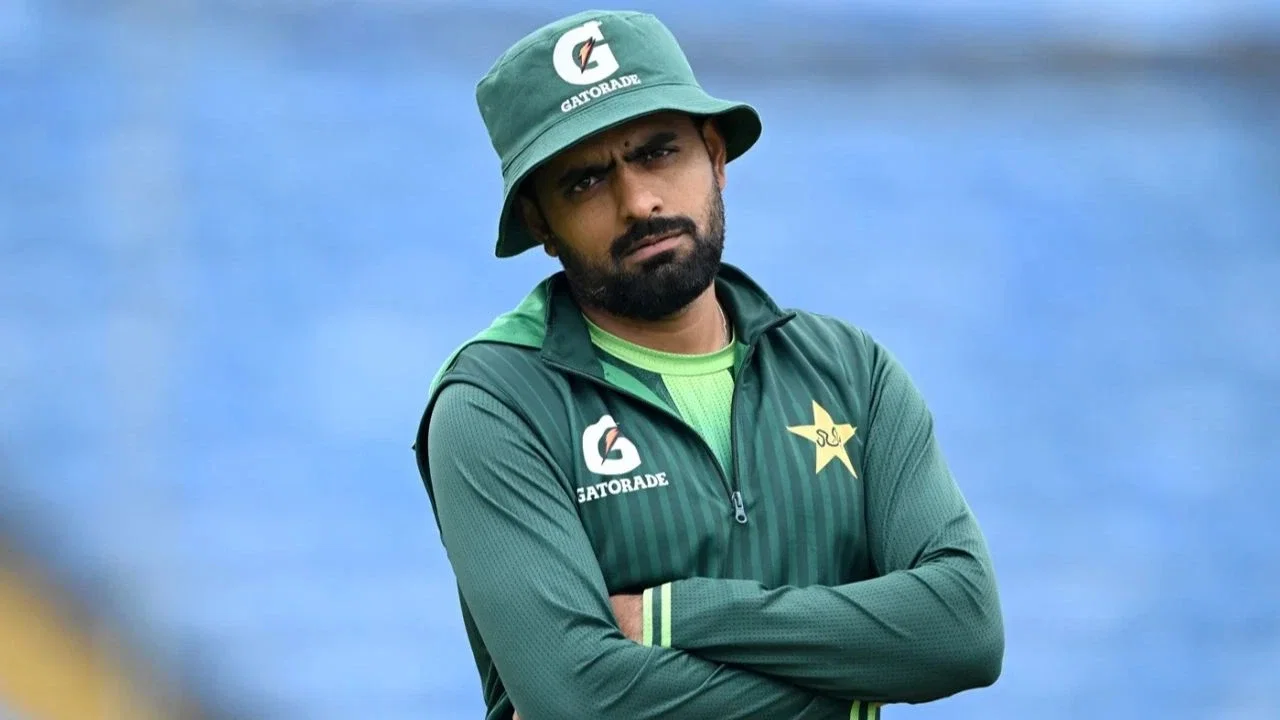
“Should have been sacked”: Ex-Pakistan captain questions why Babar Azam was spared after Lord’s Test
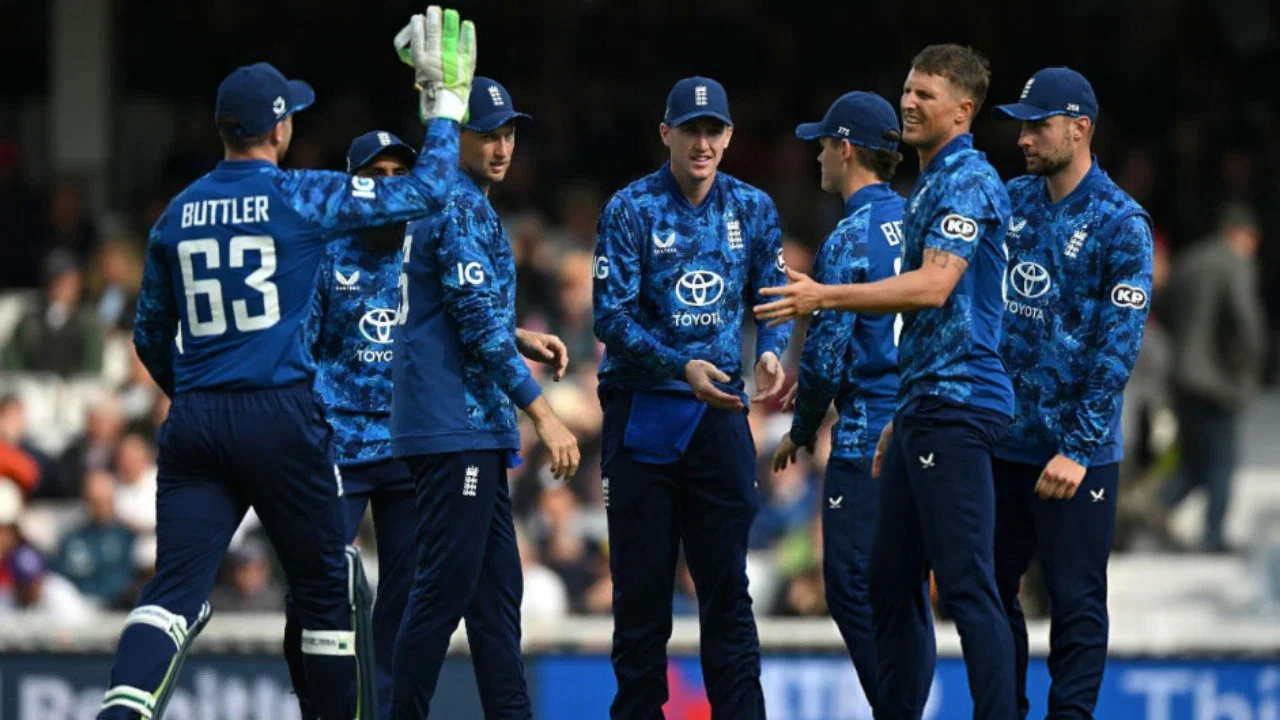
England ODI, T20I squads for Sri Lanka series named, Aneurin Donald called-up; Phil Salt, Jacob Bethell OUT
England leave Brydon Carse out again amid Derby nightclub investigation
Thala for a reason? Sri Lanka’s 7 T20I captains since 2021
WATCH: Jonny Bairstow hurts own teammate in private area during County Championship
DNG vs ADF Dream11 Prediction Today Match, Dream11 Team Today, Fantasy Cricket Tips, Playing XI, Pitch Report, Injury Update- European T20 Cup 2026, Match 15
BCCI and CAB take strict action as 65 cricketers face bans over age discrepancies
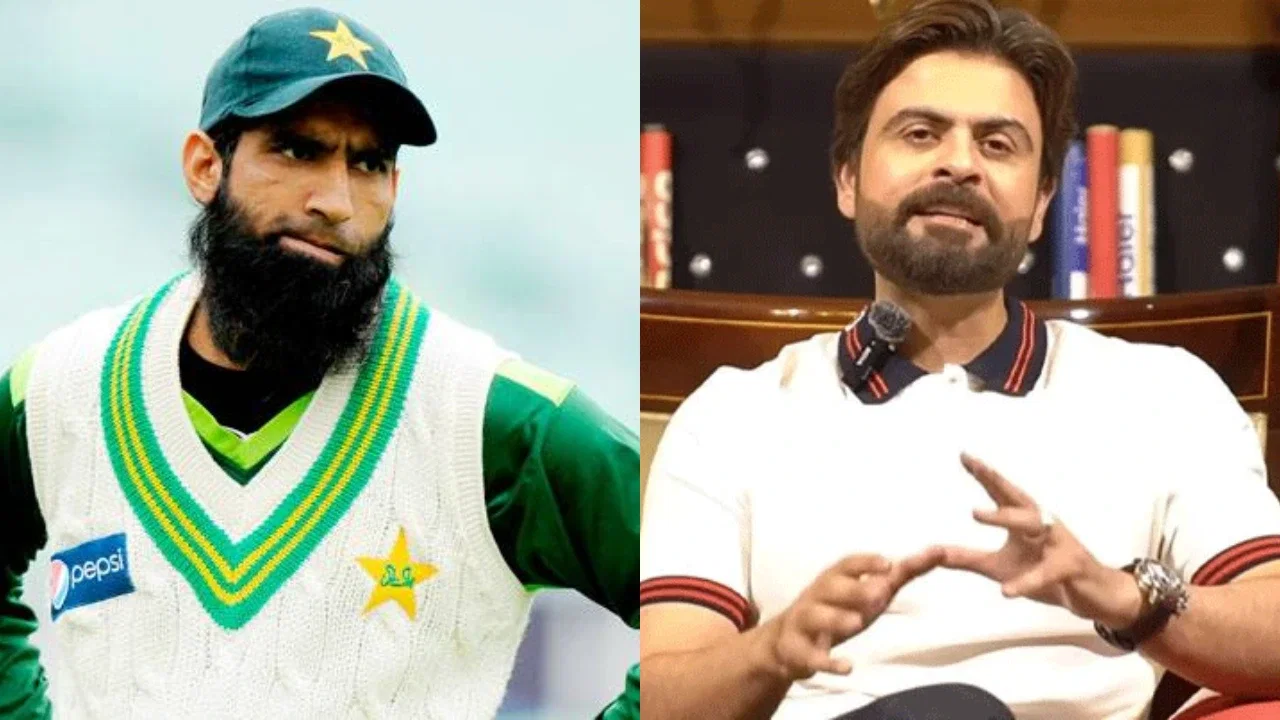
Ahmed Shehzad and Mohammad Yousuf offer contrasting views on Pakistan’s cricket crisis
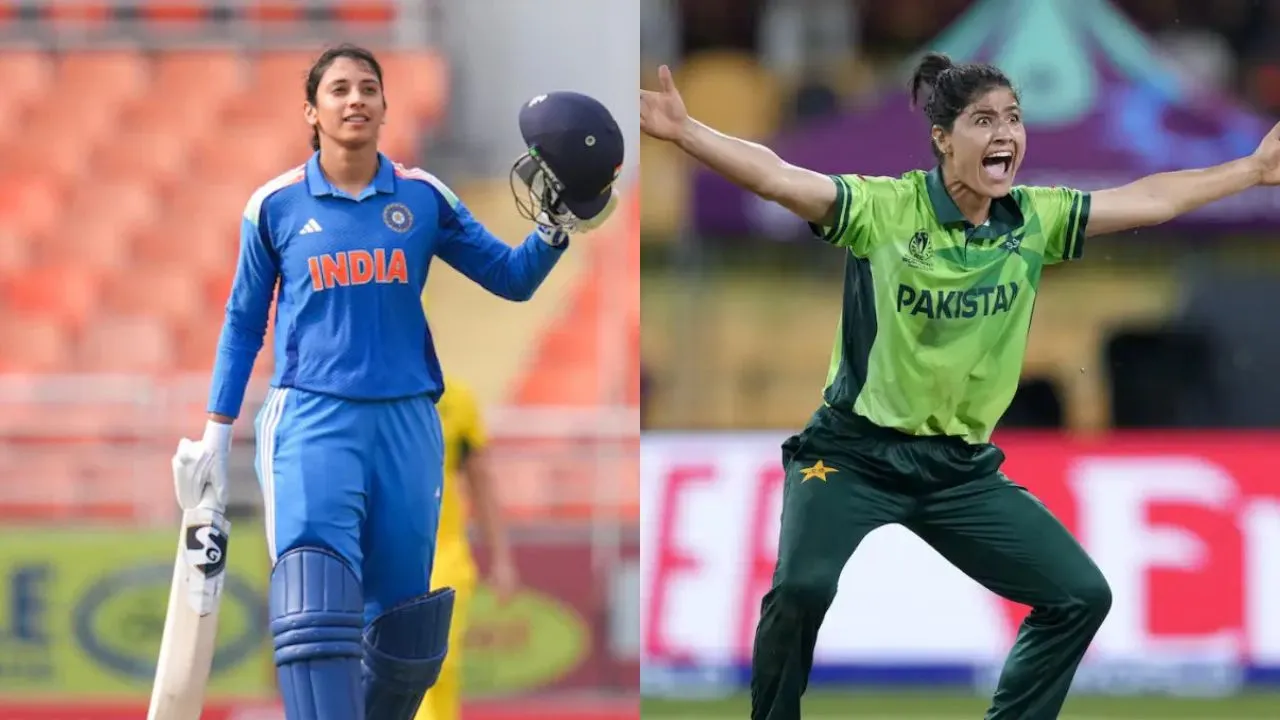
INDW vs PAKW, Playing 11 Today, Live Streaming, Pitch Report & Weather: India Women vs Pakistan Women, Women’s Asia Cup 2026
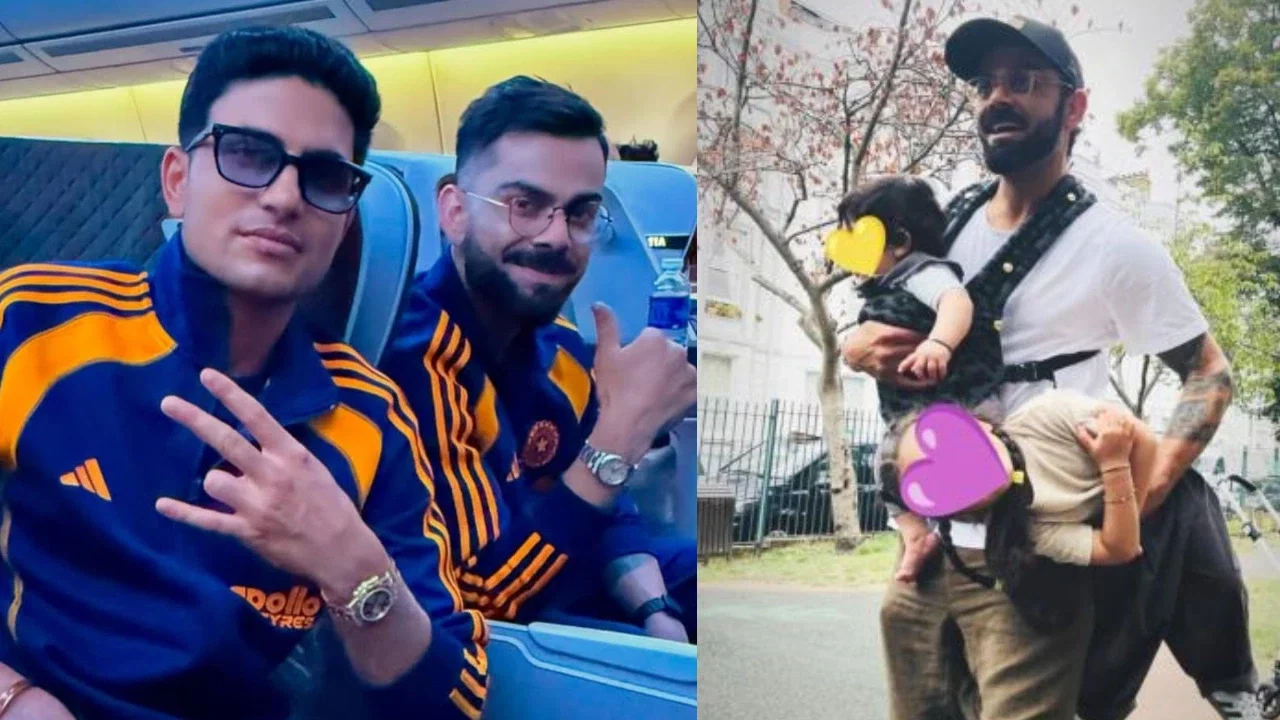
Shubman Gill reacts after viral reel calls him Akaay Kohli’s ‘uncle’, comment goes viral