BCCI brings IPL 2027 auction to India as Goa confirmed as venue in December
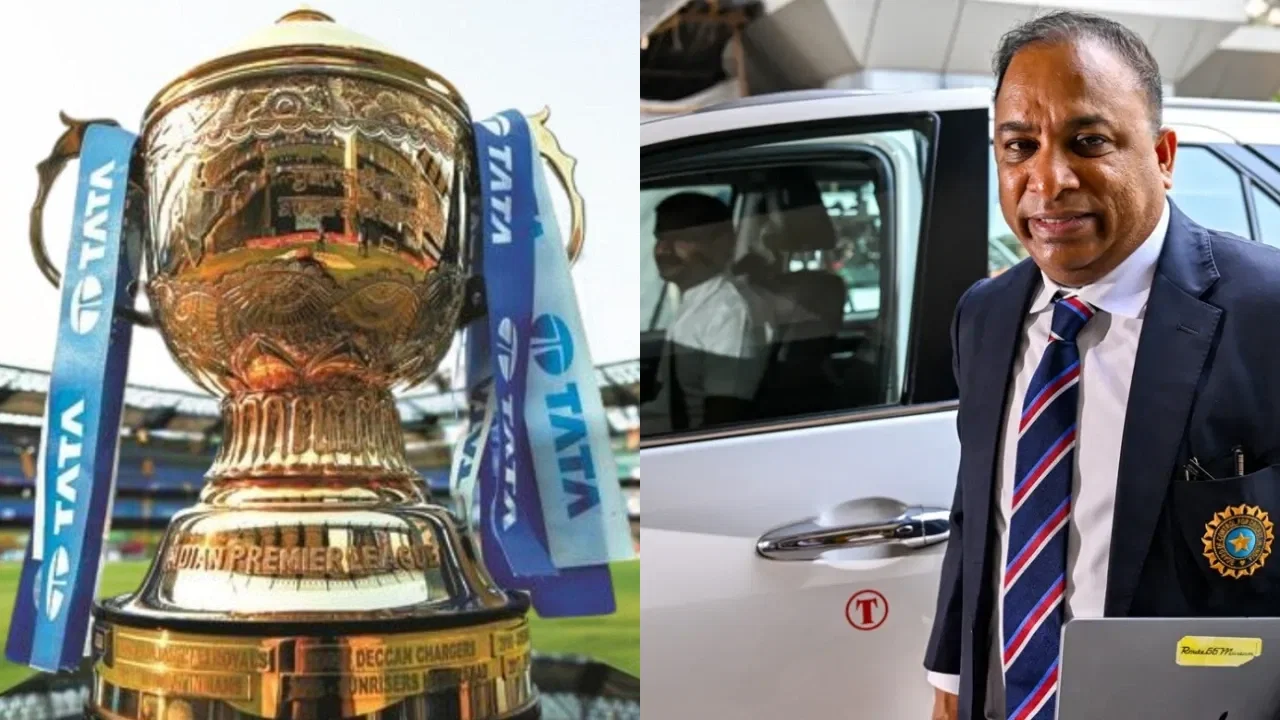
Goa Confirmed as the Venue for the IPL 2027 Mini-Auction: A Strategic Move by BCCI
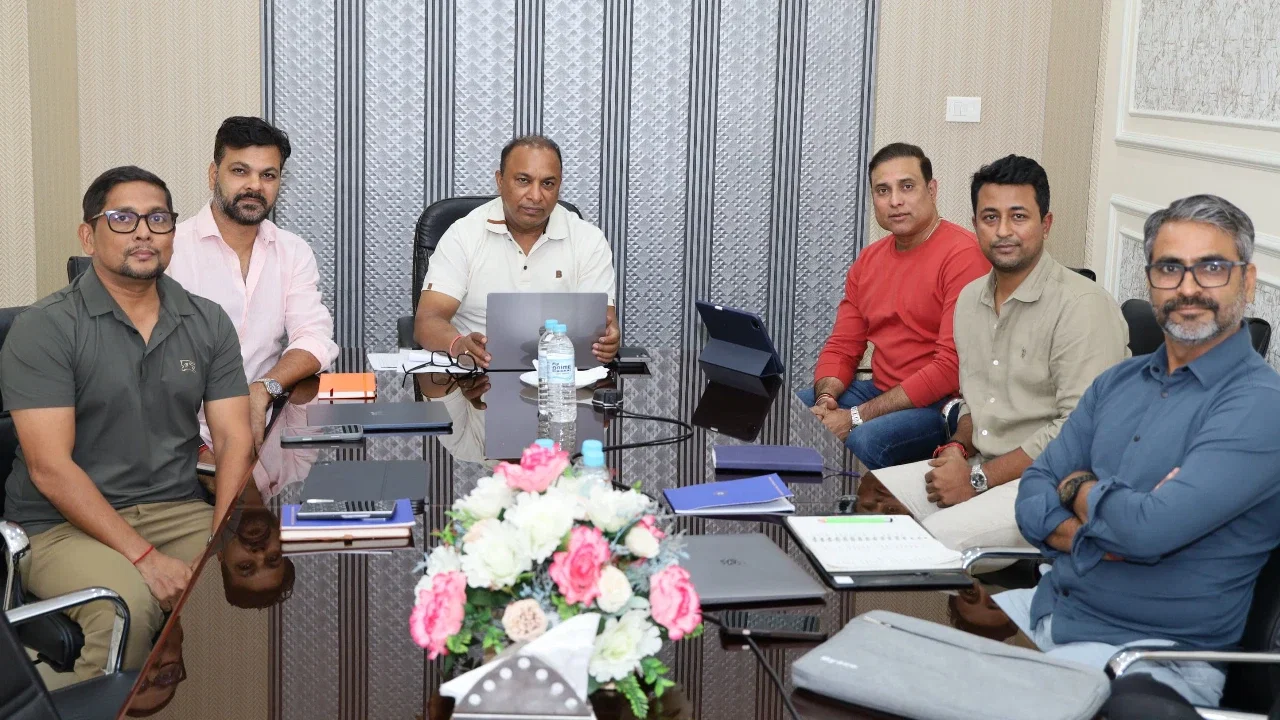
The Board of Control for Cricket in India (BCCI) has officially announced Goa as the host city for the upcoming IPL 2027 mini-auction. This event, scheduled to take place in mid-December, marks a significant milestone in the Indian Premier League’s ongoing efforts to bring the auction process back to India after a series of overseas auctions. As the league continues to evolve, industry experts and cricket fans alike are eager to analyze the implications of this decision, along with the strategic considerations shaping the upcoming auction and the broader landscape of Indian cricket.
Details of the IPL 2027 Mini-Auction: Timing, Venue, and Format
According to BCCI secretary Devajit Saikia, the auction is expected to occur between December 14 and 16, though the exact date remains to be finalized. The selection of Goa as the venue signifies a conscious effort by the BCCI to host the event within India, overcoming previous challenges related to venue availability during the busy winter wedding season—a time when securing large-scale event spaces has historically been difficult due to the influx of domestic celebrations.
The auction will be held at a luxurious five-star venue capable of accommodating over 100 representatives from the league’s 10 franchises. This setting aims to facilitate a smooth, high-profile event that remains accessible and efficient for franchise officials, players, and media alike. The decision to hold the auction in Goa also reflects the league’s strategic move to promote cricket in diverse Indian locales, blending sporting excitement with tourism and local engagement.
The Significance of Hosting the IPL 2027 Auction in India
In recent years, the BCCI has experimented with holding auctions abroad—specifically in Saudi Arabia, Dubai, and Abu Dhabi—to cater to the global Indian diaspora and enhance the league’s international appeal. However, hosting the auction in India for the first time since 2023 underscores the league’s commitment to domestic cricket development and logistical convenience.
Arun Dhumal, the IPL governing council chairman, emphasized the importance of conducting the auction within India, especially considering the smaller scale of this mini-auction compared to the mega auctions held biennially. He noted, “Every year we try for this to happen in India, but the heavy marriage season complicates logistics. This year, with a smaller auction, we are optimistic about securing a suitable venue in Goa.” This move is also expected to boost local tourism and reinforce the league’s roots amid ongoing global expansion efforts.
Strategic Insights: How the Prediction of the Mini-Auction Impacts Franchise Planning
The mid-December timing of the IPL 2027 auction offers franchises a valuable window to finalize their squads ahead of the league’s commencement. It allows teams to assess player availability, negotiate trades, and strategize retention lists with greater clarity. The player purse has been increased to ₹130 crore, providing franchises with enhanced financial flexibility to make targeted acquisitions, retain key players, and build balanced squads.
With the prediction of a relatively smaller auction compared to mega events, teams are expected to prioritize strategic retention and targeted signings. The increased purse suggests a shift towards more calculated spending, emphasizing quality over quantity, and aligning with the league’s evolving competitive landscape. Experts predict that this auction will serve as a critical juncture for franchises to shape their strategies, especially as they prepare for the challenges of IPL 2027.
Historical Context: Goa’s Role in IPL and WPL Auction History
Goa isn’t a new venue for IPL auctions; it played a pivotal role in the league’s early years. The 2009 auction, held in Goa, was notable for featuring some of the league’s most significant early investments. English cricketing stars Kevin Pietersen and Andrew Flintoff became the most expensive players of that period, each being sold for USD 1.55 million. Pietersen was picked up by Royal Challengers Bangalore (RCB), while Flintoff was acquired by Chennai Super Kings (CSK). These high-profile bids underscored Goa’s importance as a strategic auction location, blending cricketing ambition with tourism appeal.
Additionally, the 2009 auction saw a fierce bidding war for Bangladesh pacer Mashrafe Mortaza, with Kolkata Knight Riders (KKR) and Punjab Kings (PBKS) competing fiercely. KKR ultimately signed him for USD 600,000. The presence of Bollywood star Shah Rukh Khan at the KKR auction table added glamour and media attention, further elevating Goa’s reputation as a vibrant cricketing hub.
Looking ahead, the BCCI has also set plans for the upcoming Women’s Premier League (WPL) auction, scheduled for October 28 in Kochi. This strategic move aims to strengthen women’s cricket and provide franchises with an opportunity to build competitive squads ahead of the 2027 season. The dual focus on both men’s and women’s leagues highlights the league’s broader vision of inclusive growth and international competitiveness.
The Impact Player Rule: A Prediction of Future Trends and Challenges
The BCCI’s ongoing consultation with franchises regarding the Impact Player rule signifies a pivotal shift in IPL strategy. This regulation, which permits teams to substitute players during a match, was introduced to increase tactical flexibility and enhance spectator engagement. However, its implementation has sparked debate among players, coaches, and cricket pundits.
Leading Indian cricketers such as Rohit Sharma, Shubman Gill, Hardik Pandya, and Axar Patel have voiced concerns about the rule’s potential to diminish the development of genuine all-rounders. Critics argue that the Impact Player rule could lead to a strategic over-reliance on specialized players, possibly impacting the growth of versatile cricketers in Indian cricket’s pipeline.
Prediction-wise, if the rule remains in place through the 2027 season, it could reshape team compositions, fostering more specialized roles and tactical substitutions. Franchises might prioritize specific match scenarios, leading to innovative gameplay strategies. However, this also raises questions about the rule’s long-term implications for player development, especially for emerging all-rounders seeking to prove their worth in a more flexible match environment.
Broader Implications: What the Prediction Means for Indian Cricket and the IPL Ecosystem
The decision to host the IPL 2027 mini-auction in Goa, combined with insights into the Impact Player rule and franchise strategy, paints a picture of a league in transition. The prediction of a smaller, more targeted auction suggests a focus on quality over quantity—a move that could elevate the competitive standard of the league.
Furthermore, the league’s emphasis on domestic venues aligns with India’s broader cricketing ambitions, aiming to foster local talent, increase engagement across regions, and promote sustainable growth. The incorporation of innovative rules like the Impact Player, while controversial, indicates a willingness to adapt and experiment with game dynamics to maintain global interest.
As the IPL continues to evolve, industry experts predict that these strategic moves will not only influence team compositions but also impact the future development of Indian cricket. The league’s ability to balance commercial interests, player development, and fan engagement will be crucial in shaping its trajectory over the coming years.
Conclusion: A Prediction for a Bright and Strategic Future
The announcement of Goa as the venue for the IPL 2027 mini-auction marks a significant step in the league’s ongoing journey of innovation, strategic planning, and growth. With the prediction of a well-organized, smaller auction, franchises are poised to make impactful decisions that could shape the league’s competitive landscape.
As cricket enthusiasts eagerly await the event, the broader implications—ranging from venue selection to rule modifications—highlight the IPL’s commitment to evolving with the times while staying rooted in Indian cricket’s rich tradition. The prediction of this auction’s success, coupled with the league’s strategic focus, suggests a promising future for IPL and Indian cricket as a whole.
Stay tuned for more updates and expert analyses as the countdown to the IPL 2027 mini-auction begins, promising a blend of strategic foresight, emerging talent, and cricketing excellence that will captivate fans worldwide.
Latest News
Top 10 highest run-chases in T20 cricket history, ft. West Indies’ Ranchi win vs India
Aaryavir Sehwag and Anvay Dravid set to make headlines at U19 Asia Cup 2026
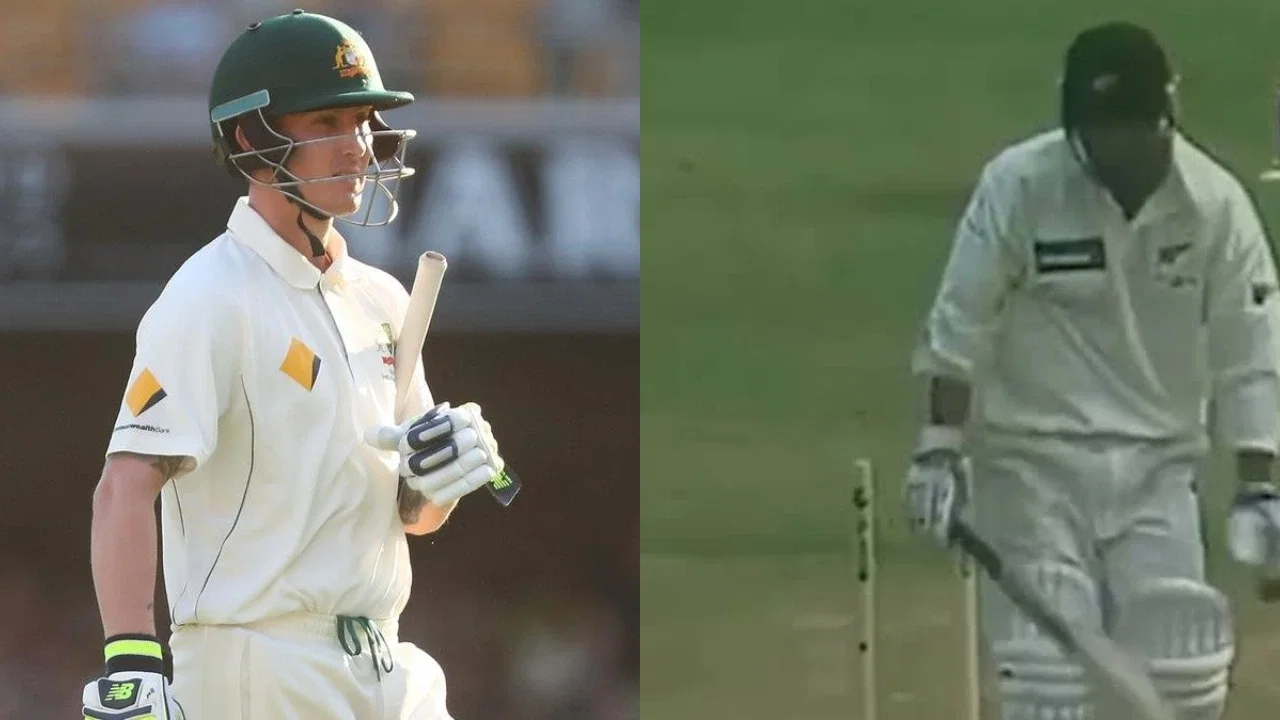
Longest ducks in Test cricket history ft. Nic Maddinson, Shoaib Akhtar
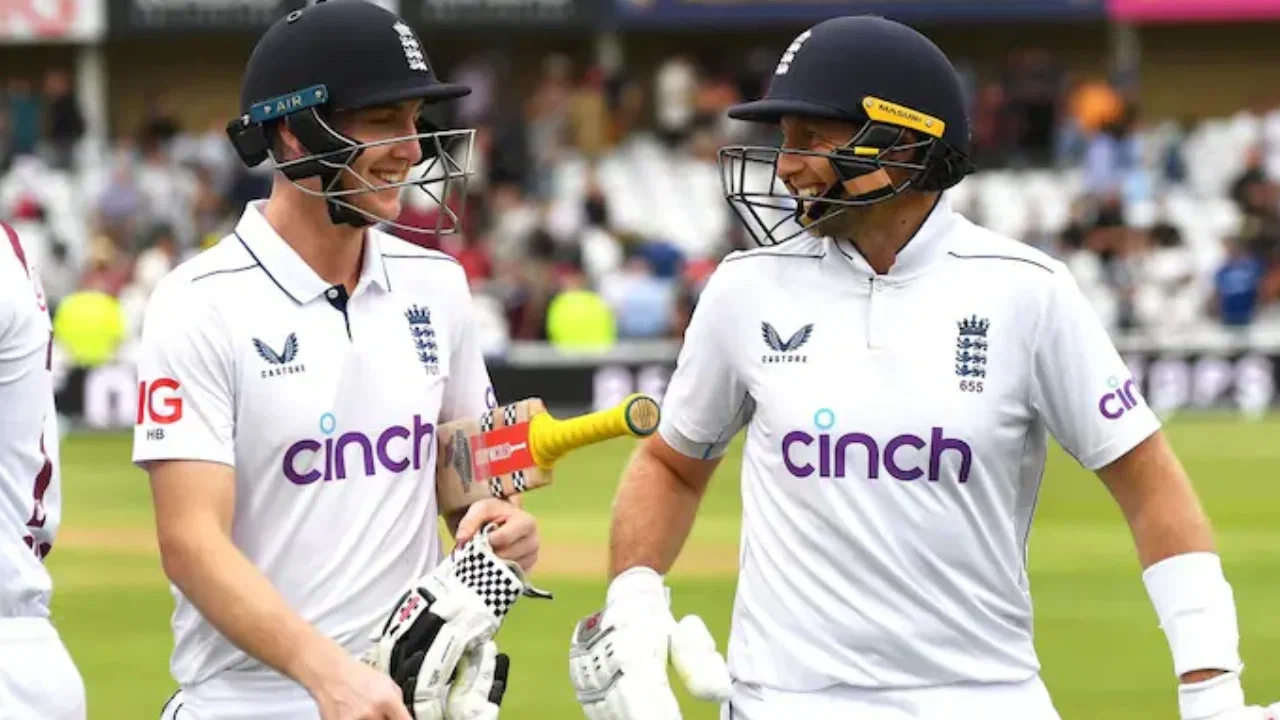
ECB to offer 39 central contracts to England players after Ben Stokes, Mark Wood’s retirement
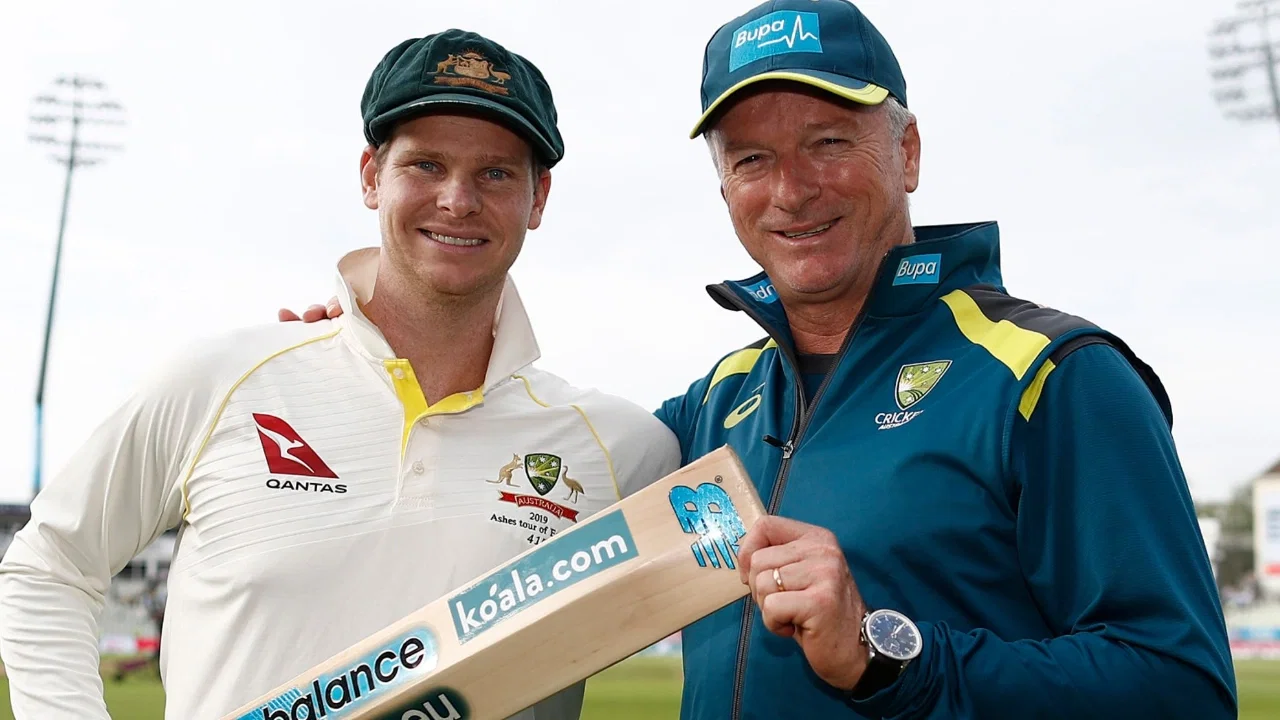
Steve Smith surpasses Steve Waugh in all-time Test run-scorers’ list

Shane Watson identifies Gautam Gambhir’s biggest problem as India struggle for consistency
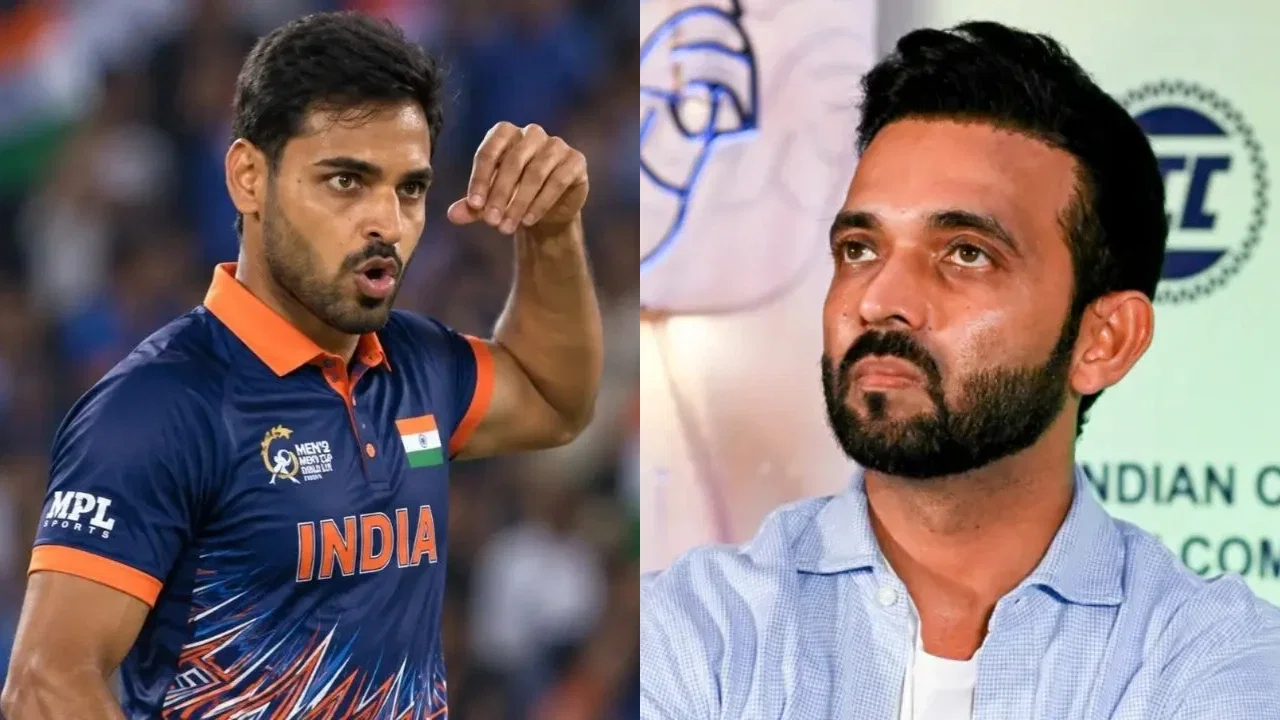
Is Bhuvneshwar Kumar in India’s 2027 World Cup plans? Ajinkya Rahane makes revelation
BCCI’s big ₹127 Crore move after injury crisis raises concerns over Team India
Parthiv Patel reveals RCB ignored his Jasprit Bumrah recommendation in IPL 2014 Auction
“Never spoke ill of any faith”: Irfan Pathan hits back at fake news using his name
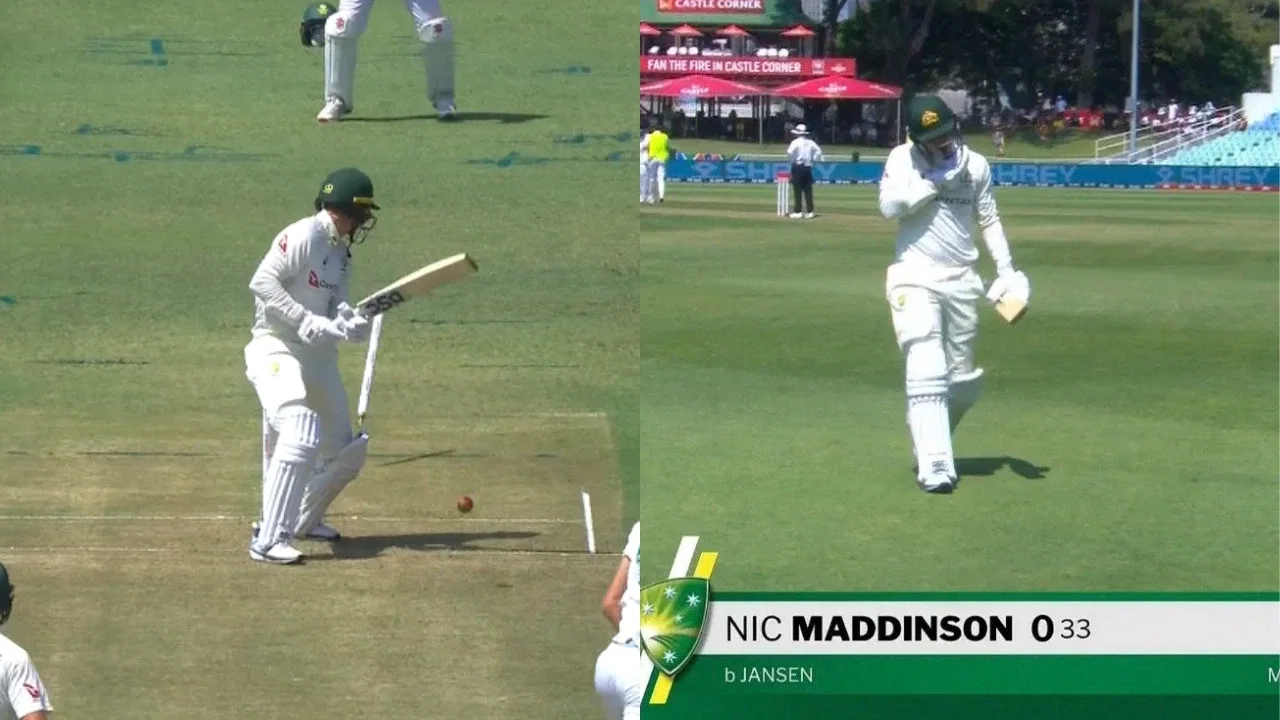
Nic Maddinson bags 33-ball duck on Test comeback, disappoints George Bailey
Imran Tahir predicts 2027 ICC ODI World Cup Semi-Finalists, snubs India for title
Australia create unwanted history with first all-30-plus Test XI
Ravindra Jadeja returns to Ranji Trophy as Saurashtra announce squad