

BCCI confirms India won’t get usual five-star hotels in Asian Games 2026
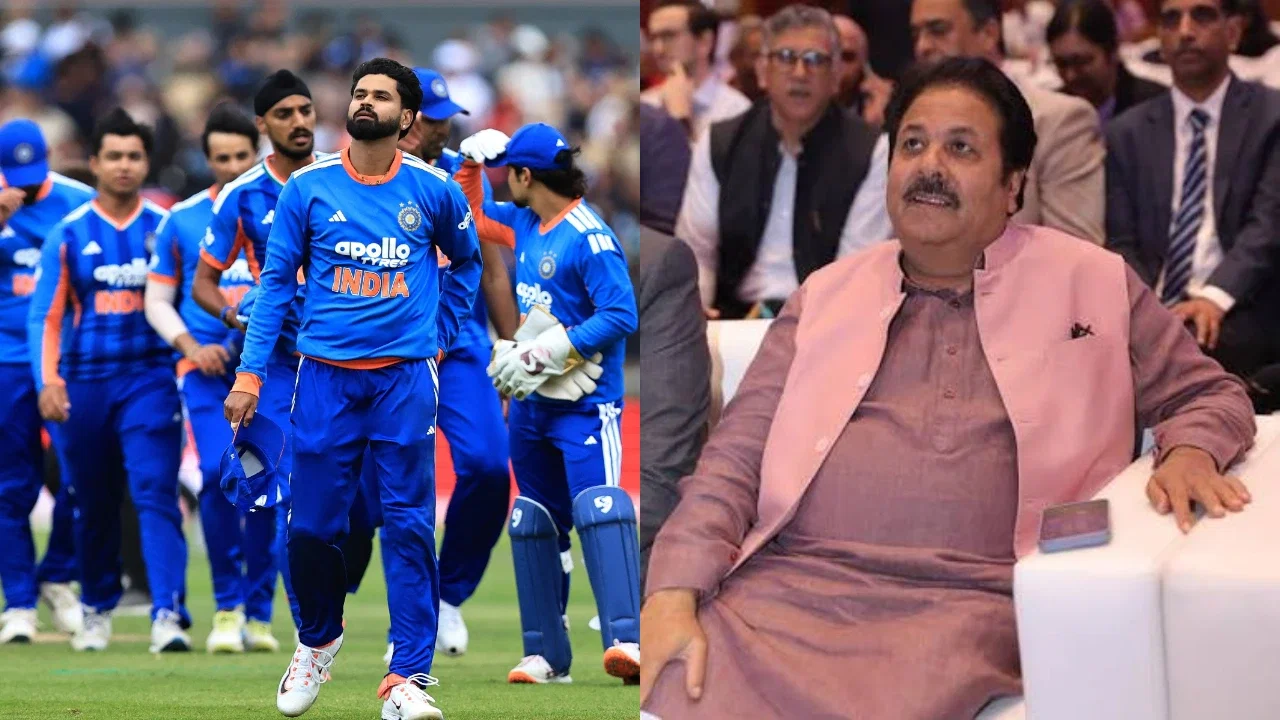
Exciting Developments in India’s Cricket Campaign at Asian Games 2026
The anticipation is building as India prepares for its cricket campaign at the upcoming Asian Games 2026 in Japan. A recent update has sparked interest among fans and stakeholders alike, revealing that the Indian national cricket team will stay in accommodation arranged by the organizers, rather than the traditional five-star hotels typically used during foreign tours. This decision has led to a flurry of discussions, predictions, and analyses about how this move might influence the team’s performance and overall experience at the prestigious multi-sport event.
Understanding the Accommodation Strategy: Why Nagoya?
Initially, there was some confusion and speculation regarding the team’s lodging arrangements. Reports suggested dissatisfaction from the Board of Control for Cricket in India (BCCI) regarding the quality of hotel accommodations provided in Japan. However, recent statements from BCCI vice-president Rajiv Shukla have clarified the situation, emphasizing that the Indian team is comfortable with the arrangements in Nagoya, where the Asian Games cricket events will be hosted.
Unlike previous tournaments where teams often stay in luxury hotels, the Indian contingent will be accommodated in hotels arranged by the organizers, located in Nagoya — a strategic choice that balances practicality and convenience. The decision to stay in Nagoya, rather than Tokyo or Osaka, is rooted in logistical considerations, ensuring that the team remains close to the venue for the cricket matches, which are scheduled to take place in Nagoya itself.
Why Not Tokyo or Osaka? Insights into the Strategic Choice
Rajiv Shukla explained that Tokyo and Osaka, two major cities in Japan, are approximately 1.5 hours away from Nagoya via bullet train. While these cities boast luxury accommodations, the logistical challenges of traveling daily to the cricket venue would have been significant, potentially affecting the players’ focus and readiness. Moreover, the organizers preferred to have all participating teams stay together in one location to foster a sense of unity and camaraderie — a common practice in multi-sport events like the Asian Games.
Staying in Nagoya ensures that the Indian team can avoid lengthy commutes, reducing fatigue and allowing players to conserve energy for their matches. This strategic move also simplifies logistics, security, and team management, providing a more controlled environment for the athletes.
Assurances on Accommodation Quality and Player Comfort
While the hotels are not five-star properties, the BCCI has conducted thorough checks, including reviewing photographs and videos of the accommodations. Rajiv Shukla confirmed that the players are “comfortable” with the arrangements, and all necessary precautions are being taken to ensure their well-being. Each player will have a separate room, eliminating the need for twin-sharing arrangements, which is often a concern in team accommodations.
This focus on individual rooms is a testament to the importance placed on player comfort and privacy, which are critical factors in maintaining peak performance during international competitions. The BCCI’s proactive approach underscores the significance of player welfare in predictions about team success at the Asian Games.
Beyond Accommodation: Addressing the Key Concerns – Ground & Facilities
While hotel arrangements are a vital aspect, Rajiv Shukla highlighted that the bigger challenge lies in the quality of the cricket grounds, wickets, and dressing rooms. The initial stages of planning raised concerns about whether the facilities would meet international standards, which are crucial for the players’ safety and performance.
Fortunately, these concerns have been addressed effectively. A delegation from the Asian Cricket Council (ACC) visited the venue in Nagoya to assess the facilities firsthand. Their inspection confirmed that the grounds, wickets, and dressing rooms now meet the necessary standards, providing a positive prediction for smooth gameplay during the Asian Games.
This development is significant because the quality of the playing surface directly impacts the outcome of matches, especially in a high-stakes environment like the Asian Games. A well-maintained ground can enhance the predictability of match results and instill confidence in players and teams alike.
Collaborative Efforts for a Successful Indian Campaign
The coordination between the Indian Olympic Association, the Asian Games Organizing Committee, and the Japan Cricket Association has been instrumental in ensuring a seamless experience for the Indian cricket team. From accommodation to infrastructure, these organizations are working together to create an environment conducive to success. Such collaboration often leads to positive predictions about team performance, as logistical hurdles are minimized.
Furthermore, the Indian cricket officials are actively monitoring all aspects of the team’s arrangements to ensure everything aligns with international standards. Their attention to detail signals a strong prediction of a successful campaign, possibly surpassing expectations based on logistical and infrastructural planning alone.
Implications and Predictions for India at Asian Games 2026
Given these developments, the prediction for India’s cricket team at the Asian Games 2026 appears optimistic. The strategic location choice, coupled with thorough preparations and infrastructure upgrades, suggests that India is well-positioned to perform at its best. The team’s focus on comfort, combined with quality playing conditions, enhances the prospects of achieving medals and possibly setting new benchmarks in Asian Games cricket history.
Moreover, the support from the BCCI and Asian Cricket Council indicates a strong commitment to ensuring that external factors do not hinder the team’s performance. This holistic approach, considering both logistical and infrastructural elements, reflects a broader trend in modern sports management — where predictions are increasingly based on comprehensive planning and risk mitigation.
Additional Context: The Bigger Picture of India’s Sports Diplomacy
India’s participation in the Asian Games is not just about winning medals but also about showcasing its sporting prowess and fostering diplomatic ties through sports diplomacy. The meticulous planning around accommodations and facilities demonstrates India’s intent to leave a positive impression on the international stage, which can influence future collaborations and sporting exchanges in Asia.
In the broader context, India’s strategic decisions at events like the Asian Games contribute to predictions of its growing influence in Asian sports. As infrastructural and logistical standards improve, India is predicted to become a major player in multi-sport events, further elevating its status in the global sporting community.
Conclusion: A Positive Prediction for India’s Asian Games 2026 Journey
In summary, the recent updates surrounding India’s cricket team at the Asian Games 2026 offer a promising prediction for a successful campaign. The decision to stay in Nagoya, backed by thorough inspections and collaborations, indicates a well-planned approach aimed at maximizing team performance and comfort. While challenges like infrastructure and logistics are always present in international sporting events, India’s proactive measures and strategic planning suggest a bright outlook.
As the countdown to Asian Games 2026 continues, all eyes will be on how these logistical and infrastructural predictions translate into on-field success. With a strong foundation laid in Nagoya, the Indian cricket team is poised to make a significant impact, potentially achieving historic results and further elevating India’s reputation in Asian sports diplomacy.
Latest News

Eoin Morgan demands ₹20 crore for CSK head coach role
BCCI AGM: JKCA representative ruled out of electoral process
“Are you going home?”: England greats mock Pakistan’s 7-player purge with King Charles joke
BCCI confirms India won’t get usual five-star hotels in Asian Games 2026
Mohammed Shami is proving Ajit Agarkar wrong: 3 reasons India need him back

‘If you heard full interview’: Umar Gul hits back at Jason Gillespie over cold weather comments

Big Bash League privatisation sparks fight between CA and NSW

Tilak Varma falls for 99 as South Zone fold for 336 in Duleep Trophy Final
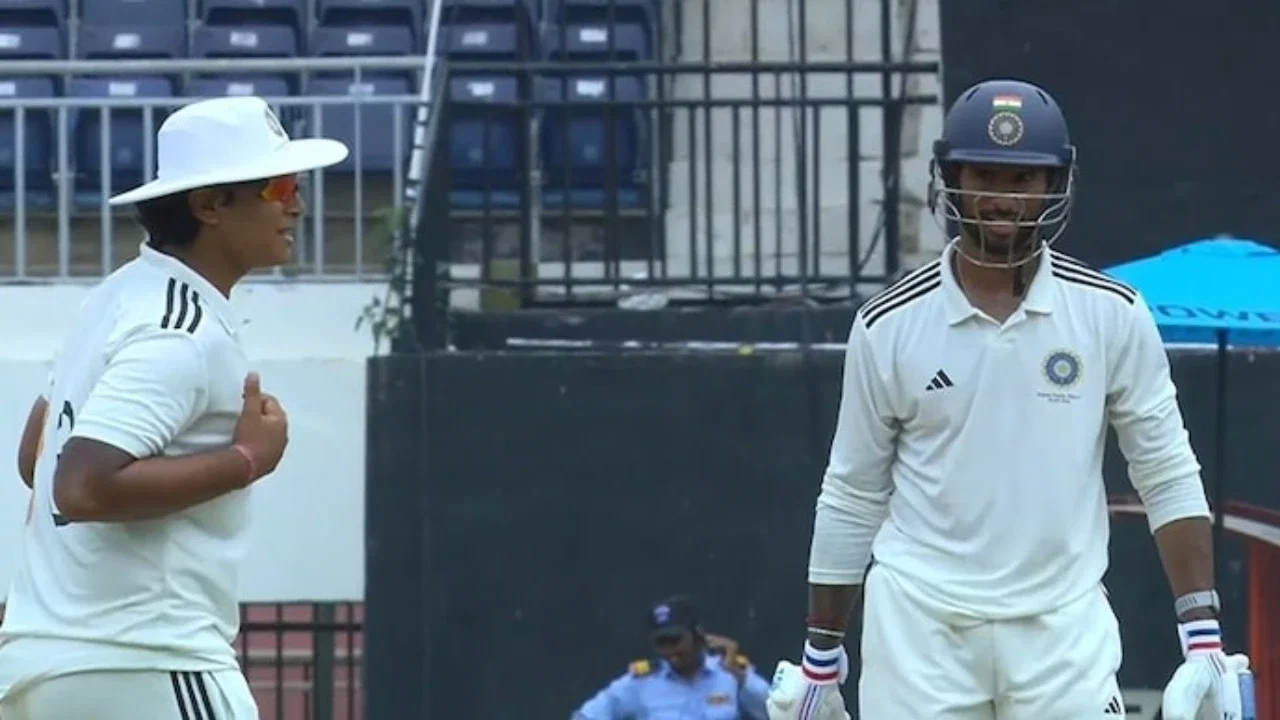
Vaibhav Sooryavanshi gets his revenge as tension rises with Tilak Varma

Adam Zampa reveals why overseas players still get ‘good end of the deal’ in BBL

Supreme Court questions BCCI over resistance to National Sports Governance Act
DUG vs BEW Dream11 Prediction Today Match, My11Circle Prediction, Dream11 Team Today, Fantasy Cricket Tips, Playing XI, Pitch Report, Injury Update- Euro Cup T20 2026, Match 18
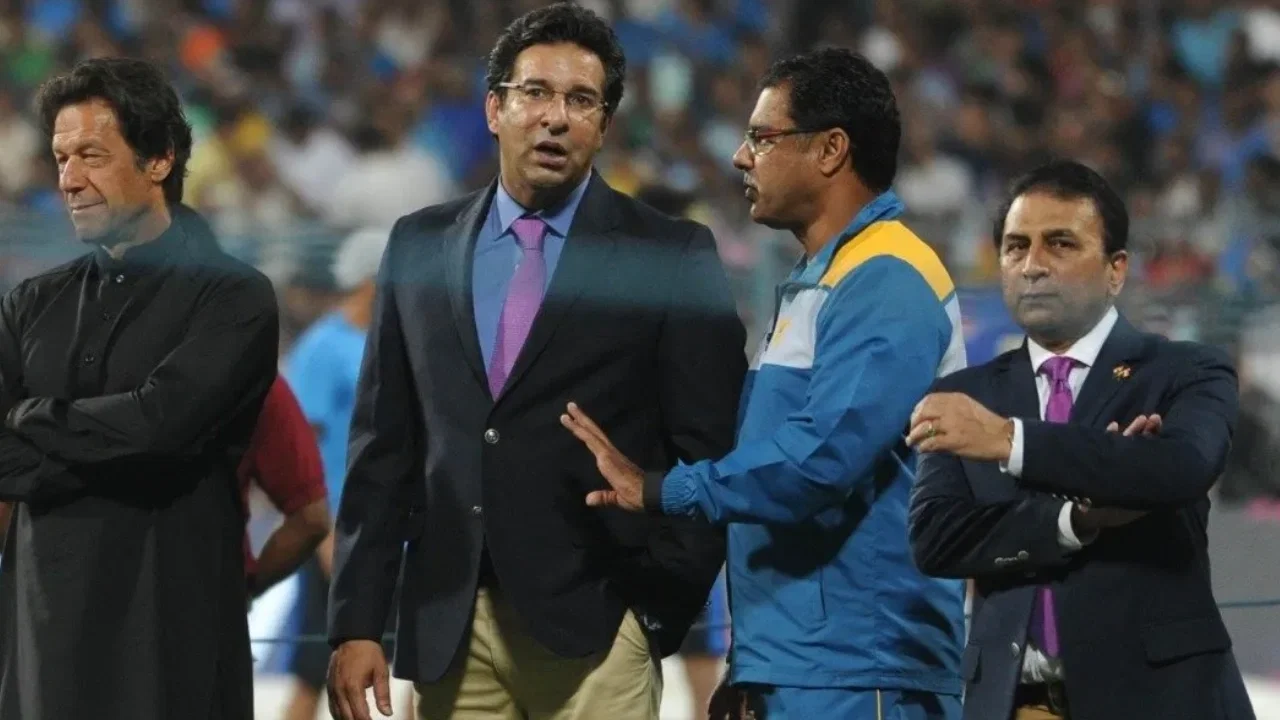
Wasim Akram breaks silence on Imran Khan’s health, says “difficult to believe”
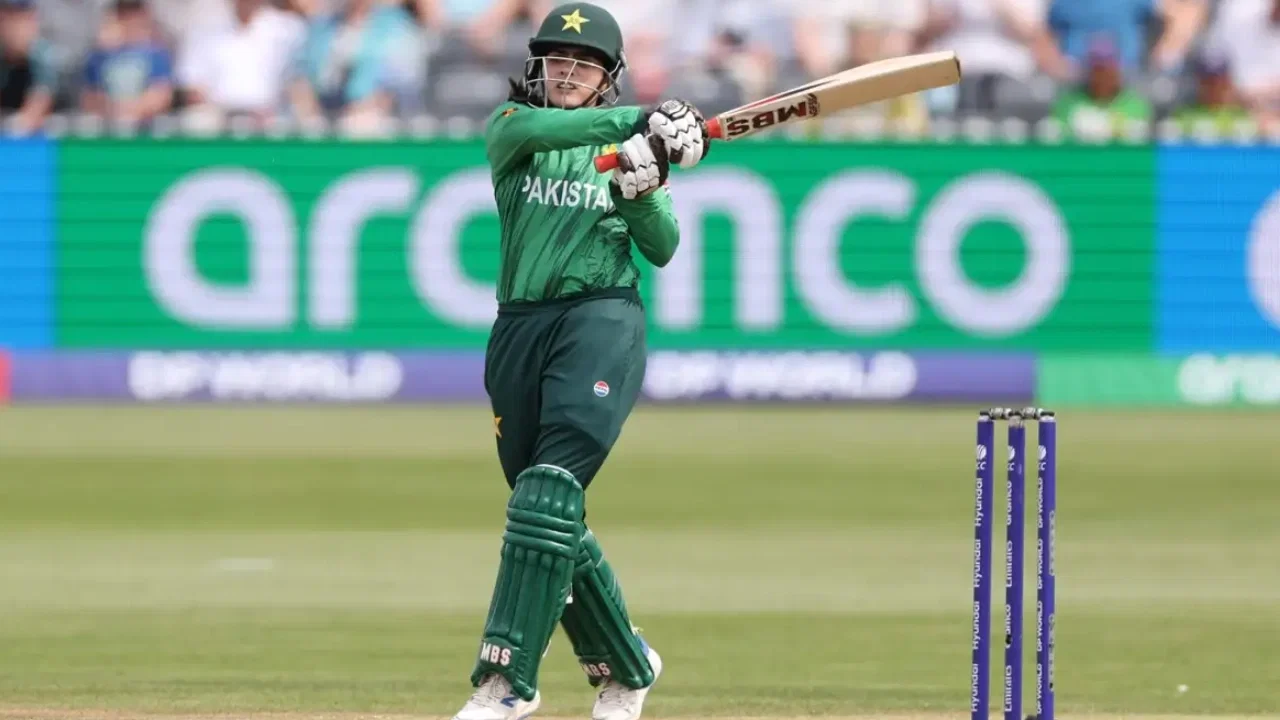
Gull Feroza penalized by ICC for breaching Code of Conduct in Women’s Asia Cup

