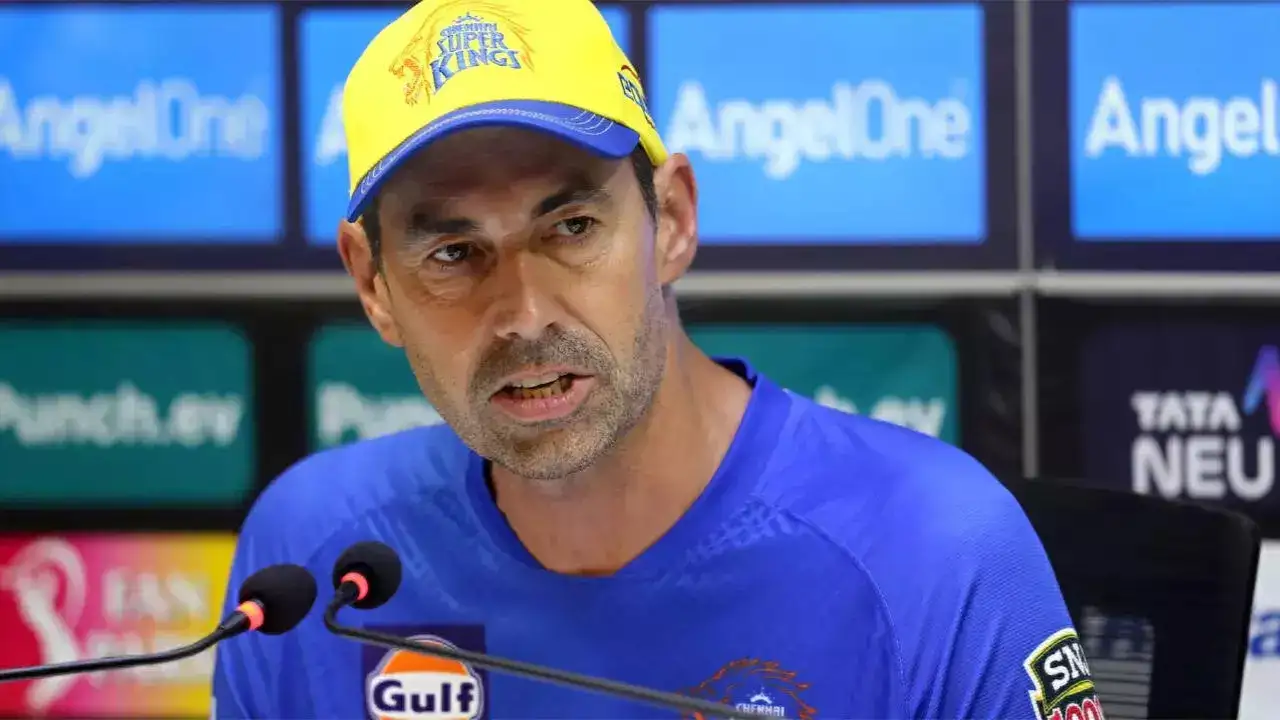
BCCI discussed making VVS Laxman chief selector alongside CoE head role
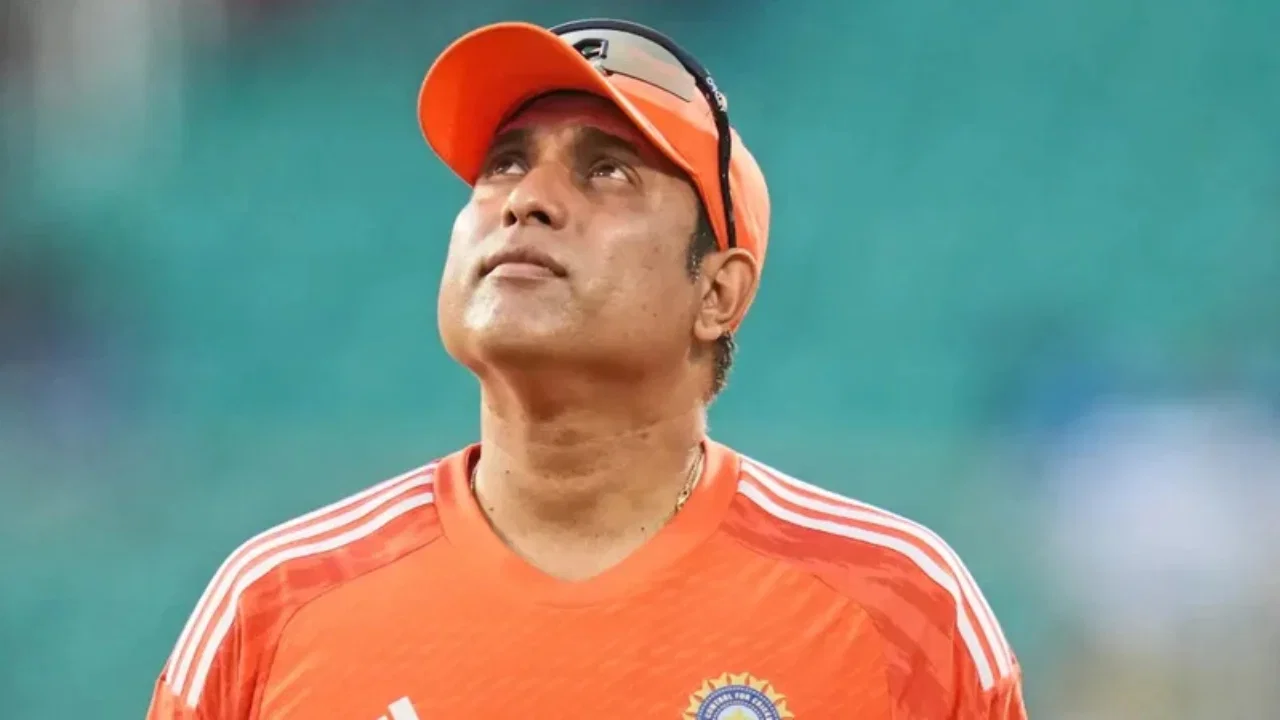
Major Changes on the Horizon: BCCI’s Strategic Overhaul of India’s Cricket Selection Process
The Board of Control for Cricket in India (BCCI) is gearing up for a significant restructuring of its player selection and talent development systems, signaling a new chapter in Indian cricket administration. As Ajit Agarkar’s tenure as the chief selector nears its conclusion, discussions are underway about who will succeed him and how the selection panel will be reconfigured for future international assignments. This impending transition has sparked widespread speculation within cricket circles, highlighting the BCCI’s strategic priorities and adherence to governance reforms.
Ajit Agarkar’s Tenure: An End of an Era
Ajit Agarkar, one of India’s most respected former cricketers, assumed the role of chief selector with high expectations. While he expressed a desire to continue in the position until the 2027 ODI World Cup—a timeline that would have allowed him to oversee the team’s journey through the next major tournament—the BCCI’s decision appears to be heading in a different direction. Sources close to the board reveal that no formal discussions regarding an extension took place, signaling a shift in the board’s approach to selecting leadership for its cricketing operations.
Interestingly, Agarkar himself was reportedly willing to serve until 2027 but did not receive any encouragement or signals from BCCI officials to extend his tenure. As a result, he chose not to formally request an extension, effectively ending his stint as the head of India’s selection panel. During his tenure, Agarkar was responsible for shaping the Indian team’s squad for various bilateral series, including recent ODI and T20I series in the West Indies, as well as selecting the squad for the prestigious Irani Cup.
The Rise of Parthiv Patel: A Natural Favorite for the Next Chief Selector
Amid this transition, former Indian wicketkeeper-batsman Parthiv Patel has emerged as the leading candidate to assume the role of chief selector. Known for his sharp eye for talent and extensive experience in IPL scouting, Patel’s deep understanding of young cricketers and their development trajectory makes him a compelling choice to lead India’s selection panel.
If appointed, Parthiv would become the most experienced selector after Ajit Agarkar, surpassing others with his extensive background in Indian cricket. With 25 Tests to his name, Patel’s international career provides him with a nuanced perspective on what it takes to succeed at the highest level. His knowledge of emerging talent, combined with his recent roles in talent scouting, positions him well to oversee India’s future cricketing prospects.
Leadership Transition and the Future of India’s Selection Panel
The BCCI’s decision not to extend Agarkar’s tenure aligns with the broader governance reforms introduced by the Lodha Committee, which emphasize transparency, conflict-of-interest mitigation, and merit-based appointments in cricket administration. These reforms restrict individuals from holding multiple influential positions simultaneously, a rule that impacted earlier discussions about VVS Laxman’s potential dual role.
During the recent BCCI Annual General Meeting (AGM) held on September 18, 2026, an intriguing proposal was discussed involving VVS Laxman. The board considered appointing him to oversee both the Centre of Excellence (CoE) and the senior selection panel, aiming to leverage his experience in nurturing young talent and connecting development programs directly with team selection. However, this idea was ultimately dropped due to conflict-of-interest regulations, which prevent an individual from holding multiple key roles within the organization that could influence team composition and player progression.
As a result, the focus has shifted towards identifying a dedicated chief selector, with Parthiv Patel emerging as the frontrunner. The decision is expected to be finalized in the coming weeks, with official confirmation likely to be announced soon, providing clarity amid ongoing discussions about the future of India’s cricketing leadership.
Implications for Indian Cricket’s Talent Development and Selection Strategy
The BCCI’s move to revamp its selection panel underscores a strategic emphasis on fostering transparency and meritocracy. With an eye on the 2027 World Cup and beyond, the board appears committed to building a robust pipeline of young talent, ensuring that the best players are identified early and nurtured effectively.
Parthiv Patel’s rise to the chief selector role could herald a new era emphasizing data-driven decision-making and comprehensive talent scouting, particularly given his IPL experience and familiarity with emerging players. His role could also influence the structure of India’s domestic cricket system, encouraging more structured talent identification and development programs aligned with international standards.
Broader Context: Governance Reforms and the Future of Indian Cricket
The BCCI’s ongoing restructuring is part of a broader movement towards transparent and accountable governance standards, aligning Indian cricket with global best practices. The Lodha Committee reforms, introduced in 2018, aimed to eliminate conflicts of interest and improve the integrity of cricket administration in India.
One manifestation of these reforms is the careful scrutiny of dual roles within the organization. For instance, the earlier consideration of VVS Laxman for a dual role as head of the CoE and senior selector was ultimately shelved to comply with these rules. This highlights the BCCI’s commitment to maintaining clean governance and ensuring that decision-making remains impartial and merit-based.
Additional Developments: Leadership Changes and Player Movements
While the focus remains on the selection panel, other significant developments are taking place within Indian cricket. For example, speculation surrounds Suryakumar Yadav’s future, with reports suggesting he might part ways with RISE Worldwide, his IPL franchise management company, amid ongoing conversations about his role with Mumbai Indians and national team prospects.
Such player movements and organizational shifts reflect the dynamic nature of cricket administration and talent management in India, emphasizing the importance of strategic planning at every level of the sport.
Looking Ahead: What to Expect in the Coming Weeks
The upcoming weeks are poised to be pivotal for Indian cricket’s administrative landscape. The BCCI is expected to formalize its decision on the new chief selector, likely appointing Parthiv Patel or another qualified candidate. This transition is set against the backdrop of India’s preparations for upcoming international challenges and the ongoing focus on nurturing a new generation of cricketers.
Moreover, the board’s emphasis on governance reforms and transparency is likely to influence future appointments and structural changes, ensuring that Indian cricket continues to evolve responsibly and sustainably.
Conclusion
The BCCI’s strategic overhaul of its selection system marks a significant milestone in Indian cricket’s governance, reflecting a commitment to transparency, meritocracy, and long-term development. With Ajit Agarkar’s tenure coming to an end and Parthiv Patel poised to take on the role of chief selector, Indian cricket stands at a crossroads—ready to embrace a new era of leadership, talent development, and competitive excellence.
As the cricketing world watches closely, these changes are expected to have a lasting impact on India’s journey toward maintaining its status as a cricketing powerhouse on the global stage. The prediction for the future points towards a more disciplined, transparent, and strategically driven approach to cricket administration—one that prioritizes the growth of talent and the integrity of the game.
Latest News
Vipraj Nigam case: Woman who accused cricketer of sexual exploitation reaches his home
“I’ll forever be available”: David Warner sends Australia return message
NGR vs GHA Dream11 Prediction Today Match, My11Circle Prediction, Dream11 Team Today, Fantasy Cricket Tips, Playing XI, Pitch Report, Injury Update- Quadrangular T20I Series 2026, Match 1
Suryakumar Yadav confirms IPL 2027 status with Mumbai Indians
Umesh Yadav gets NOC from Vidarbha, set to join new state for Ranji Trophy 2026/27 season
Sanath Jayasuriya reveals secret behind Abhishek Sharma’s record-breaking century
Wesley Madhevere turns goalkeeper, pulls off brilliant catch to dismiss Alex Carey in 3rd ODI
Ramesh Powar lands Australia U-19 role amid BCCI junior selection panel move
“Nitish Kumar Reddy cannot match Hardik Pandya”: Mohit Sharma explains why
Stephen Fleming reveals how he plans to work with Joe Root as England Test coach
Craig Ervine scripts history against Australia, becomes oldest batter to score ODI fifty
Michael Hussey to replace Stephen Fleming as CSK explore options for new head coach
Aliya Riaz faces trolling after poor fielding for Pakistan in Asian Games
L Balaji to coach India A against Australia A as Andhra spinner replaces Vipraj Nigam