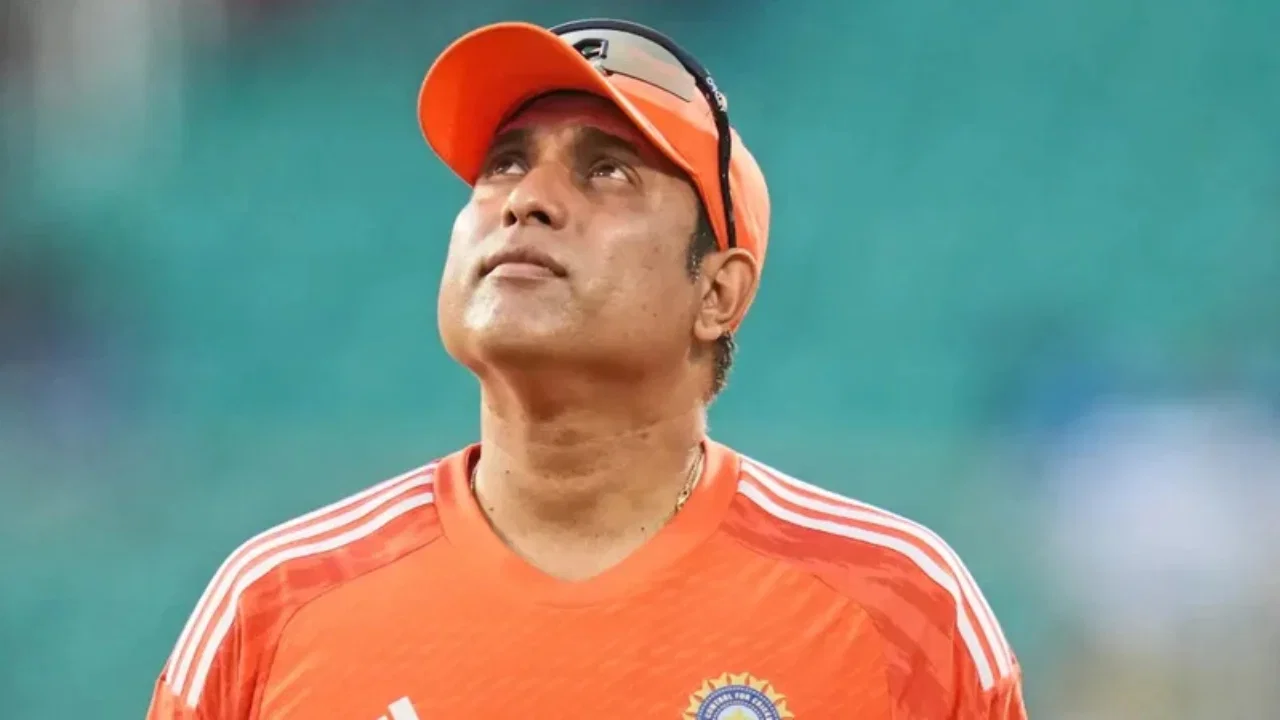
BCCI imposes 2-year ban on U-19 cricketer over age discrepancy
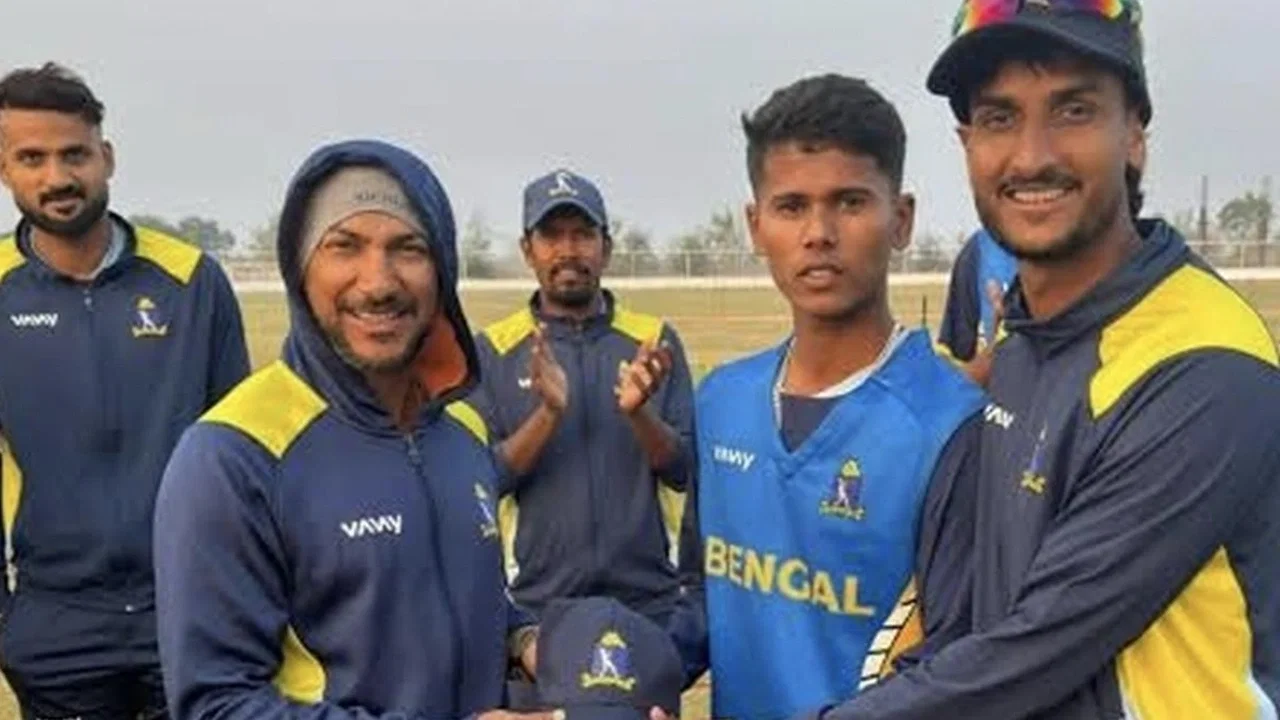
India Under-19 Cricketer Rohit Yadav Banned for Two Years Amid Age Fraud Controversy
In a significant development that has sent shockwaves through the Indian cricketing fraternity, Rohit Yadav, a promising young cricketer from Bengal and a member of the India Under-19 team, has been handed a two-year ban by the Board of Control for Cricket in India (BCCI). The ban, effective immediately, stems from an investigation into discrepancies regarding his date of birth, which were uncovered during routine age verification procedures. This incident underscores the ongoing challenges of age fraud in Indian cricket and raises important questions about transparency and integrity in youth sports development.
Background: Rising Star in Indian Youth Cricket
Rohit Yadav emerged as a talented spin bowler within the cricket ecosystem of Bengal, quickly making a name for himself through his impressive performances in domestic matches and age-group tournaments. His consistent performances earned him a spot in the Indian Under-19 cricket team, where he showcased his skills on the international stage. Recently, Rohit was part of the squad that traveled to Sri Lanka for a Youth Test series against the Sri Lankan U-19 team, where he made a notable impact by claiming six wickets. His performances earned him recognition as one of the emerging talents in Indian junior cricket, with selectors eyeing him for upcoming series against top teams like Australia.
In addition to his domestic exploits, Rohit Yadav’s rapid rise was seen as a testament to his dedication and potential to represent India at the highest levels in the future. His selection for the upcoming series against Australia at Rajkot was viewed as a pivotal moment in his career, and he had been touted as a promising prospect for Indian cricket’s future spin department.
Uncovering the Age Discrepancies: The Crux of the Controversy
The controversy erupted when the Cricket Association of Bengal (CAB), following BCCI guidelines, conducted an age verification process as part of their standard procedures. During this process, multiple red flags were identified regarding Rohit Yadav’s date of birth, prompting a deeper investigation. The BCCI, which maintains stringent policies to prevent age fraud to ensure fair competition, took immediate action upon discovering inconsistencies.
According to reports, Rohit Yadav’s Aadhaar card, a crucial document for identity verification in India, had undergone several updates regarding his date of birth over the years. Initially, when he was registered as a CAB cricketer, his date of birth was listed as July 7, 2007, with an address in Uttar Pradesh. However, subsequent updates revealed a pattern of frequent changes:
- In 2017, his date of birth was altered to 2006.
- In 2021, the year was again modified, this time to 2009.
- Throughout these years, his address was also updated, shifting from Uttar Pradesh to Howrah, West Bengal.
Such repeated modifications raise serious concerns about the transparency of the registration process and the integrity of the athlete’s personal data. The lack of consistent documentation has cast doubt on the accuracy of Rohit Yadav’s age, which is a critical criterion for age-group competitions like the Under-19 category.
The Impact of the Prediction and the BCCI’s Response
The BCCI’s immediate ban on Rohit Yadav is a clear indication of the board’s zero-tolerance policy towards age fraud. The decision was taken after a thorough investigation, which revealed that there is no concrete, verifiable evidence to establish Rohit’s actual date of birth. The absence of definitive proof complicates the situation, but the suspicion alone was enough for the BCCI to act decisively to uphold the integrity of youth cricket.
“Prediction in sports often involves assessing a player’s potential and future trajectory,” explains cricket analyst Rahul Verma. “However, when age fraud comes into play, it not only tarnishes the reputation of the player involved but also undermines the fairness of the competition and the trust in the system designed to nurture young talent.”
The ban effectively sidelines Rohit from participating in any cricketing activities sanctioned by the BCCI for two years. The board has also indicated that it will soon appoint a replacement for Rohit in the India U-19 squad, ensuring that the team remains competitive and prepared for upcoming series, including the crucial match against Australia.
Broader Implications for Indian Cricket and Youth Development
This incident highlights a persistent challenge faced by cricket associations worldwide — the fight against age fraud. Despite robust verification mechanisms, some athletes and their support systems attempt to manipulate age data to gain competitive advantages, especially in youth categories where physical maturity can significantly influence performance and selection prospects.
The BCCI’s decisive action sends a strong message to aspiring cricketers and their guardians about the importance of honesty and transparency. It also emphasizes the need for more rigorous, technology-driven verification processes to prevent such incidents in the future. As Indian cricket continues to grow on the global stage, maintaining the integrity of its talent pipeline remains paramount.
Next Steps and Future Outlook
The Cricket Association of Bengal has been asked to submit a detailed report on the entire incident, which will be reviewed by the BCCI’s disciplinary committee. Meanwhile, Rohit Yadav’s career trajectory has been significantly impacted, and his future in Indian cricket remains uncertain pending further investigation.
The BCCI is expected to announce the replacement for Rohit Yadav in the India U-19 squad shortly. The focus now shifts to ensuring that the team remains motivated and prepared for the upcoming series against Australia, which is crucial for their development and exposure at the international youth level.
As the cricketing fraternity debates the implications of this controversy, it serves as a reminder that the path to professional sports success must be built on honesty, integrity, and transparency. While talented young players like Rohit Yadav represent the bright future of Indian cricket, safeguarding the sport’s integrity is essential for nurturing genuine talent and maintaining the trust of fans and stakeholders alike.
Conclusion
The case of Rohit Yadav’s age fraud controversy underscores the complexities and challenges faced by cricket governing bodies in maintaining a level playing field. The BCCI’s prompt and firm response reflects its commitment to upholding fairness and integrity in youth cricket. As investigations continue and replacements are named, this incident will undoubtedly serve as a catalyst for more stringent verification measures across Indian cricket’s youth development programs.
Prediction for the future of Indian cricket hinges not only on discovering talented players but also on ensuring that the pathways to success are transparent and fair. Only then can India truly harness its vast pool of young talent and build a resilient, credible cricketing ecosystem for generations to come.
Latest News
GLG vs BWV Dream11 Prediction Today Match, Dream11 Team Today, Fantasy Cricket Tips, Playing XI, Pitch Report, Injury Update- European T20 Cup 2026, Match 13
UAE vs INA Dream11 Prediction Today Match, Dream11 Team Today, Fantasy Cricket Tips, Playing XI, Pitch Report, Injury Update- Women’s Asia Cup T20 2026, Match 8
South Zone earns major boost as three India stars set to feature in Duleep Trophy final
BCCI imposes 2-year ban on U-19 cricketer over age discrepancy
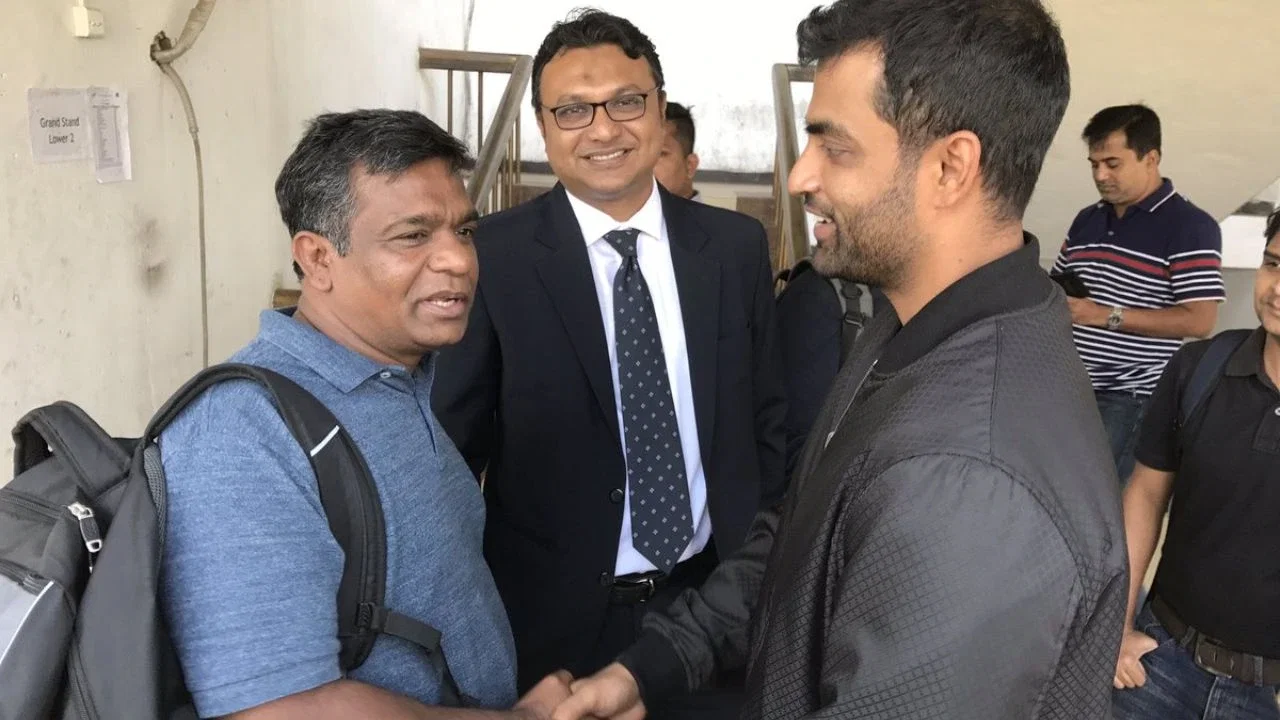
BCB doubles cricketers’ salary amid BPL uncertainty
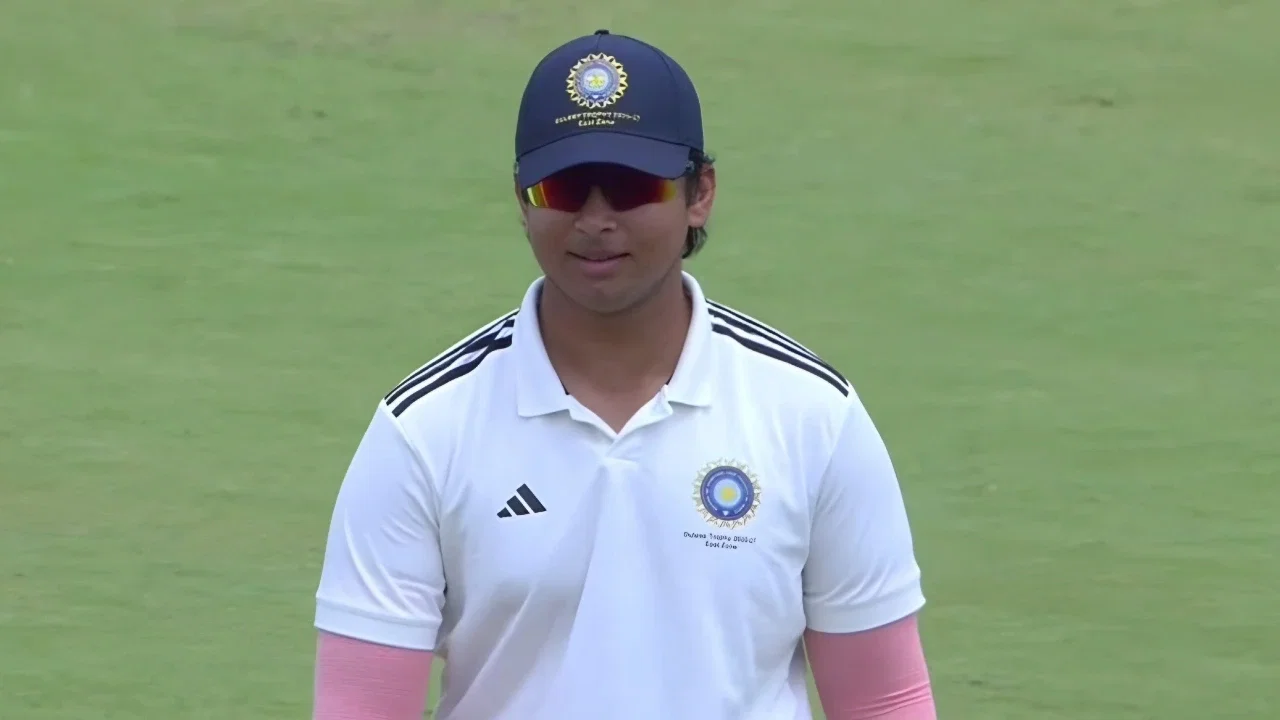
Vaibhav Sooryavanshi cannot feature in Duleep Trophy final, reason explained
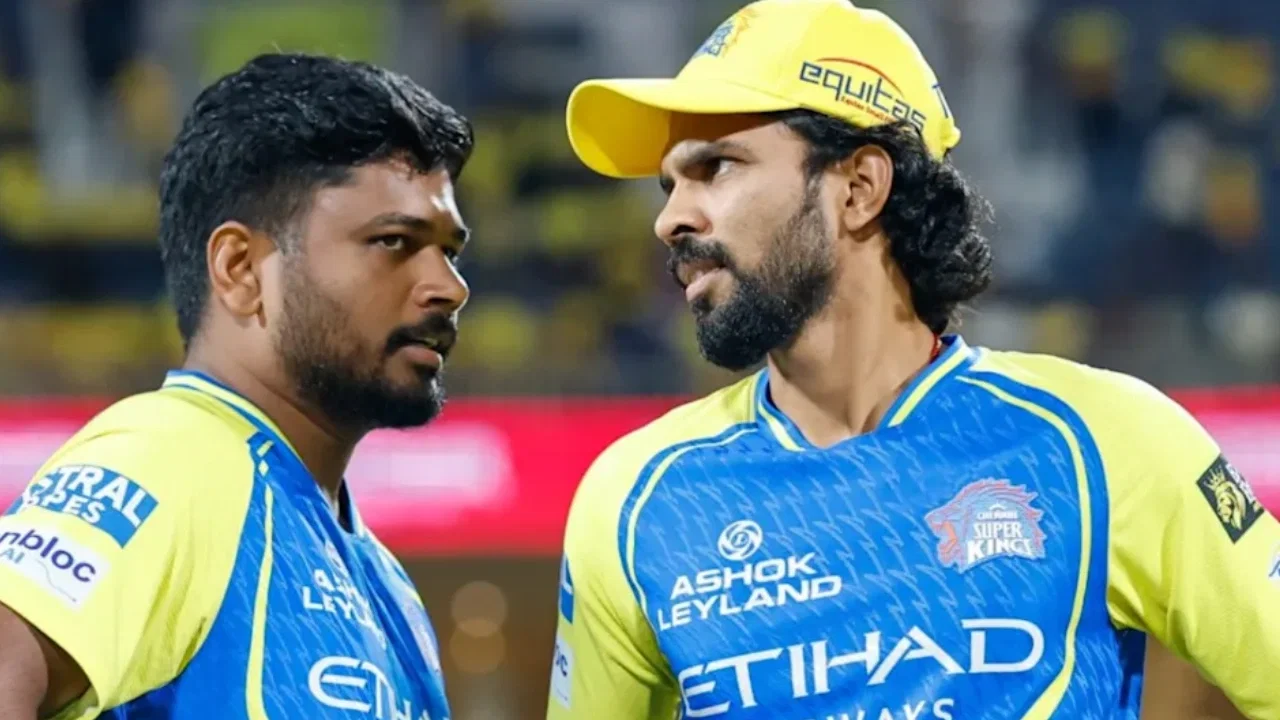
Sanju Samson should be considered as captain: CSK asked to replace Ruturaj Gaikwad
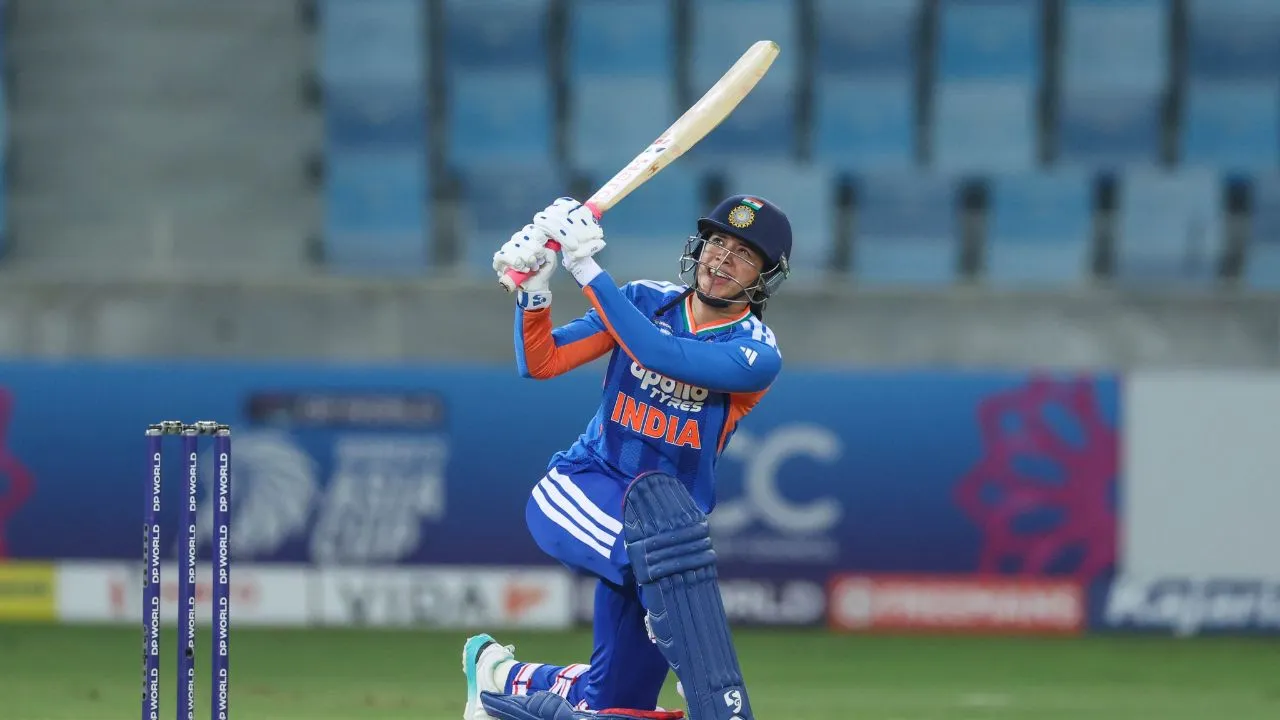
Smriti Mandhana creates history with Asia Cup century, surpasses Mithali Raj
BCCI-CSA in talks to arrange India vs South Africa ODI series ahead of 2027 WC
Ajit Agarkar skips BCCI high-profile review meeting, here’s why
“Batsmen have figured out”: Former RCB opener warns India over Varun Chakravarthy’s form
BAR vs AMS Dream11 Prediction Today Match, My11Circle Prediction, Dream11 Team Today, Fantasy Cricket Tips, Playing XI, Pitch Report, Injury Update- Punjab League T20 2026, Match 10
BCCI issues Rohit Sharma future update after review meeting
Stuart Broad blames Mohsin Naqvi’s PCB for Pakistan cricket team’s downfall