BCCI may have to arrange own hotels for India teams at Asian Games 2026
Prediction and Planning for the 2026 Asian Games: Indian Cricket’s Accommodation Dilemma
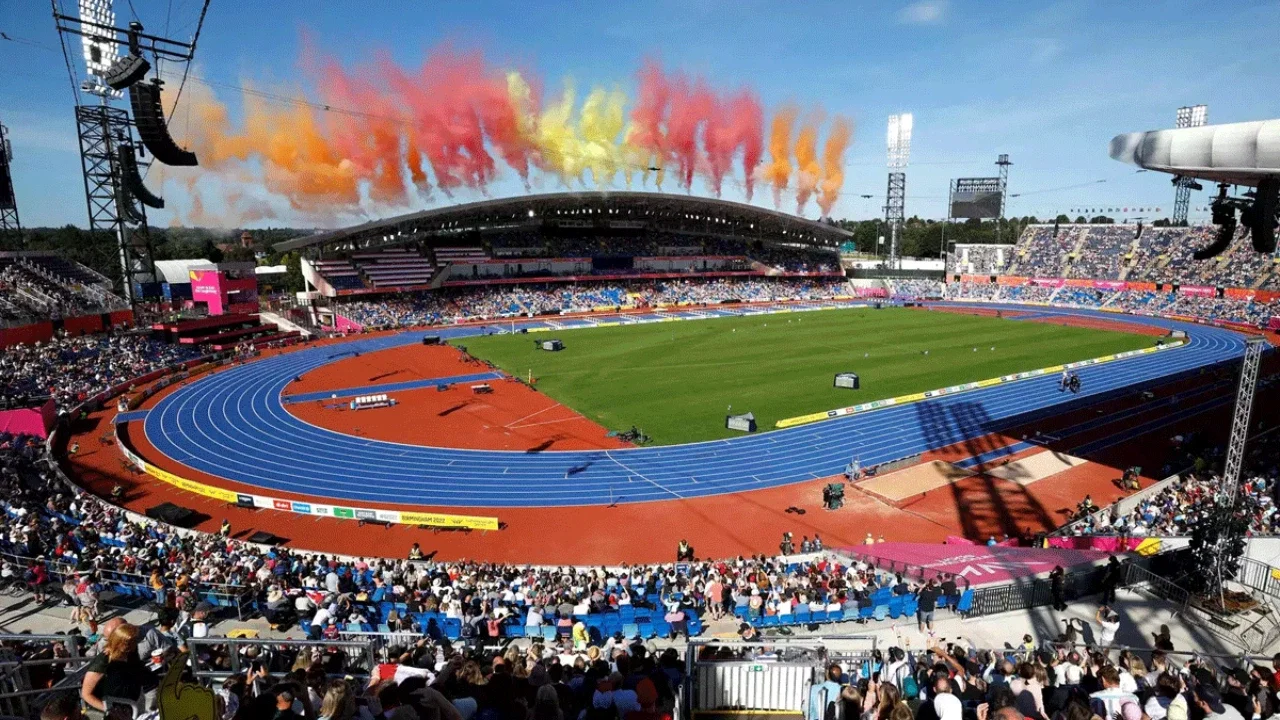
The upcoming Asian Games 2026 in Aichi-Nagoya promises to be a grand sporting spectacle, bringing together thousands of athletes, officials, and spectators from across Asia and beyond. Yet, beneath the excitement lies a complex logistical challenge, particularly concerning accommodation arrangements for participating teams. Among the major sports contingents, the Indian cricket team’s accommodation plans have become a focal point, amid the Indian Olympic Association’s (IOA) recent clarification that there will be no dedicated lodging for cricket players at the Games.
Understanding the Context: Accommodation Constraints and Innovative Solutions
The Asian Games organizers are grappling with unprecedented accommodation pressures, as the number of athletes and officials is expected to swell to approximately 17,000—significantly higher than the initial estimate of 15,000. To meet this surge, organizers have adopted innovative solutions, including deploying mobile housing units and repurposing the Costa Serena cruise ship as floating accommodations. These measures aim to ensure that all participants have access to comfortable and adequate living conditions during the multi-sport event.
However, the challenge extends beyond just providing beds. Ensuring smooth transportation, quality food, security, and proper venue access remains vital. The prediction of how well the logistical arrangements will hold up depends on meticulous planning, proactive inspections, and clear communication among all stakeholders.
Indian Cricket’s Accommodation Strategy: No Special Arrangements from IOA
The Indian Olympic Association has made it clear that the Indian cricket teams will not receive special or separate accommodation arrangements at the Asian Games 2026. Instead, the BCCI (Board of Control for Cricket in India) is responsible for independently arranging lodging, food, local transportation, and travel logistics for their teams, should they opt not to stay at the official hotels designated by the organizers.
IOA CEO Raghuram Iyer emphasized that the decision ultimately rests with the BCCI. “There will be no separate accommodation for the cricket teams,” Iyer clarified. “If the BCCI chooses to opt out of the official hotel arrangements, they will need to make their own arrangements for accommodation, meals, local transport, and travel to the venue.”
He further explained that BCCI officials, including CEO Hemang Amin, have contacted the IOA to explore options. “Hemang Amin has reached out to us regarding sending an advance team to Japan to inspect the available facilities,” Iyer said. “We have no objection to this preliminary assessment. It’s up to the BCCI and the organizers to decide whether they want to use the official arrangements or make their own.”
Implications and Responsibilities for the BCCI
While the IOA remains supportive, the BCCI’s decision will involve several critical considerations. If they choose to arrange their own accommodations, they will need to ensure compliance with all security protocols, accreditation processes, anti-doping regulations, and venue access rules. This includes providing players with appropriate lodging, transportation, and nutrition plans that meet international standards.
Moreover, the BCCI must coordinate with the World Anti-Doping Agency (WADA) and the International Testing Agency (ITA), as their officials will require access to the Indian team’s accommodation details for random drug testing. This adds an additional layer of logistical complexity, emphasizing the importance of thorough planning and prediction of potential challenges.
Pre-Inspection of Hotels: Ensuring Comfort and Compliance
The organizers have allocated specific hotels for the Indian teams: the three-star APA Hotel Nagoya Ekimae for the men’s team and the four-star Meitetsu Grand Hotel for the women’s team. However, the twin-sharing room arrangements raise concerns, as Indian athletes are accustomed to single-occupancy, five-star accommodations, especially during international tournaments.
In response, the BCCI plans to send an advance team early next week to Japan to inspect these hotels, along with the cricket venues and training facilities. This proactive approach aims to predict potential issues, negotiate room arrangements if necessary, and ensure that the Indian teams’ welfare remains a priority.
Raghuram Iyer reaffirmed the IOA’s support for this process. “The BCCI’s approach to sending an advance team is the right way to go,” he said. “Our goal is to guarantee that our athletes are comfortable and well taken care of. Once they complete their inspection, they can make an informed decision that best suits their needs.”
India’s Teams’ Schedules and Key Preparations
The Indian women’s cricket team, led by star captain Harmanpreet Kaur, is scheduled to depart for Nagoya on September 14, following their participation in the Women’s Asia Cup in Dubai. Their Asian Games campaign will commence with the quarterfinals on September 18, with the tournament wrapping up by September 22.
The men’s team, captained by Shreyas Iyer, will travel on September 21, entering the competition directly at the quarterfinal stage on September 28. Their campaign is expected to conclude around October 4. These schedules are crucial for prediction models related to team performance and logistical planning, as they influence travel, accommodation, and training arrangements.
In addition to the competition, India’s teams will face a key warm-up match against Japan in a T20I for the Suzuki Cup on September 22. This match marks the 75th anniversary of diplomatic relations between India and Japan, adding a layer of cultural significance and prediction of the match’s importance for team morale and preparation.
Addressing Accommodation Pressure: Innovative Solutions and Future Predictions
The Aichi-Nagoya region’s accommodation pressure underscores the need for innovative solutions in event planning. The use of mobile units and the cruise ship illustrates how organizers are predicting and adapting to fluctuating demands—an approach that could serve as a blueprint for future large-scale international events.
Predicting the success of these accommodations depends on multiple factors, including transportation efficiency, safety standards, and the comfort of athletes and officials. The upcoming hotel inspections and the deployment of mobile housing will be critical in assessing whether these measures will suffice or if further innovations are necessary.
The Broader Impact: Enhancing India’s Performance and Experience at the Asian Games
While logistical planning and accommodation arrangements are crucial, the ultimate prediction focuses on India’s performance at the Asian Games and the overall experience for its athletes. Proper accommodation directly influences athlete performance, mental health, and team cohesion—a fact that the BCCI and IOA are keenly aware of.
Ensuring a smooth, comfortable stay for the Indian teams will not only boost their confidence but also set a positive tone for their participation. As India aims to improve its medal tally and showcase sporting excellence, the prediction remains that meticulous planning, proactive inspections, and strategic decision-making will play pivotal roles in their success.
Conclusion: Preparing for a Memorable Asian Games 2026
The prediction for the Indian cricket teams’ accommodation at the 2026 Asian Games hinges on careful planning, effective communication, and the flexibility to adapt to on-ground realities. With the IOA supporting the BCCI’s inspection plans and innovative solutions being implemented to handle accommodation pressures, India is poised to navigate this logistical challenge successfully.
The Asian Games in Aichi-Nagoya will not only be a testament to athletic excellence but also a showcase of strategic planning and international cooperation. As the event approaches, all eyes will be on how well the organizers, the BCCI, and the Indian teams coordinate to ensure a smooth, memorable experience for everyone involved.
Latest News
Mike Hesson addresses Salman Ali Agha’s absence from King Charles III meeting ahead of 3rd Test
BCCI may have to arrange own hotels for India teams at Asian Games 2026

Jasprit Bumrah picked above Wasim, Steyn, Ambrose as Stuart Broad names his Top 10 Test bowlers
Mohammad Rizwan, Imam-ul-Haq in trouble over reported dressing-room behaviour issues
First cricketer! Harmanpreet Kaur creates world record with 150th T20I as captain
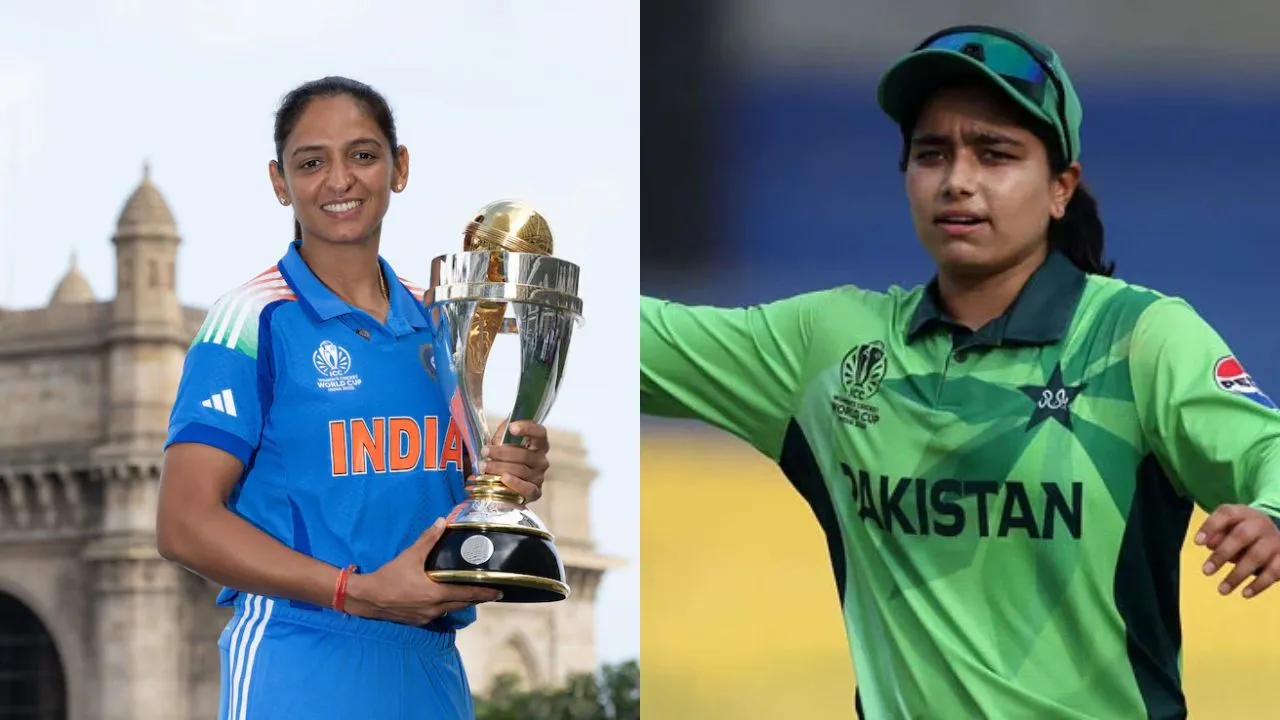
Pakistan Women beat India Women only once in Asia Cup history: Full details

Aaqib Javed’s influence cut down as Mike Hesson gets bigger role in Pakistan cricket
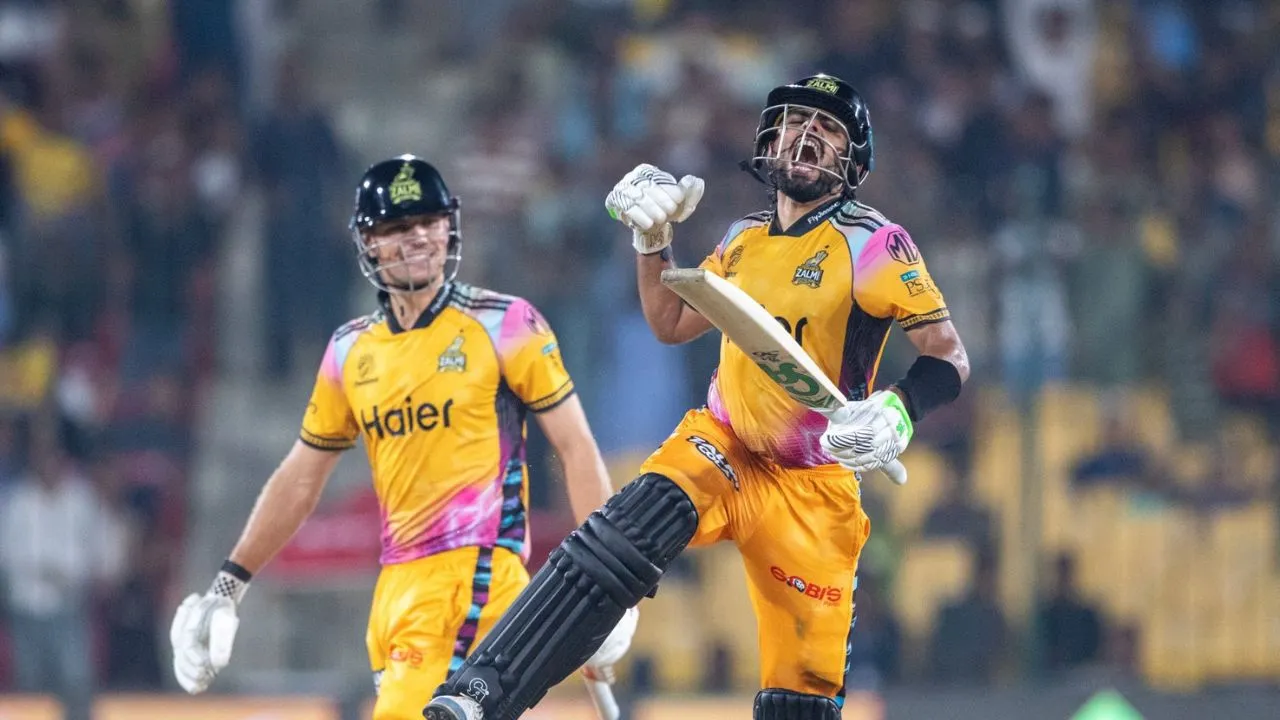
PSL 2027: PCB faces scheduling dilemma as broadcasters and franchises want different windows

BBL 2026-27: Brisbane Heat sign Tom Curran; Marcus Stoinis transfer gets blocked

Cricket or T20? Ricky Ponting wants major rebranding to win over American fans

Suresh Raina names Rishabh Pant as his favorite player, backs him to return to India’s white-ball teams
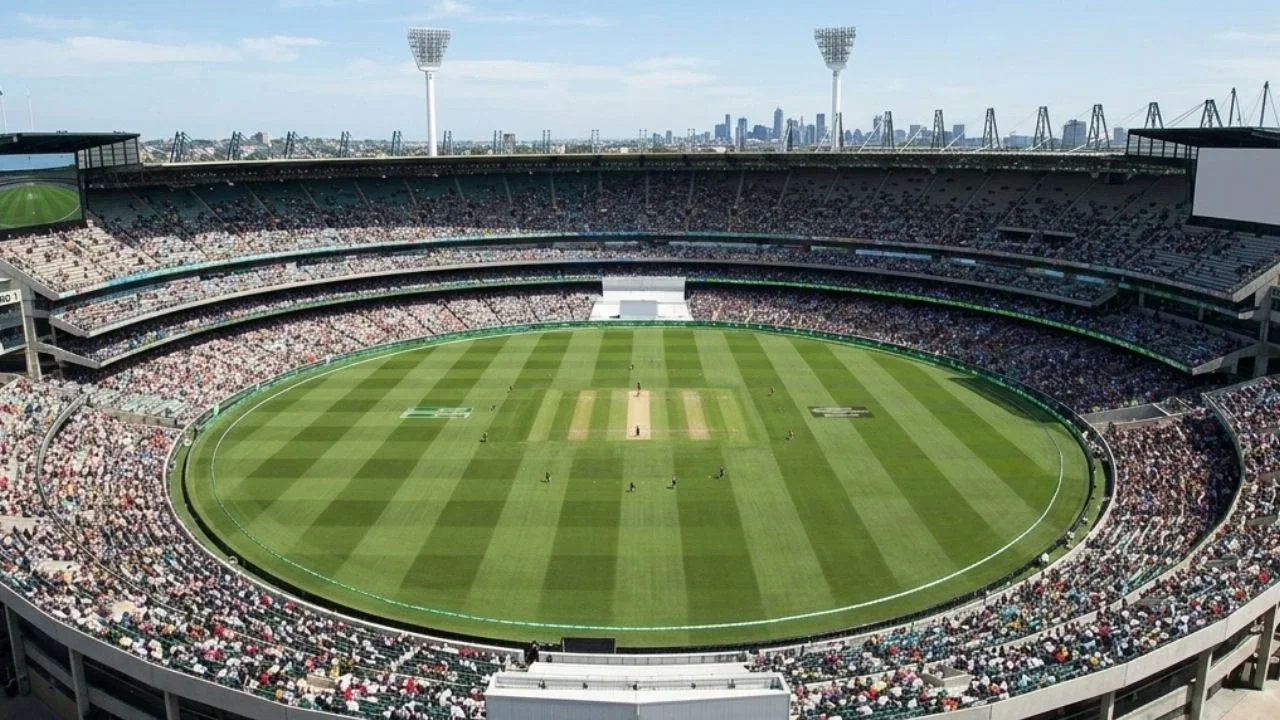
BAR-W vs TKR-W Dream11 Prediction Today Match, My11Circle Prediction, Dream11 Team Today, Fantasy Cricket Tips, Playing XI, Pitch Report, Injury Update- WCPL 2026, Match 1
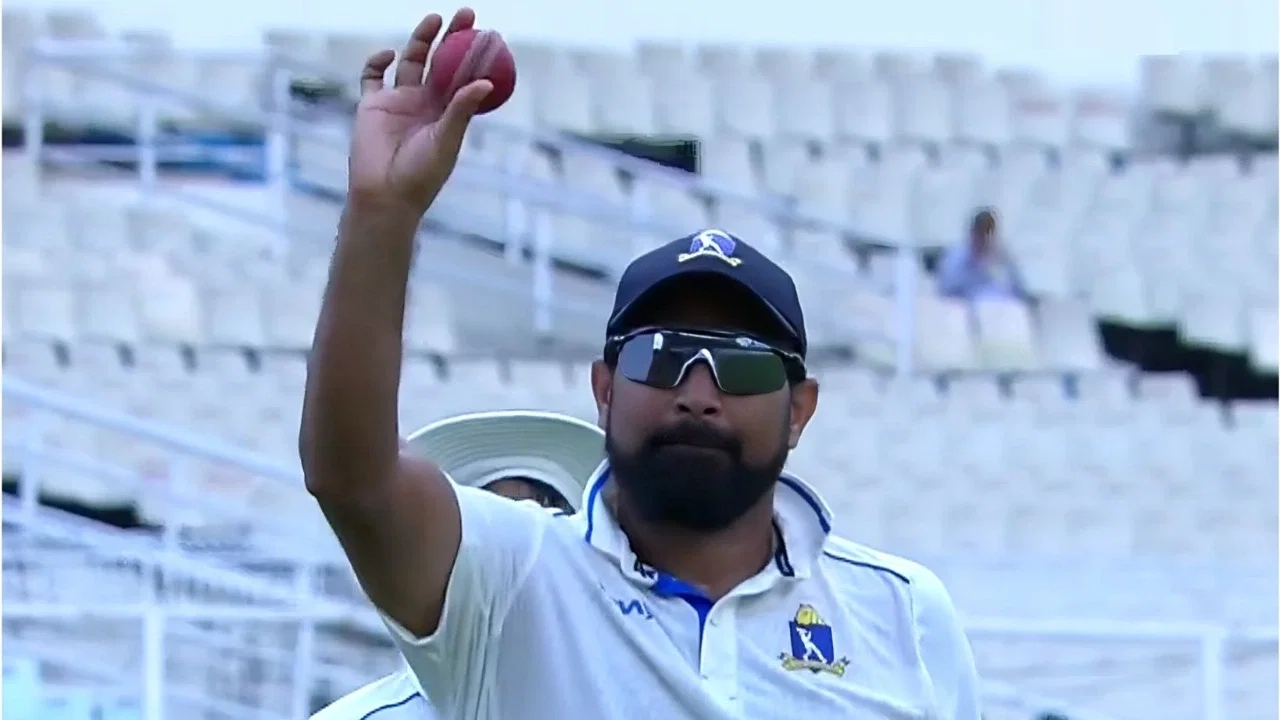
Mohammed Shami set to join elite Indian list with 100th First-Class appearance
Lhuan-dre Pretorius sets new record, becomes youngest centurion in T20Is