BCCI reveals stand on Sports Governance Act, says cricket must be notified first
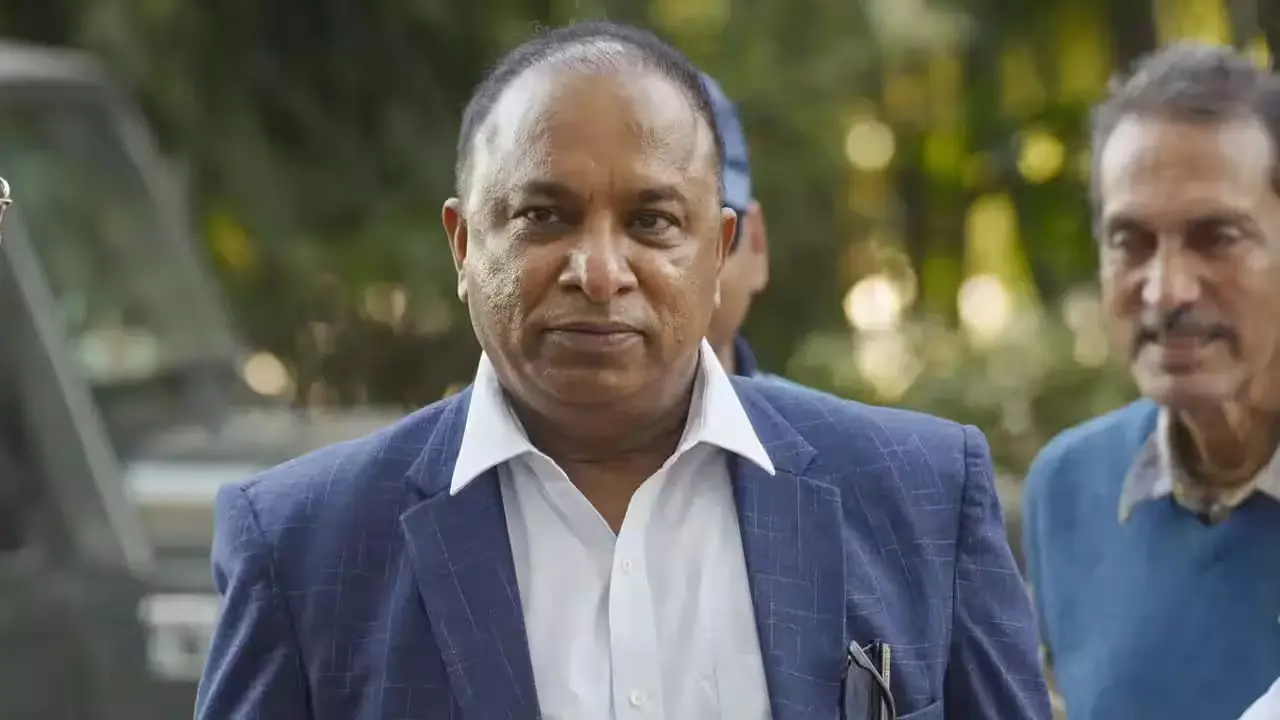
The BCCI’s Position on the National Sports Governance Act: A Critical Prediction for Indian Cricket’s Future
India’s cricketing landscape, renowned globally for its passion and vibrancy, is currently navigating a pivotal moment in sports governance. The Board of Control for Cricket in India (BCCI), the powerhouse behind Indian cricket, has recently clarified its stance regarding the much-debated National Sports Governance (NSG) Act. This landmark legislation, poised to reshape the governance framework for sports bodies across India, has sparked intense discussions among stakeholders, experts, and fans alike. As the BCCI prepares to align with the new rules, what can we predict about the future of cricket governance in India? Here’s a comprehensive analysis.
Understanding the Context: Why the National Sports Governance Act Matters
The National Sports Governance Act 2025 is considered one of the most significant reforms in Indian sports law in recent history. Its primary objective is to establish a transparent, accountable, and ethically governed sports ecosystem. The act aims to regulate sports federations by granting, suspending, or revoking their recognition based on compliance with prescribed standards.
One of the key features of the legislation is ensuring that sports federations adhere to principles of good governance, including transparency in elections, age caps on officials to promote fresh leadership, and clear dispute resolution mechanisms. Additionally, it emphasizes the welfare of athletes and the development of sports infrastructure, aligning Indian sports policies with international best practices. The act also seeks to safeguard the legal interests of sports bodies, especially during electoral processes, which have historically been marred by controversies.
The BCCI’s Unique Position in Indian Sports
Unlike other sports federations in India, the BCCI operates with a distinctive autonomy. Notably, it does not receive direct financial support from the central government, which is uncommon among national sports authorities. This independence has allowed the BCCI to develop a lucrative cricket ecosystem, generating significant revenue through media rights, sponsorships, and international tournaments like the Indian Premier League (IPL).
However, this autonomy also complicates the BCCI’s relationship with government-led reforms. The upcoming enforcement of the NSG Act raises critical questions: Will the BCCI be compelled to surrender some of its independence? How will the legislation impact its governance structures and operations? And most importantly, what prediction can we make about its response?
Official Stance of the BCCI: A Clear but Cautious Approach
Following the recent annual general meeting, BCCI Secretary Devajit Saikia provided clarity on the board’s position regarding the NSG Act. He confirmed that the BCCI will adhere to the provisions of the legislation once it officially receives notification. Saikia emphasized that until the formal notification is issued, the BCCI will continue to operate as it has historically, maintaining its independence and governance practices.
“Our stance is very clear,” Saikia stated. “There are several steps that need to be completed by the relevant authorities. Once the BCCI is brought under the Sports Act via an official notification, we will align our operations accordingly.” He reassured stakeholders that the BCCI is not trying to circumvent the legislation but will comply fully once the rules are formally enforced.
Predicting BCCI’s Future Actions: Compliance or Resistance?
Based on current statements, the prediction is that the BCCI is likely to comply with the NSG Act, but only after the official notification. This measured approach suggests a cautious but constructive stance, aiming to safeguard its autonomy while aligning with national sports policies. Historically, the BCCI has shown resilience and strategic adaptability, which indicates that once the legislation is formally adopted, the board will undertake necessary reforms to stay within legal bounds.
Experts believe that the BCCI’s compliance will include updates in electoral processes, age restrictions, and transparency measures. However, the board may also seek to negotiate certain provisions to preserve its unique functioning, especially regarding financial autonomy. The prediction, therefore, is that the BCCI will find a way to integrate the new legislation without compromising its core governance principles, possibly through legal clarifications or amendments.
Implications for Indian Cricket and Sports Governance
The enactment of the NSG Act and the BCCI’s predicted response carry profound implications for Indian cricket and the broader sports ecosystem. It signals a shift towards more structured and transparent governance, aligning Indian sports with international standards. Moreover, this move could pave the way for greater accountability, improved athlete welfare, and a more equitable electoral process within sports federations.
For cricket fans, this development might herald a new era where governance transparency enhances the credibility and integrity of Indian cricket. It could also influence the future of domestic leagues and international relations, as the BCCI adapts to the evolving regulatory landscape.
The Broader Perspective: How the Prediction Fits into Indian Sports Reforms
Looking ahead, the prediction that the BCCI will eventually align with the NSG Act fits into the larger narrative of India’s efforts to reform sports governance. The government’s intent is to foster a fair, transparent, and athlete-centric environment, reducing controversies and promoting ethical practices.
Other federations, including those governing football, hockey, and athletics, are also under pressure to comply with the new standards. The BCCI’s response may serve as a precedent, encouraging a unified approach towards sports governance reforms across the nation.
Final Thoughts: What the Future Holds
The prediction that the BCCI will adapt to the National Sports Governance Act reflects a strategic balance between safeguarding its autonomy and complying with legal reforms. While the journey towards full compliance may involve negotiations and adjustments, the overarching trend indicates a move towards greater transparency, accountability, and ethical governance in Indian sports.
As Indian cricket continues to captivate millions worldwide, its governance reforms could significantly enhance its global standing. The upcoming months will be crucial in observing how the BCCI navigates these changes, setting a precedent for other sports federations in India. Ultimately, this evolution promises a stronger, more resilient sports ecosystem—one rooted in good governance, fairness, and the relentless pursuit of excellence.
Stay tuned for updates as the BCCI’s stance on the National Sports Governance Act unfolds, and witness the transformation of Indian sports governance into a model of integrity and transparency.
Latest News
Top 10 highest run-chases in T20 cricket history, ft. West Indies’ Ranchi win vs India
Aaryavir Sehwag and Anvay Dravid set to make headlines at U19 Asia Cup 2026
Longest ducks in Test cricket history ft. Nic Maddinson, Shoaib Akhtar
ECB to offer 39 central contracts to England players after Ben Stokes, Mark Wood’s retirement
Steve Smith surpasses Steve Waugh in all-time Test run-scorers’ list
Shane Watson identifies Gautam Gambhir’s biggest problem as India struggle for consistency
Is Bhuvneshwar Kumar in India’s 2027 World Cup plans? Ajinkya Rahane makes revelation

BCCI’s big ₹127 Crore move after injury crisis raises concerns over Team India
Parthiv Patel reveals RCB ignored his Jasprit Bumrah recommendation in IPL 2014 Auction
“Never spoke ill of any faith”: Irfan Pathan hits back at fake news using his name
Nic Maddinson bags 33-ball duck on Test comeback, disappoints George Bailey
Imran Tahir predicts 2027 ICC ODI World Cup Semi-Finalists, snubs India for title
Australia create unwanted history with first all-30-plus Test XI
Ravindra Jadeja returns to Ranji Trophy as Saurashtra announce squad