

BCCI Secretary denies prize money to India U19 stars, addresses aggressive celebrations against Pakistan
India Beat Pakistan in Last-Ball U-19 Asia Cup Final Thriller
India’s Under-19 team staged a remarkable fightback to defeat Pakistan by one wicket in the ACC Men’s U-19 Asia Cup 2026 final, completing a tense chase on the final delivery in Al Amerat on November 14. Mohit Ulva’s unbeaten late innings proved decisive, turning a match that appeared to be slipping away from India into a dramatic title-winning moment.
After the final, BCCI Secretary Devajit Saikia praised the young players’ resilience and defended their exuberant celebrations. He also urged people not to make prize money the focus, saying the experience and confidence gained from such a high-pressure victory could prove far more valuable to players at this stage of their careers.
Pakistan Set India a Target of 338
Pakistan, the defending champions, chose to bat first and put up a formidable 337 for nine in their 50 overs. Usman Khan anchored the innings with 107 from 111 balls, while Abdul Qadir accelerated the scoring with 80 off 54. Captain Farhan Yousaf added 63 from 60 deliveries, helping Pakistan build a total that demanded a near-perfect response from India.
India’s Kavya Patel was the standout bowler, taking four wickets for 68 runs. Although the Indian attack managed to claim wickets at regular intervals, Pakistan’s top-order contributions and aggressive middle-overs batting ensured the target remained imposing.
In a final of this scale, a total above 330 can exert pressure from the first over of the chase. India needed both steady partnerships and timely acceleration—while also keeping enough wickets in hand for the closing overs.
India’s Chase Swings Between Control and Crisis
Captain Lakshya Raichandani gave India a solid foundation with 80 from 101 balls, and Aaryavir Sehwag contributed 58 off 61. Their work kept the chase within reach, but Pakistan continued to break partnerships and prevent India from building an uninterrupted charge toward the target.
The pressure intensified when India slipped to 252 for eight. With the required runs mounting and only two wickets remaining, Pakistan appeared to have seized control. The match’s momentum had shifted sharply, and India’s hopes depended on the lower order producing a calm, high-impact finish.
Manal Chauhan and Mohit Ulva responded with a crucial 57-run partnership for the ninth wicket. Chauhan scored 47 from 32 balls, combining urgency with composure before he was dismissed. Ulva, meanwhile, kept India in the contest and ensured the target remained within reach.
Chigurupati Venkata contributed an unbeaten 11 from eight deliveries, offering valuable support at the other end. India entered the final over needing eight runs, with three required from the last ball. Ulva found the boundary under immense pressure, taking India to 339 for nine and sealing a one-wicket victory. He finished unbeaten on 49 from just 26 balls and was named Player of the Match.
Sehwag’s consistency across the tournament also earned recognition: his 361 runs secured the Player of the Series award. Ulva’s finishing performance, however, will be remembered as the defining moment of the final—a reminder that a match can turn on a single delivery even when the chasing side has been pushed close to defeat.
Saikia Says Experience Matters More Than Prize Money
Speaking to ANI after the win, Saikia asked the public not to centre the conversation on financial rewards for the young champions. He said the players should focus on their cricket and make the most of the confidence earned through a demanding final.
“These are still young players—please don’t bring up topics like prize money or financial rewards; they should be focusing entirely on their game,” Saikia said. He added that the players would have time to earn money throughout their lives, while the experience of winning under pressure could provide a significant boost to their future careers.
His comments reflect a broader view of junior cricket: tournaments at this level are not only about trophies, but also about preparing emerging players for the demands of elite competition. A close final can test decision-making, composure and teamwork in ways that routine victories cannot. For India’s young side, recovering from a difficult position offered a lesson as well as a title.
BCCI Secretary Defends the Team’s Celebrations
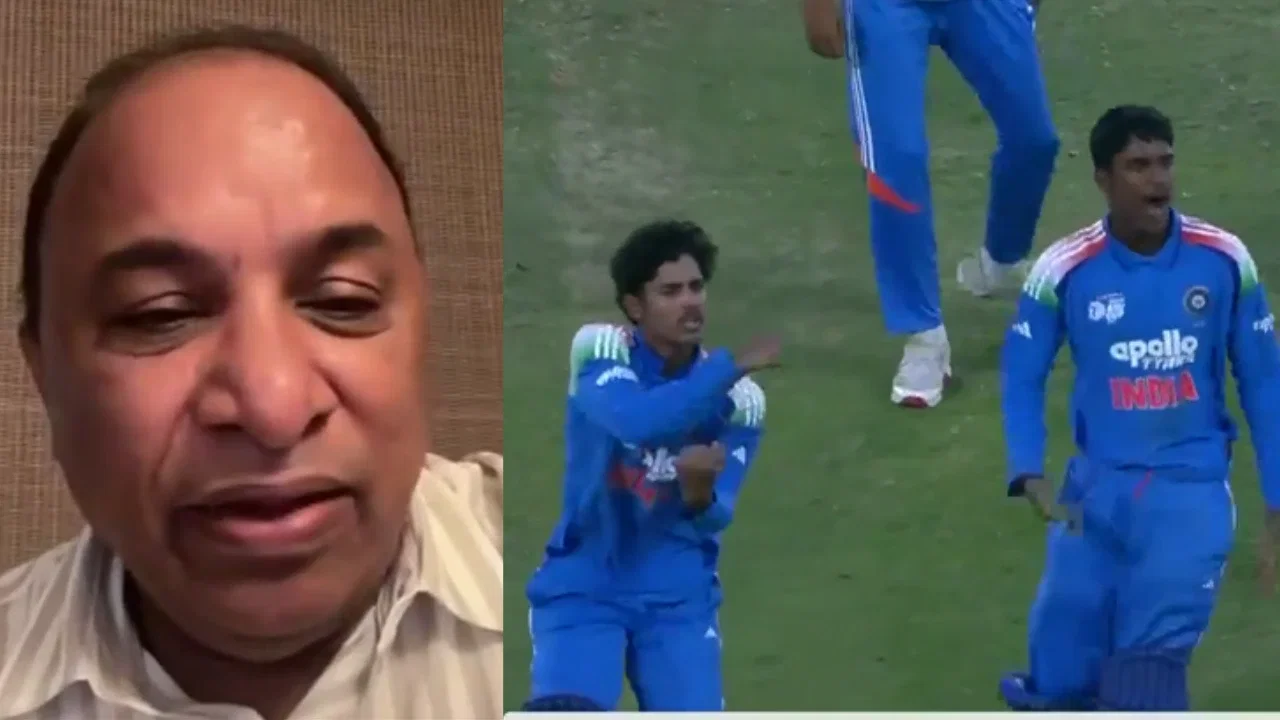
The Indian players’ animated celebrations after the final drew attention, with some gestures directed toward their Pakistani opponents. Asked about the reaction, Saikia backed the team and described the celebrations as an expression of the character and fighting spirit they had shown during the match.
He pointed to the dramatic circumstances of the victory, noting that India had been in a position where a win seemed unlikely. In his view, the team’s “never-say-die” attitude and confidence were central to the result, and players who come through such a tense finish should be allowed to celebrate their achievement.
The reaction also highlights how emotionally charged India-Pakistan cricket can be, even at youth level. Yet the final’s most enduring sporting story was the contest itself: Pakistan’s powerful batting performance, India’s recovery after losing wickets, and Ulva’s composure when the championship came down to the last ball.
Saikia Praises Players and Support Staff
Saikia congratulated the entire squad and support staff, crediting them with standing behind the team throughout the tournament. He also noted the significance of India’s earlier defeat to Pakistan in the competition’s opening match. The young side had to absorb that setback and respond when the stakes were highest.
According to Saikia, the final demonstrated the players’ determination, dedication and belief. He said the BCCI and supporters across the country were delighted with the team’s achievement, while giving the players themselves credit for delivering the decisive performance.
The Under-19 pathway has long served as a proving ground for future senior internationals. Not every junior champion will follow the same route, but performances in high-pressure games can help players develop the skills and temperament needed for the next level. India’s last-ball victory may therefore become an important reference point for this group as they continue their cricketing journeys.
What the Final Means for India’s Young Champions
India’s one-wicket win was more than a dramatic scoreline. It was a demonstration of how a team can remain competitive after a collapse, rebuild through a lower-order partnership and execute a high-pressure finish. Pakistan’s 337 for nine set a formidable challenge, but India’s response showed patience early in the chase and fearless intent when the opportunity arrived.
For fans looking ahead, the final offers plenty to consider in any future prediction about the next generation of Indian cricket. Sehwag’s tournament-long run-scoring, Patel’s four-wicket haul and Ulva’s match-winning finish each revealed different strengths within the squad. Their development will take time, but the confidence gained from a final decided on the last ball could be a lasting reward—one that, as Saikia suggested, goes well beyond prize money.
Latest News

SA vs BAN Playing 11 Today, Live Streaming, Pitch & Weather: South Africa tour of Bangladesh 2026, 2nd Test

AUS vs ENG Playing 11 Today, Live Streaming, Pitch & Weather: England tour of Australia 2026, 2nd T20I

Blair Tickner ruled out of 2nd Test vs India, replacement named

Tim Paine and Justin Langer face fresh questions over Australia’s ball-tampering scandal

India tour of Bangladesh gets fresh hope as BCB confirms talks with BCCI

Tom Latham opens up on soft ball problem and saliva ban after draw against India

Ajinkya Rahane slams Tilak Varma for publicly criticising Shahbaz Ahmed after India A’s defeat

ICC to introduce IPL-style bat checks in international cricket

“Smiling Laughing doesn’t happen”: R Ashwin’s dig at India’s approach after draw vs New Zealand

“Not good enough for Test cricket”: Scott Styris, Sunil Gavaskar slam Wellington pitch

Dodda Ganesh declares India ‘out of WTC final race’ after Wellington Test draw

Ajinkya Rahane criticises Shubman Gill for abusing Akash Deep in 1st Test vs New Zealand

‘Why so many boundary riders?’ Dinesh Karthik questions Shubman Gill’s captaincy after Wellington Test

“I just want to enjoy my life”: Yash Dayal reflects on his return to cricket


