

BCCI sends blunt message to Mohsin Naqvi after India Women’s Asia Cup 2026 trophy snub
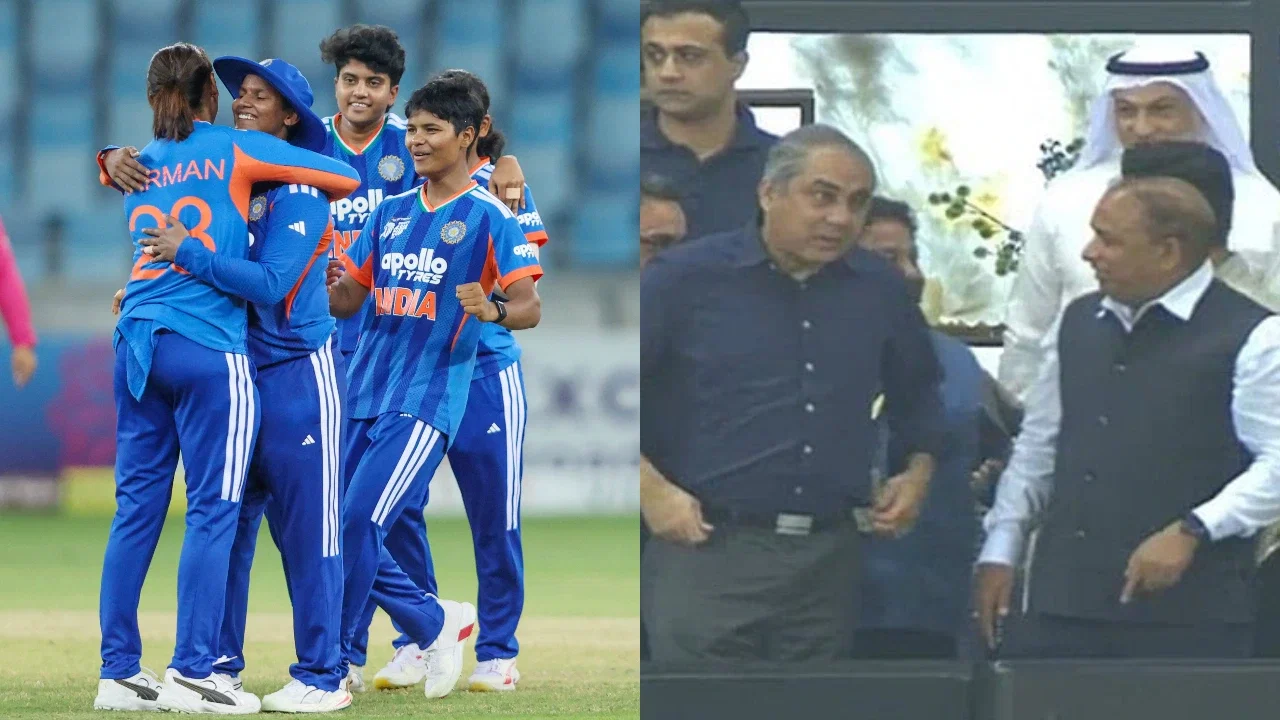
India Claims Women’s Asia Cup 2026 Title Amid Controversy Over Trophy Presentation
In a dramatic conclusion to the Women’s Asia Cup 2026 held in Dubai, the Indian women’s cricket team emerged victorious after defeating Sri Lanka by a commanding 72 runs in the final. However, the celebration was overshadowed by a contentious incident during the trophy presentation ceremony that has since ignited a fresh wave of political and sporting debates across the cricketing world.
Controversial Trophy Ceremony Sparks Political Tensions
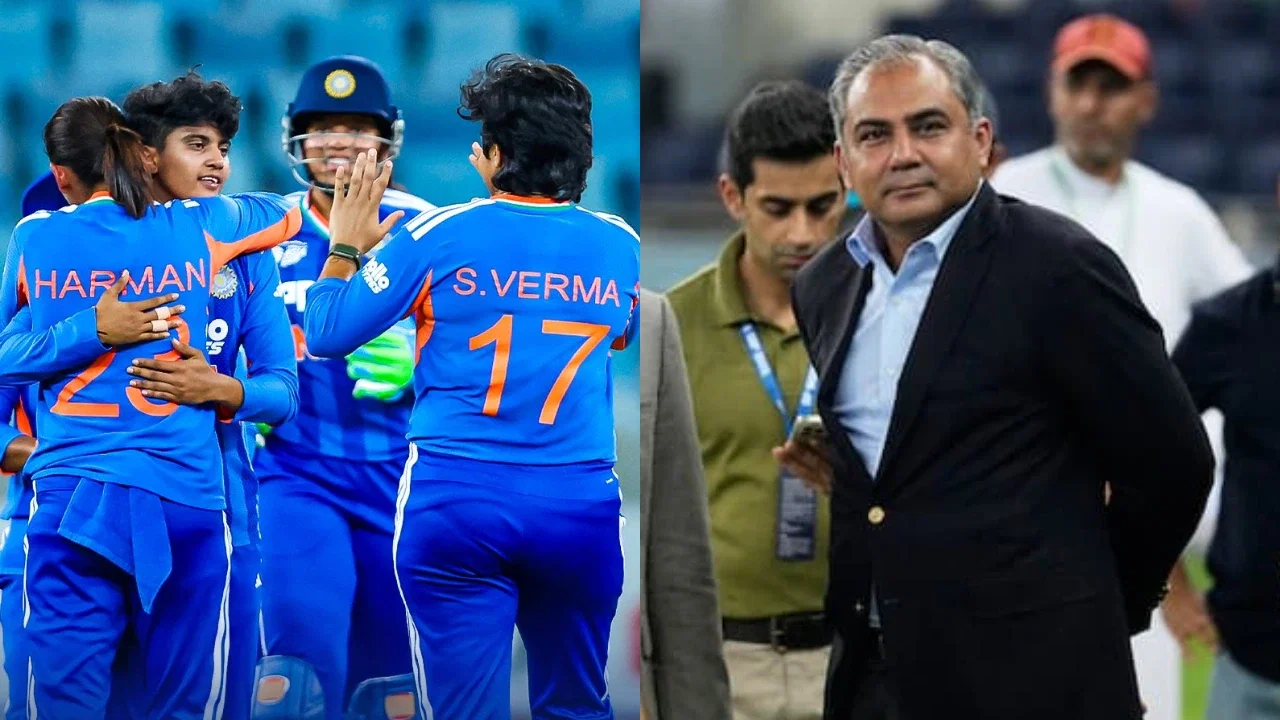
Following their triumphant victory, Harmanpreet Kaur and her team made headlines not only for their on-field performance but also for their decision to refuse the traditional presentation of the trophy from Mohsin Naqvi, the President of the Asian Cricket Council (ACC) and Pakistan’s Interior Minister. Instead, the Indian team opted to accept the silverware from ACC Vice-President Khalid Al Zarooni, but Naqvi’s reluctance to step aside led to a prolonged delay of nearly an hour in the ceremony.
The incident resulted in the Indian team refusing to accept the trophy directly from Naqvi, which marked a significant departure from customary protocol. The Sri Lankan runners-up team, meanwhile, received their medals from the Pakistan Cricket Board (PCB) chairman, highlighting the complex geopolitical undertones of the event. The delayed presentation and the refusal to accept the trophy from Naqvi have since become a symbol of the ongoing political discord between India and Pakistan.
Historical Context: Echoes of Last Year’s Men’s Asia Cup
This incident echoes last year’s controversy during the Men’s Asia Cup, when Indian cricketers Suryakumar Yadav and his team also declined to receive the trophy from the PCB chairman amid tense diplomatic relations. These recurring acts of protest highlight the evolving relationship between the two cricketing giants, where sports are increasingly intertwined with national politics and diplomatic sentiments.
Impact of Geopolitical Tensions on Cricket Diplomacy
The timing of this controversy is significant, coming in the aftermath of heightened India-Pakistan tensions following the April 2025 Pahalgam terror attack and India’s subsequent military operations, including Operation Sindoor. These events have strained diplomatic relations, making sporting encounters more politically charged than ever before. Despite ongoing cricket tournaments where teams from both nations meet, the usual gestures of sportsmanship, such as handshakes and trophy presentations, have been noticeably absent or fraught with tension.
The Indian women’s team’s decision not to accept the trophy from Naqvi underscores a broader sentiment of protest and solidarity with national security concerns. It also reflects the growing assertion of India’s political stance within international sports, where athletes and officials are increasingly conscious of the messages their actions convey beyond the cricket field.
Official Reactions and Support from the BCCI
The Board of Control for Cricket in India (BCCI) Secretary, Devajit Saikia, publicly backed the Indian women’s team’s decision, emphasizing that while India remains committed to participating in international tournaments involving Pakistan, they do not have to accept every condition imposed by Pakistani officials or representatives. Saikia’s statement underscores a nuanced stance: maintaining the policy of engagement through cricket but drawing a line when it comes to political symbolism and diplomatic affronts.
In an interview with ANI, Saikia explained, “Our teams will continue to play Pakistan in international tournaments because that is our policy. However, that doesn’t mean we have to accept every gesture or protocol, especially when it involves officials who are working against our national interests.” He further accused Mohsin Naqvi of working against India’s interests, asserting that the Indian team’s refusal to accept the trophy from him is a justified act of protest.
The Significance of the Prediction and Future Implications
Analysts and cricket experts are now reflecting on the broader implications of this incident, especially considering the prediction that such political protests may become more frequent in international sports as geopolitical tensions persist. The incident raises critical questions about the role of sports diplomacy and whether athletic achievements can serve as a platform for political expression or if they risk politicizing sporting events further.
Moreover, the ongoing controversy fuels speculation about the future of India-Pakistan cricket relations. Will this incident set a precedent for further protests? Or will it prompt the cricketing authorities to establish clearer protocols to prevent such conflicts from overshadowing sporting achievements? The prediction remains uncertain, but the incident certainly highlights the intersecting worlds of sports and politics in South Asia.
Official Clarifications and the Role of Courtesy
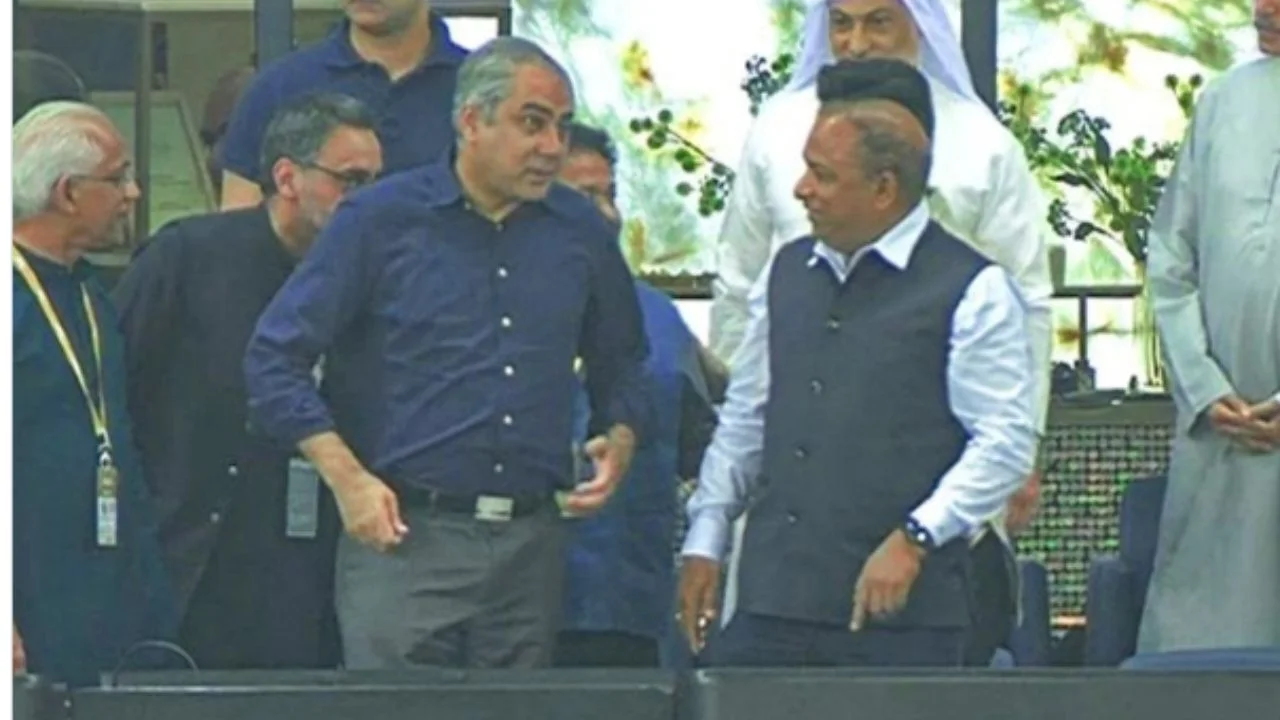
Addressing concerns about the meeting between Naqvi and Saikia during the final, the BCCI secretary clarified that their interaction was purely a matter of courtesy. He stated that Naqvi’s presence in the Royal Box and their brief exchange were routine gestures common during such high-profile events. Saikia emphasized that the main focus for India was winning the tournament and celebrating their players’ efforts, rather than the trophy presentation process.
Looking Ahead: The Future of Cricket Amid Political Tensions
This incident underscores an increasing trend where sports are no longer insulated from geopolitical issues. As India and Pakistan continue to clash politically, their cricketing encounters are seen through a prism of national pride, security concerns, and diplomatic signaling. The prediction that such controversies could recur in future tournaments suggests that sports administrators and governing bodies must develop strategies to balance sportsmanship with national sensitivities.
Cricket fans worldwide are watching closely, aware that the outcome of these political- sporting clashes will influence not only future tournaments but also the broader narrative of peace and conflict in the region. While the Indian women’s team’s victory remains a proud moment, the controversy surrounding the trophy presentation has added a complex layer to the legacy of the tournament.
Conclusion
In sum, India’s triumph at the Women’s Asia Cup 2026 is celebrated as a significant achievement for Indian cricket. Yet, the controversy over the trophy presentation from Mohsin Naqvi reflects deeper geopolitical tensions that continue to influence sporting events in South Asia. As predictions suggest, such incidents may become more commonplace as nations navigate their diplomatic relations through the lens of international sports. The ongoing dialogue between cricket diplomacy and political realities underscores the importance of understanding how sports can both unite and divide nations in an increasingly interconnected world.
Latest News
England set for batting shake-up as Marcus Trescothick backs flexible approach
ICC takes action against India pacer after Women’s Asia Cup final incident
“We don’t have any regrets”: Devajit Saikia breaks silence on Mohsin Naqvi meeting
ADF vs DNG Dream11 Prediction Today Match, Dream11 Team Today, Fantasy Cricket Tips, Playing XI, Pitch Report, Injury Update- European T20 Cup 2026, Match 26
ENG vs SL Dream11 Prediction Today Match, Dream11 Team Today, Fantasy Cricket Tips, Playing XI, Pitch Report, Injury Update- Sri Lanka Tour of England 2026, 1st T20I
Tirumalasetti Suman questions Sanju Samson’s place in Indian team
Varun Chakravarthy ruled out of Afghanistan T20Is, BCCI CoE under scanner
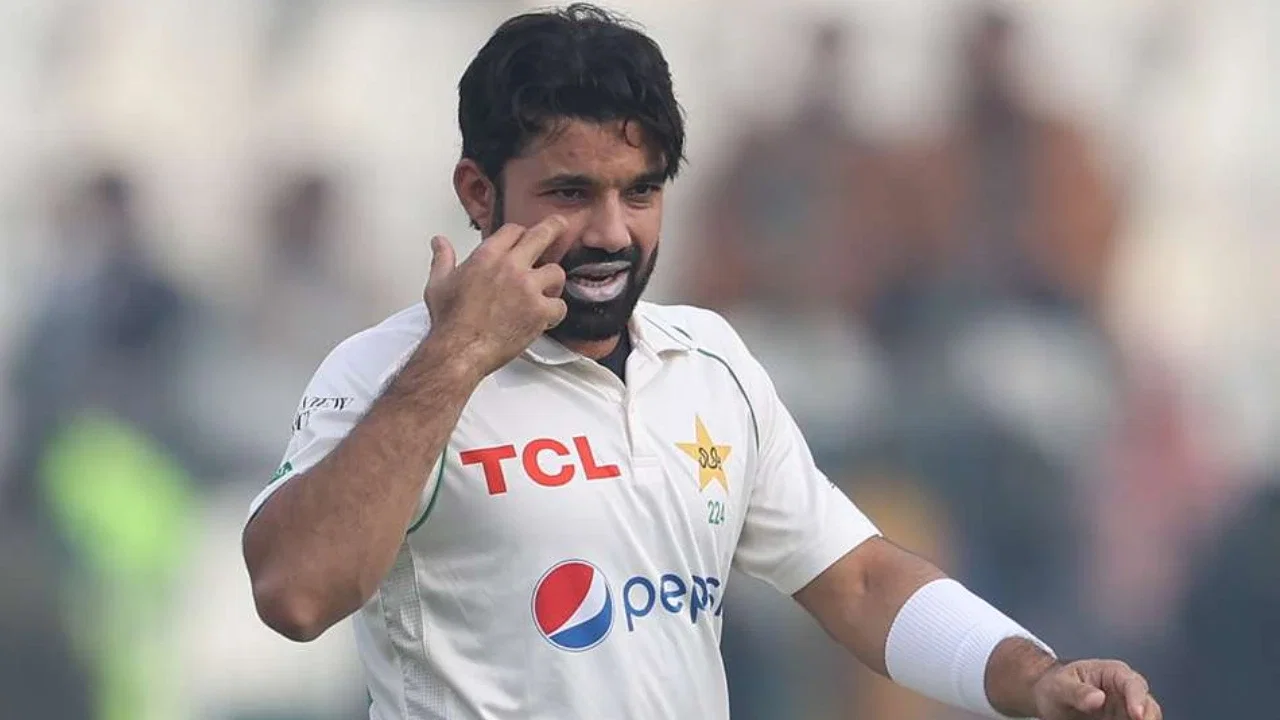
Mohammad Rizwan finally breaks silence on the NCCIA probe
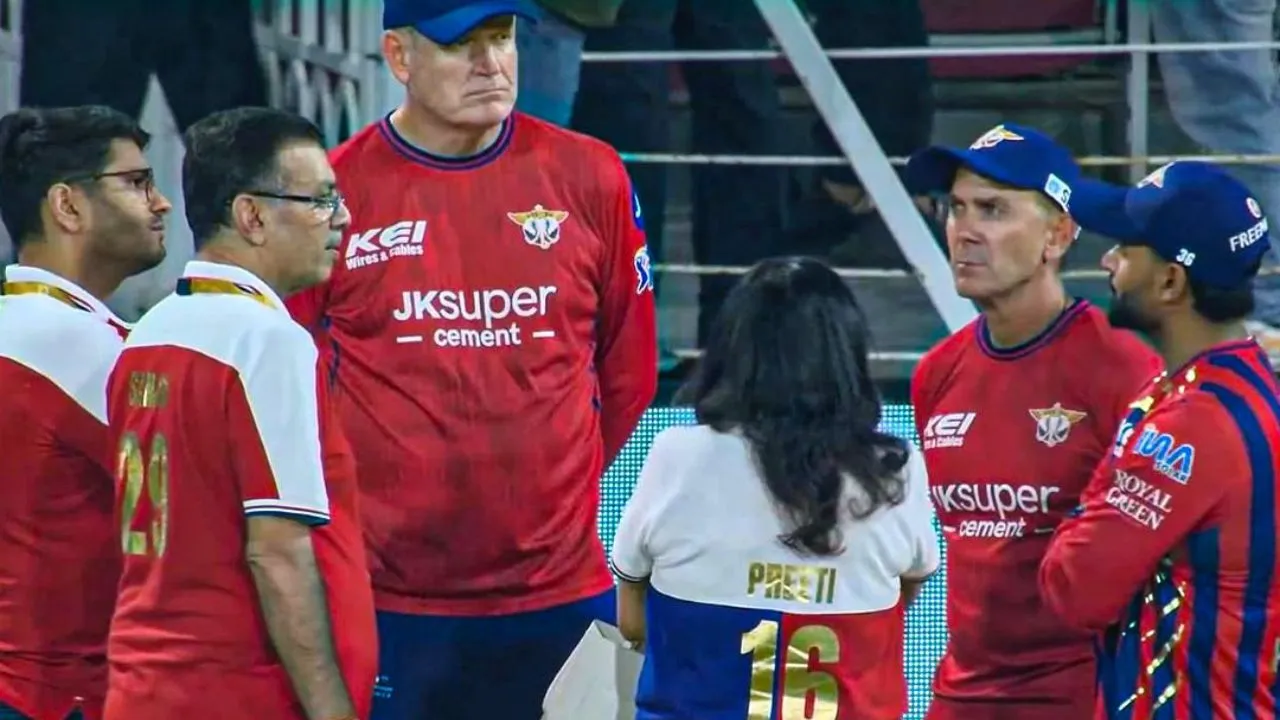
Sanjiv Goenka admits communication issues, hints at LSG coaching change ahead of IPL 2027
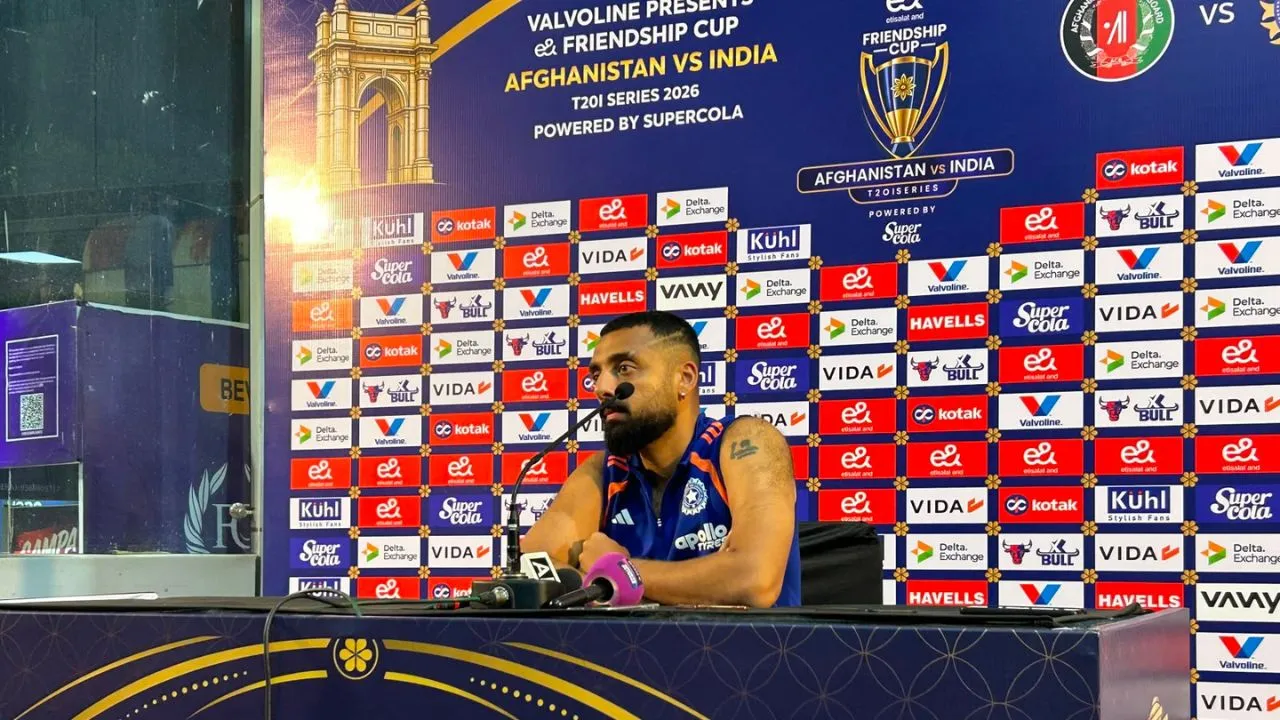
“You can’t bowl spin”: Varun Chakravarthy reveals India’s biggest batting strength
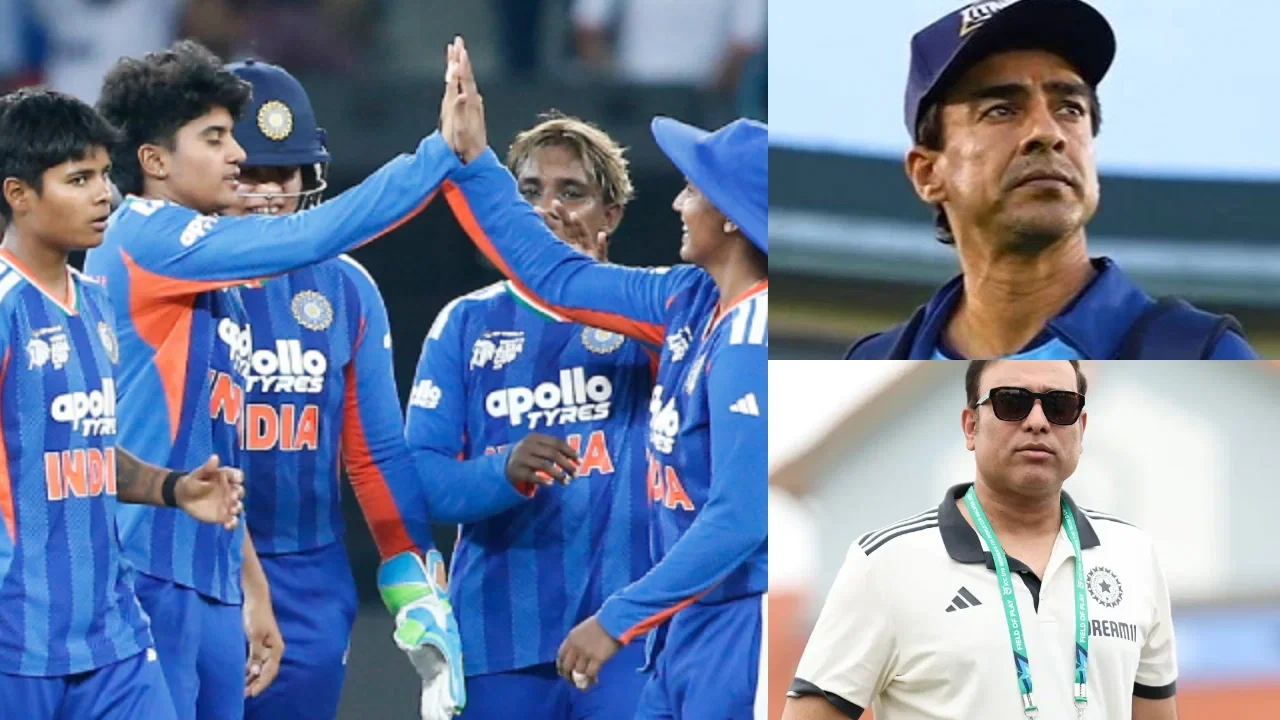
Mithun Manhas, VVS Laxman hail India Women after record 8th Asia Cup title
Mohsin Naqvi unlikely to get another term as ACC chairman after Asia Cup trophy controversy
FIR filed against Mohammed Shami’s brother after woman makes serious allegations
Amol Muzumdar reveals BCCI’s stance after India Women refuse trophy from Mohsin Naqvi

