

BCCI U19 cricketer Nandini Rathod dies by suicide, family accuses 2 youths of harassment
Telangana Teen Cricketer Dies in Vikarabad; Police Investigate Family’s Harassment Allegations
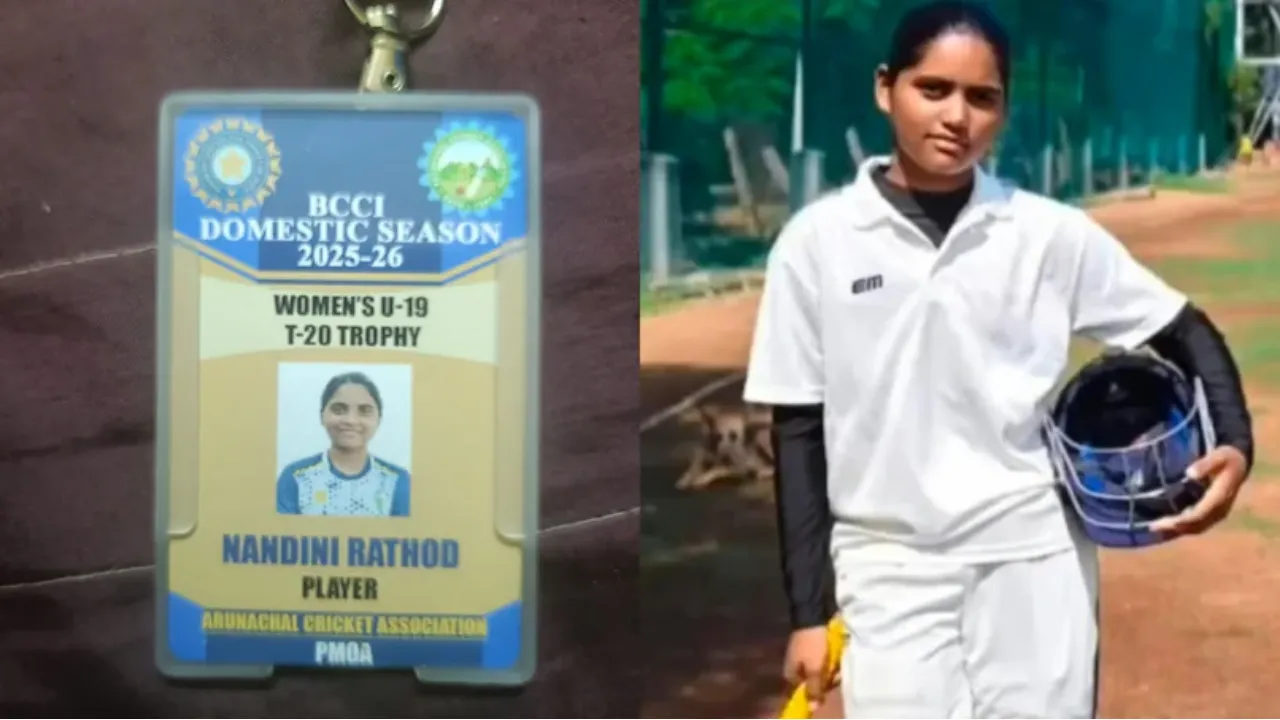
A 17-year-old cricketer from Telangana, identified as Nandini Rathod, died at her grandmother’s home in Vikarabad on Friday, November 13. Her family has alleged that two local youths stalked and harassed her in the months before her death. Police are investigating those claims, but the circumstances surrounding the teenager’s death have not yet been established.
Nandini was from Sangayyapalli village in Yalal mandal. She had moved to Madhu Colony in Vikarabad to continue her education and pursue cricket training. According to reports, she practised regularly at a local stadium and had recently earned a place in the Board of Control for Cricket in India’s Under-19 setup—a significant milestone for a young athlete.
Family Alleges Months of Stalking and Harassment
Nandini’s relatives identified the two youths as Anil and Krishna. They alleged that Anil had repeatedly followed and troubled her, presenting his actions as an expression of romantic interest, while Krishna had supported him. The family said the alleged conduct had continued for about three months.
Relatives also told reporters that they had previously warned both youths to stay away from Nandini. They further alleged that the pair threatened her after the family confronted them. These claims have not been independently confirmed, and police have not publicly established whether the alleged harassment was connected to her death.
After the incident, relatives and other family members gathered for a road protest in Vikarabad, calling for the immediate arrest of the two youths and strict legal action. Police spoke with the protesters and reportedly detained both men for questioning as investigators began examining the allegations.
Police Examine Phone and Social Media Accounts
Vikarabad Circle Inspector Raghu said police received information about the incident at around 9 a.m. on Friday and went to the residence. Nandini’s body was taken to Vikarabad Area Hospital for a post-mortem examination. Police subsequently registered a case of suspicious death.
As part of the inquiry, officers seized Nandini’s mobile phone and sent it for forensic analysis. Investigators are examining her communications and social media activity, including Instagram, Facebook and WhatsApp, to look for evidence of possible harassment, threats or blackmail.
“We will examine her Instagram, Facebook and WhatsApp accounts to ascertain whether anyone had been harassing or troubling her through social media. Based on the findings, appropriate action will be taken against those responsible,” CI Raghu said, according to reports.
Digital evidence can help investigators establish the timing and nature of communications, but it must be assessed alongside other information. Police have said that further action will depend on the forensic findings and evidence gathered during the investigation. No conclusion about responsibility or motive has been announced.
Investigation Continues as Family Awaits Answers
Following the post-mortem examination, Nandini’s body was handed over to her family. Her relatives continue to seek accountability, while investigators work to determine what happened and whether anyone’s actions contributed to the distress she may have experienced.
At this stage, the family’s allegations remain allegations, and the police investigation is ongoing. The post-mortem report, forensic analysis of the phone, witness statements and any other evidence may help clarify the circumstances. Until those findings are available, the exact events leading to Nandini’s death remain unknown.
A Promising Cricket Journey Cut Short
Nandini’s reported selection for the BCCI Under-19 setup had marked an important step in her sporting journey. Reaching a national age-group pathway requires sustained training and commitment, making the news of her death particularly distressing for her family and the local cricket community.
The case also highlights the importance of taking allegations of stalking and harassment seriously and ensuring that young people have safe, trusted ways to seek help. However, public discussion should avoid speculation about Nandini’s private life or the cause of her death before investigators establish the facts. A prediction about the outcome of the case would be premature; the next steps will depend on the evidence and the findings of the ongoing inquiry.
Police have said they will take appropriate action based on the results of the investigation. For now, the central questions—whether harassment occurred, who may have been involved, and whether it had any connection to Nandini’s death—remain under examination.
Latest News

SA vs BAN Playing 11 Today, Live Streaming, Pitch & Weather: South Africa tour of Bangladesh 2026, 2nd Test

AUS vs ENG Playing 11 Today, Live Streaming, Pitch & Weather: England tour of Australia 2026, 2nd T20I

Blair Tickner ruled out of 2nd Test vs India, replacement named

Tim Paine and Justin Langer face fresh questions over Australia’s ball-tampering scandal

India tour of Bangladesh gets fresh hope as BCB confirms talks with BCCI

Tom Latham opens up on soft ball problem and saliva ban after draw against India

Ajinkya Rahane slams Tilak Varma for publicly criticising Shahbaz Ahmed after India A’s defeat

ICC to introduce IPL-style bat checks in international cricket

“Smiling Laughing doesn’t happen”: R Ashwin’s dig at India’s approach after draw vs New Zealand

“Not good enough for Test cricket”: Scott Styris, Sunil Gavaskar slam Wellington pitch

Dodda Ganesh declares India ‘out of WTC final race’ after Wellington Test draw

Ajinkya Rahane criticises Shubman Gill for abusing Akash Deep in 1st Test vs New Zealand

‘Why so many boundary riders?’ Dinesh Karthik questions Shubman Gill’s captaincy after Wellington Test

“I just want to enjoy my life”: Yash Dayal reflects on his return to cricket


